Tag: dentist in coburg

  • Understanding Bad Taste After Root Canal treatment with your dentist in Preston

    Understanding Bad Taste After Root Canal treatment with your dentist in Preston

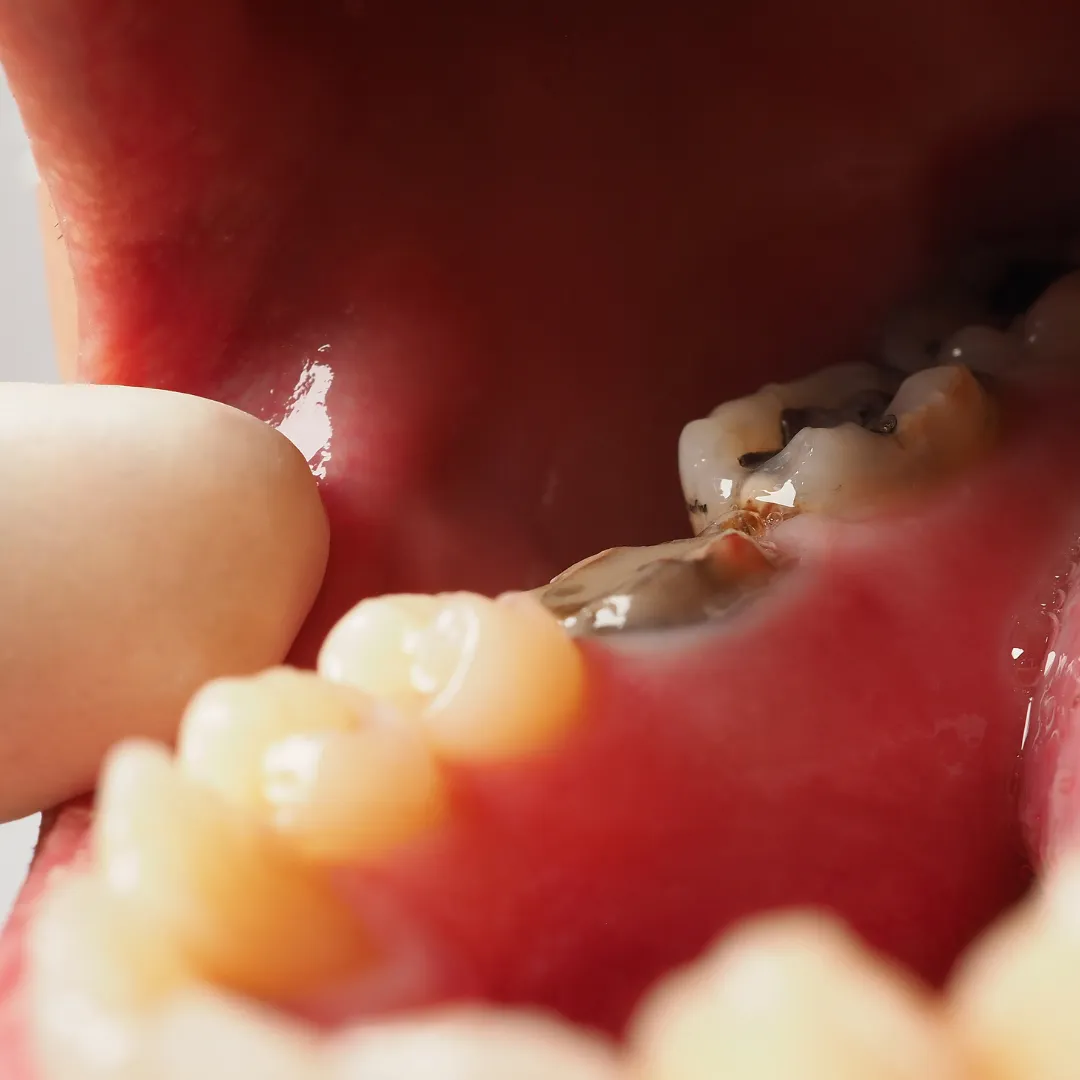
    Experiencing a bad taste in your mouth after a root canal can be disconcerting and uncomfortable. Patients often report this as a side effect of the procedure, but what exactly causes it? Is it a sign of an underlying issue, or merely a temporary inconvenience? Let’s dig into the reasons behind this unpleasant aftertaste and explore how your dentist in Preston approaches this common complaint.

    Root Canal Aftertaste: An Indication of Infection?

    The primary purpose of a root canal is to clear an infection from the tooth’s pulp. However, the presence of a foul odour or bad taste post-treatment could signal that the infection wasn’t entirely eradicated. This residual infection might release substances that have a decay-like smell, comparable to rotten eggs or worse, which in turn could cause a bad taste in your mouth.

    The Role of Medications and Procedures

    Not all bad tastes are indicative of infection. Sometimes, the taste comes from the chemicals used during the procedure, such as the irrigation solution or the medicated dressing placed inside the tooth. These substances are essential for the treatment but can leave a distinct flavour in your mouth temporarily.

    Why Does This Happen? Insights from Coburg Dentist

    Your Coburg dentist at Bright Smile Dental Clinic might explain that an infection could remain if the cleaning wasn’t thorough or if the bacteria were particularly resistant. Your dentist in Preston might add that a bad taste could also stem from a dry mouth or the use of certain medications unrelated to the dental procedure itself.

    When to Seek Further Help

    If the bad taste persists, especially accompanied by pain or swelling at the root canal site, it’s crucial to consult your Coburg dentist. Persistent symptoms could suggest that the infection is still active or that a reinfection has occurred, which may require additional treatment or even endodontic surgery.

    Preventive Measures and Aftercare

    To avoid such complications, it’s important to follow the aftercare instructions provided by your dentist in Preston. This includes maintaining good oral hygiene, avoiding certain foods during the healing process, and possibly using medicated rinses as prescribed.

    Conclusion: The Importance of Expert Care

    In conclusion, while a bad taste in your mouth following a root canal can be quite normal due to the materials used, it should not be dismissed, especially if it lingers.  Your dentist in Preston or Coburg dentist at Bright Smile dental Clinic, are equipped to handle these complications and ensure your comfort and health post-procedure.

    Remember, a root canal is a step towards better dental health, and understanding the journey, including the odd aftertaste, can make the process smoother and less daunting.
  • Dental Subgingival Calculus: 5 Powerful Ways to Prevent It

    Dental Subgingival Calculus: 5 Powerful Ways to Prevent It

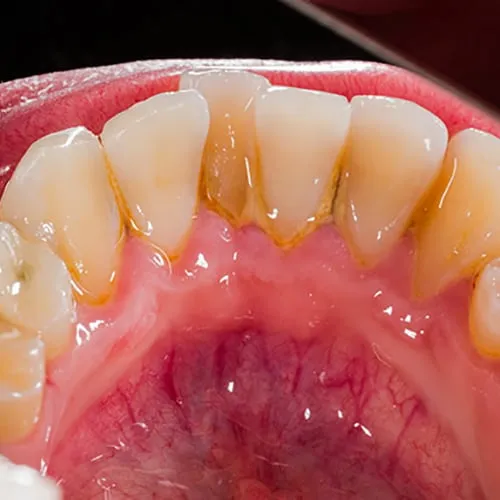
    Dental subgingival calculus is a stubborn build-up that forms beneath the gum line, where toothbrushes and floss often struggle to reach. Left untreated, it can lead to gum disease, bone loss, and even tooth loss. At Bright Smile Dental Clinic in Coburg, our experienced team provides proven methods to help patients prevent, diagnose, and treat subgingival calculus effectively.

    Here are 5 powerful ways you can protect your oral health against this hidden threat.


    1. Understanding Dental Subgingival Calculus

    Dental subgingival calculus develops when dental plaque hardens below the gum line. Unlike regular plaque, which can be brushed away, calculus becomes firmly attached to tooth surfaces. This creates the perfect environment for bacteria to thrive, increasing the risk of periodontal (gum) disease.

    Because it forms beneath the gums, dental subgingival calculus cannot be seen easily — which is why professional dental check-ups are essential.


    2. Recognising the Signs of Subgingival Calculus

    Early detection is vital. Signs may include:

    • Red, inflamed gums
    • Bleeding when brushing or flossing
    • Bad breath (halitosis)
    • Gum recession or sensitivity

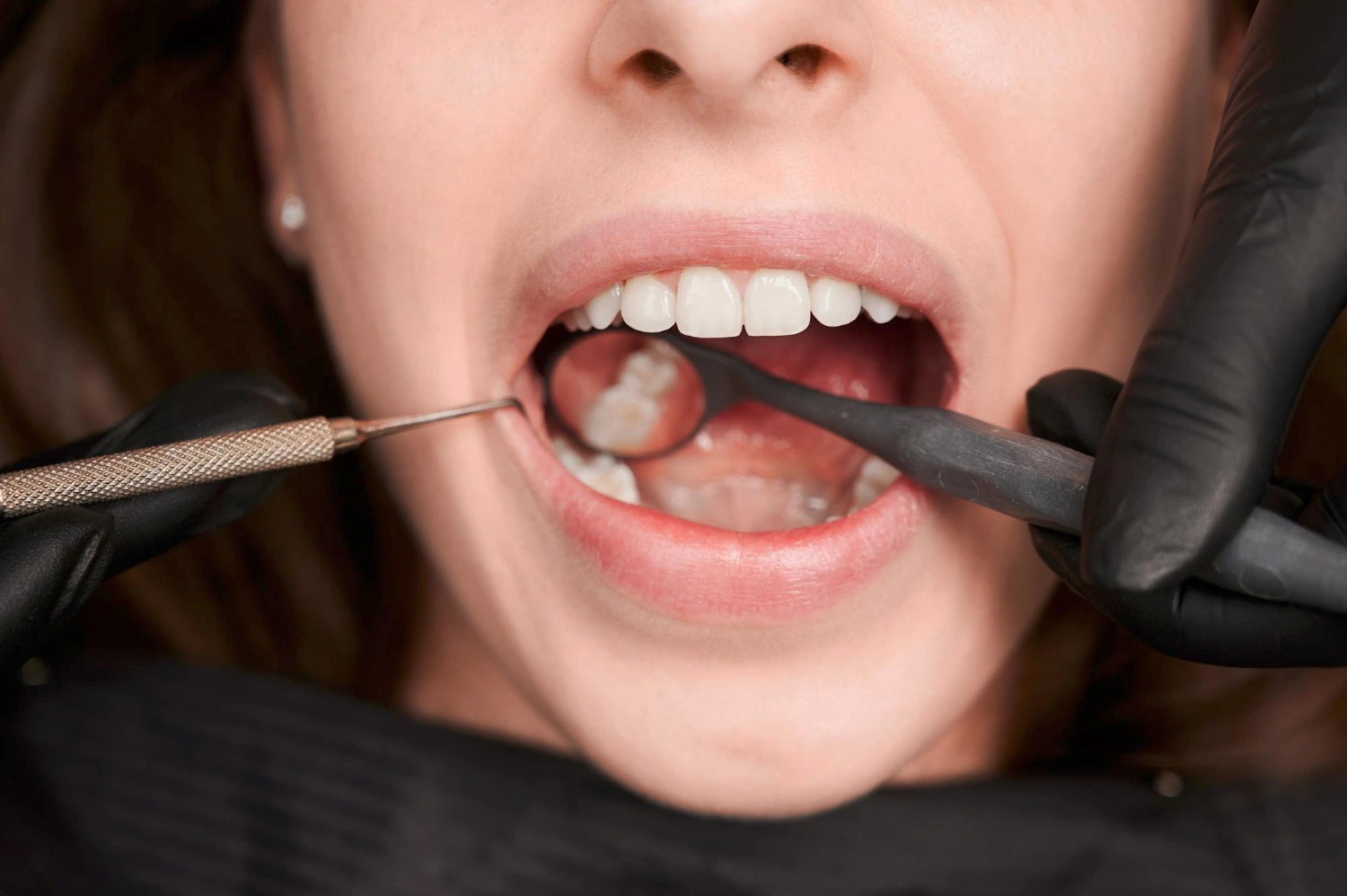
    Your dentist in Reservoir or Coburg uses special instruments and digital x-rays to diagnose calculus deposits that are invisible to the naked eye. Detecting problems early allows for less invasive treatment and a quicker recovery.


    3. Prevention of Dental Subgingival Calculus

    As the saying goes, prevention is better than cure. You can significantly reduce your risk of developing calculus by:

    • Brushing twice daily with fluoride toothpaste
    • Flossing to remove plaque between teeth
    • Eating a balanced diet low in sugar
    • Avoiding smoking, which increases gum disease risk

    Regular cleanings at your Coburg dentist will help keep calculus under control. For added protection, patients may also explore treatments like Teeth Whitening to maintain a clean and bright smile.


    4. Professional Treatment for Dental Subgingival Calculus

    Once calculus has formed, it cannot be removed by home care alone. That’s where professional dental care is essential.

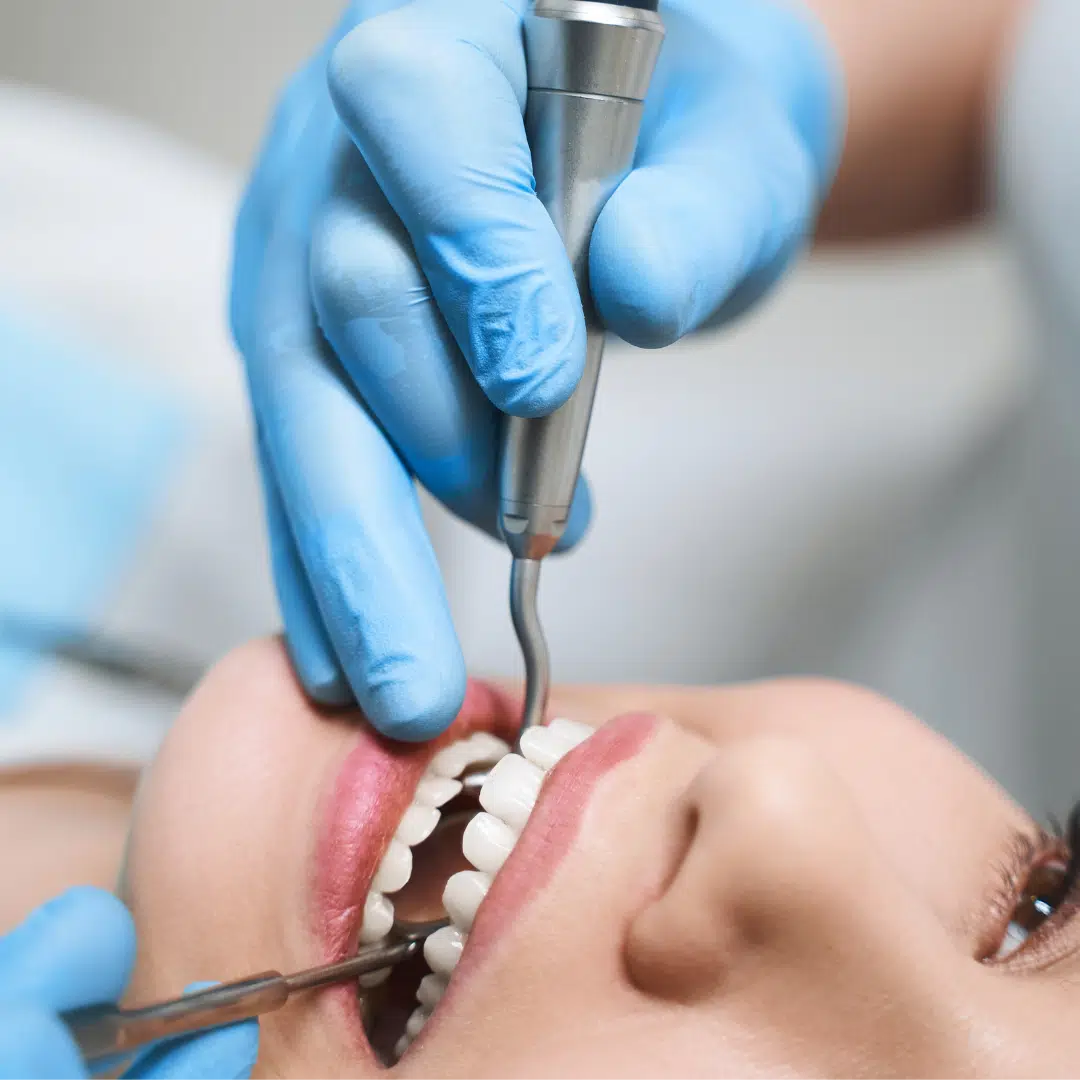
    • Scaling and Root Planing: Your Coburg dentist gently removes calculus from tooth roots and smooths surfaces to prevent further build-up.
    • Advanced Therapies: In more severe cases, treatments such as laser therapy, local antibiotics, or minor surgery may be recommended. These approaches reduce bacteria and promote gum healing.

    At Bright Smile Dental Clinic, our priority is to provide safe and comfortable treatments that restore your oral health.


    5. Regular Check-Ups for Subgingival Calculus Prevention

    Routine visits are not just a formality — they’re your strongest defence against dental subgingival calculus. Scheduling a check-up every six months allows your dentist to catch and remove build-up before it escalates into gum disease.

    During these appointments, we also discuss broader oral health solutions, such as Dental Implants for missing teeth or other cosmetic and restorative options to keep your smile healthy for life.


    Why Choose Bright Smile Dental Clinic in Coburg?

    Dental Subgingival Calculus

    • Experienced dentists in Coburg, Reservoir, Preston, and surrounding suburbs
    • Gentle care with a patient-first approach
    • Modern technology for precise diagnosis and treatment
    • Comprehensive services under one roof – from preventive care to implants and cosmetic dentistry

    For trusted, professional care, contact our team today.


    External Authority Resource

    For more details on gum health and calculus, see the Australian Dental Association – Gum Health.


    Conclusion

    Dental subgingival calculus may be silent, but its impact on oral health is significant. The good news? With proper prevention, regular check-ups, and expert treatment from your Coburg dentist, you can keep your smile healthy and calculus-free.

    At Bright Smile Dental Clinic, our mission is to support you every step of the way — from early diagnosis to advanced care. Book your appointment today and take control of your gum health. With the right care, you can enjoy fresher breath, stronger gums, and long-lasting confidence in your smile.

  • Enhance Your Smile with Porcelain Veneers: Your Coburg Dentist’s Guide

    Enhance Your Smile with Porcelain Veneers: Your Coburg Dentist’s Guide

    Your smile is one of your most valuable assets, and it plays a significant role in your confidence and self-esteem. If you’re looking to improve the appearance of your teeth, porcelain veneers may be the answer. In this comprehensive guide, we will explore what porcelain veneers are, who can benefit from them, and the numerous advantages they offer. Let’s dive into the world of porcelain veneers and discover how a Coburg dentist can help you achieve the smile of your dreams.

    What Are Porcelain Veneers?

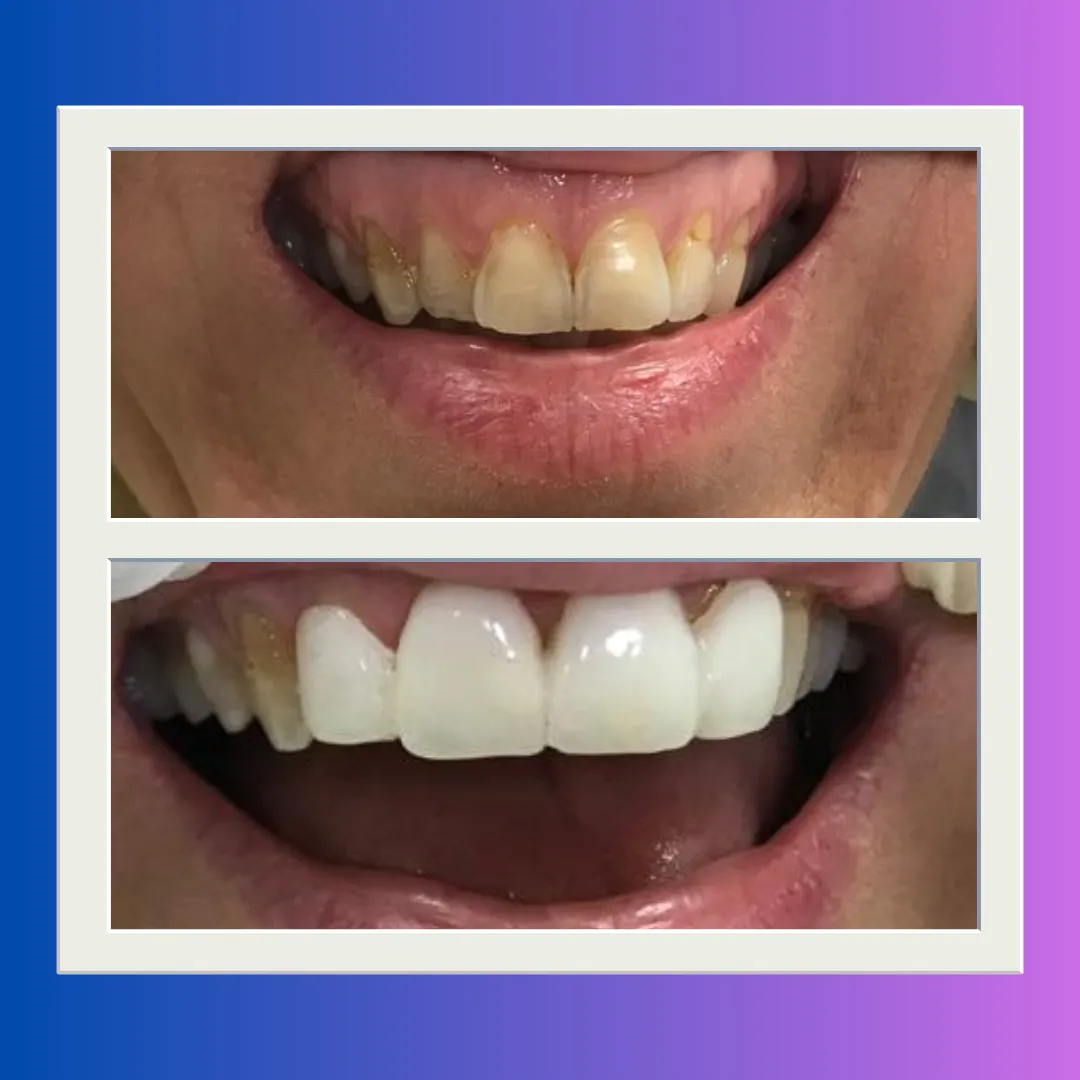
    Porcelain veneers, often referred to as dental veneers or simply veneers, are thin, custom-made shells made of dental-grade porcelain. These shells are meticulously designed to cover the front surfaces of your teeth, transforming their appearance and providing a natural, aesthetically pleasing look. Porcelain is an ideal material for veneers because it closely resembles the translucency and texture of natural teeth.

    The Process of Getting Porcelain Veneers

    Getting porcelain veneers typically involves the following steps:

    1. Consultation: Your journey begins with a consultation with a knowledgeable Coburg dentist who will assess your dental health, discuss your goals, and determine if porcelain veneers are the right solution for you.
    2. Treatment Planning: Once you and your dentist decide to proceed with veneers, a personalised treatment plan is created. This plan considers factors such as the number of veneers needed and the desired shade and shape of your new smile.
    3. Tooth Preparation: To ensure a proper fit, a small amount of enamel is gently removed from the front of the teeth receiving veneers. This step helps the veneers adhere securely and ensures a natural appearance.
    4. Impression and Customisation: Impressions of your teeth are taken and sent to a dental laboratory where skilled technicians craft your custom porcelain veneers to match your specifications.
    5. Placement: Once your veneers are ready, they are carefully bonded to your teeth using dental adhesive. Your dentist ensures that each veneer is perfectly positioned and adjusted to create a harmonious smile.
    6. Final Adjustments: Any necessary final adjustments are made to ensure that your bite is comfortable, and your smile looks stunningly natural.

    Who Needs Porcelain Veneers?

    Porcelain veneers are a versatile cosmetic dentistry solution suitable for various individuals who desire a radiant and flawless smile. Here are some common reasons why people may consider getting porcelain veneers:

    • Discoloured Teeth: Teeth that are severely stained, discoloured, or resistant to traditional teeth whitening methods can benefit from veneers. Porcelain veneers provide a lasting, whiter appearance.
    • Dental Imperfections: Veneers can effectively mask dental imperfections such as chips, cracks, and irregularities in tooth shape and size, providing a symmetrical and attractive smile.
    • Gaps and Spaces: Veneers can be used to close small gaps and spaces between teeth, eliminating the need for orthodontic treatment in some cases.
    • Misalignment: Individuals with mild to moderate misalignment issues who want a straighter appearance without braces can opt for veneers.
    • Wear and Tear: Teeth that have been worn down over time due to grinding or erosion can be restored with veneers, improving both aesthetics and function.

    Benefits of Porcelain Veneers

    Choosing porcelain veneers offers a range of benefits that go beyond just a beautiful smile:

    • Natural Appearance: Porcelain mimics the look and feel of natural teeth, creating a seamless, authentic smile.
    • Stain Resistance: Porcelain veneers are highly resistant to staining, ensuring a long-lasting, white smile.
    • Minimal Tooth Reduction: The minimal enamel removal required for veneer placement helps preserve the majority of your natural tooth structure.
    • Quick Results: Veneers provide a rapid smile transformation in just a few dental visits, saving you time and effort.
    • Durability: With proper care, veneers can last for many years, making them a durable investment in your smile’s future.
    • Boosted Confidence: A stunning smile can significantly boost your self-confidence and enhance your overall quality of life.

    Conclusion

    Porcelain veneers are a remarkable cosmetic dentistry solution that can transform your smile and improve your self-esteem. Whether you’re dealing with teeth discolouration, imperfections, or other dental concerns, porcelain veneers can provide you with the radiant smile you’ve always dreamed of.

    If you’re considering porcelain veneers in Coburg, consult with a skilled Coburg dentist to explore your options and embark on your journey to a brighter, more beautiful smile. Invest in yourself and enjoy the confidence that comes with a stunning set of teeth, courtesy of porcelain veneers.

  • Dentist in Coburg: Direct Composite Veneers to Close Tooth Gaps

    Dentist in Coburg: Direct Composite Veneers to Close Tooth Gaps

    A confident smile is a powerful tool that can open doors and brighten your world. However, for some people, gaps between their teeth can be a source of self-consciousness and discomfort. Thankfully, modern dentistry offers a solution to this common issue: direct composite veneers. In this article, we’ll explore how these veneers can close tooth gaps and transform your smile. your Dentist in Coburg are experts in this field and are ready to help you achieve the smile of your dreams at Bright Smile Dental Clinic.

    Understanding Tooth Gaps

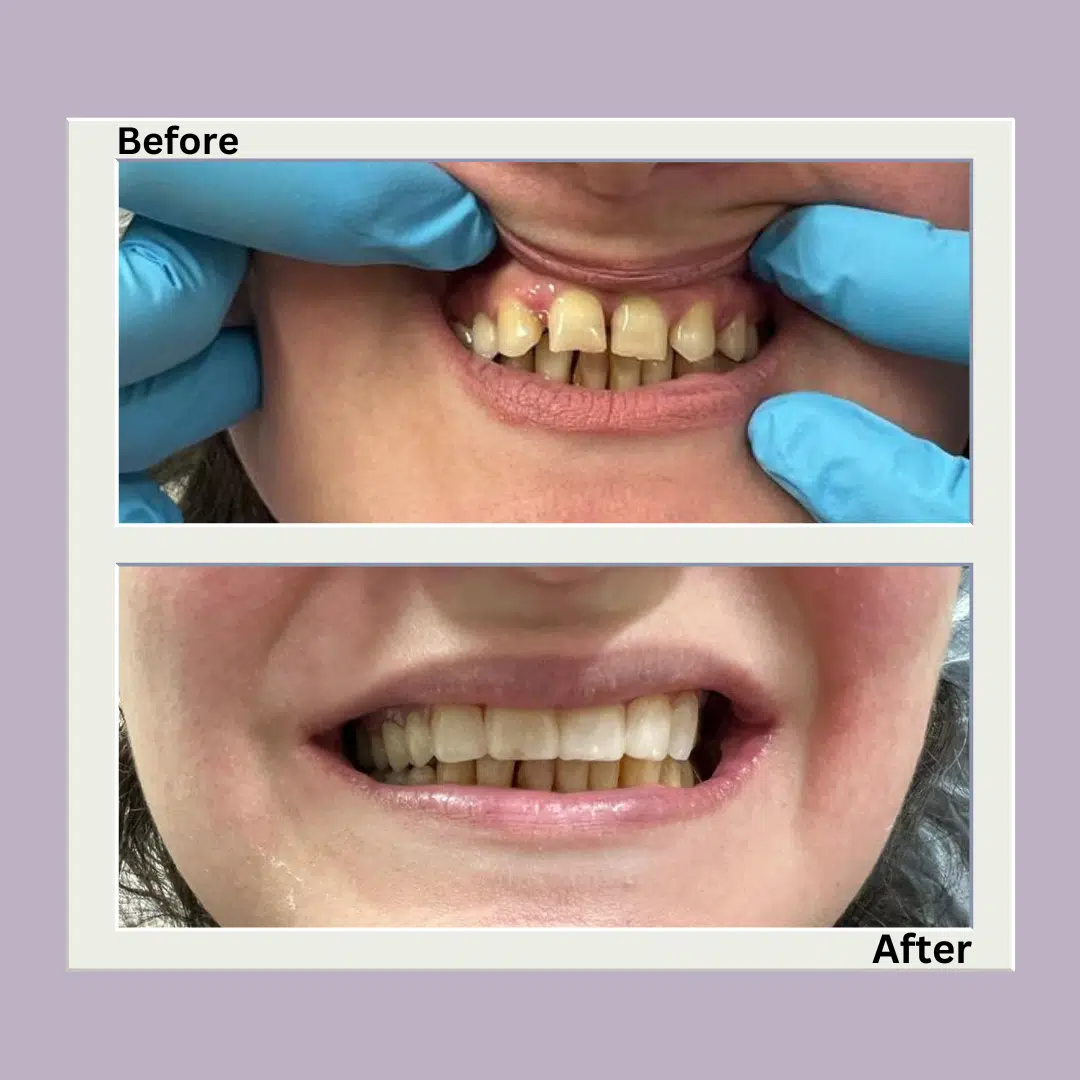
    Tooth gaps, also known as diastema, can occur between any two teeth, but they are most seen between the front teeth. These gaps can be caused by a variety of factors, including genetics, thumb-sucking habits in childhood, gum disease, or simply natural spacing. While some individuals embrace their gaps as unique features, others may feel self-conscious about their appearance.

    Why Choose Direct Composite Veneers?

    Direct composite veneers are a minimally invasive and cost-effective solution for closing tooth gaps and enhancing the aesthetics of your smile. Here’s why they are an excellent choice:

    Non-invasive

    Unlike traditional veneers, direct composite veneers require minimal to no enamel removal, preserving the natural structure of your teeth.

    Quick results

    Direct composite veneers can often be completed in a single visit to the dentist, providing almost instant results.

    Affordable

    These veneers are more budget-friendly compared to other cosmetic dental treatments, making them accessible to a wider range of patients.

    Customisable

    Your Preston dentist can match the colour and shape of the veneers to your natural teeth, ensuring a seamless and natural appearance.

    Meet the Experts: Bright Smile Dental Clinic in Preston

    For residents of Preston, Bright Smile Dental Clinic is your go-to destination for transforming your smile with direct composite veneers. Highly skilled and experienced dentists at Bright Smile Dental Clinic in Coburg have a track record of delivering stunning results.

    At Bright Smile Dental Clinic, your Coburg dentist will begin by conducting a comprehensive assessment of your dental health to ensure that direct composite veneers are the right choice for you. They will discuss your goals and expectations and create a personalised treatment plan to achieve your desired results.

    The Process of Getting Direct Composite Veneers

    Consultation

    During your initial consultation with your dentist in Preston, you’ll discuss your concerns and goals. They will explain the veneer process and answer any questions you may have.

    Tooth Preparation

    Minimal tooth preparation is needed for direct composite veneers, but if necessary, your Coburg dentist will gently roughen the tooth’s surface to ensure a strong bond.

    Bonding

    A tooth-coloured composite will be applied and carefully shaped to close the gap and enhance the appearance of your teeth.

    Sculpting and Shaping

    your dentist in Coburg sculpts and shapes the composite material to achieve the desired look, ensuring it blends seamlessly with your natural teeth.

    Final Polishing

    The veneers will be polished to a natural shine, leaving you with a beautiful, flawless smile.

    Meet the Experts: Dentist in Coburg

    Residents of Coburg can also benefit from the expertise of exceptional dental professionals at Bright Smile Dental Clinic. Your Coburg dentist is known for his commitment to excellence in cosmetic dentistry and their dedication to providing patients with a comfortable and positive experience.

    Preston dentists at Bright Smile Dental Clinic take great pride in helping their patients achieve the smile they’ve always wanted. With direct composite veneers, they can close tooth gaps and transform your smile in a way that feels comfortable and hassle-free.

    The Advantages of Direct Composite Veneers

    Natural Appearance

    Direct composite veneers closely mimic the appearance of natural teeth, providing a beautiful, seamless smile.

    Stain Resistance

    Composite resin used in veneers is resistant to staining, ensuring your smile stays bright and attractive.

    Durability

    With proper care, direct composite veneers can last for several years, making them a long-lasting investment in your smile.

    Minimal Maintenance

    Maintaining your veneers is straightforward, requiring regular oral hygiene practices such as brushing, flossing, and routine dental check-ups.

    Conclusion

    Direct composite veneers are an excellent option for those looking to close tooth gaps and enhance their smiles without invasive procedures. Whether you’re in Preston or Coburg, the expert dentists at Bright Smile Dental Clinic are ready to help you achieve the smile of your dreams. Your Preston dentists are committed to providing you with the best possible care, ensuring your confidence shines through your bright, beautiful smile. Say goodbye to tooth gaps and hello to a brighter, more confident you with direct composite veneers at Bright Smile Dental Clinic.

  • Tooth Extraction Aftercare: Tips for a Speedy Recovery | Best Dentist in Coburg

    Tooth Extraction Aftercare: Tips for a Speedy Recovery | Best Dentist in Coburg

    Tooth extraction is a common dental procedure that involves removing a tooth from its socket in the jawbone and it can be necessary for a variety of reasons, including decay, injury, or overcrowding. While the thought of having a tooth pulled can be daunting, the recovery process can be made more comfortable by following some simple aftercare tips. Here’s what you need to know to help speed up the healing process after a tooth extraction at our dental clinic in Coburg with your dentist in Preston.

    Follow Your Dentist’s Instructions

    The most important thing you can do for a speedy recovery after a tooth extraction is to follow your Preston dentist‘s instructions. They will provide you with specific aftercare instructions based on your individual situation, including how to care for the extraction site, what foods to avoid, and when to take any prescribed medications. It’s important to follow these instructions closely to ensure proper healing and avoid any complications. If you have any questions or concerns, don’t hesitate to contact your Preston dentist for guidance.

    Manage Pain and Swelling

    Pain and swelling are common after a tooth extraction, but there are steps you can take to manage them. Your dentist may prescribe pain medication or recommend over-the-counter pain relievers like ibuprofen. Applying an ice pack to the affected area for 10-20 minutes at a time can also help reduce swelling. It’s important to avoid smoking, drinking through a straw, and spitting, as these actions can dislodge the blood clot and delay healing. Stick to soft foods and avoid hot or spicy foods for the first few days after the extraction.

    Avoid Certain Foods and Drinks

    After a tooth extraction, it’s important to avoid certain foods and drinks that can irritate the extraction site or delay healing. Avoid hot or spicy foods, as well as crunchy or hard foods that can get stuck in the extraction site. Stick to soft foods like mashed potatoes, yogurt, and soup for the first few days. It’s also important to avoid alcohol and carbonated drinks, as they can cause dry socket, a painful condition that occurs when the blood clot is dislodged from the extraction site. Stick to water and other non-alcoholic, non-carbonated beverages for the first few days after the extraction.

    Keep the Extraction Site Clean

    Keeping the extraction site clean is crucial for a speedy recovery after a tooth extraction. Gently rinse your mouth with warm salt water several times a day, starting the day after the extraction. This will help to reduce swelling and prevent infection. Avoid using mouthwash or brushing the extraction site for the first 24 hours after the extraction, but after that, you can gently brush the area with a soft-bristled toothbrush. Be careful not to brush too hard or disturb the blood clot that forms in the extraction site.

    Rest and Take It Easy

    After a tooth extraction, it’s important to rest and take it easy for the first few days. Avoid any strenuous activity or exercise that could increase blood pressure and cause bleeding at the extraction site. You should also avoid smoking and drinking alcohol, as these can slow down the healing process. Instead, focus on getting plenty of rest and staying hydrated by drinking lots of water and other fluids. If you experience any severe pain or swelling, contact your Reservoir dentist or oral surgeon for further advice.

    If you’re in the northern suburbs of Melbourne, including Preston, Reservoir, or Coburg, and need a tooth extraction, your Coburg dentist at Bright Smile Dental Clinic in Preston will provide you with the best dental treatments. It’s important to choose a reputable and experienced dentist who can provide you with the care and guidance you need for a successful recovery. With the right aftercare, you can speed up the healing process and get back to your normal activities in no time.

  • Dental Filling With Dentist in Preston

    Dental Filling With Dentist in Preston

    Everything You Need to Know About Tooth Fillings

    If you have a cavity or tooth decay, your dentist in Preston may recommend  dental filling to restore the tooth’s structure and prevent further damage. There are several types of fillings available, each with their own advantages and disadvantages.

    What are tooth fillings and why are they necessary?

    Tooth fillings are materials used to restore a tooth’s structure that has been damaged by decay or cavities. They are necessary to prevent further damage to the tooth and to restore its function. Without a filling, the decay can spread and cause more serious problems, such as infection or tooth loss. Fillings can also be used to repair teeth that have been chipped or broken due to injury or wear and tear.

    The filling material used in the restoration process can be made of various materials such as amalgam, composite resin, gold, porcelain, or a combination of materials. The choice of filling material depends on factors such as the size and location of the cavity, cost, and the patient’s preferences.

    During the filling process, the decayed or damaged part of the tooth is removed, and the remaining tooth structure is cleaned and prepared for the filling material. The filling material is then placed in layers and hardened using a special light or chemical reaction, and finally, the surface is polished to match the natural tooth surface.

    Routine dental checkups and good oral hygiene practices such as brushing and flossing can help prevent the need for fillings. However, if you experience toothache, sensitivity to hot or cold, or notice a hole or crack in your tooth, it’s essential to see Your dentist in Preston as soon as possible to avoid further damage and potential tooth loss.

     Types of tooth fillings

    There are several types of tooth fillings available: amalgam, composite, ceramic, and gold. Each with their own advantages and disadvantages. Amalgam fillings are made of a mixture of metals and are durable but can be noticeable in the mouth.

    Composite fillings

    They are made of a tooth-coloured resin and blend in with the natural tooth but may not be as durable as amalgam. Composite fillings, also called white fillings, are made of a tooth-coloured resin that is bonded to the tooth. They blend in with the natural tooth, making them an aesthetically pleasing option. They are also versatile and can be used to repair teeth with a variety of sizes and shapes. However, they may not be as durable as amalgam fillings and can wear down over time.

    Amalgam fillings

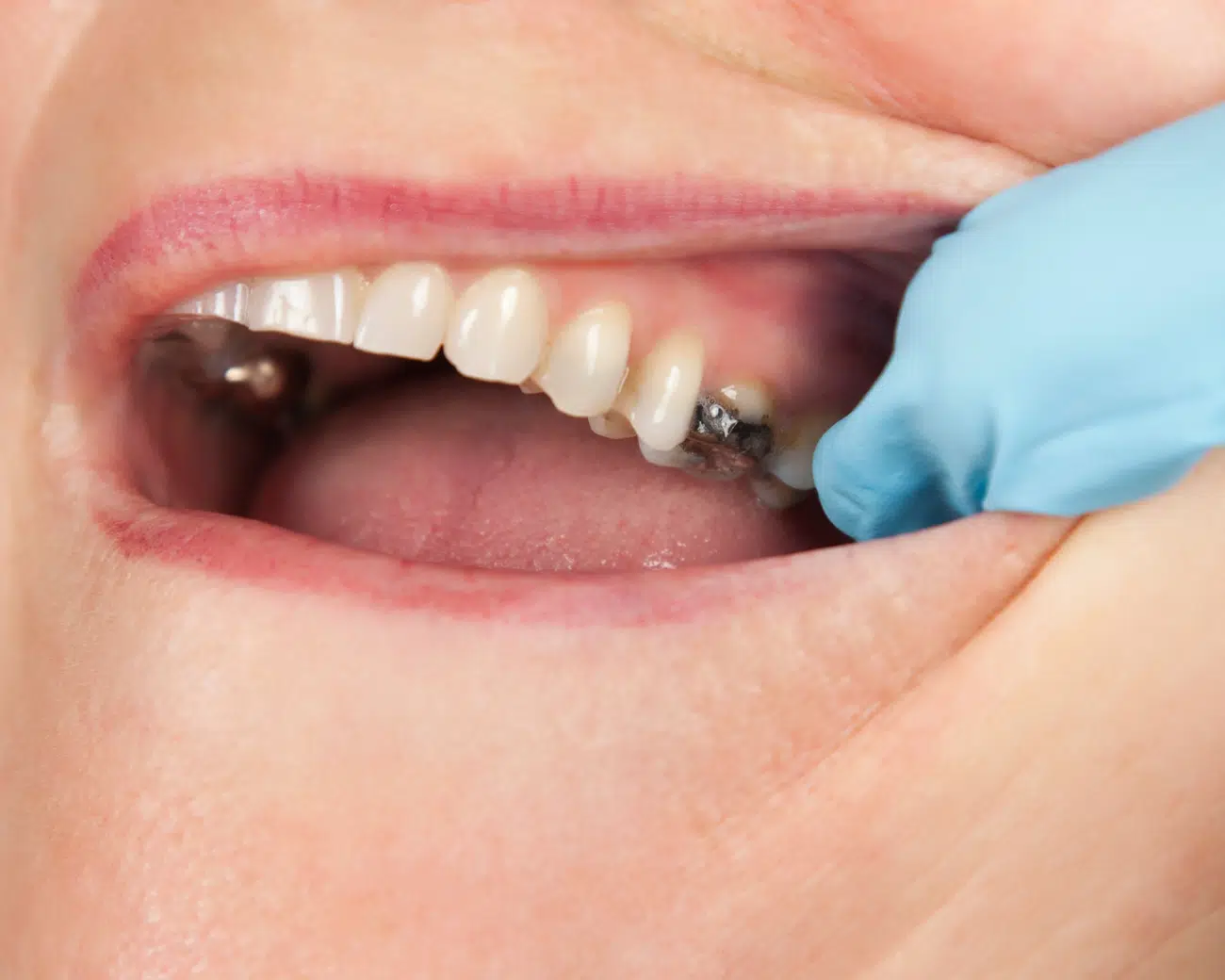
    They are also known as silver fillings, are made of a mixture of metals, including silver, tin, copper, and mercury. They have been used for over a century and are known for their durability and strength. They are also less expensive than other types of fillings, making them a popular choice. However, they can be noticeable in the mouth due to their dark colour and may contain mercury, which has raised concerns about safety.

    Ceramic fillings

    They are also tooth-coloured and are more durable than composite but can be more expensive. Ceramic fillings, also known as porcelain fillings, are tooth-coloured and made of a durable, ceramic material. They are strong and long-lasting and can be custom-made to match the exact colour of the tooth. However, they can be more expensive than other types of fillings, and the process of making them may take longer.

    Gold fillings

    are the most durable and long-lasting but are also the most expensive and noticeable. Gold fillings are the most durable and long-lasting type of filling. They can last up to 20 years or more and are less likely to wear down or break than other types of fillings. They are also biocompatible, meaning they are less likely to cause an allergic reaction. However, they are the most expensive and noticeable type of filling and may not be suitable for front teeth. Your dentist in Coburg can help you decide which type of filling is best for your specific needs.

    Choosing the right type of filling depends on several factors, including the size and location of the cavity, the cost, and the patient’s preferences. Your dentist in Coburg can help you decide which type of filling is best for your specific needs. It’s also important to maintain good oral hygiene practices, including brushing and flossing regularly, to prevent the need for fillings in the first place.

    Tooth fillings are an essential component of dental care that are used to repair damaged or decayed teeth. Your Preston dentist in the Northern suburbs of Melbourne like Northcote, Brunswick, Reservoir & Coburg, provides you with the best dental consult to reach best tooth filling results in an affordable cost. Don’t hesitate to call your dentist in Preston today or simply book an online appointment.