Tag: tooth extraction

  • After Molar Extraction Care: Swift Recovery with your dentist in Preston

    After Molar Extraction Care: Swift Recovery with your dentist in Preston

    A Gentle Approach to Dental Care with your dentist in Preston

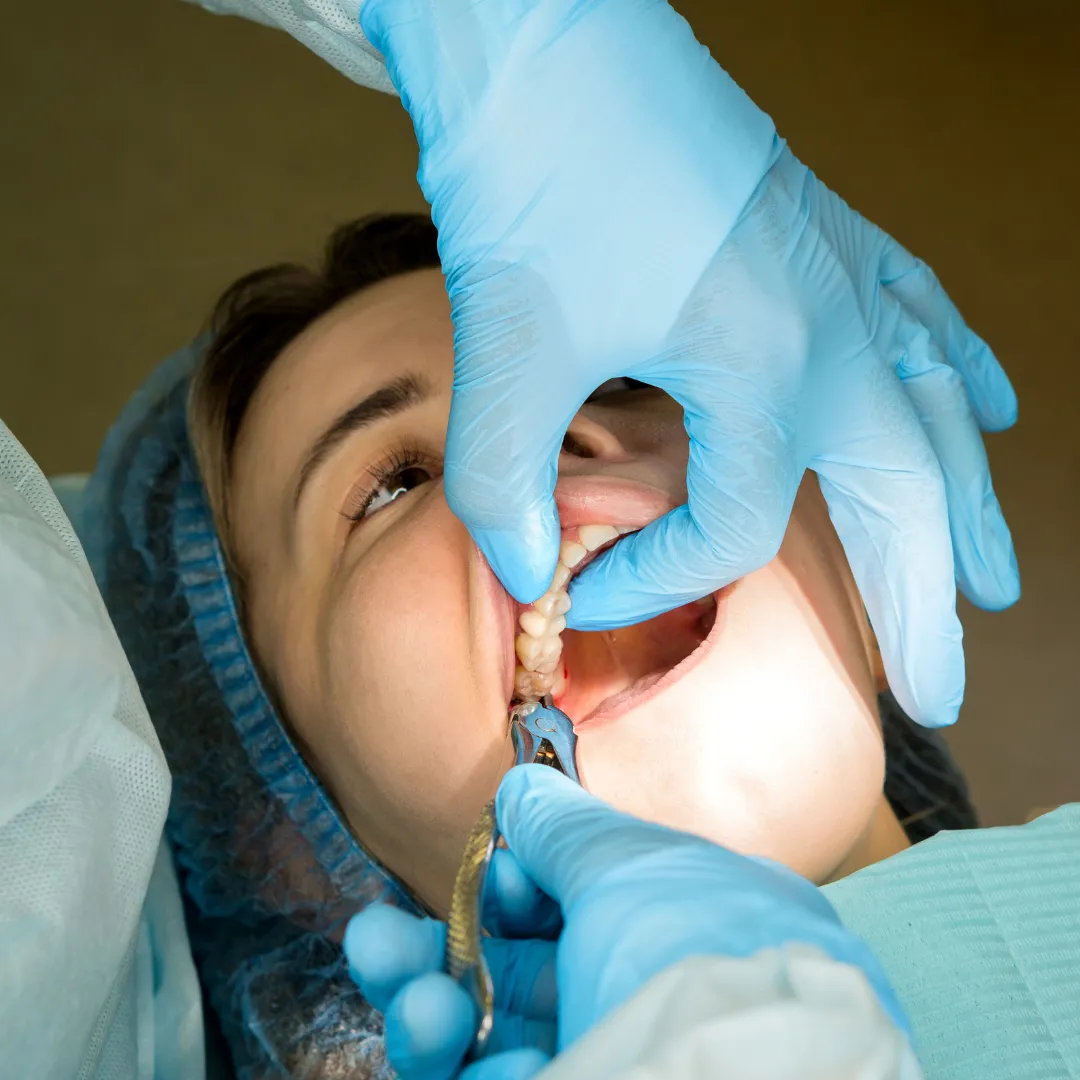
    If you’ve just had a molar extraction at your dental clinic in Preston or perhaps visited your dentist in Coburg, you’re likely focused on one thing: a speedy and smooth recovery. Molar extractions, while common, require meticulous aftercare to ensure healing proceeds without a hitch. So, let’s dive into the best practices for post-extraction care.

    The Immediate Aftermath: First Steps Post-Extraction

    The first 24 hours after your procedure are crucial. Your dentist in Preston will have provided you with a set of do’s and don’ts—follow these religiously. Use the gauze pad placed over the wound to control bleeding, and rest sufficiently with your head propped up to reduce swelling. If prescribed, take your medications to manage pain and inflammation, and consider applying ice packs to the cheek in intervals of 10 minutes.

    Remember:

    • Do Not Smoke: Smoking can significantly impede the healing process.
    • Skip the Straw: Drinking from a straw can dislodge the blood clot forming in the socket, leading to a painful condition known as dry socket.
    • Avoid Rinsing or Spitting: Any vigorous mouth movement can disturb the extraction site and should be avoided entirely in the initial healing phase.

    Nourishment and Oral Hygiene: The Path to Recovery

    After the first day, you can gently rinse your mouth with a saline solution—half a teaspoon of salt in 8 ounces of warm water will do. This can help with keeping the area clean and reducing the chances of infection. Nutrition-wise, stick to soft foods like soups, puddings, yogurts, and applesauce. They are gentle on the mouth and still provide the necessary nutrients for recovery.

    As for oral hygiene, while you should avoid the area near the extraction site initially, continue brushing and flossing your other teeth. Good oral hygiene is key to preventing infection.

    Follow-Up Care: Ensuring a Smooth Recovery

    Typically, the wound left by a molar extraction will take about two weeks to heal, with the bone healing over the course of the next few months. During this time, it’s essential to monitor the site for any signs of complications, such as persistent pain, swelling, or fever, which could indicate infection.

    It’s also important to continue with regular dental check-ups at your dental clinic in Preston or with your dentist in Coburg. These professionals are not just there for emergencies; they are your partners in maintaining your overall oral health.

    A closing note from your dental clinic in Preston

    At Bright Smile Dental Clinic, the best dental clinic in Preston, your dentist Coburg is dedicated to ensuring that your dental care doesn’t end when you leave the chair. Our team of experienced dentists in Preston is always on hand to provide advice and support during your recovery. Remember, a successful recovery is a team effort between you and your dental care providers. We are here to help you every step of the way.

    Should you have any concerns or questions about your recovery, don’t hesitate to contact us at Bright Smile Dental Clinic. We’re here to ensure your smile stays bright and healthy long after your visit to your dentist in Preston.
  • What is tooth extraction

    What is tooth extraction

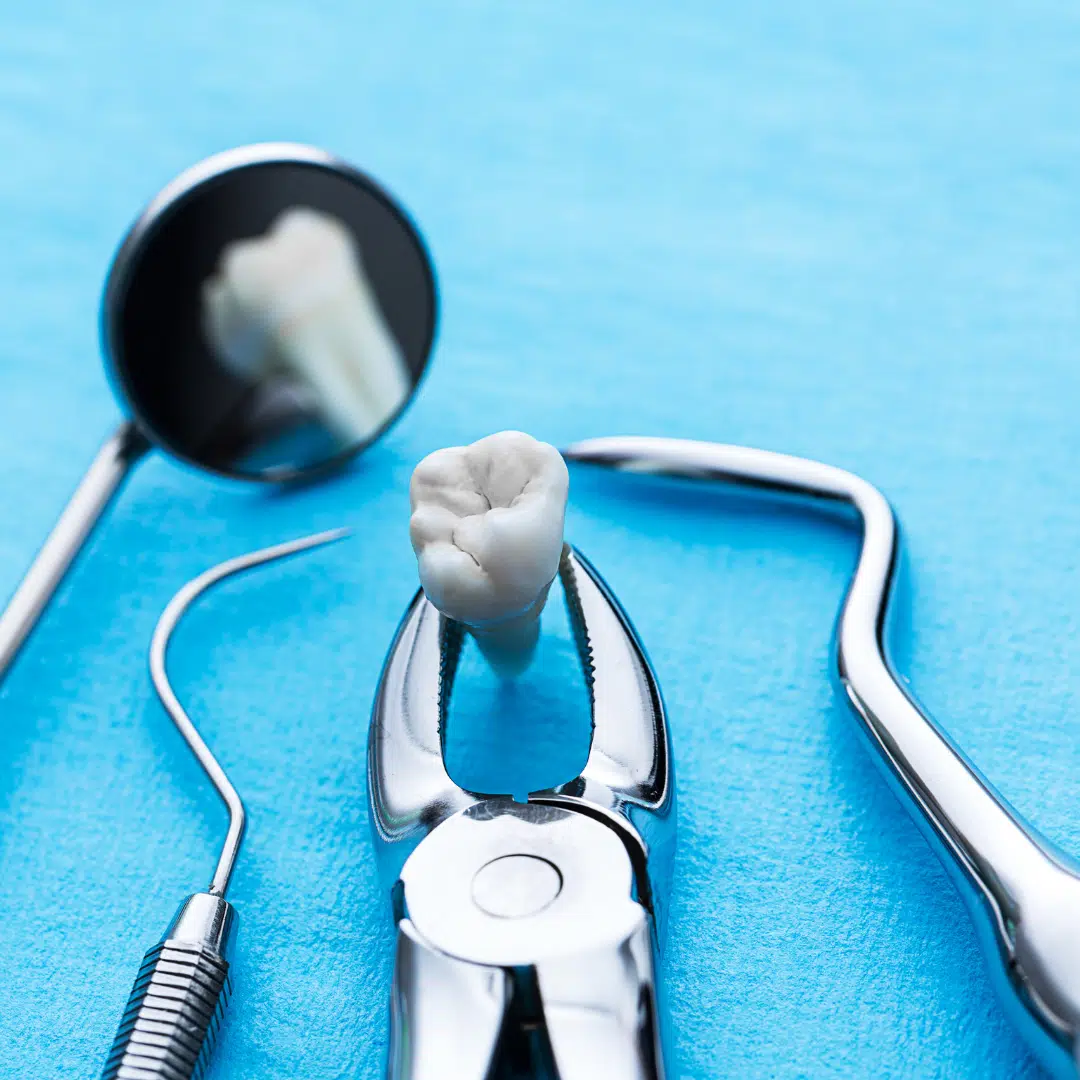
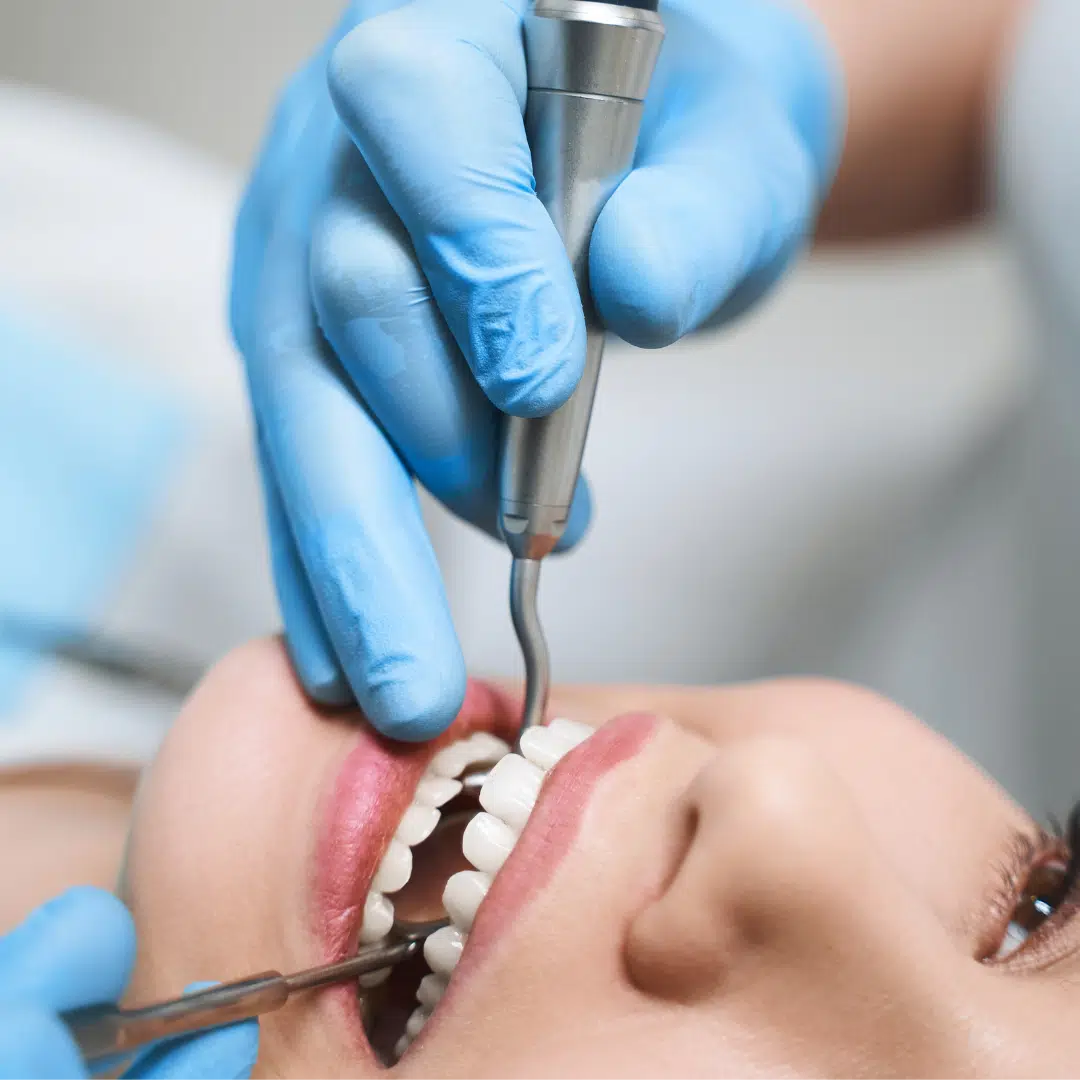
    Tooth extraction is a dental procedure that involves removing a tooth from its socket. This may be necessary for a variety of reasons, including severe decay, infection, or overcrowding. If you’re scheduled for a tooth extraction, it is important to understand what to expect during the procedure and how to care for your mouth afterward as your Preston dentist instruct you.

    Reasons for tooth extraction

    There are various reasons why a person would get a tooth extraction. According to web search results, some of the common reasons are:

    Severe tooth decay, infection, or damage that cannot be repaired.

    Gum disease that affects the tissues and bones that support the tooth.

    Crowding of teeth prevents proper alignment or interferes with orthodontic treatment.

    Impacted wisdom teeth that do not have enough space to grow or cause problems for other teeth.

    Medical conditions that require removal of compromised teeth, such as chemotherapy or organ transplant.

    If you have any of these conditions, you should consult your Preston dentist at Bright Smile Dental Clinic for advice on whether you need a tooth extraction.

    The tooth extraction process

    The tooth extraction process depends on whether your tooth is visible or impacted and the process is as follows:

    For a visible tooth, your Coburg dentist will give you a local anesthetic to numb the area around your tooth. They will then use an instrument called an elevator to loosen the tooth and forceps to remove it.

    For an impacted tooth, your Coburg dentist or oral surgeon will make a small cut in your gum and remove any bone that covers the tooth. They may also need to cut the tooth into pieces before removing it.

    After the tooth extraction, your dentist in Preston will clean the socket and apply gauze to stop the bleeding. You may also need stitches to close the wound. You will be given painkillers and instructions on how to care for your mouth during recovery.

     Possible complications and risks

    Tooth extraction is a surgical procedure that carries a small risk of complications. Some of the possible complications and risks are:

    Bleeding:

    It is normal to have some bleeding after the extraction, but excessive or prolonged bleeding may indicate a problem with blood clotting or wound healing.

    Infection:

    There is a risk of infection in the socket or surrounding tissues, especially if you have a weakened immune system or pre-existing dental conditions. Signs of infection include fever, pus, swelling, and foul smell.

    Dry socket:

    This is a painful condition that occurs when the blood clot in the socket is dislodged or dissolved, exposing the bone and nerves. Dry sockets can delay healing and increase the risk of infection.

    Nerve injury:

    This is a rare but serious complication that can cause numbness, tingling, or pain in the lower lip, chin, tongue, or teeth. Nerve injury can be temporary or permanent, depending on the severity and location of the damage.

    Perforation of maxillary sinus:

    This is another rare but serious complication that can occur when an upper molar tooth is extracted, and the sinus membrane is torn. This can cause sinus infection, bleeding, or communication between the mouth and the sinus.

    Delayed healing:

    Some factors can slow down the healing process, such as smoking, poor oral hygiene, diabetes, or other medical conditions. Delayed healing can increase the risk of other complications and prolong discomfort.

    Generally, tooth extraction is a safe and routine procedure, there are some potential complications and risks to be aware of. These can include bleeding, infection, nerve damage, and damage to surrounding teeth or structures. Your Preston dentist will discuss these risks with you before the procedure and take steps to minimise them.

    It’s important to follow all post-operative instructions and contact your Coburg dentist at Bright Smile Dental Clinic if you experience any unusual symptoms or complications.

  • Tooth Extraction Aftercare: Tips for a Speedy Recovery | Best Dentist in Coburg

    Tooth Extraction Aftercare: Tips for a Speedy Recovery | Best Dentist in Coburg

    Tooth extraction is a common dental procedure that involves removing a tooth from its socket in the jawbone and it can be necessary for a variety of reasons, including decay, injury, or overcrowding. While the thought of having a tooth pulled can be daunting, the recovery process can be made more comfortable by following some simple aftercare tips. Here’s what you need to know to help speed up the healing process after a tooth extraction at our dental clinic in Coburg with your dentist in Preston.

    Follow Your Dentist’s Instructions

    The most important thing you can do for a speedy recovery after a tooth extraction is to follow your Preston dentist‘s instructions. They will provide you with specific aftercare instructions based on your individual situation, including how to care for the extraction site, what foods to avoid, and when to take any prescribed medications. It’s important to follow these instructions closely to ensure proper healing and avoid any complications. If you have any questions or concerns, don’t hesitate to contact your Preston dentist for guidance.

    Manage Pain and Swelling

    Pain and swelling are common after a tooth extraction, but there are steps you can take to manage them. Your dentist may prescribe pain medication or recommend over-the-counter pain relievers like ibuprofen. Applying an ice pack to the affected area for 10-20 minutes at a time can also help reduce swelling. It’s important to avoid smoking, drinking through a straw, and spitting, as these actions can dislodge the blood clot and delay healing. Stick to soft foods and avoid hot or spicy foods for the first few days after the extraction.

    Avoid Certain Foods and Drinks

    After a tooth extraction, it’s important to avoid certain foods and drinks that can irritate the extraction site or delay healing. Avoid hot or spicy foods, as well as crunchy or hard foods that can get stuck in the extraction site. Stick to soft foods like mashed potatoes, yogurt, and soup for the first few days. It’s also important to avoid alcohol and carbonated drinks, as they can cause dry socket, a painful condition that occurs when the blood clot is dislodged from the extraction site. Stick to water and other non-alcoholic, non-carbonated beverages for the first few days after the extraction.

    Keep the Extraction Site Clean

    Keeping the extraction site clean is crucial for a speedy recovery after a tooth extraction. Gently rinse your mouth with warm salt water several times a day, starting the day after the extraction. This will help to reduce swelling and prevent infection. Avoid using mouthwash or brushing the extraction site for the first 24 hours after the extraction, but after that, you can gently brush the area with a soft-bristled toothbrush. Be careful not to brush too hard or disturb the blood clot that forms in the extraction site.

    Rest and Take It Easy

    After a tooth extraction, it’s important to rest and take it easy for the first few days. Avoid any strenuous activity or exercise that could increase blood pressure and cause bleeding at the extraction site. You should also avoid smoking and drinking alcohol, as these can slow down the healing process. Instead, focus on getting plenty of rest and staying hydrated by drinking lots of water and other fluids. If you experience any severe pain or swelling, contact your Reservoir dentist or oral surgeon for further advice.

    If you’re in the northern suburbs of Melbourne, including Preston, Reservoir, or Coburg, and need a tooth extraction, your Coburg dentist at Bright Smile Dental Clinic in Preston will provide you with the best dental treatments. It’s important to choose a reputable and experienced dentist who can provide you with the care and guidance you need for a successful recovery. With the right aftercare, you can speed up the healing process and get back to your normal activities in no time.