Tag: Preston dentist

  • How to Handle Dental Emergencies with Preston dentist

    How to Handle Dental Emergencies with Preston dentist

    Dental emergencies can happen unexpectedly, causing significant pain, discomfort, and anxiety. Whether it’s a severe toothache, a knocked-out tooth, or a broken dental appliance, knowing how to respond quickly and appropriately can make all the difference in saving your smile. In this guide, we’ll provide step-by-step advice on how to handle the most common dental emergencies. If you’re in Preston and in need of urgent dental care, Bright Smile Dental Clinic is here to assist. Let’s walk through how you can manage these situations effectively before reaching your trusted Preston dentist.

    Severe Toothache

    A toothache is one of the most common dental emergencies, and it can stem from various causes such as tooth decay, an infection, or a cracked tooth. The pain can be unbearable, affecting your daily routine, sleep, and appetite.

    Steps to Take:

    • Rinse your mouth: Start by rinsing your mouth with warm water to clean the area and remove any debris that could worsen the pain.
    • Floss gently: Sometimes food particles stuck between teeth can irritate the gums and cause discomfort. Gently floss around the tooth to remove any trapped food.
    • Over-the-counter pain relief: Use pain relievers such as ibuprofen or paracetamol to ease the discomfort. However, avoid placing aspirin directly on the affected area, as it can burn the gum tissue.
    • Cold compress: Apply a cold compress to the outside of your cheek if there is swelling. This can help reduce inflammation and numb the pain.
    • Visit your Preston dentist: A severe toothache often indicates an underlying issue that needs professional attention. Contact Bright Smile Dental Clinic to schedule an emergency appointment.

    What to Avoid:

    • Avoid chewing on the affected side until you can see your Preston dentist.
    • Don’t apply heat directly to the area, as it can worsen certain conditions like an abscess.

    Knocked-Out Tooth

    A knocked-out tooth can be a frightening experience, but quick action can increase the chances of saving the tooth. The critical time window is usually within 30 minutes of the accident.

    Steps to Take:

    • Retrieve the tooth: Handle the tooth by the crown (the chewing surface), not the root. Avoid touching the root as it can damage the cells needed for reattachment.
    • Rinse the tooth: Gently rinse the tooth with water to remove dirt, but don’t scrub it or use soap.
    • Reinsert the tooth: If possible, try to place the tooth back in its socket, ensuring it is facing the correct direction. Hold it in place by biting down gently on a clean cloth or gauze.
    • Keep the tooth moist: If you can’t reinsert it, keep the tooth moist by placing it in milk or a saline solution. If neither is available, you can place it between your cheek and gums.
    • Seek immediate dental care: Contact Bright Smile Dental Clinic for emergency assistance. Quick action is vital in saving the tooth.

    What to Avoid:

    • Don’t let the tooth dry out.
    • Don’t store the tooth in water for a prolonged period, as this can damage the cells on the root.

    Chipped or Broken Tooth

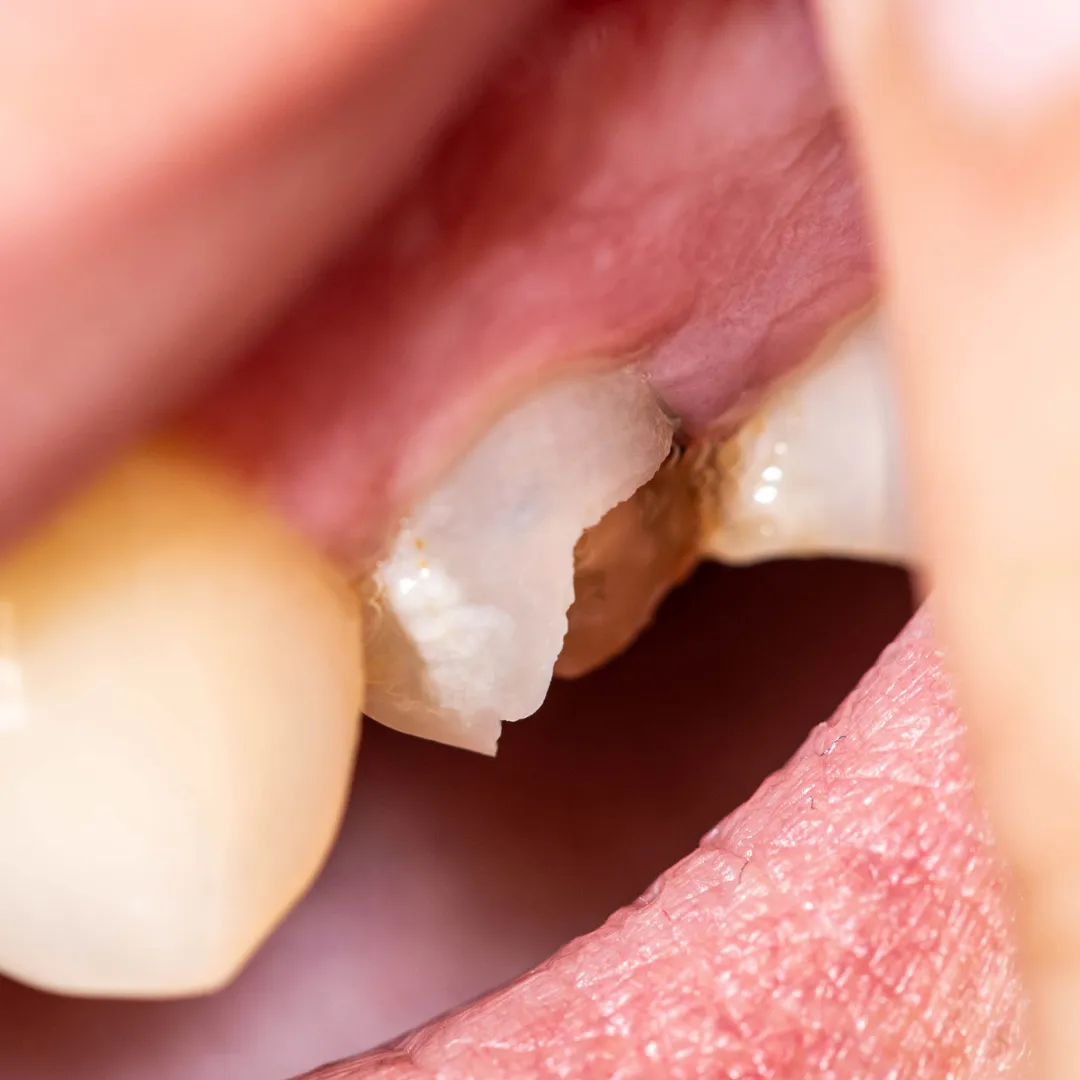
    A chipped or broken tooth can result from accidents, sports injuries, or biting down on something hard. Depending on the severity, the damage may affect the tooth’s appearance, function, and structure.

    Steps to Take:

    • Rinse your mouth: Clean the area with warm water to reduce the risk of infection.
    • Preserve the tooth fragment: If a piece of your tooth has broken off, try to save it and bring it with you to your dental Preston appointment. Place it in milk or wrap it in damp gauze.
    • Cold compress: Apply a cold compress to the outside of the cheek or lips near the broken tooth to reduce swelling.
    • Temporary fix: If the broken tooth has sharp edges, cover them with sugarless chewing gum or dental wax to prevent it from cutting your mouth.
    • Contact your dentist in Preston: Schedule an emergency visit to Bright Smile Dental Clinic. Depending on the extent of the damage, treatments such as bonding, veneers, or crowns may be needed.

    What to Avoid:

    • Avoid biting down on hard foods until the tooth is fixed.
    • Don’t attempt to file or smooth the tooth yourself.

    Lost Filling or Crown

    Losing a filling or crown can expose the underlying tooth, causing discomfort and leaving it vulnerable to further damage or infection. Fortunately, there are temporary measures you can take until you can visit a Preston dentist.

    Steps to Take:

    • Save the crown: If the crown has fallen out, keep it safe and bring it with you to the dentist.
    • Temporary dental cement: You can use over-the-counter dental cement or denture adhesive to temporarily reattach the crown or fill the hole left by the lost filling.
    • Avoid sticky or hard foods: Stick to soft foods and avoid chewing on the affected side.
    • See a dentist: Contact Bright Smile Dental Clinic for a professional solution. The dentist will determine whether the filling or crown can be repaired or if a new one is needed.

    What to Avoid:

    Avoid using glue or any household adhesives to reattach the crown.

    Abscessed Tooth

    An abscess is a serious infection at the root of a tooth or between the gum and tooth. It can cause severe pain, swelling, and sensitivity to temperature. Left untreated, the infection can spread to other parts of the body, leading to more severe health complications.

    Steps to Take:

    • Rinse with saltwater: A saltwater rinse can help clean the affected area and temporarily relieve pain. Mix half a teaspoon of salt in a glass of warm water and rinse your mouth several times a day.
    • Pain management: Take over-the-counter pain relievers to manage the discomfort.
    • Cold compress: Use a cold compress to help reduce any swelling around the infected area.
    • Seek immediate treatment: An abscess is a dental emergency that requires prompt attention from your dentist in Preston. Bright Smile Dental Clinic offers emergency services to address abscesses before they lead to more serious complications.

    What to Avoid:

    Don’t ignore an abscess, as the infection can spread quickly.

    Broken or Dislodged Braces and Wires

    For those with braces, broken wires or brackets can cause discomfort and even injury if they poke the inside of your mouth.

    Steps to Take:

    • Cover the wire: If a wire is sticking out and irritating your cheek or gums, use orthodontic wax to cover the sharp end.
    • Temporary adjustments: If the wire is extremely bothersome, you can use a clean pair of nail clippers to cut the wire, but only as a last resort.
    • See an orthodontist: Schedule an appointment with your dental Preston orthodontist to repair the damage as soon as possible.

    What to Avoid:

    Avoid attempting to bend the wire back into place without professional guidance.

    When to Visit Bright Smile Dental Clinic for Emergency Care

    In any dental emergency, time is critical. If you experience any of the conditions outlined in this guide, don’t hesitate to contact Bright Smile Dental Clinic for immediate help. We provide top-notch care to restore your oral health and relieve discomfort.

    Our team of skilled dentists in Preston is dedicated to offering compassionate, professional care when you need it most. Whether it’s a toothache, a knocked-out tooth, or a lost filling, Bright Smile Dental Clinic is here to provide the best solutions to keep your smile healthy and bright.

    If you’re in Preston and are facing a dental emergency, don’t delay—call us now to schedule your emergency appointment!
  • How to Prevent the Need for a Root Canal Preston

    How to Prevent the Need for a Root Canal Preston

    Root canals, while essential in certain situations, can often be avoided with proper care and attention to your oral hygiene. If you’re seeking ways to maintain a healthy smile and prevent the need for a root canal in Preston, this guide is for you. We’ll explore effective strategies and tips to keep your teeth healthy and strong.

    Understanding Root Canals

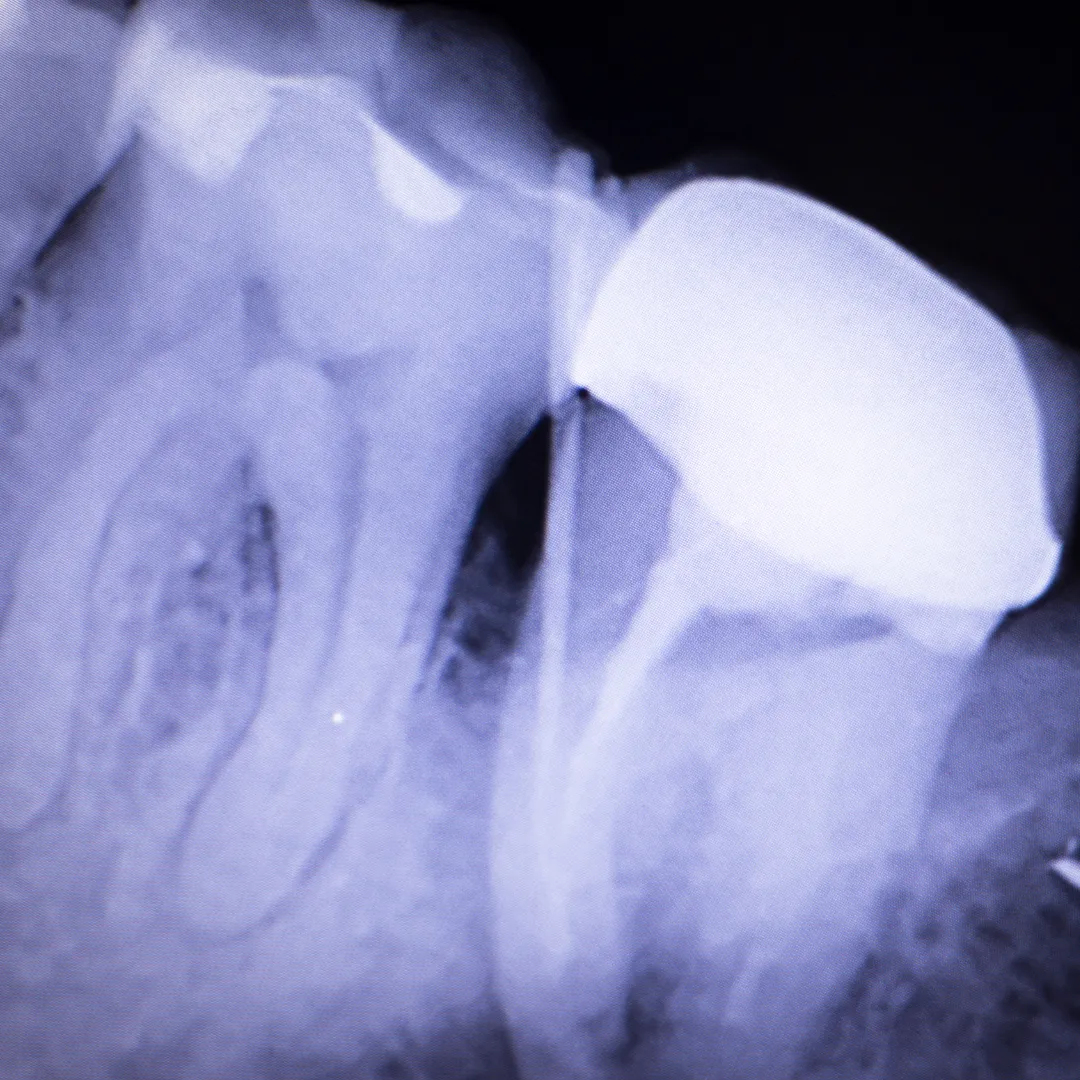
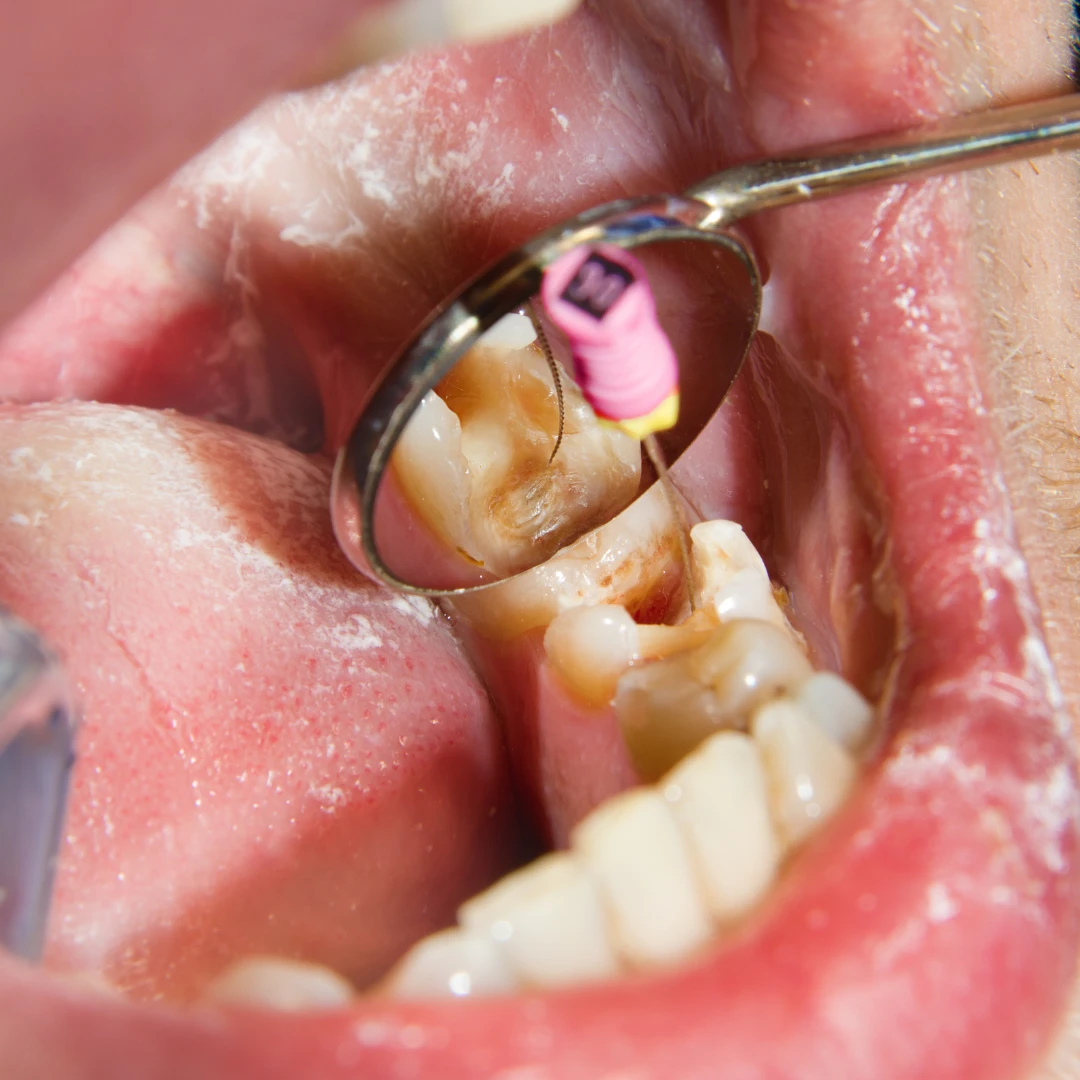
    Before diving into prevention, it’s important to understand what a root canal is and why it might be necessary. A root canal is a dental procedure designed to treat infected or damaged tooth pulp. The pulp, located in the center of your tooth, contains nerves and blood vessels. When it becomes infected due to decay, cracks, or trauma, a root canal is often required to save the tooth and alleviate pain.

    The Importance of Oral Hygiene

    The cornerstone of preventing the need for a root canal in Preston is maintaining excellent oral hygiene. Here are some fundamental practices to incorporate into your daily routine:

    • Brushing: Brush your teeth at least twice a day using fluoride toothpaste. Ensure you cover all surfaces of your teeth, including the front, back, and chewing surfaces. Use a toothbrush with soft bristles to avoid damaging your gums.
    • Flossing: Floss daily to remove plaque and food particles from between your teeth and under the gumline. This helps prevent cavities and gum disease, which can lead to tooth infections.
    • Mouthwash: Use an antibacterial mouthwash to reduce plaque and bacteria in your mouth. This can help prevent infections and keep your breath fresh.

    Regular Dental Check-Ups

    Visiting your Preston dentist regularly is crucial for preventing root canals. At Bright Smile Dental Clinic, we recommend scheduling check-ups every six months. During these visits, our dental professionals will:

    • Conduct Thorough Examinations: We check for signs of decay, cracks, or other issues that could lead to infection.
    • Perform Professional Cleanings: Removing plaque and tartar buildup that you might miss with regular brushing and flossing.
    • Provide Preventive Treatments: Fluoride treatments and dental sealants can help strengthen your teeth and prevent cavities.

    Healthy Diet and Nutrition

    Your diet plays a significant role in maintaining dental health and preventing the need for a root canal. Here are some dietary tips to follow:

    • Limit Sugary Foods and Drinks: Sugary substances contribute to tooth decay, which can lead to infections. Avoid sodas, candies, and other sugary snacks.
    • Eat a Balanced Diet: Include plenty of fruits, vegetables, lean proteins, and dairy products in your diet. These foods provide essential nutrients for strong teeth and gums.
    • Stay Hydrated: Drink plenty of water throughout the day. Water helps wash away food particles and bacteria, and it also promotes saliva production, which is essential for neutralising acids in your mouth.

    Protect Your Teeth from Injury

    Preventing dental injuries is another key factor in avoiding root canals. Here are some ways to protect your teeth:

    • Wear a Mouthguard: If you participate in sports or other activities that pose a risk of dental injury, wear a mouthguard to protect your teeth from trauma.
    • Avoid Chewing Hard Objects: Don’t chew on ice, popcorn kernels, or other hard objects that can crack or chip your teeth.
    • Use Your Teeth Properly: Don’t use your teeth as tools to open packages or bottles. This can cause damage that might lead to infections.

    Address Dental Issues Promptly

    If you experience any dental problems, such as tooth pain, sensitivity, or visible damage, don’t delay seeking treatment. Ignoring these issues can lead to infections that require a root canal. At Bright Smile Dental Clinic, we offer prompt and effective treatment to address dental problems before they escalate.

    The Role of Fluoride

    Fluoride is a mineral that helps strengthen tooth enamel and prevent decay. Here’s how you can ensure you’re getting enough fluoride:

    • Use Fluoride Toothpaste: Brushing with fluoride toothpaste is an easy and effective way to protect your teeth.
    • Drink Fluoridated Water: Many communities add fluoride to their water supply. Drinking fluoridated water can help keep your teeth strong.
    • Ask Your Dentist About Fluoride Treatments: During your regular check-ups at Bright Smile Dental Clinic, inquire about professional fluoride treatments for added protection.

    The Importance of Dental Sealants

    Dental sealants are a preventive measure that can significantly reduce the risk of cavities and the need for a root canal. Sealants are thin, protective coatings applied to the chewing surfaces of the back teeth (molars), where decay often starts. They act as a barrier, keeping out plaque and food particles. Ask your dentist if sealants are a good option for you or your children.

    Avoid Tobacco Products

    Using tobacco products, whether smoking or chewing, can increase your risk of tooth decay and gum disease, which can lead to infections requiring a root canal. Quitting tobacco can greatly improve your overall oral health and reduce the risk of dental problems.

    Managing Dry Mouth

    Dry mouth, or xerostomia, can contribute to tooth decay and infections. It occurs when your mouth doesn’t produce enough saliva. Here are some tips to manage dry mouth:

    • Stay Hydrated: Drink plenty of water throughout the day.
    • Chew Sugar-Free Gum: This can help stimulate saliva production.
    • Avoid Alcohol and Caffeine: These can dry out your mouth.
    • Use a Humidifier: This can add moisture to the air and help keep your mouth from drying out.

    Conclusion

    Preventing the need for a root canal Preston is achievable with a proactive approach to dental health. By maintaining excellent oral hygiene, visiting your dentist regularly, eating a balanced diet, and protecting your teeth from injury, you can keep your smile healthy and avoid the discomfort and expense of a root canal. At Bright Smile Dental Clinic, we are committed to helping you achieve and maintain optimal dental health. Schedule your next appointment with us today and take the first step towards a healthier, brighter smile! Benefits from the wide range of payment plan options and insurance.

  • Tooth Grinding in Adults | Dental Clinic Preston

    Tooth Grinding in Adults | Dental Clinic Preston

    Tooth grinding, or bruxism as it is medically known, is a condition that doesn’t discriminate by age but is particularly prevalent among adults. Many might not even be aware they have this condition until they visit us as their dentist in Preston for a routine check-up or with complaints that are classic signs of bruxism. Understanding the aspects of tooth grinding, including its causes, effects, and the solutions available, is crucial. In this blog post, we’ll explore the facets of bruxism with a focus on how your dental clinic Preston approaches this condition, aiming to provide both insight and solutions for those affected.

    Causes of Tooth Grinding in Adults

    Identifying the root cause of bruxism is essential for your Preston dentist to provide the most effective treatment. While the exact cause can be complex and multifactorial, several key factors are commonly recognised:

    • Stress and Anxiety: A significant contributor to tooth grinding or bruxism are stress and anxiety that can cause individuals to grind their teeth, often unknowingly during sleep. Bright Smile Dental clinic Preston emphasizes stress management as a crucial part of treatment for bruxism.
    • Sleep Disorders: Conditions such as sleep apnea are linked to bruxism. The dentist in Preston is skilled at identifying the signs of sleep-related disorders that may contribute to or exacerbate tooth grinding.
    • Lifestyle Factors: The consumption of caffeine, alcohol, and the use of tobacco can increase the risk of developing bruxism. Preston dentist often inquiries about these habits during diagnosis and treatment planning.
    • Medications and Other Conditions: Certain medications, including some types of antidepressants, can contribute to tooth grinding. Additionally, neurological conditions are also considered during assessments by Preston dental professionals.
    • Dental Issues: Misaligned teeth or an improper bite can lead to bruxism. Dental clinic Preston is equipped to diagnose and treat these underlying issues, potentially reducing the incidence of tooth grinding.

    Effects of Tooth Grinding

    The impact of bruxism is far-reaching, affecting more than just dental health. Recognising these effects is a step toward seeking timely intervention from your dentist in Preston.

    • Dental Damage: Chronic tooth grinding can lead to the wearing down of tooth enamel, increased sensitivity, and in severe cases, tooth loss. This is a primary concern for your dental clinic Preston, where prevention and treatment of such damage are a priority.
    • Jaw Disorders: Bruxism can contribute to TMJ disorders, causing pain and dysfunction in the jaw. The dentist in Preston is adept at diagnosing and treating TMJ-related issues stemming from bruxism.
    • Headaches and Earaches: The tension from grinding can lead to headaches and earaches, symptoms that are often reported by patients seeking dental care for bruxism.
    • Sleep Disruption: Bruxism can interfere with sleep, leading to fatigue and affecting overall quality of life. Addressing sleep disruption is a component of bruxism treatment in Preston dental clinic.
    • Facial Pain: Chronic tooth grinding can result in myofascial pain. Your Preston dentist can offer treatments and exercises to alleviate this discomfort.

    Solutions for Tooth Grinding

    Addressing bruxism involves a multifaceted approach, combining dental intervention with lifestyle modifications, and when necessary, psychological support. Dentists in Preston at Bright Smile Dental Clinic are well-equipped to provide comprehensive treatment plans tailored to the individual’s needs.

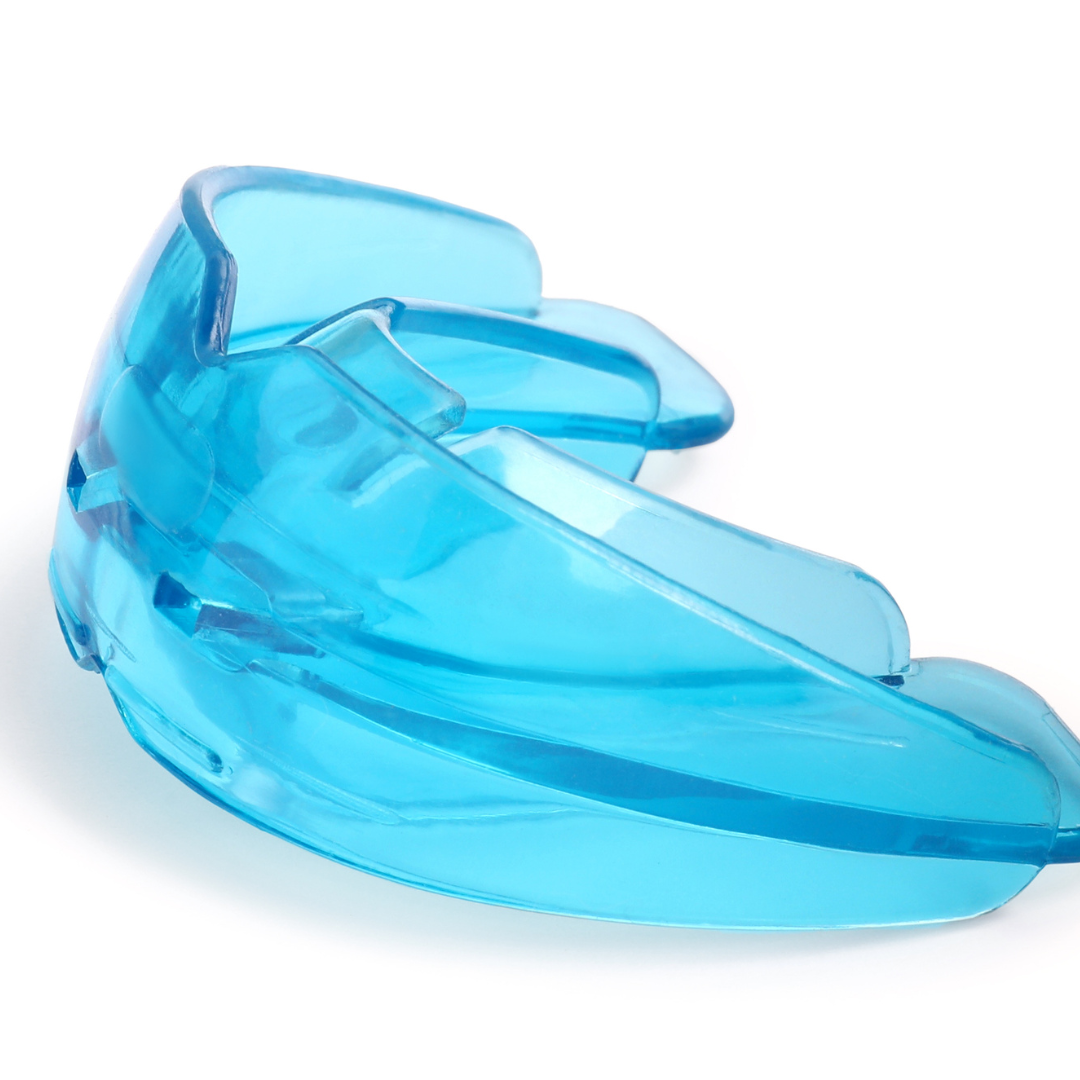
    • Dental Guards: A common and effective treatment for bruxism is the use of custom-fitted dental guards, which are readily available at dental clinic Preston. These guards protect the teeth from the effects of grinding during sleep.
    • Stress Management: Given the link between stress and bruxism, managing stress is a critical aspect of treatment. Preston dentists may recommend stress-reduction techniques or refer patients to specialists when necessary.
    • Medication: In some cases, medication may be prescribed to help relax the muscles or manage underlying conditions contributing to bruxism. This approach is carefully considered by Preston dentists as part of a comprehensive treatment plan.
    • Dental Correction: For those whose bruxism is related to dental issues, corrective procedures such as braces or adjusting the bite may be necessary. Dental clinic Preston offers a range of services to address these underlying causes.
    • Lifestyle Modifications: Reducing intake of caffeine and alcohol, quitting smoking, and establishing a regular sleep routine are all lifestyle changes that can help manage bruxism. These recommendations are often made by Preston dentist as part of a holistic approach to treatment.
    • Physical Therapy: Exercises and physical therapy may be advised to alleviate muscle pain and teach proper jaw alignment. Dental clinic Preston can provide guidance or referrals for physical therapy.

    Conclusion

    Tooth grinding in adults is a condition that demands attention for its potential to cause significant dental and general health issues. Understanding the causes and effects of bruxism is crucial for effective management.

  • Straighten Teeth with Braces | Dentist in Preston

    Straighten Teeth with Braces | Dentist in Preston

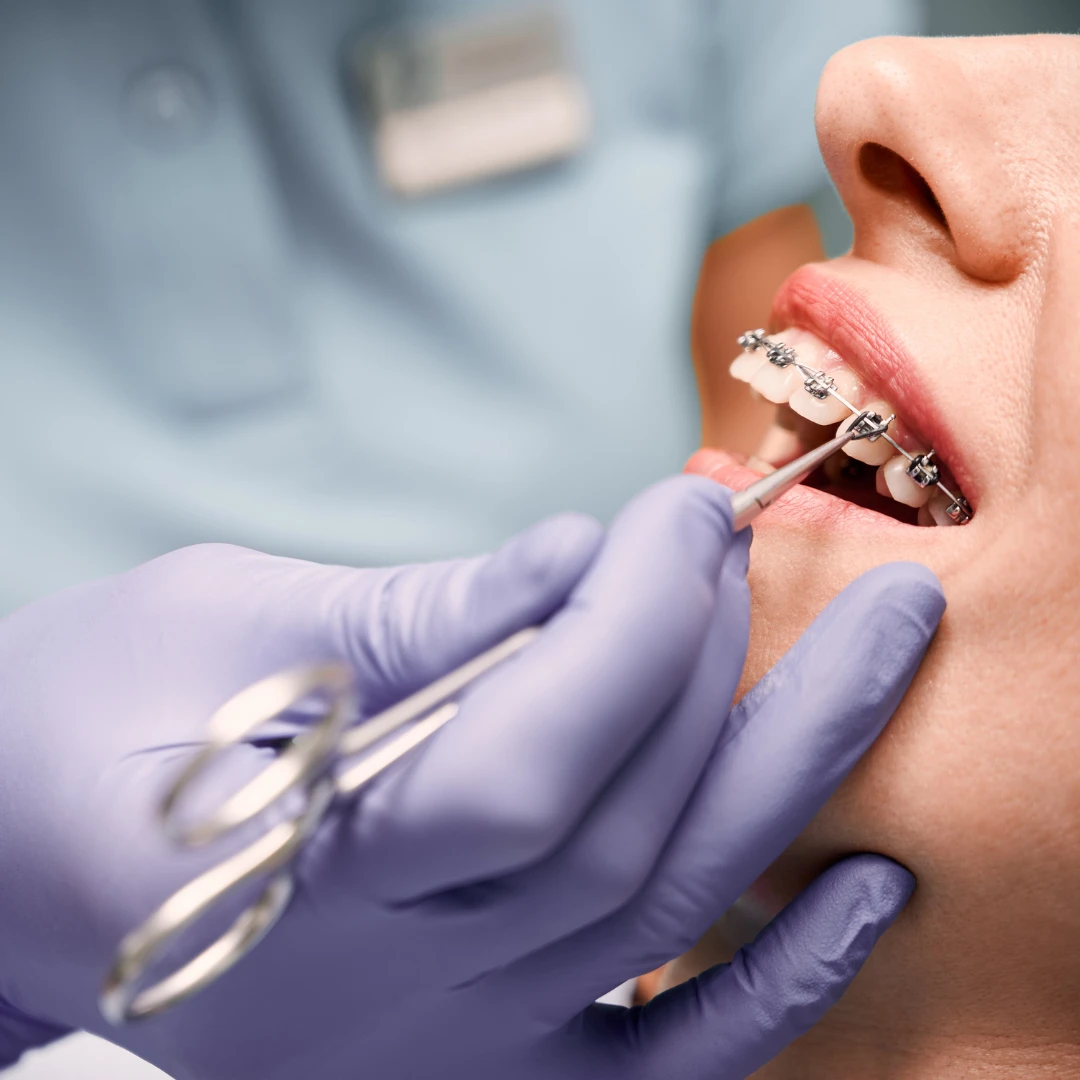
    The journey to a perfect smile often begins with braces, a fundamental solution for correcting misaligned teeth in both children and adults. Braces have evolved significantly over the years, offering a variety of types to meet different aesthetic preferences and dental needs. This comprehensive guide explores the intricacies of how braces straighten teeth, the types available, the alignment process, pain management, costs, and the distinctions between treatments for adults and children. We’ll also delve into mini-braces, treatment durations, maintenance, and teeth cleaning, all through the lens of experts in dental clinic Preston.

    Types of Braces

    Braces have transcended the traditional metal brackets and wires to include several types, each with its unique advantages. Dental clinic Preston offers a range of options:

    • Traditional Metal Braces: The most common type, known for their effectiveness in treating severe misalignments.
    • Ceramic Braces: These feature tooth-coloured brackets that blend with the teeth, offering a less noticeable appearance.
    • Lingual Braces: Placed behind the teeth, lingual braces are invisible from the front but can be more challenging to clean.
    • Invisalign: A series of clear, plastic aligners that are nearly invisible, suitable for adults and teenagers with minor to moderate alignment issues.

    Teeth Alignment Process

    Braces correct misalignment by applying continuous pressure to the teeth, gradually shifting them into the desired position. The process involves the braces components (brackets, bands, and wires) working together to create tension that realigns the teeth over time. Adjustments are made periodically by a dentist in Preston to ensure the pressure is applied correctly as the teeth move.

    Do They Hurt?

    It’s a common question among patients considering braces. Initially, braces can cause discomfort as the teeth begin to shift. This discomfort is usually manageable with over-the-counter pain relievers and tends to diminish a few days after the braces are fitted or adjusted. Bright Smile Dental Clinic Preston often provides comprehensive care and advice to mitigate any discomfort.

    Cost

    The cost of braces varies widely depending on the type chosen, the complexity of the case, and the duration of treatment. Your dentist in Preston offers various financing options to make the treatment more affordable. Traditional metal braces are generally the least expensive option, while treatments like Invisalign may cost more due to the custom manufacture of aligner trays.

    Mini-Braces

    An innovation in orthodontic treatment, mini-braces are smaller than traditional braces, making them less noticeable and often more comfortable. They work in the same way as their larger counterparts but can be a more aesthetically pleasing option for those concerned about the visibility of their orthodontic treatment.

    Duration

    The length of time required for braces to straighten teeth varies significantly from one individual to another. On average, treatments last between 18 to 24 months (about 2 years), but more complex cases may take longer. Regular visits to Bright Smile Dental Clinic Preston are essential for monitoring progress and adjusting as needed.

    Adults vs. Children

    While braces are commonly associated with children and teenagers, adult orthodontics is increasingly popular. Adults may require longer treatment times due to the maturity of their jawbones and teeth. However, the fundamental process of teeth movement remains the same. Your Preston dentist caters to patients of all ages, ensuring that each treatment plan is tailored to the individual’s needs.

    Maintenance

    Maintaining braces involves regular cleaning to prevent plaque buildup and potential damage to the braces. Patients are advised to avoid hard and sticky foods that can break brackets or wires. Regular check-ups at Bright Smile Dental Clinic Preston are crucial for ensuring the braces are in good condition and adjusting the treatment as necessary.

    Cleaning Teeth with Braces

    Proper oral hygiene is paramount during orthodontic treatment. This includes brushing after every meal with a soft-bristled toothbrush and fluoride toothpaste, flossing daily using tools like floss threaders, and using an antiseptic mouthwash. These practices help prevent tooth decay and gum disease, which can impact the effectiveness of the braces.

    Conclusion

    The path to a perfectly aligned smile with braces is a journey of transformation that requires commitment and care. Whether you’re a child embarking on this journey or an adult seeking to enhance your smile, the expertise of a dentist in Preston, along with the advanced treatment options available at dental clinic Preston, can ensure a successful and satisfying outcome. Embracing the process, understanding the types of braces, managing discomfort, and adhering to maintenance and cleaning routines are all crucial steps towards achieving the smile of your dreams.

  • Dental Veneers: Types and Benefits | Dental Clinic Preston

    Dental Veneers: Types and Benefits | Dental Clinic Preston

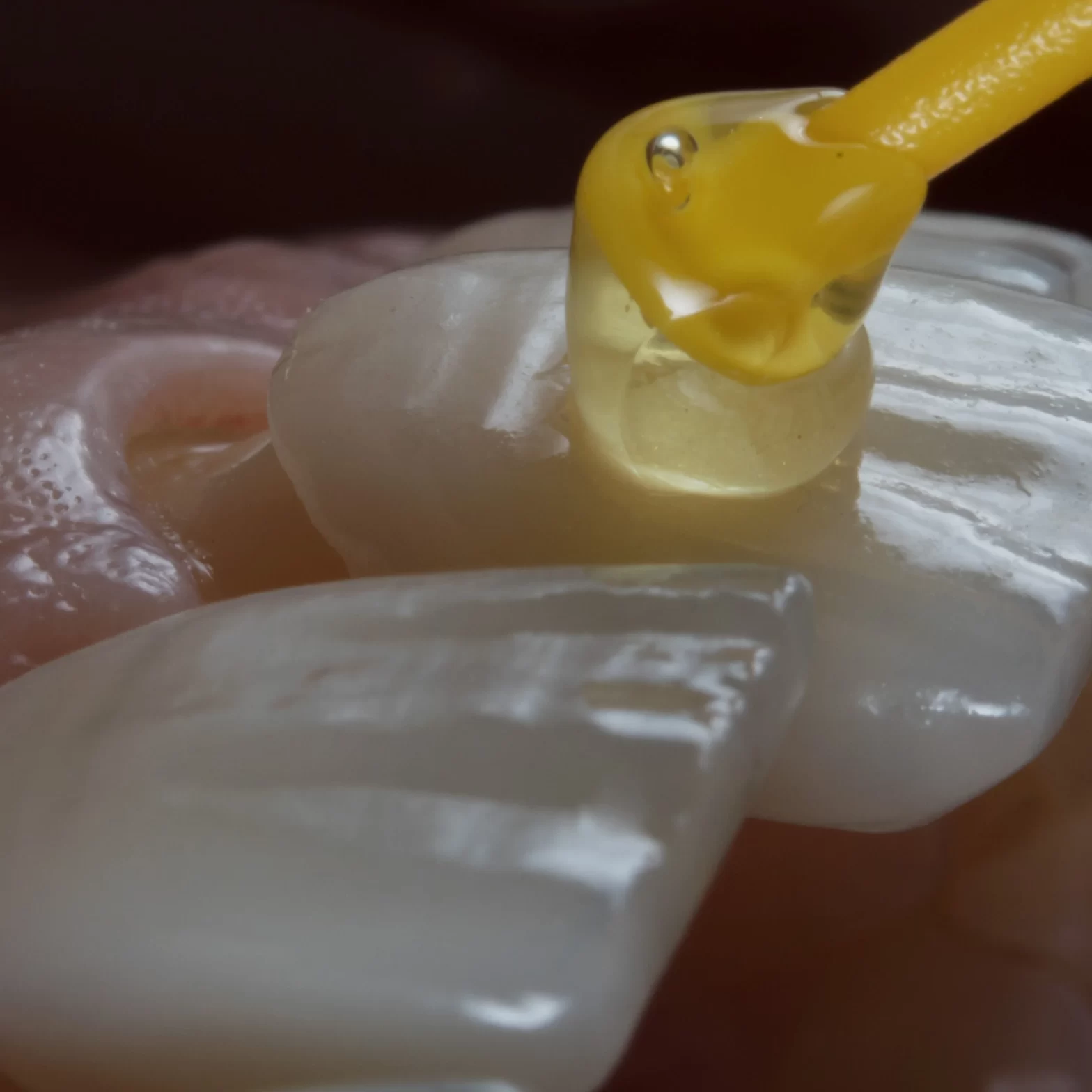
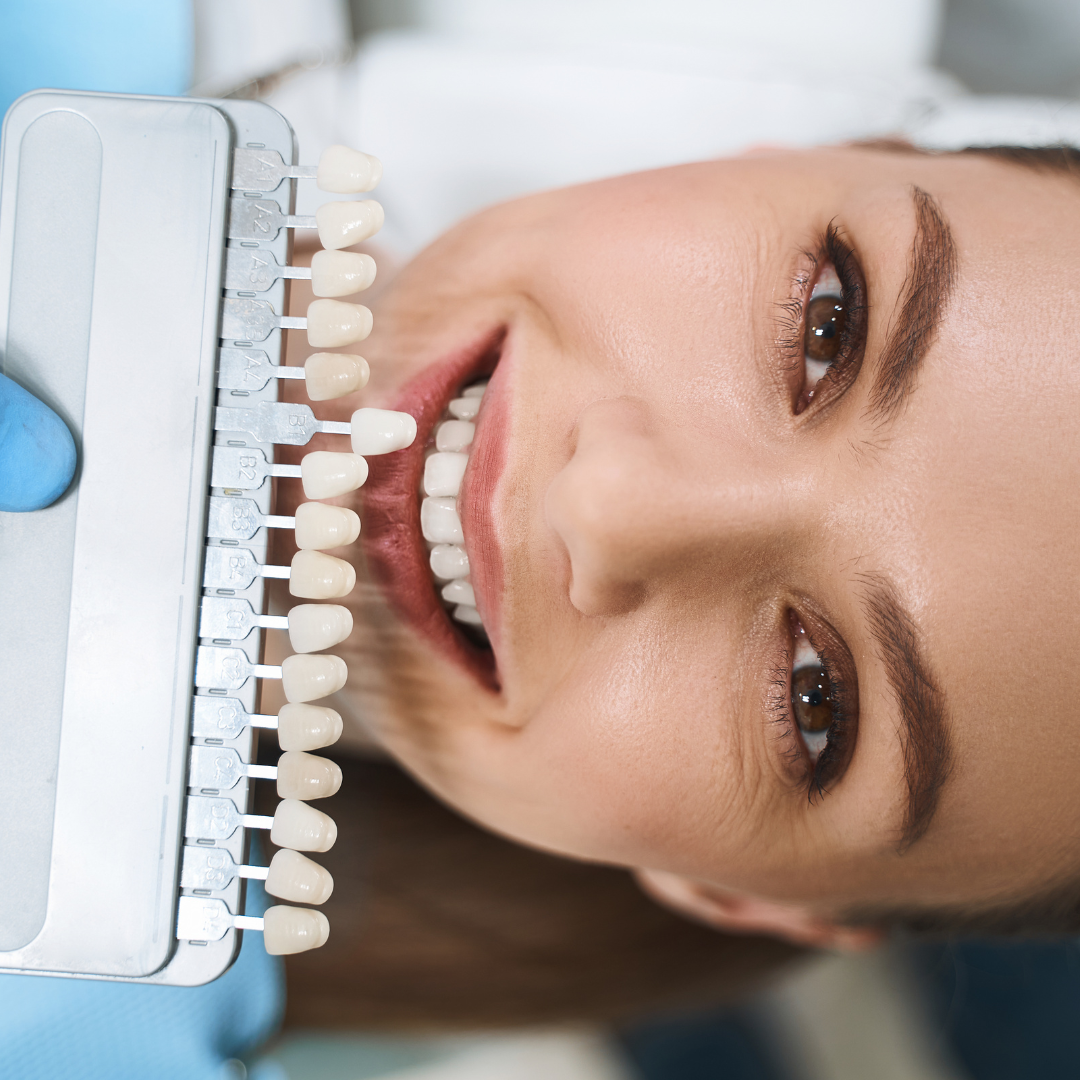
    Dental veneers are a cornerstone of cosmetic dentistry, offering a transformative solution for those seeking to enhance their smile. These thin, custom-made shells are designed to cover the front surface of teeth, improving their appearance dramatically. Whether it’s discolouration, chips, or gaps that concern you, veneers could be the answer. In this comprehensive guide, we’ll delve into the various types of veneers, their benefits, and when it’s advisable to consider this treatment, with expert insights from Bright Smile Dental Clinic Preston and your dentist in Preston.

    Understanding Dental Veneers

    At its core, a dental veneer is a blend of art and science, crafted to fit your teeth perfectly, providing a natural and attractive look. Your Preston dentist emphasises that veneers are not one-size-fits-all; they’re tailored to match the shape, size, and colour that best suits your face and smile.

    Different Types of Veneers

    Veneers come in various materials, each with its unique advantages. The choice between them often depends on your specific needs, budget, and the recommendation of your dentist in Preston.

    Porcelain Veneers

    Highly favoured for their durability and natural appearance, porcelain veneers are a popular choice among patients at dental clinic Preston. They resist stains better than other materials and can last up to 15 years with proper care. Porcelain veneers require a meticulous preparation process, where a thin layer of the tooth enamel is removed to ensure a seamless fit.

    Composite Resin Veneers

    Composite resin veneers are another option offered by Preston dentist. They are less expensive than their porcelain counterparts and can be applied on a single visit. These veneers are sculpted on your teeth directly and can be easily repaired if damaged. However, they are not as long-lasting as porcelain veneers and tend to stain more easily.

    Lumineers

    Lumineers are a brand of veneers known for being ultra-thin and highly clear, copying the natural appearance of enamel. One of the main advantages is that they require minimal to no tooth reduction. Dentist in Preston recommend Lumineers for patients seeking a less invasive option.

    Removable Veneers

    A newer addition to the veneer family, removable veneers are a temporary and affordable option. They are ideal for those who desire a flawless smile for specific occasions or as a trial before committing to permanent veneers.

    Benefits of Dental Veneers

    The benefits of opting for dental veneers are numerous, as highlighted by dental clinic Preston:

    • Aesthetic Improvement: Veneers offer a significant enhancement in the appearance of your smile, boosting confidence and self-esteem.
    • Durability: With proper care, veneers, especially porcelain ones, can last for many years.
    • Stain Resistance: Porcelain veneers are particularly resistant to stains from coffee, tea, and cigarette smoke.
    • Versatility: Veneers can address multiple cosmetic concerns, including discolouration, chips, gaps, and even minor misalignments.

    Choosing the Right Type of Veneer

    When it comes to selecting the best type of veneer, the unity among dentists leans towards porcelain veneers due to their durability, natural appearance, and stain resistance. However, the right choice varies based on individual needs, preferences, and budget. A consultation with a dentist in Preston is crucial to making an informed decision tailored to your specific situation.

    When to Consider Dental Veneers

    Dental veneers are an excellent option for individuals looking to overcome cosmetic dental issues. You might consider this treatment if you have:

    • Teeth that are discoloured and cannot be whitened by bleaching.
    • Chipped or broken teeth.
    • Gaps between your teeth that you wish to close.
    • Irregularly shaped, misaligned, or uneven teeth.

    Making the Decision with a Preston Dentist

    Embarking on the journey to a perfect smile with dental veneers begins with a consultation at dental clinic Preston. Your Preston dentist will assess your oral health, discuss your aesthetic goals, and recommend the most suitable type of veneers for you. This personalised approach ensures that you receive a solution that not only enhances your smile but also complements your overall facial aesthetics.

    Conclusion

    Dental veneers offer a transformative cosmetic solution for individuals looking to enhance their smile. With various types available, including the highly recommended porcelain veneers, individuals can select the option that best suits their needs and budget. Benefits such as improved aesthetics, durability, and versatility make veneers a popular choice among those seeking cosmetic dental improvements. If you’re considering veneers, a consultation with your dentist in Preston is the first step towards achieving the smile of your dreams. Remember, a beautiful smile is not just about looks; it’s about confidence, and veneers can be a significant step towards that goal.

  • Weird taste in mouth after root canal | dental Clinic Preston

    Weird taste in mouth after root canal | dental Clinic Preston

    Experiencing a root canal procedure might bring relief from dental pain, but it can sometimes leave you with an unexpected souvenir: a weird taste in your mouth. Patients often report this peculiar sensation following their treatment, and while it might seem alarming, it’s generally a temporary condition. At our Dental Clinic Preston, we understand the concerns that come with such experiences. Our Preston dentist team is here to demystify this phenomenon and offer guidance to ensure a smooth recovery.

    Understanding the Root Canal Procedure

    Before delving into the specifics of the aftertaste, it’s crucial to understand what a root canal entails. This dental procedure is performed to save a tooth that has been severely damaged or infected. The process involves removing the infected or inflamed pulp, cleaning and disinfecting the inner parts of the tooth, and then filling and sealing it to prevent further damage. It’s a routine procedure at Dental Clinic Preston, aimed at relieving pain and preserving the tooth.

    The Weird Taste Phenomenon

    The peculiar taste some patients report after a root canal can range from metallic to bitter or even just indescribably odd. There are several reasons why you might experience this:

    • Medicinal Materials: The materials used during and after the root canal, such as disinfectants and fillers, can leave a residual taste. These substances are crucial for the healing process but might contribute to the unusual taste until they fully dissipate.
    • Healing Process: As your body heals from the procedure, it’s normal for the treated area to undergo various changes, including the release of certain chemicals and fluids that can contribute to a strange taste.
    • Temporary Leakage: If the filling or crown placed after the root canal isn’t completely sealed, or if there’s a slight delay before the permanent restoration is done, there might be minimal leakage, affecting your taste sensation.
    • Oral Hygiene: Post-procedure, maintaining oral hygiene can be challenging, especially around the treated area. This might lead to an accumulation of bacteria and food particles, resulting in an odd taste.

    Managing and Mitigating the Weird Taste

    The team at Dental Clinic Preston recommends several strategies to manage and eventually eliminate the weird taste in your mouth post-root canal:

    • Maintain Oral Hygiene: Follow a gentle yet thorough oral hygiene routine. Brushing with a soft-bristled brush, flossing carefully, and using an antiseptic mouthwash can help minimise the odd taste.
    • Saltwater Rinse: Rinsing your mouth with a saltwater solution can aid in the healing process and help neutralize unpleasant tastes.
    • Stay Hydrated: Drinking plenty of water helps in flushing out the mouth and can reduce the persistence of any strange flavours.
    • Follow-Up Visits: Ensure you attend follow-up appointments with your Preston dentist. They can check the integrity of the filling or crown and address any issues that might contribute to the taste.
    • Patience is Key: Remember, the weird taste is usually temporary and should diminish as your mouth heals and the materials used in the procedure fully integrate with your tooth.

    When to Contact Your Dentist

    While the unusual taste typically isn’t a cause for alarm, certain signs warrant immediate attention from your Preston dentist, including:

    • Persistent bad taste or smell
    • Continuous pain or discomfort
    • Swelling in the gum or face area
    • Signs of an allergic reaction to materials used in the procedure

    Conclusion

    A root canal is a saving grace for many suffering from dental pain, and while the aftermath might include a temporary odd taste, it’s a small price to pay for the relief and preservation of your tooth.

    At Bright Smile Dental Clinic Preston, we’re committed to providing not just immediate treatment but also comprehensive aftercare advice. If you’re experiencing any concerns after your procedure, including a persistent weird taste, don’t hesitate to reach out to our skilled Preston dentist team. Your comfort and health are our top priorities, and we’re here to ensure your recovery is as smooth and swift as possible.

    Remember, each patient’s experience is unique, but with the right care and attention, any post-procedural symptoms can be effectively managed. Trust in Preston dentist team and follow their guidance to ensure a healthy, comfortable recovery from your root canal procedure.

  • Bad Taste from a Broken Tooth | Dental Clinic Preston

    Bad Taste from a Broken Tooth | Dental Clinic Preston

    Experiencing a bad taste in your mouth after a tooth break can be more than just unpleasant. It’s often a sign that something is wrong with your dental health. As a leading dental clinic Preston, we often encounter patients who are concerned about this issue. Understanding the causes and treatments is crucial for maintaining oral health and overall well-being.

    The Causes Behind the Bad Taste

    When a tooth breaks, several factors can contribute to a bad taste:

    Bacterial Infection

    The most common cause of foul taste is infection. When a tooth breaks, it can expose the inner layers and roots to bacteria. This exposure can lead to infection, which produces an unpleasant taste.

    Decay and Abscess

    A broken tooth is more susceptible to decay. If untreated, this can lead to an abscess, which is a pocket of pus that leads to a bad taste.

    Leakage from Dental Restorations

    In some cases, the bad taste might be due to older fillings or dental restorations that have started to leak.

    Nerve Damage

    A break can sometimes affect the tooth’s nerve, leading to a metallic or sour taste.

    Understanding the Symptoms

    Apart from the bad taste, other symptoms can include:

    • Pain or discomfort in the affected area
    • Sensitivity to hot or cold
    • Swelling or redness in the gums
    • Bad breath

    If you experience any of these symptoms, it’s time to visit your dentist in Preston.

    Seeking Treatment: The Role of Your Preston Dentist

    The first step in treating a bad taste from a broken tooth is to visit a reputable Preston dentist at Bright Smile Dental Clinic Preston. Here’s how they can help:

    Diagnosis

    Your Preston dentist will first diagnose the cause of the bad taste. This might involve a physical examination, X-rays, or other diagnostic tests.

    Treatment of Infection

    If an infection is present, your Preston dentist will likely start you on antibiotics to reduce the bacteria and infection.

    Tooth Repair

    For a broken tooth, various treatment options like fillings, crowns, or veneers can be considered. These restorations will not only fix the tooth but also eliminate the source of the bad taste.

    Root Canal Therapy

    If the break has reached the tooth’s pulp, root canal therapy might be necessary. This procedure involves removing the infected or damaged pulp, cleaning the inside of the tooth, and sealing it to prevent further issues.

    Extraction

    In severe cases where the tooth cannot be saved, extraction might be the best course of action. This can be followed by tooth replacement options such as dental implants or bridges.

    Preventive Measures and Aftercare

    Prevention is always better than cure. To prevent future incidents:

    • Maintain good oral hygiene
    • Use a mouthguard if you participate in sports
    • Avoid using your teeth to open packages or bite hard objects

    After treatment, follow these aftercare tips:

    • Follow your dentist’s instructions carefully
    • Maintain good oral hygiene to prevent infections
    • Schedule regular check-ups at your dental clinic Preston

    Conclusion

    The bad taste in your mouth following a broken tooth is not something to ignore. It’s a signal from your body that it’s time to seek professional help. At our dental clinic in Preston, we emphasise the importance of timely treatment to prevent complications and maintain oral health. Remember, the sooner you address the issue, the better the outcomes will be.

    In summary, dealing with a bad taste from a broken tooth involves understanding the causes, seeking prompt treatment from your Preston dentist, and taking preventive measures to avoid future dental problems. Your dental health is an integral part of your overall well-being, and at our dental clinic Preston, we are committed to providing you with the best care possible.

  • Understanding and Managing a Chipped Tooth | Dental Clinic Preston

    Understanding and Managing a Chipped Tooth | Dental Clinic Preston

    A chipped tooth is not just a blow to your smile aesthetics; it’s a dental emergency that calls for immediate and appropriate action at the dental clinic Preston. Such an injury can happen to anyone, anytime – while playing sports, biting down on something hard, or due to an accidental fall. The impact of a chipped tooth goes beyond physical appearance, potentially leading to pain, discomfort, and even long-term dental issues if not addressed properly. In this comprehensive guide, we’ll explore the essential steps to manage a chipped tooth, available treatment options, and preventive measures to avoid such dental mishaps.

    Immediate Response to a Chipped Tooth

    • Rinse and Clean: Start by gently rinsing your mouth with warm water. This step is crucial for removing any debris and blood, providing a clear view of the damage.
    • Cold Compress for Swelling: Apply a cold pack to the face near the affected area to reduce swelling and alleviate pain.
    • Bleeding Management: If there’s bleeding, gently press a piece of sterile gauze against the tooth until the bleeding stops.
    • Dietary Adjustments: Avoid consuming hard, hot, or cold foods and beverages to prevent aggravating the tooth.
    • Pain Relief: Over-the-counter pain relievers can be used. However, avoid applying aspirin directly to the gums or the injured tooth, as it can cause tissue damage.

    Assessing the Damage

    • Minor Chip: Small chips may not cause pain but can lead to sensitivity or sharp edges that can irritate the tongue and inner cheeks.
    • Large Breaks: Larger breaks can expose nerves, leading to severe pain and increased sensitivity. These cases require urgent dental attention at the dental clinic Preston.
    • Temporary Solutions: For significant chips, temporary dental kits available at pharmacies can be a short-term solution. They provide material to cover sharp tooth edges, offering comfort until professional care is accessible.

    Seeking Professional Dental Care from your Preston dentist

    • Dental Examination: A thorough examination by a Preston dentist is essential, regardless of the chip’s size. They will assess the extent of the damage and recommend an appropriate treatment plan.
    • X-Rays: In some cases, an X-ray may be necessary to determine the extent of the tooth’s damage, especially to check if the root or the inner pulp of the tooth is affected.

    Treatment Options

    • Dental Filling or Bonding: For minor chips, a dentist may simply smooth the chipped area or use bonding agents to restore the tooth’s shape.
    • Dental Crown or Cap: For larger breaks, the damaged tooth might need a crown. This involves grinding away part of the remaining tooth and covering it with a crown, made of porcelain or composite material.
    • Root Canal Therapy: If the chip has exposed the tooth’s pulp, a root canal may be required to remove the damaged pulp and seal the tooth, preventing infection.
    • Veneers: In cases where the front teeth are chipped, veneers can be an excellent option to restore the tooth’s appearance.
    • Tooth Extraction: In extreme cases, where the tooth is beyond repair, extraction might be the only viable solution.

    Follow-Up Care

    • Regular Check-Ups at Dental Clinic Preston: Post-treatment, regular dental check-ups are crucial to ensure the healing process is on track and to prevent future complications.
    • Oral Hygiene: Maintain good oral hygiene practices, including regular brushing and flossing, to keep the repaired tooth and surrounding teeth healthy.
    • Preventive Measures
    • Wearing Mouthguard: Using mouthguard during sports activities can significantly reduce the risk of dental injuries.
    • Avoiding Hard Foods and Objects: Refrain from chewing on hard objects like ice, hard candy, or popcorn kernels, which can cause teeth to chip.
    • Using Tools, Not Teeth: Avoid using your teeth as tools to open packages or bottles.
    • Regular Visits at dental clinic Preston: Routine dental visits can help identify and address any potential weaknesses in your teeth, making them less prone to chipping.

    Conclusion

    Dealing with a chipped tooth requires prompt action and professional intervention. Understanding the steps to manage such a dental emergency, the treatment options available, and the importance of follow-up care are crucial in preserving your dental health. Additionally, adopting preventive measures can significantly reduce the risk of experiencing a chipped tooth in the future. Remember, your teeth are invaluable assets; taking care of them is not just about maintaining your smile, but also about preserving your overall health and well-being. Bright Smile Dental Clinic provides you with the best dental treatments.

  • Eligibility for Dental Implants | Dental Clinic Preston

    Eligibility for Dental Implants | Dental Clinic Preston

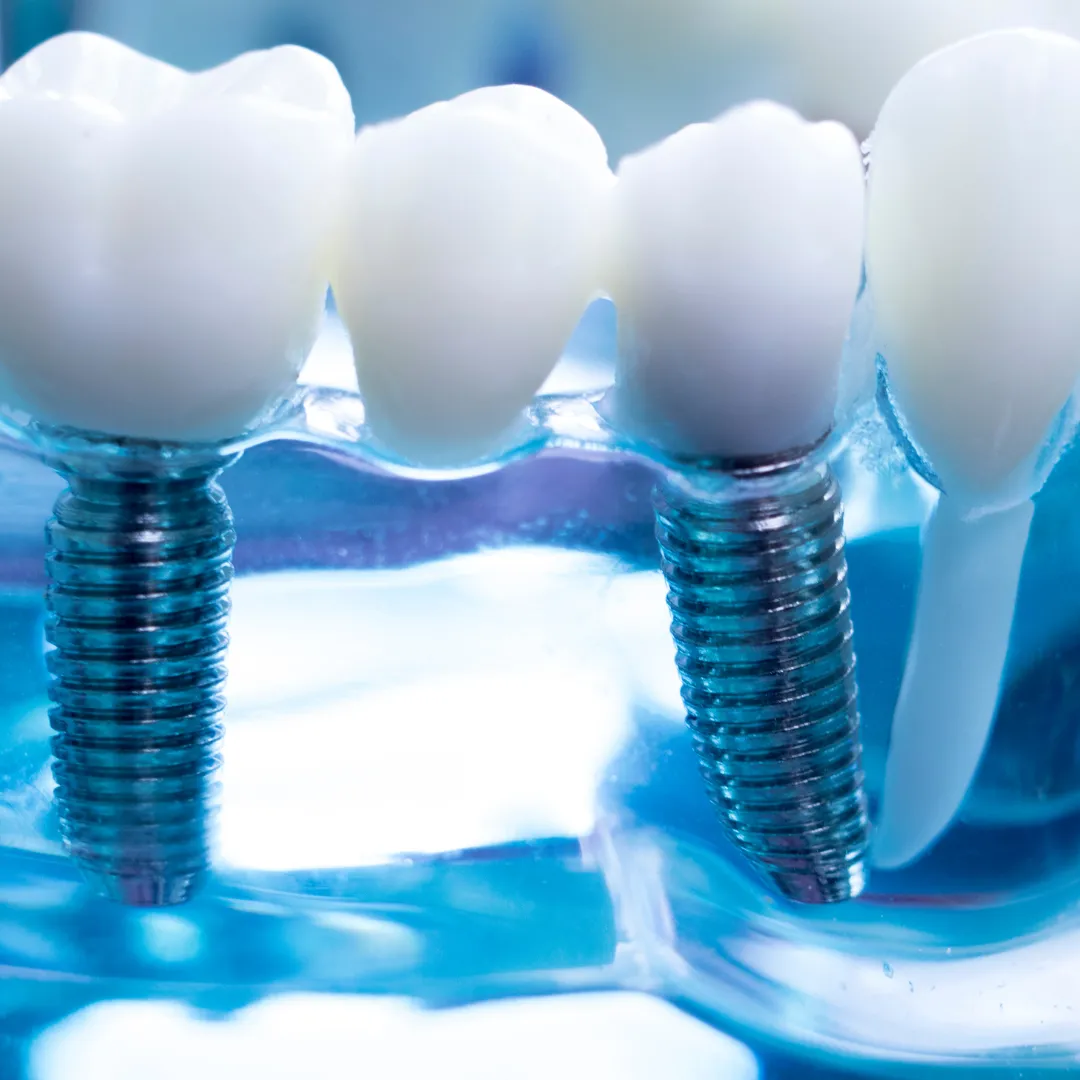
    When considering dental implants, one of the primary concerns for many patients at dental clinic Preston is whether they are suitable candidates for this transformative procedure. Dental implants represent a significant advancement in dental restoration. However, not everyone is automatically a good candidate for this procedure. Let’s explore the factors that determine eligibility for dental implants.

    Overall Oral Health

    First and foremost, the condition of your oral health plays a pivotal role. Healthy gums are essential for supporting the implant. Any signs of periodontal disease need to be addressed and treated before considering an implant. At dental clinic Preston, your Preston dentist assesses the health of your gums to ensure they can sustain the implant successfully.

    Adequate Jawbone Density

    A strong and dense jawbone is crucial for the implant process. The implant post, which acts as the new tooth’s root, requires a solid foundation. In cases where jawbone density is insufficient, procedures like bone grafting might be necessary. Your Preston dentist will make sure that your jawbone density is sufficient for the dental implant procedure through non-invasive and comfortable scans.

    Good Overall Health

    Your overall health status also influences your eligibility for dental implants. Certain systemic health conditions, such as uncontrolled diabetes or heart disease, can impact the healing process. We at the dental clinic Preston prioritise a comprehensive health evaluation to ensure dental implants are a safe option for you.

    Non-Smokers or Willingness to Quit Smoking

    Smoking significantly hinders the healing process and increases the risk of implant failure. We strongly advise our patients to quit smoking prior to the implant procedure to enhance the success rate.

    Age Considerations

    While there is no upper age limit for dental implants, the jawbone’s condition is a key factor. For younger patients, it’s essential that their jawbones have fully developed before proceeding with an implant.

    Commitment to Oral Hygiene

    A commitment to rigorous oral hygiene is vital. Dental implants require the same level of care as natural teeth. Regular brushing, flossing, and dental check-ups at dental clinic Preston are crucial for maintaining the health of the implant and surrounding teeth.

    Addressing Bruxism or Teeth Grinding

    Patients who suffer from bruxism (teeth grinding) need to address this condition, as it can place excessive pressure on the implant, leading to potential damage.

    Special Considerations for Chronic Conditions

    Patients with chronic conditions such as osteoporosis or those undergoing radiation therapy need special consideration. Your Preston dentist at dental clinic Preston will work closely with you to determine the best course of action.

    In conclusion, while dental implants offer a fantastic solution for missing teeth, understanding and meeting the eligibility criteria is essential for a successful outcome. At dental clinic Preston, we are committed to providing comprehensive evaluations to ensure dental implants are a viable and safe option for you. Remember, a personalised consultation is the best way to determine your suitability for this life-changing procedure. At Bright Smile Dental Clinic in Preston, your Preston dentist provides you with the best dental implant treatments.

  • The Ultimate Guide to Dental Veneer Care and Treatment at Your Dental Clinic Preston

    The Ultimate Guide to Dental Veneer Care and Treatment at Your Dental Clinic Preston

    As a trusted solution for enhancing dental aesthetics, veneers have become a go-to option for many seeking that perfect smile. But what goes into the care and maintenance of these delicate fixtures? This comprehensive guide delves into the world of dental veneers, offering insights into their daily care and the general process of veneer treatment at your local dental clinic Preston.

    Understanding Dental Veneers

    Dental veneers are thin, custom-made shells designed to cover the front surface of teeth. They are typically made from porcelain or resin composite materials and are permanently bonded to your teeth. Veneers are an excellent option for correcting dental issues such as discolouration, chips, misalignment, or gaps between teeth.

    The Veneer Treatment Process

    Consultation at a Preston Dental Clinic:

    The journey to getting veneers starts with a consultation with a skilled dentist in Preston. During this session, your Preston dentist will evaluate your oral health, discuss your aesthetic goals, and determine if veneers are suitable for you.

    Preparing Your Teeth:

    Once you’re deemed a good candidate, the next step involves preparing your teeth for veneers. This process typically involves removing a small amount of enamel from the tooth surface to make room for the veneer.

    Impression and Customisation:

    Your dentist in Preston will then take an impression of your teeth, which is sent to a dental lab. Here, your veneers are custom crafted to fit your teeth perfectly and match your natural tooth colour.

    Final Fitting and Bonding:

    Once your veneers are ready, you’ll return to your dental clinic Preston for the final fitting. Your dentist will ensure a perfect fit before permanently bonding them to your teeth, instantly transforming your smile.

    Daily Care and Maintenance

    Caring for your veneers is crucial for their longevity and appearance. Here are some essential tips:

    Regular Brushing and Flossing:

    Treat your veneers like your natural teeth. Brush at least twice a day and floss daily to prevent plaque buildup and maintain gum health.

    Avoiding Hard Foods:

    While veneers are durable, they aren’t indestructible. Avoid chewing on hard objects like ice or pens, which can chip or damage them.

    Limiting Stain-Inducing Substances:

    Porcelain veneers are resistant to staining, but it’s still wise to limit exposure to substances like coffee, tea, and red wine.

    Wearing a Mouthguard:

    If you grind your teeth at night, consider wearing a mouthguard to protect your veneers from excessive wear and tear.

    Regular Dental Check-Ups:

    Visit your dentist in Preston routinely for check-ups and professional cleanings to ensure your veneers and overall dental health are in top condition.

    The Benefits of Choosing a Preston Dental Clinic for Your Veneers

    Choosing a local Preston dental clinic for your veneer treatment offers several benefits:

    • Expertise and Experience: Bright Smile Dental Clinic is home to some of the best dentists in Preston skilled in cosmetic dentistry, ensuring you receive top-quality care.
    • Convenience and Comfort: With local clinics like your dental clinic Preston, follow-up appointments and routine check-ups are convenient, reducing the stress of long-distance travel.
    • Personalised Care: Dentists in Preston are known for their personalised approach, ensuring that each patient’s treatment plan is tailored to their specific needs.

    Conclusion

    Dental veneers are a fantastic way to enhance your smile and boost your confidence. With the right care and maintenance, they can be a long-lasting solution. By choosing a reputable dentist in Preston for your veneer treatment, you’re not only investing in your smile but also in the quality and convenience of local expertise. Remember, a beautiful smile begins with good oral health, and veneers are one of the many ways to achieve that. So, take the first step towards your dream smile today at Bright Smile Dental Clinic in Preston!