Tag: root canal

  • How to Prevent the Need for a Root Canal Preston

    How to Prevent the Need for a Root Canal Preston

    Root canals, while essential in certain situations, can often be avoided with proper care and attention to your oral hygiene. If you’re seeking ways to maintain a healthy smile and prevent the need for a root canal in Preston, this guide is for you. We’ll explore effective strategies and tips to keep your teeth healthy and strong.

    Understanding Root Canals

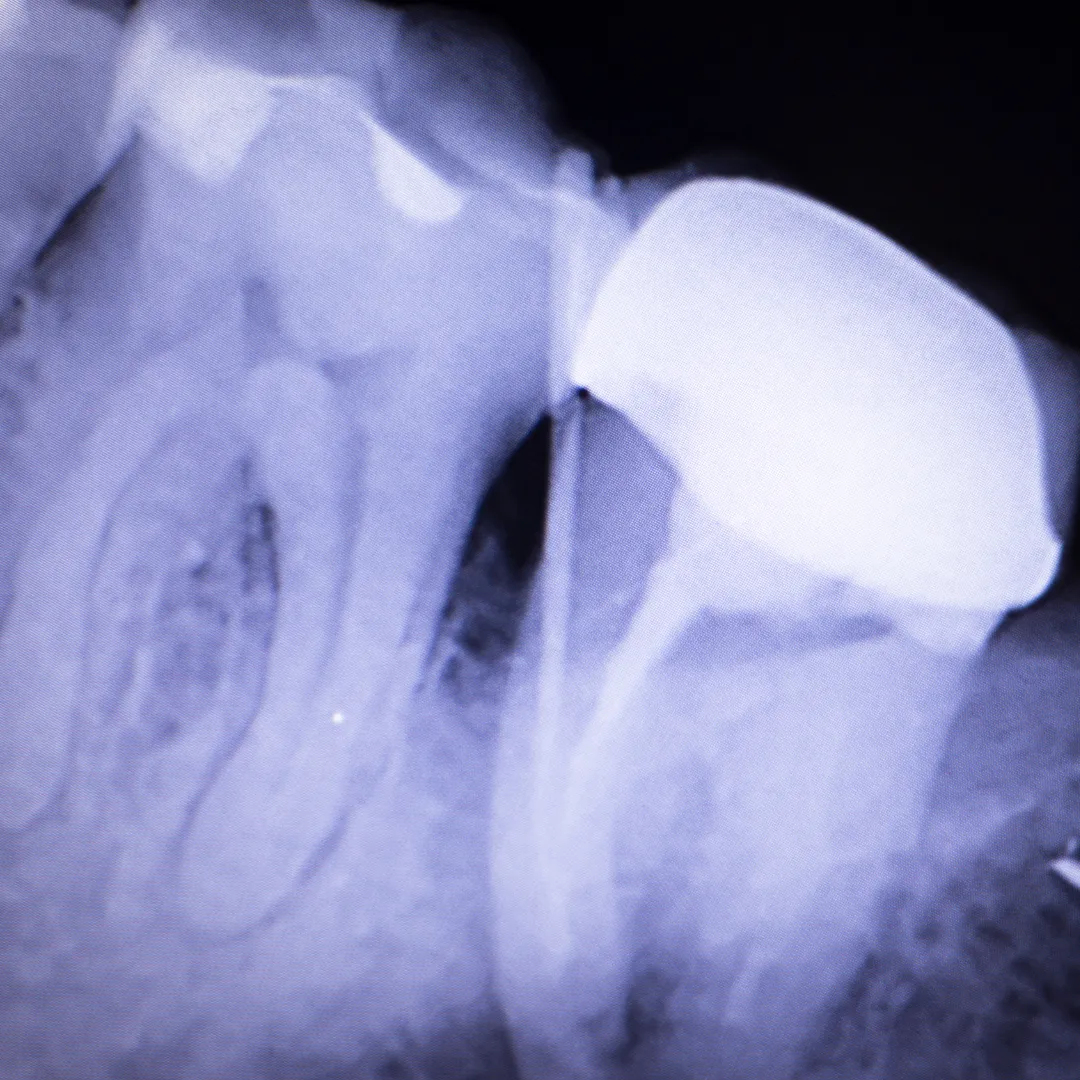
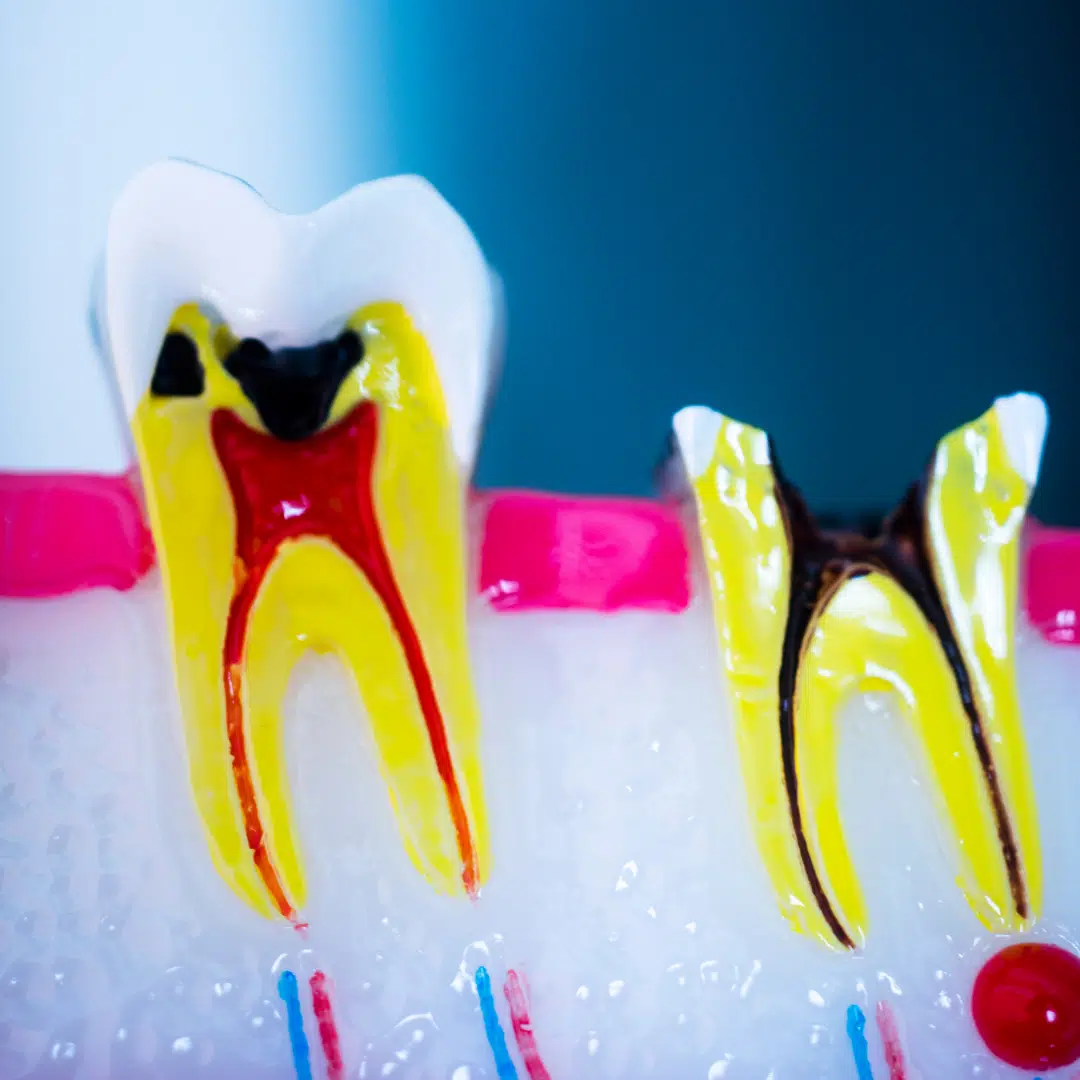
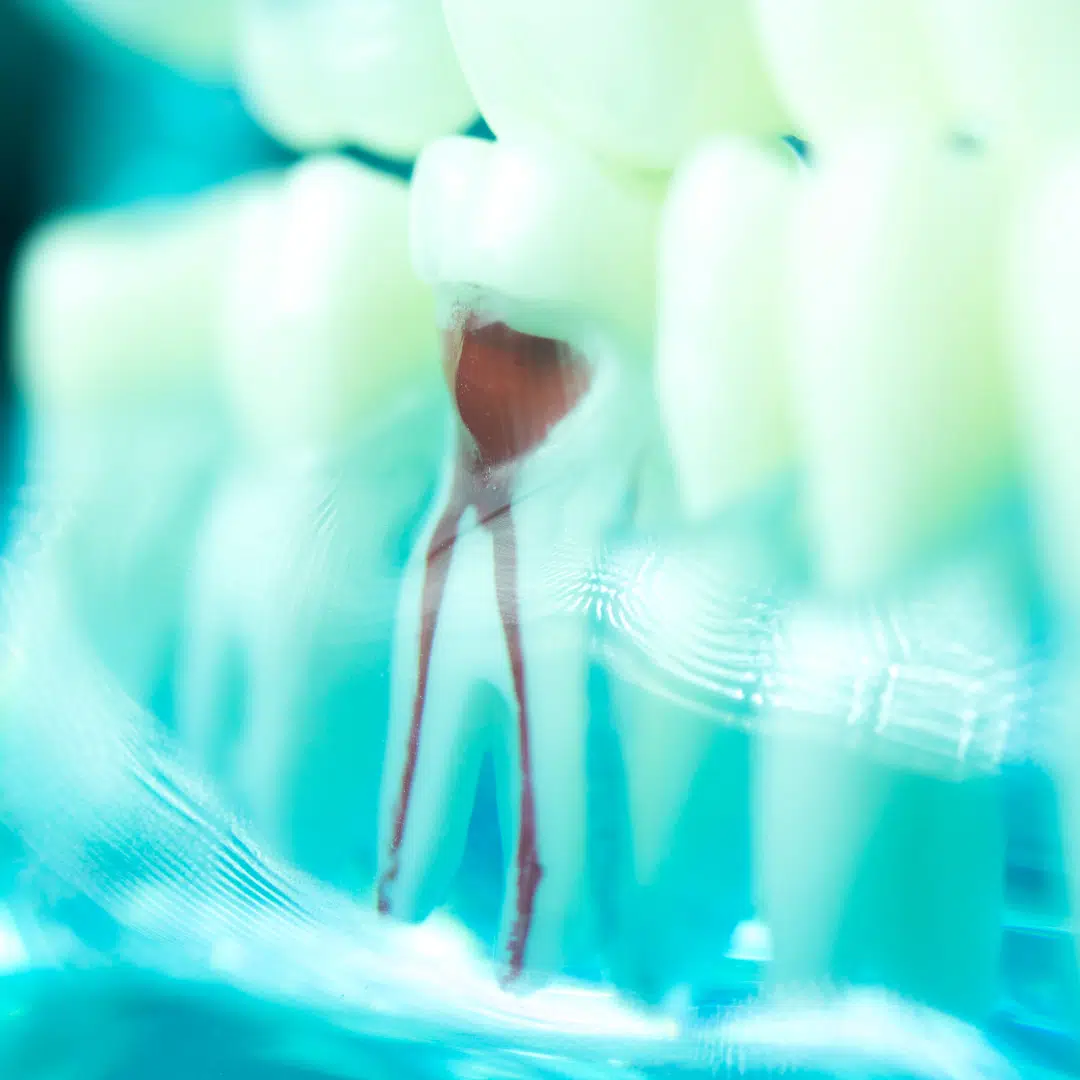
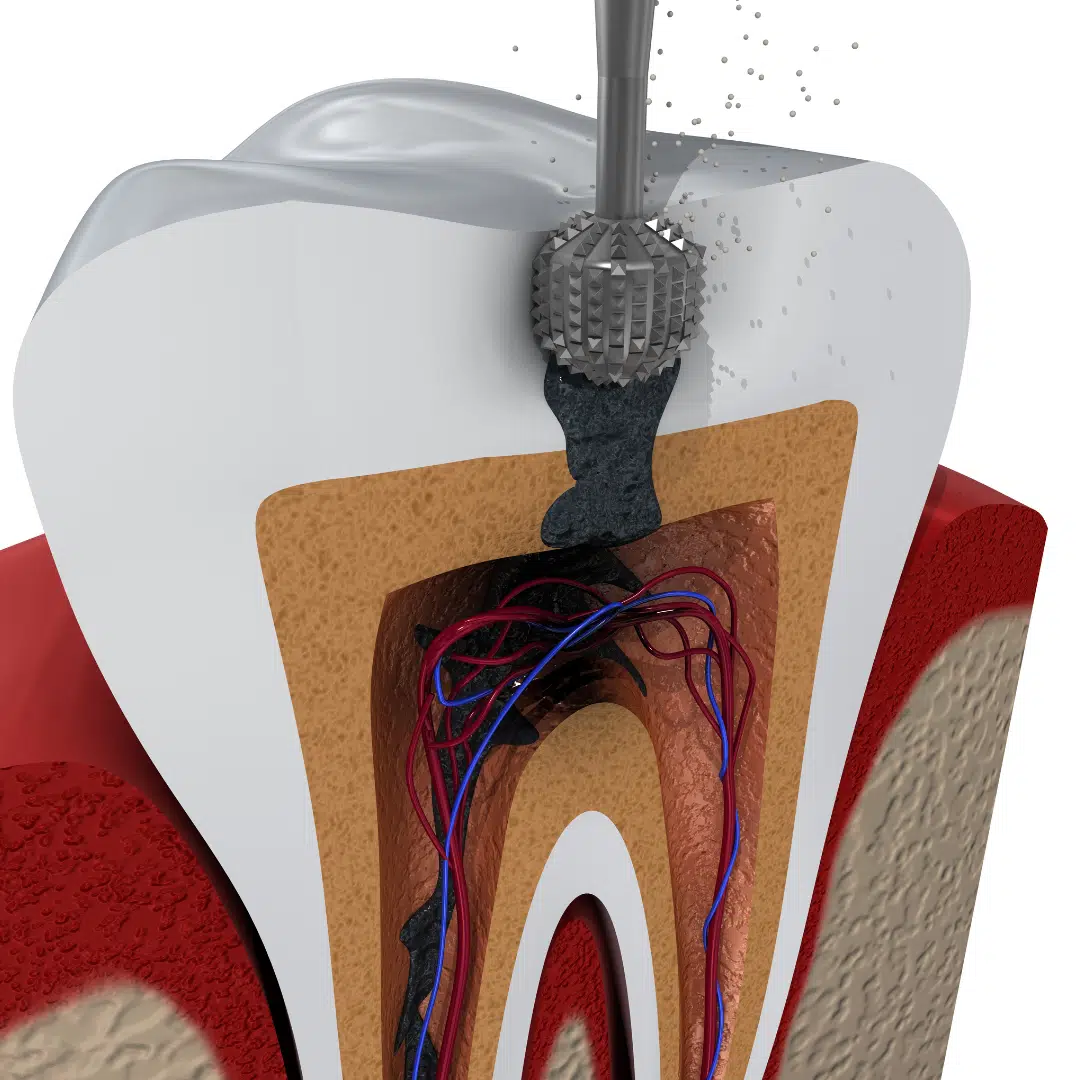
    Before diving into prevention, it’s important to understand what a root canal is and why it might be necessary. A root canal is a dental procedure designed to treat infected or damaged tooth pulp. The pulp, located in the center of your tooth, contains nerves and blood vessels. When it becomes infected due to decay, cracks, or trauma, a root canal is often required to save the tooth and alleviate pain.

    The Importance of Oral Hygiene

    The cornerstone of preventing the need for a root canal in Preston is maintaining excellent oral hygiene. Here are some fundamental practices to incorporate into your daily routine:

    • Brushing: Brush your teeth at least twice a day using fluoride toothpaste. Ensure you cover all surfaces of your teeth, including the front, back, and chewing surfaces. Use a toothbrush with soft bristles to avoid damaging your gums.
    • Flossing: Floss daily to remove plaque and food particles from between your teeth and under the gumline. This helps prevent cavities and gum disease, which can lead to tooth infections.
    • Mouthwash: Use an antibacterial mouthwash to reduce plaque and bacteria in your mouth. This can help prevent infections and keep your breath fresh.

    Regular Dental Check-Ups

    Visiting your Preston dentist regularly is crucial for preventing root canals. At Bright Smile Dental Clinic, we recommend scheduling check-ups every six months. During these visits, our dental professionals will:

    • Conduct Thorough Examinations: We check for signs of decay, cracks, or other issues that could lead to infection.
    • Perform Professional Cleanings: Removing plaque and tartar buildup that you might miss with regular brushing and flossing.
    • Provide Preventive Treatments: Fluoride treatments and dental sealants can help strengthen your teeth and prevent cavities.

    Healthy Diet and Nutrition

    Your diet plays a significant role in maintaining dental health and preventing the need for a root canal. Here are some dietary tips to follow:

    • Limit Sugary Foods and Drinks: Sugary substances contribute to tooth decay, which can lead to infections. Avoid sodas, candies, and other sugary snacks.
    • Eat a Balanced Diet: Include plenty of fruits, vegetables, lean proteins, and dairy products in your diet. These foods provide essential nutrients for strong teeth and gums.
    • Stay Hydrated: Drink plenty of water throughout the day. Water helps wash away food particles and bacteria, and it also promotes saliva production, which is essential for neutralising acids in your mouth.

    Protect Your Teeth from Injury

    Preventing dental injuries is another key factor in avoiding root canals. Here are some ways to protect your teeth:

    • Wear a Mouthguard: If you participate in sports or other activities that pose a risk of dental injury, wear a mouthguard to protect your teeth from trauma.
    • Avoid Chewing Hard Objects: Don’t chew on ice, popcorn kernels, or other hard objects that can crack or chip your teeth.
    • Use Your Teeth Properly: Don’t use your teeth as tools to open packages or bottles. This can cause damage that might lead to infections.

    Address Dental Issues Promptly

    If you experience any dental problems, such as tooth pain, sensitivity, or visible damage, don’t delay seeking treatment. Ignoring these issues can lead to infections that require a root canal. At Bright Smile Dental Clinic, we offer prompt and effective treatment to address dental problems before they escalate.

    The Role of Fluoride

    Fluoride is a mineral that helps strengthen tooth enamel and prevent decay. Here’s how you can ensure you’re getting enough fluoride:

    • Use Fluoride Toothpaste: Brushing with fluoride toothpaste is an easy and effective way to protect your teeth.
    • Drink Fluoridated Water: Many communities add fluoride to their water supply. Drinking fluoridated water can help keep your teeth strong.
    • Ask Your Dentist About Fluoride Treatments: During your regular check-ups at Bright Smile Dental Clinic, inquire about professional fluoride treatments for added protection.

    The Importance of Dental Sealants

    Dental sealants are a preventive measure that can significantly reduce the risk of cavities and the need for a root canal. Sealants are thin, protective coatings applied to the chewing surfaces of the back teeth (molars), where decay often starts. They act as a barrier, keeping out plaque and food particles. Ask your dentist if sealants are a good option for you or your children.

    Avoid Tobacco Products

    Using tobacco products, whether smoking or chewing, can increase your risk of tooth decay and gum disease, which can lead to infections requiring a root canal. Quitting tobacco can greatly improve your overall oral health and reduce the risk of dental problems.

    Managing Dry Mouth

    Dry mouth, or xerostomia, can contribute to tooth decay and infections. It occurs when your mouth doesn’t produce enough saliva. Here are some tips to manage dry mouth:

    • Stay Hydrated: Drink plenty of water throughout the day.
    • Chew Sugar-Free Gum: This can help stimulate saliva production.
    • Avoid Alcohol and Caffeine: These can dry out your mouth.
    • Use a Humidifier: This can add moisture to the air and help keep your mouth from drying out.

    Conclusion

    Preventing the need for a root canal Preston is achievable with a proactive approach to dental health. By maintaining excellent oral hygiene, visiting your dentist regularly, eating a balanced diet, and protecting your teeth from injury, you can keep your smile healthy and avoid the discomfort and expense of a root canal. At Bright Smile Dental Clinic, we are committed to helping you achieve and maintain optimal dental health. Schedule your next appointment with us today and take the first step towards a healthier, brighter smile! Benefits from the wide range of payment plan options and insurance.

  • Root Canal Extraction Aftercare | Prevent Infection | Dentist in Preston

    Root Canal Extraction Aftercare | Prevent Infection | Dentist in Preston

    Root canal treatments are a common dental procedure performed to save a tooth that is severely infected or damaged. While the procedure itself is a crucial step towards maintaining dental health, aftercare is equally important to ensure a quick recovery and to prevent any further infections. If you’ve recently undergone a root canal treatment or are planning to have one, understanding the aftercare process is vital. Here’s a comprehensive guide to help you navigate through the recovery period smoothly, with a special focus on patients visiting your dentist in Preston.

    Immediate Aftercare

    Right after your root canal treatment, it’s normal to experience some discomfort or mild pain. Your dentist in Preston will likely prescribe over-the-counter pain relief medication or something stronger, depending on your pain threshold and the complexity of the procedure. It’s essential to follow these recommendations to manage pain effectively.

    Avoid Eating on the Affected Side

    Your mouth will remain numb for a few hours following the procedure. To prevent biting your cheek or tongue, avoid eating until the numbness wears off. Once you start eating again, try to avoid chewing on the side of your mouth where the root canal was performed. This precaution helps in preventing any damage to the temporary filling or crown.

    Maintain Oral Hygiene

    Good oral hygiene is crucial after a root canal treatment. Even though the treated area might be tender, you should continue to brush and floss your teeth gently. Avoiding the treated area can lead to plaque buildup and further complications. If you’re unsure about how to clean your teeth properly after the procedure, consult your dental clinic Preston for personalised advice.

    Be Mindful of Swelling

    Some swelling after a root canal is normal. To minimise it, you can use an ice pack on the cheek near the affected area. Apply the ice pack for 15 minutes at a time during the first 48 hours after the procedure. If swelling persists or worsens, contact your dentist in Preston as it may be a sign of infection.

    Follow Up with Your Dentist

    A follow-up visit to your dental clinic Preston is typically scheduled after the procedure. During this visit, your dentist will examine the treated tooth and surrounding gum tissue to ensure everything is healing correctly. They may also proceed with placing a permanent filling or crown if a temporary one was initially placed. Do not skip this appointment as it is crucial for the success of the treatment.

    Avoid Certain Foods and Beverages

    For the first few days after your root canal treatment, it’s advisable to avoid hard, crunchy, or sticky foods that could dislodge the temporary filling or irritate the treated area. Additionally, extremely hot or cold foods and beverages should be avoided as they can trigger sensitivity.

    Look Out for Signs of Infection

    Even with impeccable aftercare, there’s a small chance that an infection can develop. Be on the lookout for signs such as severe pain that doesn’t subside with medication, visible swelling inside or outside your mouth, an allergic reaction to medication, or the temporary filling coming out. If you notice any of these symptoms, contact your dental clinic Preston immediately.

    Rest and Relax

    Resting is an essential part of the healing process. Avoid strenuous activities for a few days after your root canal treatment to prevent any unnecessary strain on your body, which could slow down the healing process. Give yourself permission to relax and recover.

    Stay Hydrated and Eat Nutritiously

    Staying hydrated and eating nutritious foods can significantly impact your recovery. Foods rich in vitamins and minerals can boost your body’s healing ability. Choose soft foods that are easy to chew and won’t irritate the treated area.

    Quit Smoking

    If you smoke, it’s advisable to quit or at least refrain from smoking for a few days after your root canal treatment. Smoking can delay healing and increase the risk of complications.

    Conclusion

    A root canal treatment can save your tooth and alleviate pain, but proper aftercare is crucial to ensure a smooth and infection-free recovery. By following these tips and maintaining regular communication with your dentist in Preston, you can ensure the best possible outcome for your dental health. Remember, the recovery process is just as important as the procedure itself, so take it seriously and prioritise your oral hygiene to prevent further issues. Contact Bright Smile Dental Clinic for your dental checkups.

  • Weird taste in mouth after root canal | dental Clinic Preston

    Weird taste in mouth after root canal | dental Clinic Preston

    Experiencing a root canal procedure might bring relief from dental pain, but it can sometimes leave you with an unexpected souvenir: a weird taste in your mouth. Patients often report this peculiar sensation following their treatment, and while it might seem alarming, it’s generally a temporary condition. At our Dental Clinic Preston, we understand the concerns that come with such experiences. Our Preston dentist team is here to demystify this phenomenon and offer guidance to ensure a smooth recovery.

    Understanding the Root Canal Procedure

    Before delving into the specifics of the aftertaste, it’s crucial to understand what a root canal entails. This dental procedure is performed to save a tooth that has been severely damaged or infected. The process involves removing the infected or inflamed pulp, cleaning and disinfecting the inner parts of the tooth, and then filling and sealing it to prevent further damage. It’s a routine procedure at Dental Clinic Preston, aimed at relieving pain and preserving the tooth.

    The Weird Taste Phenomenon

    The peculiar taste some patients report after a root canal can range from metallic to bitter or even just indescribably odd. There are several reasons why you might experience this:

    • Medicinal Materials: The materials used during and after the root canal, such as disinfectants and fillers, can leave a residual taste. These substances are crucial for the healing process but might contribute to the unusual taste until they fully dissipate.
    • Healing Process: As your body heals from the procedure, it’s normal for the treated area to undergo various changes, including the release of certain chemicals and fluids that can contribute to a strange taste.
    • Temporary Leakage: If the filling or crown placed after the root canal isn’t completely sealed, or if there’s a slight delay before the permanent restoration is done, there might be minimal leakage, affecting your taste sensation.
    • Oral Hygiene: Post-procedure, maintaining oral hygiene can be challenging, especially around the treated area. This might lead to an accumulation of bacteria and food particles, resulting in an odd taste.

    Managing and Mitigating the Weird Taste

    The team at Dental Clinic Preston recommends several strategies to manage and eventually eliminate the weird taste in your mouth post-root canal:

    • Maintain Oral Hygiene: Follow a gentle yet thorough oral hygiene routine. Brushing with a soft-bristled brush, flossing carefully, and using an antiseptic mouthwash can help minimise the odd taste.
    • Saltwater Rinse: Rinsing your mouth with a saltwater solution can aid in the healing process and help neutralize unpleasant tastes.
    • Stay Hydrated: Drinking plenty of water helps in flushing out the mouth and can reduce the persistence of any strange flavours.
    • Follow-Up Visits: Ensure you attend follow-up appointments with your Preston dentist. They can check the integrity of the filling or crown and address any issues that might contribute to the taste.
    • Patience is Key: Remember, the weird taste is usually temporary and should diminish as your mouth heals and the materials used in the procedure fully integrate with your tooth.

    When to Contact Your Dentist

    While the unusual taste typically isn’t a cause for alarm, certain signs warrant immediate attention from your Preston dentist, including:

    • Persistent bad taste or smell
    • Continuous pain or discomfort
    • Swelling in the gum or face area
    • Signs of an allergic reaction to materials used in the procedure

    Conclusion

    A root canal is a saving grace for many suffering from dental pain, and while the aftermath might include a temporary odd taste, it’s a small price to pay for the relief and preservation of your tooth.

    At Bright Smile Dental Clinic Preston, we’re committed to providing not just immediate treatment but also comprehensive aftercare advice. If you’re experiencing any concerns after your procedure, including a persistent weird taste, don’t hesitate to reach out to our skilled Preston dentist team. Your comfort and health are our top priorities, and we’re here to ensure your recovery is as smooth and swift as possible.

    Remember, each patient’s experience is unique, but with the right care and attention, any post-procedural symptoms can be effectively managed. Trust in Preston dentist team and follow their guidance to ensure a healthy, comfortable recovery from your root canal procedure.

  • The Unseen Dangers:Symptoms of an Untreated Root Canal | Dental Clinic Preston

    The Unseen Dangers:Symptoms of an Untreated Root Canal | Dental Clinic Preston

    Root canal treatment is a standard dental procedure that many of us might undergo at some point in our lives. Despite its commonality, the consequences of neglecting a necessary root canal are often underestimated. Understanding the symptoms and risks of an untreated root canal with your dental clinic in Preston is crucial for maintaining not only oral health but also overall well-being.

    What is a Root Canal?

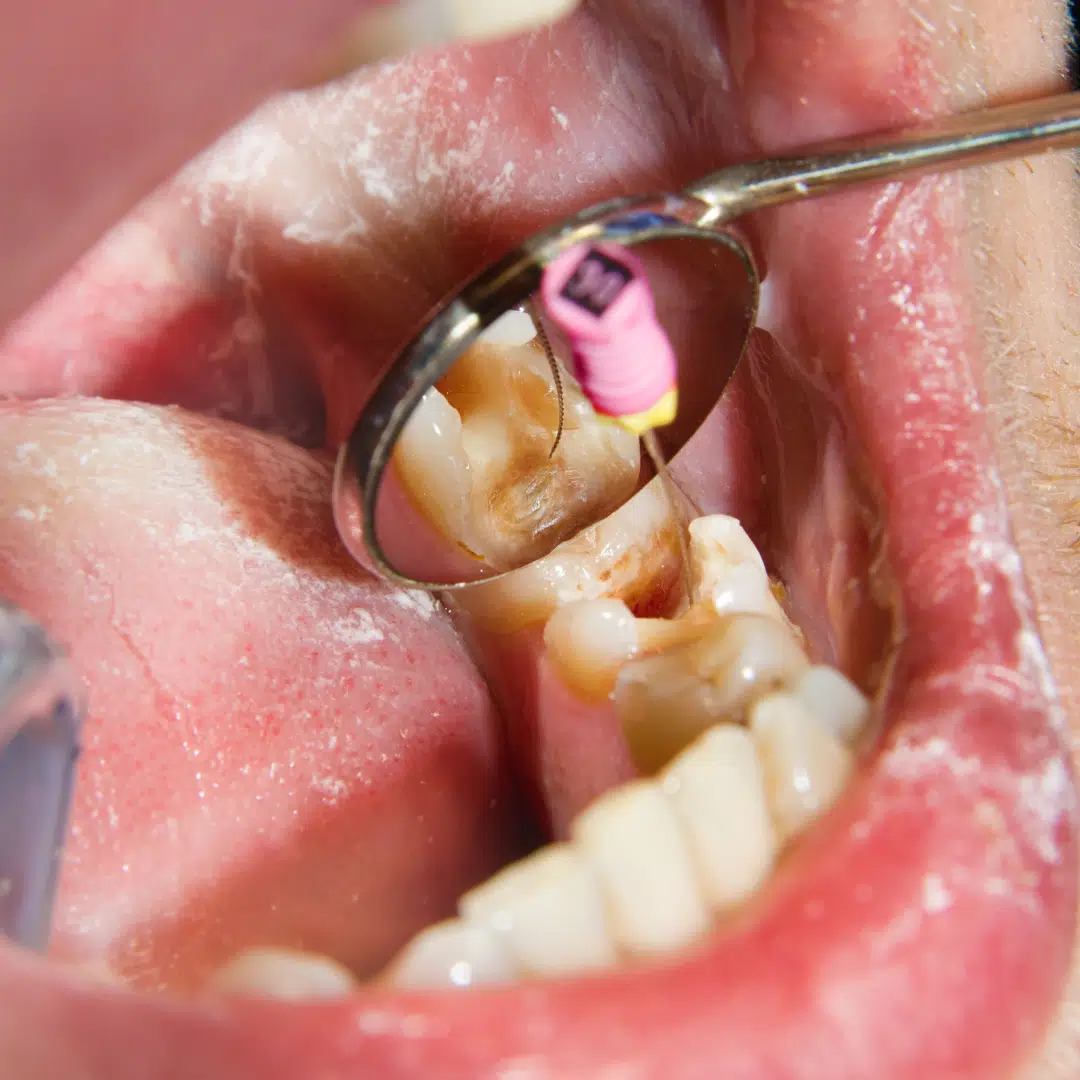
    A root canal is a dental procedure used to treat infection at the centre of a tooth. This infection is usually caused by bacteria that live in the mouth and invade the tooth. This can occur after tooth decay, leaky fillings, or damage to teeth as a result of trauma. Root canal treatment is designed to eliminate bacteria from the infected root canal, prevent reinfection of the tooth, and save the natural tooth and your dental clinic Preston is here to help you.

    Symptoms of an Untreated Root Canal

    Persistent Pain

    One of the most apparent signs of an untreated root canal is continuous pain. This discomfort can range from a dull ache to severe pain. It might worsen when you bite down, chew, or apply pressure to the tooth. The pain may sometimes radiate to the jaw or ear.

    Swelling and Tenderness

    Swelling in the gums near the affected tooth is another sign of an untreated root canal. This swelling can sometimes extend to the face or neck.

    Abscess Formation

    A dental abscess is a severe and potentially life-threatening condition that can occur if a root canal infection is left untreated. These are pus-filled pockets that form at the end of the tooth’s roots as a defense mechanism against the infection. An abscess can cause a severe, throbbing pain and may lead to fever and swelling.

    Tooth Discolouration

    An infected tooth can often become discoloured. This discolouration is usually gray, yellow, or black. It occurs because the infection affects the tooth’s internal tissue, leading to a loss of the tooth’s natural whiteness.

    Risks of Ignoring Treatment

    Not treating a root canal can lead to several serious complications:

    Spread of Infection

    If the infection is not treated, it can spread to the jawbone and other areas of the head and neck. This can lead to other health complications, including systemic infections in severe cases.

    Loss of Tooth

    Without treatment, the tooth may become so damaged that it must be extracted.

    Systemic Health Issues

    Severe dental infections can sometimes impact overall health. In rare cases, a severe infection can lead to sepsis, a life-threatening response to infection.

    Treatment Options

    Root Canal Therapy

    This is the standard treatment for a root canal infection and involves removing the infected tissue, cleaning and disinfecting the inside of the tooth, and then filling and sealing it at dental clinic Preston.

    Alternatives

    If a root canal is not feasible, alternatives may include tooth extraction followed by a dental implant or bridge. Your dentist in the dental clinic Preston will provide you with the most suitable treatment for you.

    Prevention and Early Detection

    The best way to prevent the need for root canal treatment is through good oral hygiene. This includes regular brushing, flossing, and visits to your Preston dentist at the dental clinic in Preston. Early detection and treatment of problems with your teeth can prevent the progression to a root canal infection.

    Conclusion

    Ignoring the symptoms of an untreated root canal can have significant consequences for your dental and overall health. If you are experiencing any of the symptoms described above, it’s important to seek professional dental advice at dental clinic Preston promptly. Remember, early intervention can save your tooth and prevent more serious health issues. Bright Smile Dental Clinic, as your dental clinic in Preston will provide you with the best dental treatments you deserve.

  • Understanding Bad Taste After Root Canal treatment with your dentist in Preston

    Understanding Bad Taste After Root Canal treatment with your dentist in Preston

    Experiencing a bad taste in your mouth after a root canal can be disconcerting and uncomfortable. Patients often report this as a side effect of the procedure, but what exactly causes it? Is it a sign of an underlying issue, or merely a temporary inconvenience? Let’s dig into the reasons behind this unpleasant aftertaste and explore how your dentist in Preston approaches this common complaint.

    Root Canal Aftertaste: An Indication of Infection?

    The primary purpose of a root canal is to clear an infection from the tooth’s pulp. However, the presence of a foul odour or bad taste post-treatment could signal that the infection wasn’t entirely eradicated. This residual infection might release substances that have a decay-like smell, comparable to rotten eggs or worse, which in turn could cause a bad taste in your mouth.

    The Role of Medications and Procedures

    Not all bad tastes are indicative of infection. Sometimes, the taste comes from the chemicals used during the procedure, such as the irrigation solution or the medicated dressing placed inside the tooth. These substances are essential for the treatment but can leave a distinct flavour in your mouth temporarily.

    Why Does This Happen? Insights from Coburg Dentist

    Your Coburg dentist at Bright Smile Dental Clinic might explain that an infection could remain if the cleaning wasn’t thorough or if the bacteria were particularly resistant. Your dentist in Preston might add that a bad taste could also stem from a dry mouth or the use of certain medications unrelated to the dental procedure itself.

    When to Seek Further Help

    If the bad taste persists, especially accompanied by pain or swelling at the root canal site, it’s crucial to consult your Coburg dentist. Persistent symptoms could suggest that the infection is still active or that a reinfection has occurred, which may require additional treatment or even endodontic surgery.

    Preventive Measures and Aftercare

    To avoid such complications, it’s important to follow the aftercare instructions provided by your dentist in Preston. This includes maintaining good oral hygiene, avoiding certain foods during the healing process, and possibly using medicated rinses as prescribed.

    Conclusion: The Importance of Expert Care

    In conclusion, while a bad taste in your mouth following a root canal can be quite normal due to the materials used, it should not be dismissed, especially if it lingers.  Your dentist in Preston or Coburg dentist at Bright Smile dental Clinic, are equipped to handle these complications and ensure your comfort and health post-procedure.

    Remember, a root canal is a step towards better dental health, and understanding the journey, including the odd aftertaste, can make the process smoother and less daunting.

  • The Scourge of Root Canal Infections and How Dentist in Preston Triumphs Over It

    The Scourge of Root Canal Infections and How Dentist in Preston Triumphs Over It

    In the realm of dental procedures, few treatments carry the dread associated with the phrase ‘root canal’. Despite the essentiality of this procedure, the mere mention often elicits cringes and apprehension from patients. One of the primary concerns behind this fear? The potential for root canal infections. But at Bright Smile Dental Clinic, your dentist in Preston don’t just ensure a pain-free and seamless root canal procedure; we’re pioneers in preventing and expertly managing post-procedural infections.

    Understanding Root Canal Infections

    A root canal is necessary when the pulp, the innermost part of the tooth, becomes infected or inflamed. Left untreated, this can lead to pain, swelling, and the eventual loss of the tooth.

    Infections can sometimes occur after a root canal treatment due to:

    1. The persistence of bacteria after the treatment. 
    2. An undetected crack in the tooth. 
    3. A breakdown of the sealing material over time. 
    4. A new cavity that exposes the inner tooth to bacteria. 
    5. Dentist in Preston Superior Approach 

    At Bright Smile Dental Clinic, our approach to dental procedures, particularly root canals, is an intricate blend of advanced technology, seasoned expertise, and compassionate care. Here’s how your dentist in Preston stands out in preventing and managing root canal infections:

    1. Cutting-edge Equipment: using state-of-the-art equipment allows your dentist in Preston to spot even the tiniest of cracks or remaining bacteria, ensuring that the root canal procedure is thorough.
    2. Expert Dentists: Our team of Preston dentists consists of seasoned professionals who stay up-to-updated with the latest in dental research and techniques. Their expertise is pivotal in ensuring root canals are executed flawlessly, reducing the chance of post-procedure infections.
    3. Sterilisation Protocols: Our sterilisation methods are stringent. Every instrument undergoes a rigorous cleaning process to eliminate any potential contaminants.
    4. Sealing Mastery: One of the main culprits behind root canal infections is a breakdown of the sealing material. At our dental clinic in Preston, we use top-grade materials and techniques to seal the treated area, ensuring durability and protection against bacteria.
    5. Patient Education: We believe in empowering our patients. Post-procedure, our Preston dentists provide detailed guidance on oral care, ensuring that the treated area remains clean and free from potential infection.

    Dedicated Post-Treatment Follow-ups

    What truly sets our Preston dental clinic apart is our unwavering commitment to our patients even after they leave our premises. Our post-treatment follow-ups are testament to this dedication.

    1. Scheduled Check-ins: After a dental procedure, especially something as intricate as a root canal, our dentist in Preston schedules periodic check-ins with patients. This allows our Preston dentist to monitor the treated area, ensuring everything is healing as it should.
    2. Immediate Addressal: Should there be even a hint of potential infection or discomfort, our team at a dental clinic in Preston is prompt in addressing the issue, ensuring that minor concerns don’t escalate into major problems.
    3. Patient Feedback: We actively seek feedback from our patients during follow-ups. This not only helps us gauge their comfort but also constantly refines our post-treatment care protocols.

    Conclusion

    Dental procedures, especially root canals, don’t have to be dreaded experiences marred with post-treatment complications. At Bright Smile Dental Clinic, we’re redefining this narrative. Our meticulous approach to prevention and post-procedure management of root canal infections ensures that our patients not only leave with a brighter smile but also with the peace of mind that their dental health is in expert hands.

    So, if you’re seeking dental care that prioritises excellence in treatment and post-treatment care, look no further than Bright Smile Dental Clinic as your dentist in Preston. Your smile, and its health, deserve nothing but the best. Book your appointment with dentist in Preston today!

  • Don’t Ignore These 4 Red Flags of a Root Canal Infection

    Don’t Ignore These 4 Red Flags of a Root Canal Infection

    Are you experiencing persistent pain or swelling after a root canal treatment? Don’t ignore these warning signs! A root canal infection can be a serious issue that requires immediate attention. In this article, we’ll explore four red flags that should not be overlooked. First, if you notice a foul odor or taste in your mouth, it could be a sign of an infection. Second, heightened sensitivity to hot or cold temperatures could indicate an underlying problem. Third, swelling or tenderness in the gums around the treated tooth may be an indication of infection. And finally, persistent pain or discomfort that lasts beyond the initial healing period is a clear red flag. By recognising these warning signs, you can take the necessary steps to address the infection and prevent further complications. Don’t ignore these red flags that your oral health depends on it! Call your Preston dentist at Bright Smile Dental Clinic.

    Understanding root canal infections

    A root canal infection occurs when bacteria infiltrate the pulp, the innermost part of the tooth that contains nerves and blood vessels. This can happen as a result of deep decay, trauma to the tooth, or a cracked tooth. During a root canal treatment, the infected pulp is removed, and the tooth is cleaned and sealed to prevent further infection. However, in some cases, the infection may persist or reoccur after the treatment. It is important to understand the signs and symptoms of a root canal infection to ensure timely intervention and prevent complications.

    Root canal infections are typically caused by bacteria that thrive in the mouth. These bacteria can enter the tooth through a cavity or a crack, leading to an infection. If left untreated, the infection can spread to the surrounding tissues and even to other parts of the body, causing serious health problems. That’s why it is crucial to recognise the red flags of a root canal infection and seek prompt treatment.

    Common symptoms of a root canal infection

    Recognising the symptoms of a root canal infection is essential for early detection and treatment. While some symptoms may be mild initially, they can worsen over time if left unattended. Here are some common signs that indicate a root canal infection:

    1. Foul odour or taste: A persistent bad taste or odour in the mouth can be a sign of an infection. This can occur due to the presence of bacteria or pus in the tooth or gums. If you notice an unpleasant taste or smell that doesn’t go away, it is important to consult your dentist.
    2. Sensitivity to hot or cold: Heightened sensitivity to hot or cold temperatures, especially in the treated tooth, can be an indication of an underlying infection. If you experience sharp, shooting pain or discomfort when consuming hot or cold foods and beverages, it is advisable to seek professional help.
    3. Swelling or tenderness in the gums: Swelling or tenderness in the gums around the treated tooth may be a sign of infection. Inflammation and redness are common indicators of an underlying problem. If you notice any changes in the appearance or texture of your gums, it is important to have it evaluated by a dental professional.
    4. Persistent pain or discomfort: While some pain and discomfort are normal after a root canal treatment, it should subside within a few days or weeks. If you experience persistent pain or discomfort that lasts beyond the initial healing period, it may be a red flag of an ongoing infection. Ignoring this symptom can lead to further complications, so it is crucial to address it promptly.

    Red flags to watch out for during a root canal treatment

    During a root canal treatment, there are certain red flags that should not be ignored. These warning signs indicate that the infection may not have been fully resolved or that complications have arisen. If you notice any of the following symptoms during or after your root canal treatment, it is important to seek immediate professional help:

    1. Severe pain: While some discomfort is expected during a root canal treatment, severe pain that is not alleviated by over-the-counter pain medications is a cause for concern. This could indicate that the infection is still present or that the treatment was not successful. Your dentist will be able to determine the cause of the pain and recommend appropriate treatment.
    2. Swelling or abscess: Swelling or the formation of a pus-filled abscess can indicate an ongoing infection. If you notice any swelling or a pimple-like bump on your gums near the treated tooth, it is important to inform your dentist immediately. This could be a sign that the infection has not been fully eradicated and needs further attention.
    3. Persistent sensitivity: While some sensitivity is common after a root canal treatment, it should gradually improve over time. If you find that your tooth remains highly sensitive to hot or cold temperatures even after the initial healing period, it could indicate that the infection is still present. Your dentist will be able to assess the situation and recommend appropriate treatment options.
    4. Recurring symptoms: If you experience a recurrence of the initial symptoms, such as pain, swelling, or sensitivity, it may suggest that the root canal treatment was not successful or that a new infection has developed. It is important to address these symptoms promptly to prevent further complications and ensure the success of the treatment.

    Ignoring these red flags can have serious consequences for your oral health. An untreated root canal infection can lead to the spread of bacteria, further damage to the tooth, and even systemic health issues. By seeking professional help at the first sign of trouble, you can prevent these complications and ensure the best possible outcome for your oral health.

    Complications of ignoring a root canal infection

    Ignoring a root canal infection can have serious implications for your oral health. If left untreated, the infection can spread to the surrounding tissues, including the jawbone, leading to more extensive damage. Here are some potential complications that can arise from ignoring a root canal infection:

    1. Abscess formation: An untreated root canal infection can lead to the formation of an abscess, which is a pocket of pus that forms at the root of the tooth. Abscesses can cause severe pain, swelling, and a high risk of further infection. In some cases, the abscess may need to be drained surgically.
    2. Tooth loss: If the infection spreads and causes significant damage to the tooth and surrounding structures, it may be necessary to extract the affected tooth. Tooth loss can have a negative impact on your oral health and overall well-being, affecting your ability to chew, speak, and smile confidently.
    3. Spread of infection: Ignoring a root canal infection can allow the bacteria to spread to other parts of the body through the bloodstream. This can lead to serious systemic health issues, including heart disease, stroke, and respiratory infections. It is crucial to address the infection promptly to prevent these complications.
    4. Chronic pain and discomfort: An untreated root canal infection can cause chronic pain and discomfort, affecting your quality of life. Persistent pain can make it difficult to eat, sleep, and carry out daily activities. By seeking treatment early on, you can alleviate pain and prevent long-term discomfort.

    Ignoring a root canal infection is not worth the risk. By recognising the red flags and taking appropriate action, you can prevent complications and ensure the best possible outcome for your oral health.

    How to prevent root canal infections

    Preventing root canal infections starts with maintaining good oral hygiene practices. Here are some tips to help you keep your teeth and gums healthy:

    1. Brush and floss regularly: Proper brushing and flossing are essential for removing plaque and bacteria from your teeth and gums. Brush at least twice a day using a soft-bristled toothbrush and fluoride toothpaste. Floss daily to clean between your teeth and along the gumline.
    2. Limit sugary foods and drinks: Bacteria in the mouth feed on sugar, producing acids that can erode tooth enamel and lead to cavities. Limit your consumption of sugary foods and drinks, and opt for healthier alternatives like fresh fruits and vegetables.
    3. Visit your Preston dentist regularly: Regular dental check-ups are crucial for maintaining good oral health. Your Coburg dentist at Preston clinic can detect early signs of decay or infection and provide appropriate treatment. Aim to visit your Preston dentist at least twice a year for cleanings and comprehensive examinations.
    4. Wear a mouthguard: If you play contact sports or grind your teeth at night, consider wearing a mouthguard to protect your teeth from injury. Mouthguards can help prevent fractures and trauma that can lead to root canal infections.
    5. Avoid tobacco and excessive alcohol consumption: Tobacco use and excessive alcohol consumption can have detrimental effects on your oral health. These habits increase the risk of gum disease and other dental problems. Quit smoking and limit your alcohol intake to maintain a healthy mouth.

    By following these preventive measures, you can reduce the risk of developing a root canal infection and maintain optimal oral health.

    When to seek professional help for a root canal infection

    If you suspect you have a root canal infection, it is crucial to seek professional help from your dentist in Preston as soon as possible. Your dentist will be able to assess your symptoms, perform a thorough examination, and recommend appropriate treatment. Here are some signs that indicate it’s time to seek professional help:

    1. Persistent pain or discomfort: If you experience persistent pain or discomfort that lasts beyond the initial healing period, it may be indicative of an ongoing infection. Your dentist will be able to determine the cause of the pain and recommend the appropriate course of action.
    2. Swelling or tenderness: Swelling or tenderness in the gums around the treated tooth can be a sign of an infection. If you notice any changes in the appearance or texture of your gums, it is important to have it evaluated by a dental professional.
    3. Foul odour or taste: A persistent bad taste or odour in the mouth can be a sign of an infection. If you notice an unpleasant taste or smell that doesn’t go away, it is important to consult your dentist.
    4. Recurring symptoms: If you experience a recurrence of the initial symptoms, such as pain, swelling, or sensitivity, it may suggest that the root canal treatment was not successful or that a new infection has developed. It is important to address these symptoms promptly to prevent further complications and ensure the success of the treatment.

    Your dentist in Preston will be able to diagnose the root canal infection and recommend the most appropriate treatment option, which may include root canal retreatment or even tooth extraction in severe cases. Early intervention is key to preventing complications and preserving your oral health.

    Red flags in post-treatment care of a root canal

    Proper post-treatment care is essential for the success of a root canal treatment. While most patients experience a smooth recovery, there are certain red flags that should not be ignored. Here are some warning signs to watch out for during the post-treatment period:

    1. Severe pain: While some discomfort is expected after a root canal treatment, severe or worsening pain could indicate an issue. If you experience intense or persistent pain that is not relieved by over-the-counter pain medications, it is important to contact your dentist for further evaluation.
    2. Swelling or prolonged inflammation: Swelling or prolonged inflammation in the treated area can indicate an unresolved infection or other complications. If you notice significant swelling or if the area remains red and tender for an extended period, it is important to seek professional advice.
    3. Persistent sensitivity: Sensitivity to hot or cold temperatures is common after a root canal treatment. However, if the sensitivity persists or worsens over time, it may suggest an ongoing infection or other underlying issues. Consult your dentist if you experience persistent sensitivity.
    4. Changes in bite or tooth position: If you notice any changes in your bite or the position of the treated tooth, it may indicate a problem with the root canal treatment. Changes in the alignment or feeling of the tooth should be evaluated by your dentist.

    If you experience any of these red flags during your post-treatment care, it is important to contact your dentist promptly. Early intervention can prevent complications and ensure the success of the root canal treatment.

    Tips for maintaining oral health after a root canal treatment

    After undergoing a root canal treatment, it is important to take proper care of your oral health to ensure the long-term success of the procedure. Here are some tips to help you maintain a healthy mouth after a root canal:

    1. Practice good oral hygiene: Continue to brush and floss your teeth regularly to keep them clean and free from plaque. Use a soft-bristled toothbrush and fluoride toothpaste, and be gentle around the treated tooth to avoid any discomfort.
    2. Avoid hard or sticky foods: For the first few days after the root canal treatment, it is advisable to avoid hard or sticky foods that can put excessive pressure on the treated tooth. Opt for softer foods and chew on the opposite side of your mouth to prevent any damage.
    3. Rinse with warm saltwater: Rinse your mouth with warm saltwater a few times a day to help reduce inflammation and keep the area clean. Mix half a teaspoon of salt with eight ounces of warm water and swish it around your mouth for 30 seconds before spitting it out.
    4. Follow your dentist’s instructions: Your dentist in Preston clinic will provide you with specific instructions for post-treatment care. Follow these instructions diligently, including any prescribed medications or additional appointments.
    5. Maintain regular dental check-ups: Regular dental check-ups are essential for monitoring the success of the root canal treatment and maintaining overall oral health. Schedule routine visits with your dentist, who will assess the treated tooth and address any concerns.

    By following these tips, you can promote healing, prevent further complications, and maintain a healthy mouth after a root canal treatment.

    Importance of regular dental check-ups

    Regular dental check-ups are crucial for maintaining good oral health and preventing dental problems, including root canal infections. Here are some reasons why regular dental visits are important:

    1. Early detection of issues: Regular dental check-ups allow your dentist to detect early signs of decay, gum disease, or other dental problems. Early intervention can prevent the need for more invasive treatments, such as root canal therapy.
    2. Professional cleaning: Dental cleanings performed by a dental hygienist help remove plaque and tartar buildup that cannot be removed by regular brushing and flossing alone. This helps prevent gum disease and cavities, reducing the risk of root canal infections.
    3. Oral cancer screening: During a dental check-up, your dentist will also perform an oral cancer screening. Early detection is key to successful treatment, and regular screenings can help identify potential issues before they become more serious.
    4. Customised advice and treatment: Your dentist can provide personalised advice and treatment based on your specific oral health needs. They can address any concerns you may have and recommend preventive measures to keep your teeth and gums healthy.
    5. Overall health assessment: Oral health is closely linked to overall health. Have a regular overall health checkup with your GP.
  • Preventing Cavities in Your Toddler With Your Coburg Dentist

    Preventing Cavities in Your Toddler With Your Coburg Dentist

    As a parent, you want to do everything you can to keep your child healthy and happy. One important aspect of their health is their dental hygiene. Cavities are a common dental issue that affects many children, and it’s essential to take steps to prevent them from occurring. As a parent, you play a significant role in your child’s oral health, which is why we’ve created this essential guide to preventing cavities in your toddler. In this guide, we’ll cover everything you need to know, from understanding the causes of cavities to practical tips you can start implementing today to keep your child’s teeth healthy. So, whether you’re a new parent or have been through the toddler years before, join us as we explore the best ways to prevent cavities and keep your child’s smile shining bright. Your Coburg dentist at Bright Smile Dental Clinic in Preston provides you with the best consultation for your children’s dental health.

    Why Preventing Cavities is Important

    Cavities can cause pain and discomfort, which can impact your child’s eating habits and overall health. Additionally, untreated cavities can lead to more severe dental issues, such as tooth decay or even tooth loss. Preventing cavities in your toddler is essential for their overall health and well-being.

    Signs and Symptoms of Cavities in Toddlers

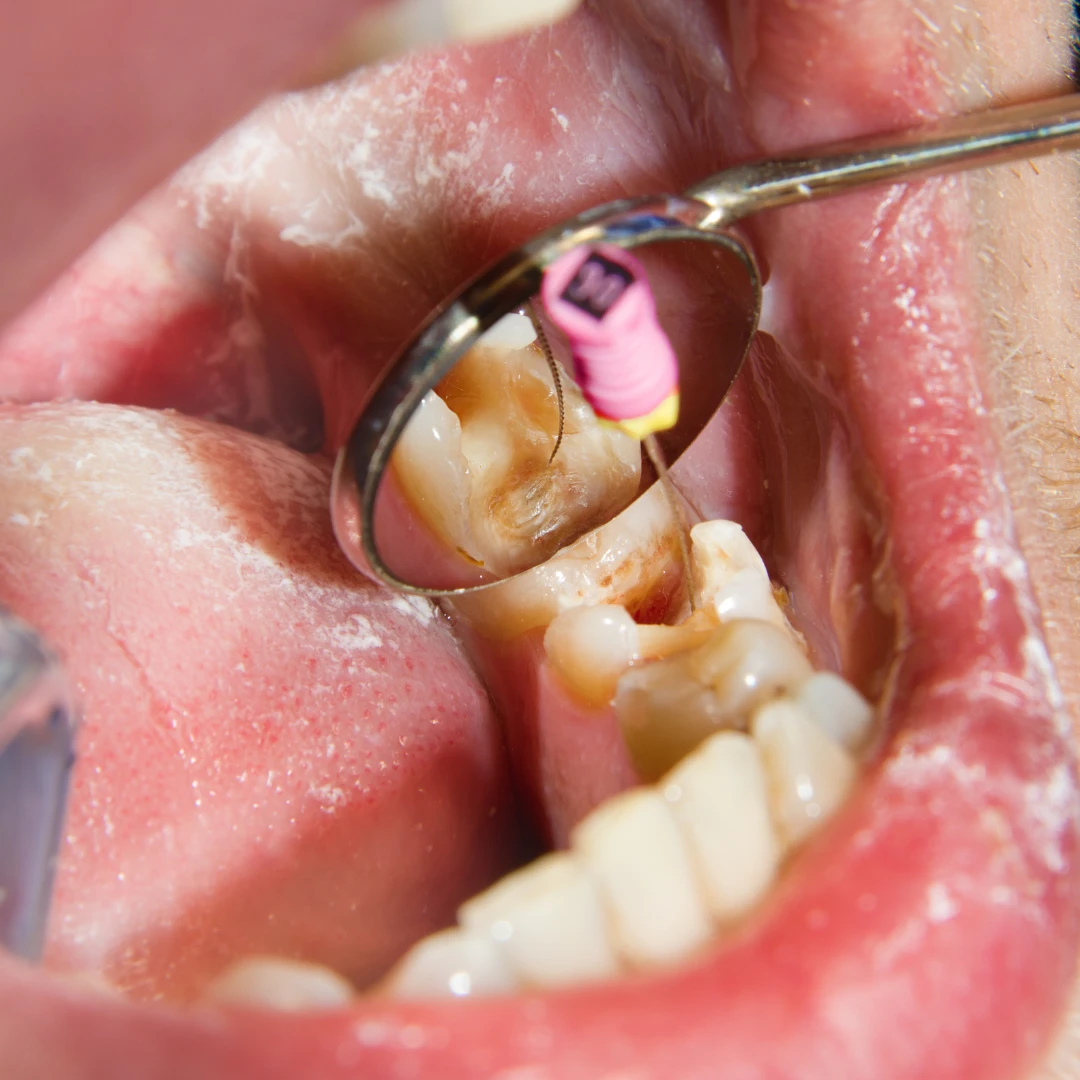
    It’s essential to recognise the signs and symptoms of cavities in toddlers. Some common symptoms include tooth sensitivity, pain when chewing, and visible holes or pits in the teeth. If you notice any of these symptoms, it’s essential to take your child to the dentist as soon as possible.

    Factors that Contribute to Cavity Development in Toddlers

    Several factors can contribute to cavity development in toddlers. One of the most significant factors is poor oral hygiene. Toddlers may not be able to brush their teeth effectively, which can lead to the buildup of plaque and bacteria. Additionally, a diet high in sugar and carbohydrates can contribute to cavity development.

    Tips for Preventing Cavities in Toddlers

    Preventing cavities in toddlers requires a multi-faceted approach. Here are some tips to help keep your child’s teeth healthy:

    Brushing

    Brushing your child’s teeth twice a day is essential for preventing cavities. Use a soft-bristled toothbrush and fluoride toothpaste. Brush the teeth in a circular motion, making sure to clean all surfaces of the teeth and gums.

    Flossing

    Flossing is an essential part of dental hygiene, even for toddlers. Floss your child’s teeth once a day to remove any food particles or plaque that may be stuck between the teeth.

    Diet

    A diet high in sugar and carbohydrates can contribute to cavity development. Encourage your child to eat a balanced diet that includes fruits, vegetables, and whole grains. Limit sugary snacks and drinks, such as candy and soda.

    Choosing the Right Toothpaste and Toothbrush for Your Toddler

    Choosing the right toothpaste and toothbrush for your toddler is essential for their dental hygiene. Look for a fluoride toothpaste that is specifically designed for toddlers. Additionally, choose a soft-bristled toothbrush that is small enough for your child’s mouth.

    When to Take Your Toddler to the Dentist

    It’s essential to take your toddler to the dentist regularly. The American Dental Association recommends that children see a dentist by their first birthday. After the first visit, your child should see the dentist every six months for regular cleanings and checkups with your Coburg dentist at Bright Smile Dental Clinic in Preston.

    Common Dental Procedures for Toddlers – Fluoride Treatments and Sealants

    Fluoride treatments and sealants are common dental procedures for toddlers. Fluoride treatments help strengthen the teeth and prevent cavities, while sealants are a protective coating that is applied to the teeth to prevent decay.

    Fun Ways to Encourage Good Dental Habits in Toddlers

    Encouraging good dental habits in toddlers can be a challenge, but it’s essential for their dental health. Try incorporating fun activities into your child’s dental routine, such as singing a tooth-brushing song or letting them pick out a fun toothbrush.

    Conclusion – The Importance of Early Dental Care for Lifelong Oral Health

    Preventing cavities in toddlers is essential for their overall health and well-being. By following these tips, you can help keep your child’s teeth healthy and prevent dental issues in the future. Remember, early dental care is essential for lifelong oral health, so start taking care of your child’s teeth today.

    In conclusion, taking care of your child’s teeth is an essential part of their overall health. Preventing cavities in toddlers requires a multi-faceted approach, including good brushing and flossing habits, a healthy diet, and regular dental checkups. By following these tips, you can help keep your child’s smile shining bright for years to come. Your dentist in Preston at Bright Smile Dental Clinic provides your family with dental checkups and follow-ups to make sure you and your children’s dental health is in the best condition. You can also benefit from Child Dental Benefit Schedule (CDBS).

  • Do You Need a Root Canal? 7 Important Signs to Watch For your dental health

    Do You Need a Root Canal? 7 Important Signs to Watch For your dental health

    Maintaining our dental health is a crucial part of overall well-being. Unfortunately, when it comes to root canals, many of us only realise we need one when we are in the dentist’s chair. However, our bodies often send us warning signs that something might be amiss. Your Preston dentist at Bright Smile Dental Clinic provides you with the best guide to maintain your dental health. Here are seven telltale symptoms that might indicate you need a root canal:

    Persistent Pain

    Persistent tooth pain is a clear sign something could be wrong. If you experience ongoing pain that doesn’t go away or pain that flares up when eating or drinking, it’s time to visit your dentist.

    Sensitivity to Heat and Cold

    While occasional sensitivity to hot or cold foods isn’t uncommon, if the sensitivity lasts for an extended period or occurs even when your mouth isn’t exposed to temperature extremes, it might be a symptom of deep decay or nerve damage, requiring a root canal. Visit your dentist in Preston dental clinic for a full dental checkup.

    Swollen, Tender Gums

    Swollen or tender gums around a particular tooth could indicate an infection that needs a root canal treatment. In some cases, you may also notice a bump on your gums, often called a dental abscess or gum boil, which might release pus when pressed.

    Darkened or Discoloured Tooth

    If one of your teeth has become darkened or discoloured, it could be a sign of damage to the tooth’s nerves and blood vessels, indicating a potential need for a root canal. Preston dentist at Bright Smile Dental Clinic is here for you to have a full dental checkup.

    Prolonged Toothache or Discomfort While Chewing

    If you experience pain or discomfort when applying pressure to a tooth while eating, it could be a symptom of an infection or tooth decay reaching into the pulp of the tooth.

    Cracked or Chipped Tooth

    A cracked or chipped tooth can allow bacteria to enter the pulp, leading to an infection which could necessitate a root canal.

    Prolonged Bad Breath or Bad Taste in the Mouth

    While this can be a symptom of various dental issues, persistent bad breath or a bad taste in the mouth can be a sign of an oral infection.

    It’s important to remember that these symptoms can also be indicative of other dental issues. If you experience any of these symptoms, it’s crucial to make an appointment with your Preston dentist right away. Your Coburg dentist at Preston dental clinic can conduct a thorough examination and diagnose whether a root canal or another form of treatment is necessary. Early intervention is key to preserving your oral health and potentially preventing a root canal procedure. your Coburg dentist at Bright Smile Dental Clinic will provide you with the best root canal treatment that lasts a long life.

  • Does a Root Canal Hurt? Unpacking a Complex Question

    Does a Root Canal Hurt? Unpacking a Complex Question

    A question that has long echoed within the walls of dental clinics across the globe is, “Does a root canal hurt?” This simple query, however, holds a more complex answer. In this blog post, we’ll unravel the intricacies surrounding the perception of pain in root canal procedures, shedding light on what you can realistically expect.

    What is a Root Canal?

    To understand the root canal procedure, it’s important first to understand the basic anatomy of a tooth. Deep inside each tooth, beneath the white enamel and a hard layer called dentin, lies a soft tissue known as pulp. This pulp contains blood vessels, nerves, and connective tissue that helped grow the root of your tooth during its development. A root canal treatment is needed when this pulp becomes infected or inflamed.

    During a root canal procedure your general dentist in Coburg dental clinic at Bright Smile Dental Clinic in Preston removes the infected pulp, cleans and shapes the inside of the root canal, then fills and seals the space. The procedure concludes with the placement of a crown or other restoration on the tooth to protect it and restore its full function.

    Does It Hurt?

    The root of the question (pun intended) lies in understanding pain associated with a root canal procedure.

    Historically, root canals have been branded as the harbingers of discomfort due to outdated dental techniques used decades ago. However, advancements in dental technology and anaesthesia have come a long way since then. The pain often associated with root canals is usually due to the infection itself, not the procedure. In fact, the root canal procedure alleviates this pain.

    According to the American Association of Endodontists, a survey found that patients who’ve experienced root canal treatment are six times more likely to describe it as “painless” compared to individuals who haven’t had a root canal.

    Managing Pain Post-Procedure

    After the procedure, it’s normal to experience some tenderness or discomfort in the area for a few days, primarily due to the natural tissue inflammation, especially if there was pain or infection before the procedure. Over-the-counter pain medications are usually sufficient to manage this post-procedure discomfort. However, your Preston dentist might prescribe stronger pain relievers if needed.

    If the pain persists for an extended period, it’s crucial to contact your Coburg dentist at Bright Smile Dental Clinic promptly as this could indicate an issue that needs to be addressed.

    Conclusion: Prevention is Better Than Cure

    While a root canal treatment is a highly effective method to save a damaged tooth, the best strategy is to maintain a good oral hygiene regimen to prevent any dental infections in the first place. Regular brushing, flossing, and routine dental check-ups are essential to ensure the health of your teeth and gums.

    In conclusion, the answer to “Does a root canal hurt?” is a complex one, wrapped up in historical anecdotes and individual pain thresholds. However, with modern dental practices, anaesthesia, and pain management techniques, the procedure itself should not cause significant pain, instead providing relief from the discomfort caused by the infection. As always, any concerns about pain or discomfort should be discussed with your dentist in Preston who can provide you with comprehensive and personalised information. Call Bright Smile Dental Clinic today if you feel discomfort in your mouth.