Category: General Dentistry

  • Managing Dental Anxiety and Fear of the Dentist in Preston

    Managing Dental Anxiety and Fear of the Dentist in Preston

    For many people, visiting the dentist can be a challenging experience. Whether it’s the sound of the drill, the fear of pain, or a general sense of unease, dental anxiety is a common issue that affects individuals of all ages. At Bright Smile Dental Clinic in Preston, we understand the importance of addressing these fears to ensure that everyone receives the oral care they need. In this article, we will explore various tips and strategies to help you manage dental anxiety and feel more comfortable during your visits to our dental clinic. Whether you’re looking for a dental clinic in Preston or searching for a reliable dentist in Preston, we’re here to support you.

    Understanding Dental Anxiety

    Dental anxiety is more than just a simple dislike of the dentist. It’s a significant fear that can lead to avoidance of dental appointments, which in turn can cause serious oral health issues. Common triggers for dental anxiety include:

    • Fear of pain
    • Previous bad experiences at the dentist
    • Feeling helpless or out of control
    • Embarrassment about the condition of teeth
    • Fear of needles or dental instruments

    Recognising these triggers is the first step in managing your dental anxiety.

    Tips for Overcoming Dental Anxiety

    Communicate with Your Dentist

    Open communication with your dentist is crucial. At Bright Smile Dental Clinic in Preston, we encourage our patients to share their fears and concerns. By letting us know what triggers your anxiety, we can tailor your experience to be as comfortable as possible. Whether it needs extra time to settle into the chair or wanting a detailed explanation of the procedures, your dentist in Preston will listen and adjust accordingly.

    Bring a Support Person

    If it helps, bring a friend or family member with you to your appointment. Having a familiar face by your side can provide a sense of comfort and security. At our dental clinic in Preston, we welcome support people to accompany patients during their visits, ensuring that they feel safe and supported.

    Practice Relaxation Techniques

    Relaxation techniques can be incredibly effective in reducing dental anxiety. Here are a few methods to try before and during your appointment:

    • Deep Breathing: Practice deep, slow breathing to calm your nervous system. Inhale slowly through your nose, hold for a few seconds, and then exhale slowly through your mouth.
    • Progressive Muscle Relaxation: Focus on tensing and then relaxing different muscle groups in your body. Start from your toes and work your way up to your head.
    • Visualisation: Imagine yourself in a calm and peaceful place, such as a beach or a garden. Visualising a relaxing scene can help distract your mind from the dental procedure.

    Choose a Distraction

    Distraction can be a powerful tool to manage anxiety:

    • Listen to Music: Bring your headphones and listen to your favorite calming music during your appointment.
    • Watch a Movie: Some dental clinics offer the option to watch a movie or a show during treatment.
    • Focus on a Fidget Toy: If you prefer something tactile, bring a small stress ball or fidget toy to hold during your appointment.

    Schedule Morning Appointments

    If possible, schedule your dental appointments in the morning. This can help reduce the time you spend worrying about the appointment throughout the day. Additionally, starting your day with a completed dental visit can give you a sense of accomplishment and relief.

    Start with a Simple Visit

    If you haven’t been to the dentist in a while due to anxiety, consider starting with a simple, non-invasive visit. A routine check-up or cleaning at our dental clinic in Preston can help you get comfortable with the environment and build trust with your dentist.

    Sedation Options for Dental Anxiety

    For those with severe dental anxiety, sedation can be an effective solution. At Bright Smile Dental Clinic, we offer several sedation options to help you relax during your visit:

    Oral Sedation

    Oral sedation involves taking a prescribed medication before your appointment to help you feel calm and relaxed. Depending on the dosage, you may feel slightly drowsy but still awake, or you may fall into a light sleep. You will need someone to drive you home after your appointment.

    IV Sedation

    IV sedation is administered directly into your bloodstream and allows for a deeper level of sedation. You will be in a sleep-like state during the procedure and will have little to no memory of the experience. This option is typically reserved for more invasive procedures or patients with extreme anxiety.

    General Anesthesia

    General anesthesia is the deepest form of sedation and is usually used for complex dental surgeries. Under general anesthesia, you will be completely unconscious during the procedure. This option is performed in a hospital setting and requires thorough planning and consultation.

    Building a Trusting Relationship with Your Dentist

    One of the most effective ways to manage dental anxiety is to build a trusting relationship with your dentist. At Bright Smile Dental Clinic, we pride ourselves on creating a welcoming and compassionate environment for all our patients. We believe that trust is the foundation of a positive dental experience. Here’s how we foster that trust:

    • Personalised Care: We take the time to get to know our patients, understanding their unique needs and concerns.
    • Clear Communication: We explain every step of the process, so there are no surprises during your visit.
    • Gentle Approach: Our dentists are trained in gentle techniques that minimise discomfort and anxiety.
    • Ongoing Support: We provide ongoing support and follow-up care to ensure that you feel confident and comfortable with your dental health journey.

    Conclusion

    Managing dental anxiety is essential for maintaining good oral health. By communicating openly with your dentist, practicing relaxation techniques, and exploring sedation options, you can overcome your fears and receive the care you need. At Bright Smile Dental Clinic, your comfort and well-being are our top priorities. If you’re looking for a dental clinic in Preston that understands your concerns and offers compassionate care, look no further. Schedule your appointment today with our experienced dentist in Preston and take the first step towards a healthier, brighter smile.
  • Remove Wobbly Tooth Safely: 7 Proven Dentist-Approved Tips

    Remove Wobbly Tooth Safely: 7 Proven Dentist-Approved Tips

    Watching your child lose their first tooth is a big milestone. While the process of removing a wobbly tooth is natural, it can also be a little intimidating for both children and parents. At Bright Smile Dental Clinic in Preston, our dentists help families feel confident during this stage by offering professional guidance and reassurance.

    Here are 7 dentist-approved tips to make removing a wobbly tooth safe and stress-free.


    1. Check If the Tooth Is Ready

    Never rush the process. A tooth that is ready will feel very loose and may even move in different directions. If it’s still firm, wait a little longer — forcing it can cause pain or damage.


    2. Encourage Gentle Wiggling

    The safest way to help a tooth come out is through natural movement. Encourage your child to gently wiggle the tooth using their tongue or clean fingers. This helps loosen the roots gradually until the tooth falls out on its own.


    3. Use Clean Tissue or Gauze

    When the tooth is hanging by a thread, you can help with a clean tissue or gauze. Have your child wash their hands thoroughly, then gently twist the tooth with the gauze. If it doesn’t come out easily, give it more time.


    4. Apply Gentle Pressure, Not Force

    If the tooth is ready, a small twisting motion should remove it without pain. Never pull straight out or use unnecessary force — this can hurt the gums and increase the risk of infection.


    5. Clean the Area After Removal

    A little bleeding is normal. Have your child rinse with warm salt water to soothe the gums and prevent bacteria. Salt water is a safe, natural way to reduce the risk of infection.


    6. Watch for Signs of Trouble

    If your child has excessive bleeding, swelling, pain, or signs of infection (such as pus or a foul odour), it’s time to book an appointment. Our friendly team at Bright Smile Dental Clinic in Preston is always ready to help.


    7. Maintain Good Oral Hygiene

    Even after the tooth is gone, remind your child to keep brushing twice a day and flossing daily. Healthy gums and proper dental care ensure their adult teeth grow in strong and well-aligned.


    When to Visit a Dentist in Preston

    Sometimes, professional dental support is the best choice. Book a visit to Bright Smile Dental Clinic if:

    • Your child experiences persistent pain or discomfort.
    • There are signs of infection or swelling.
    • The new adult teeth aren’t coming in straight.
    • The loose tooth is interfering with eating or speaking.

    Our team provides safe, gentle care for kids — and we make every dental milestone a positive experience.


    Beyond Baby Teeth – Brightening & Restoring Smiles

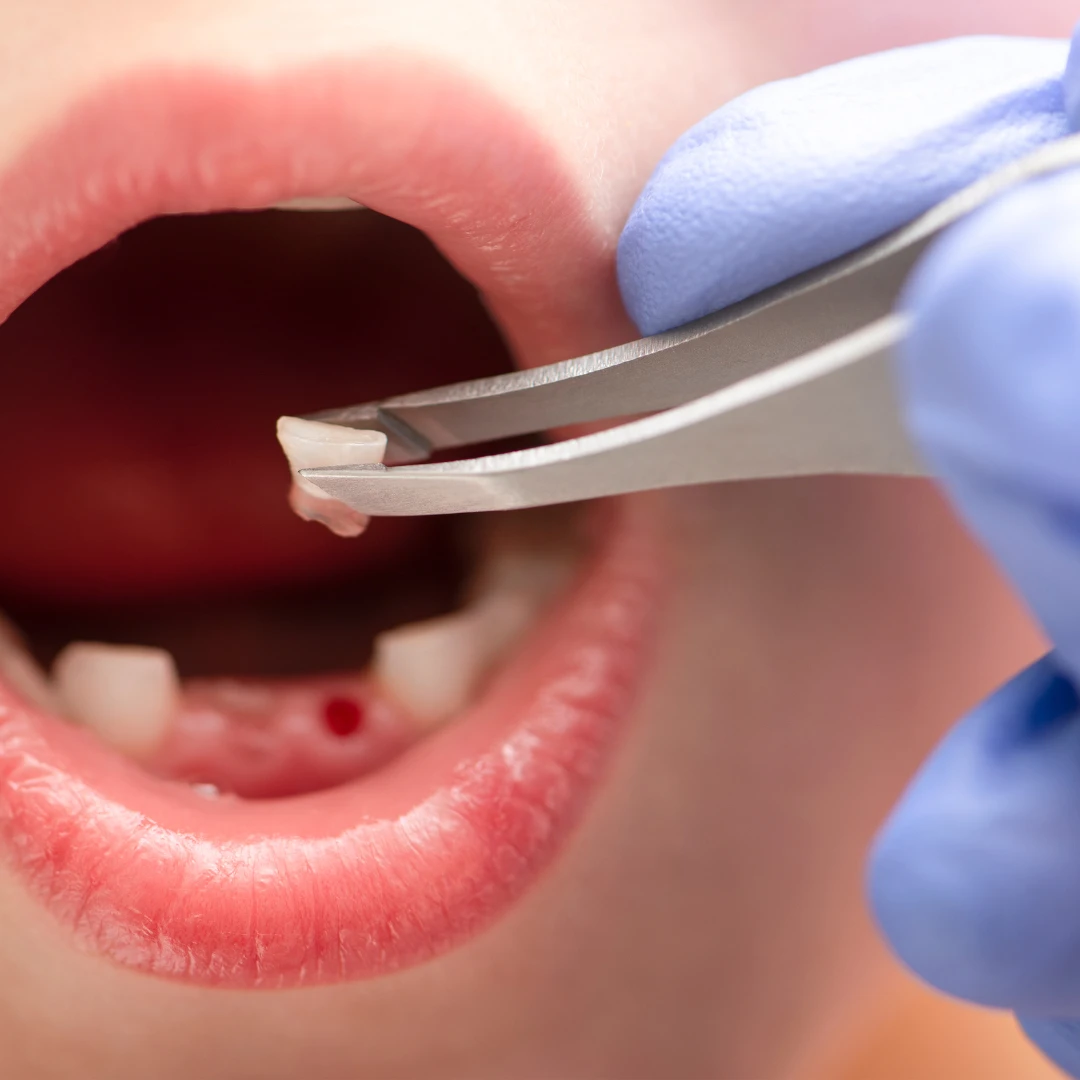
    Dentist showing parent how to safely remove a wobbly tooth in Preston

    At Bright Smile Dental Clinic, we offer a wide range of treatments to support your family’s dental health. Many parents explore options like Dental Implants to restore missing teeth later in life, or professional Teeth Whitening to brighten their smile.

    These services, combined with routine check-ups, help keep your family’s smiles healthy and confident.


    Why Choose Bright Smile Dental Clinic?

    • Experienced dentists who care for children and families
    • Gentle, dentist-approved comfort techniques
    • Convenient location serving Preston, Coburg, Reservoir, Heidelberg & Northcote
    • Friendly, supportive environment that makes dental visits stress-free

    For trusted advice and care, visit our Contact Page and book your child’s appointment today.


    External Authority Resource

    For more information about children’s oral health, visit the official Australian Dental Association – Children’s Oral Health.


    Conclusion

    Helping your child remove a wobbly tooth doesn’t have to be scary. With these 7 dentist-approved tips, you can make the process safe, easy, and comfortable. And remember, if any complications arise, the caring team at Bright Smile Dental Clinic is always here to help.

    Your child’s bright smile is our top priority.

  • How to Prevent the Need for a Root Canal Preston

    How to Prevent the Need for a Root Canal Preston

    Root canals, while essential in certain situations, can often be avoided with proper care and attention to your oral hygiene. If you’re seeking ways to maintain a healthy smile and prevent the need for a root canal in Preston, this guide is for you. We’ll explore effective strategies and tips to keep your teeth healthy and strong.

    Understanding Root Canals

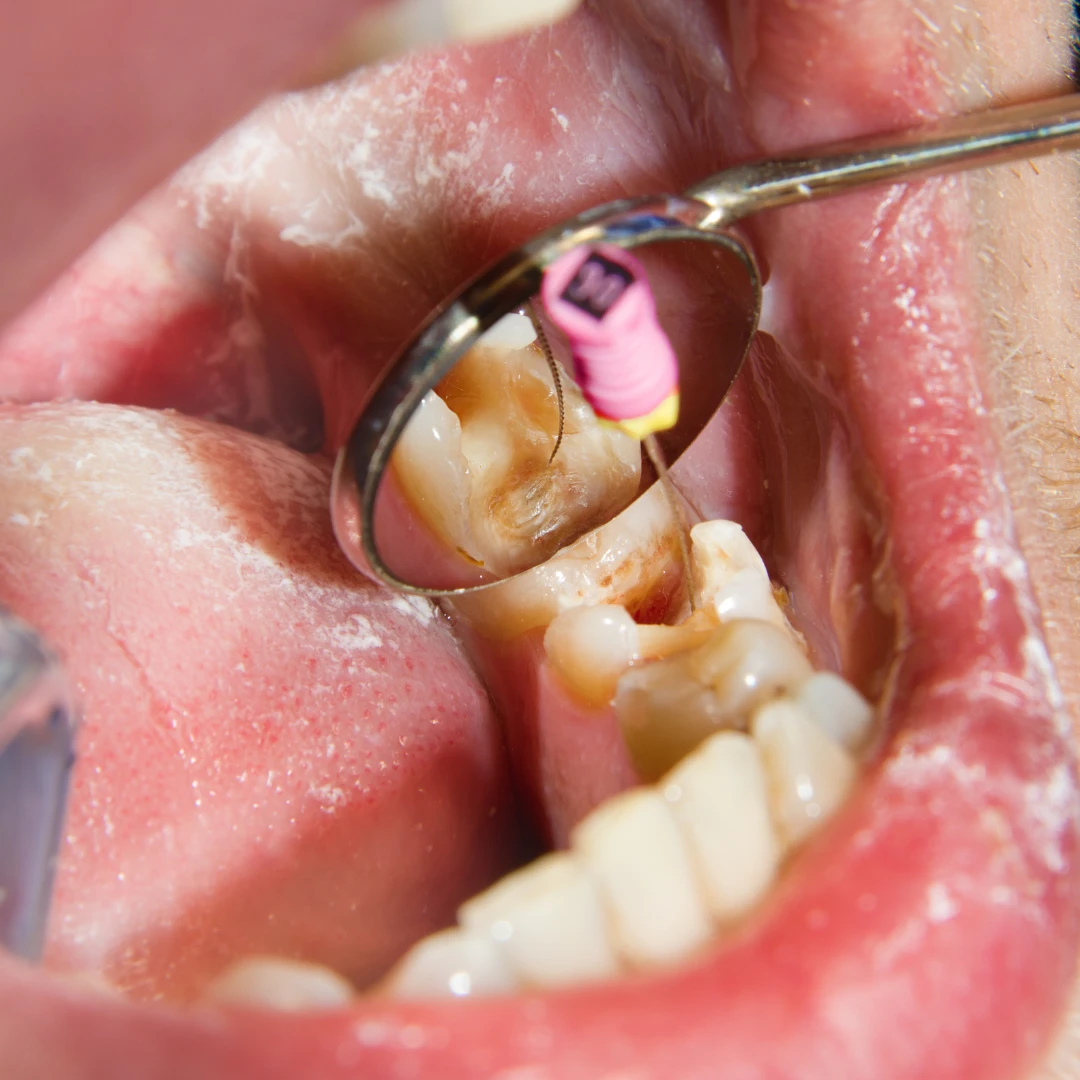
    Before diving into prevention, it’s important to understand what a root canal is and why it might be necessary. A root canal is a dental procedure designed to treat infected or damaged tooth pulp. The pulp, located in the center of your tooth, contains nerves and blood vessels. When it becomes infected due to decay, cracks, or trauma, a root canal is often required to save the tooth and alleviate pain.

    The Importance of Oral Hygiene

    The cornerstone of preventing the need for a root canal in Preston is maintaining excellent oral hygiene. Here are some fundamental practices to incorporate into your daily routine:

    • Brushing: Brush your teeth at least twice a day using fluoride toothpaste. Ensure you cover all surfaces of your teeth, including the front, back, and chewing surfaces. Use a toothbrush with soft bristles to avoid damaging your gums.
    • Flossing: Floss daily to remove plaque and food particles from between your teeth and under the gumline. This helps prevent cavities and gum disease, which can lead to tooth infections.
    • Mouthwash: Use an antibacterial mouthwash to reduce plaque and bacteria in your mouth. This can help prevent infections and keep your breath fresh.

    Regular Dental Check-Ups

    Visiting your Preston dentist regularly is crucial for preventing root canals. At Bright Smile Dental Clinic, we recommend scheduling check-ups every six months. During these visits, our dental professionals will:

    • Conduct Thorough Examinations: We check for signs of decay, cracks, or other issues that could lead to infection.
    • Perform Professional Cleanings: Removing plaque and tartar buildup that you might miss with regular brushing and flossing.
    • Provide Preventive Treatments: Fluoride treatments and dental sealants can help strengthen your teeth and prevent cavities.

    Healthy Diet and Nutrition

    Your diet plays a significant role in maintaining dental health and preventing the need for a root canal. Here are some dietary tips to follow:

    • Limit Sugary Foods and Drinks: Sugary substances contribute to tooth decay, which can lead to infections. Avoid sodas, candies, and other sugary snacks.
    • Eat a Balanced Diet: Include plenty of fruits, vegetables, lean proteins, and dairy products in your diet. These foods provide essential nutrients for strong teeth and gums.
    • Stay Hydrated: Drink plenty of water throughout the day. Water helps wash away food particles and bacteria, and it also promotes saliva production, which is essential for neutralising acids in your mouth.

    Protect Your Teeth from Injury

    Preventing dental injuries is another key factor in avoiding root canals. Here are some ways to protect your teeth:

    • Wear a Mouthguard: If you participate in sports or other activities that pose a risk of dental injury, wear a mouthguard to protect your teeth from trauma.
    • Avoid Chewing Hard Objects: Don’t chew on ice, popcorn kernels, or other hard objects that can crack or chip your teeth.
    • Use Your Teeth Properly: Don’t use your teeth as tools to open packages or bottles. This can cause damage that might lead to infections.

    Address Dental Issues Promptly

    If you experience any dental problems, such as tooth pain, sensitivity, or visible damage, don’t delay seeking treatment. Ignoring these issues can lead to infections that require a root canal. At Bright Smile Dental Clinic, we offer prompt and effective treatment to address dental problems before they escalate.

    The Role of Fluoride

    Fluoride is a mineral that helps strengthen tooth enamel and prevent decay. Here’s how you can ensure you’re getting enough fluoride:

    • Use Fluoride Toothpaste: Brushing with fluoride toothpaste is an easy and effective way to protect your teeth.
    • Drink Fluoridated Water: Many communities add fluoride to their water supply. Drinking fluoridated water can help keep your teeth strong.
    • Ask Your Dentist About Fluoride Treatments: During your regular check-ups at Bright Smile Dental Clinic, inquire about professional fluoride treatments for added protection.

    The Importance of Dental Sealants

    Dental sealants are a preventive measure that can significantly reduce the risk of cavities and the need for a root canal. Sealants are thin, protective coatings applied to the chewing surfaces of the back teeth (molars), where decay often starts. They act as a barrier, keeping out plaque and food particles. Ask your dentist if sealants are a good option for you or your children.

    Avoid Tobacco Products

    Using tobacco products, whether smoking or chewing, can increase your risk of tooth decay and gum disease, which can lead to infections requiring a root canal. Quitting tobacco can greatly improve your overall oral health and reduce the risk of dental problems.

    Managing Dry Mouth

    Dry mouth, or xerostomia, can contribute to tooth decay and infections. It occurs when your mouth doesn’t produce enough saliva. Here are some tips to manage dry mouth:

    • Stay Hydrated: Drink plenty of water throughout the day.
    • Chew Sugar-Free Gum: This can help stimulate saliva production.
    • Avoid Alcohol and Caffeine: These can dry out your mouth.
    • Use a Humidifier: This can add moisture to the air and help keep your mouth from drying out.

    Conclusion

    Preventing the need for a root canal Preston is achievable with a proactive approach to dental health. By maintaining excellent oral hygiene, visiting your dentist regularly, eating a balanced diet, and protecting your teeth from injury, you can keep your smile healthy and avoid the discomfort and expense of a root canal. At Bright Smile Dental Clinic, we are committed to helping you achieve and maintain optimal dental health. Schedule your next appointment with us today and take the first step towards a healthier, brighter smile! Benefits from the wide range of payment plan options and insurance.

  • Tooth Grinding in Adults | Dental Clinic Preston

    Tooth Grinding in Adults | Dental Clinic Preston

    Tooth grinding, or bruxism as it is medically known, is a condition that doesn’t discriminate by age but is particularly prevalent among adults. Many might not even be aware they have this condition until they visit us as their dentist in Preston for a routine check-up or with complaints that are classic signs of bruxism. Understanding the aspects of tooth grinding, including its causes, effects, and the solutions available, is crucial. In this blog post, we’ll explore the facets of bruxism with a focus on how your dental clinic Preston approaches this condition, aiming to provide both insight and solutions for those affected.

    Causes of Tooth Grinding in Adults

    Identifying the root cause of bruxism is essential for your Preston dentist to provide the most effective treatment. While the exact cause can be complex and multifactorial, several key factors are commonly recognised:

    • Stress and Anxiety: A significant contributor to tooth grinding or bruxism are stress and anxiety that can cause individuals to grind their teeth, often unknowingly during sleep. Bright Smile Dental clinic Preston emphasizes stress management as a crucial part of treatment for bruxism.
    • Sleep Disorders: Conditions such as sleep apnea are linked to bruxism. The dentist in Preston is skilled at identifying the signs of sleep-related disorders that may contribute to or exacerbate tooth grinding.
    • Lifestyle Factors: The consumption of caffeine, alcohol, and the use of tobacco can increase the risk of developing bruxism. Preston dentist often inquiries about these habits during diagnosis and treatment planning.
    • Medications and Other Conditions: Certain medications, including some types of antidepressants, can contribute to tooth grinding. Additionally, neurological conditions are also considered during assessments by Preston dental professionals.
    • Dental Issues: Misaligned teeth or an improper bite can lead to bruxism. Dental clinic Preston is equipped to diagnose and treat these underlying issues, potentially reducing the incidence of tooth grinding.

    Effects of Tooth Grinding

    The impact of bruxism is far-reaching, affecting more than just dental health. Recognising these effects is a step toward seeking timely intervention from your dentist in Preston.

    • Dental Damage: Chronic tooth grinding can lead to the wearing down of tooth enamel, increased sensitivity, and in severe cases, tooth loss. This is a primary concern for your dental clinic Preston, where prevention and treatment of such damage are a priority.
    • Jaw Disorders: Bruxism can contribute to TMJ disorders, causing pain and dysfunction in the jaw. The dentist in Preston is adept at diagnosing and treating TMJ-related issues stemming from bruxism.
    • Headaches and Earaches: The tension from grinding can lead to headaches and earaches, symptoms that are often reported by patients seeking dental care for bruxism.
    • Sleep Disruption: Bruxism can interfere with sleep, leading to fatigue and affecting overall quality of life. Addressing sleep disruption is a component of bruxism treatment in Preston dental clinic.
    • Facial Pain: Chronic tooth grinding can result in myofascial pain. Your Preston dentist can offer treatments and exercises to alleviate this discomfort.

    Solutions for Tooth Grinding

    Addressing bruxism involves a multifaceted approach, combining dental intervention with lifestyle modifications, and when necessary, psychological support. Dentists in Preston at Bright Smile Dental Clinic are well-equipped to provide comprehensive treatment plans tailored to the individual’s needs.

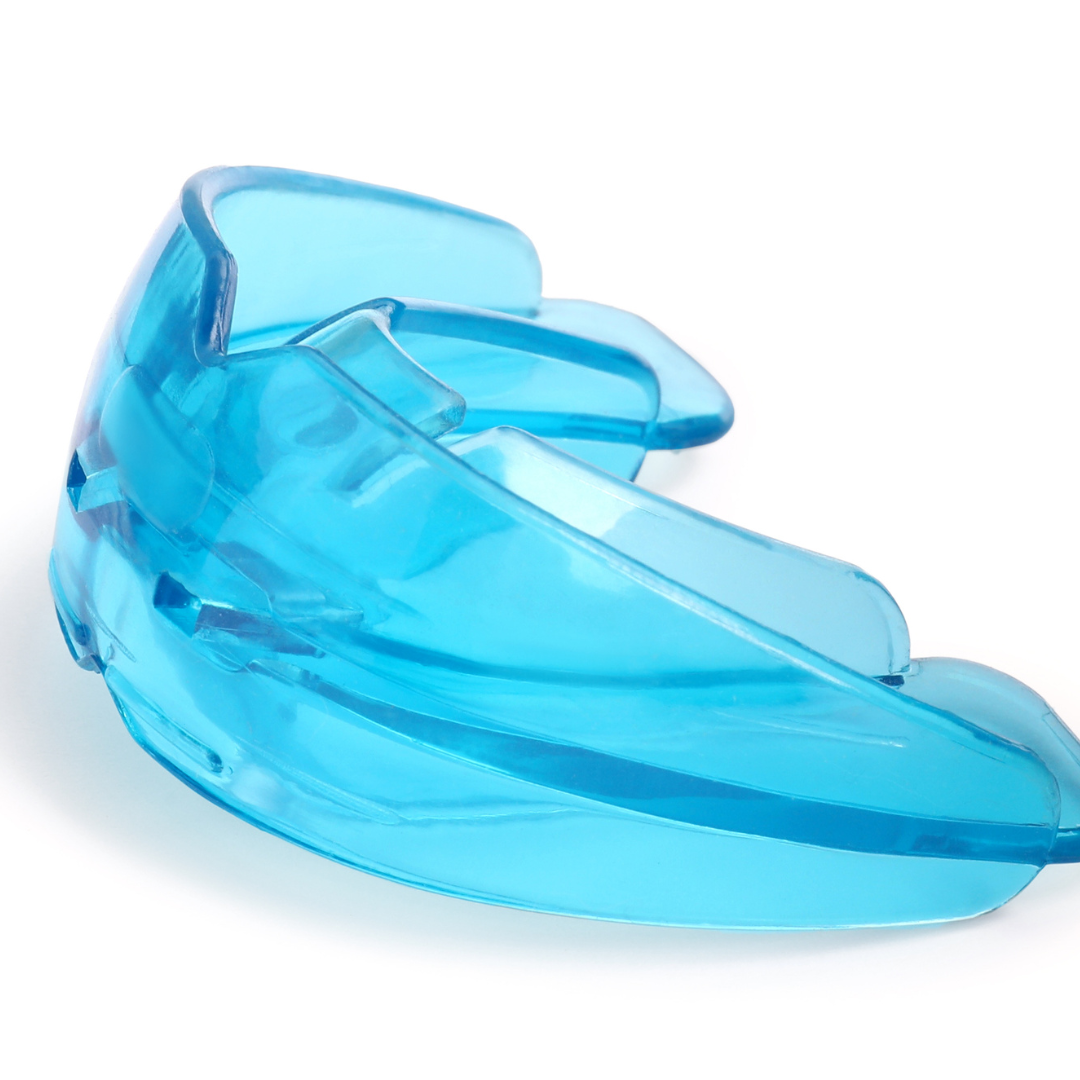
    • Dental Guards: A common and effective treatment for bruxism is the use of custom-fitted dental guards, which are readily available at dental clinic Preston. These guards protect the teeth from the effects of grinding during sleep.
    • Stress Management: Given the link between stress and bruxism, managing stress is a critical aspect of treatment. Preston dentists may recommend stress-reduction techniques or refer patients to specialists when necessary.
    • Medication: In some cases, medication may be prescribed to help relax the muscles or manage underlying conditions contributing to bruxism. This approach is carefully considered by Preston dentists as part of a comprehensive treatment plan.
    • Dental Correction: For those whose bruxism is related to dental issues, corrective procedures such as braces or adjusting the bite may be necessary. Dental clinic Preston offers a range of services to address these underlying causes.
    • Lifestyle Modifications: Reducing intake of caffeine and alcohol, quitting smoking, and establishing a regular sleep routine are all lifestyle changes that can help manage bruxism. These recommendations are often made by Preston dentist as part of a holistic approach to treatment.
    • Physical Therapy: Exercises and physical therapy may be advised to alleviate muscle pain and teach proper jaw alignment. Dental clinic Preston can provide guidance or referrals for physical therapy.

    Conclusion

    Tooth grinding in adults is a condition that demands attention for its potential to cause significant dental and general health issues. Understanding the causes and effects of bruxism is crucial for effective management.

  • Root Canal Extraction Aftercare | Prevent Infection | Dentist in Preston

    Root Canal Extraction Aftercare | Prevent Infection | Dentist in Preston

    Root canal treatments are a common dental procedure performed to save a tooth that is severely infected or damaged. While the procedure itself is a crucial step towards maintaining dental health, aftercare is equally important to ensure a quick recovery and to prevent any further infections. If you’ve recently undergone a root canal treatment or are planning to have one, understanding the aftercare process is vital. Here’s a comprehensive guide to help you navigate through the recovery period smoothly, with a special focus on patients visiting your dentist in Preston.

    Immediate Aftercare

    Right after your root canal treatment, it’s normal to experience some discomfort or mild pain. Your dentist in Preston will likely prescribe over-the-counter pain relief medication or something stronger, depending on your pain threshold and the complexity of the procedure. It’s essential to follow these recommendations to manage pain effectively.

    Avoid Eating on the Affected Side

    Your mouth will remain numb for a few hours following the procedure. To prevent biting your cheek or tongue, avoid eating until the numbness wears off. Once you start eating again, try to avoid chewing on the side of your mouth where the root canal was performed. This precaution helps in preventing any damage to the temporary filling or crown.

    Maintain Oral Hygiene

    Good oral hygiene is crucial after a root canal treatment. Even though the treated area might be tender, you should continue to brush and floss your teeth gently. Avoiding the treated area can lead to plaque buildup and further complications. If you’re unsure about how to clean your teeth properly after the procedure, consult your dental clinic Preston for personalised advice.

    Be Mindful of Swelling

    Some swelling after a root canal is normal. To minimise it, you can use an ice pack on the cheek near the affected area. Apply the ice pack for 15 minutes at a time during the first 48 hours after the procedure. If swelling persists or worsens, contact your dentist in Preston as it may be a sign of infection.

    Follow Up with Your Dentist

    A follow-up visit to your dental clinic Preston is typically scheduled after the procedure. During this visit, your dentist will examine the treated tooth and surrounding gum tissue to ensure everything is healing correctly. They may also proceed with placing a permanent filling or crown if a temporary one was initially placed. Do not skip this appointment as it is crucial for the success of the treatment.

    Avoid Certain Foods and Beverages

    For the first few days after your root canal treatment, it’s advisable to avoid hard, crunchy, or sticky foods that could dislodge the temporary filling or irritate the treated area. Additionally, extremely hot or cold foods and beverages should be avoided as they can trigger sensitivity.

    Look Out for Signs of Infection

    Even with impeccable aftercare, there’s a small chance that an infection can develop. Be on the lookout for signs such as severe pain that doesn’t subside with medication, visible swelling inside or outside your mouth, an allergic reaction to medication, or the temporary filling coming out. If you notice any of these symptoms, contact your dental clinic Preston immediately.

    Rest and Relax

    Resting is an essential part of the healing process. Avoid strenuous activities for a few days after your root canal treatment to prevent any unnecessary strain on your body, which could slow down the healing process. Give yourself permission to relax and recover.

    Stay Hydrated and Eat Nutritiously

    Staying hydrated and eating nutritious foods can significantly impact your recovery. Foods rich in vitamins and minerals can boost your body’s healing ability. Choose soft foods that are easy to chew and won’t irritate the treated area.

    Quit Smoking

    If you smoke, it’s advisable to quit or at least refrain from smoking for a few days after your root canal treatment. Smoking can delay healing and increase the risk of complications.

    Conclusion

    A root canal treatment can save your tooth and alleviate pain, but proper aftercare is crucial to ensure a smooth and infection-free recovery. By following these tips and maintaining regular communication with your dentist in Preston, you can ensure the best possible outcome for your dental health. Remember, the recovery process is just as important as the procedure itself, so take it seriously and prioritise your oral hygiene to prevent further issues. Contact Bright Smile Dental Clinic for your dental checkups.

  • Weird taste in mouth after root canal | dental Clinic Preston

    Weird taste in mouth after root canal | dental Clinic Preston

    Experiencing a root canal procedure might bring relief from dental pain, but it can sometimes leave you with an unexpected souvenir: a weird taste in your mouth. Patients often report this peculiar sensation following their treatment, and while it might seem alarming, it’s generally a temporary condition. At our Dental Clinic Preston, we understand the concerns that come with such experiences. Our Preston dentist team is here to demystify this phenomenon and offer guidance to ensure a smooth recovery.

    Understanding the Root Canal Procedure

    Before delving into the specifics of the aftertaste, it’s crucial to understand what a root canal entails. This dental procedure is performed to save a tooth that has been severely damaged or infected. The process involves removing the infected or inflamed pulp, cleaning and disinfecting the inner parts of the tooth, and then filling and sealing it to prevent further damage. It’s a routine procedure at Dental Clinic Preston, aimed at relieving pain and preserving the tooth.

    The Weird Taste Phenomenon

    The peculiar taste some patients report after a root canal can range from metallic to bitter or even just indescribably odd. There are several reasons why you might experience this:

    • Medicinal Materials: The materials used during and after the root canal, such as disinfectants and fillers, can leave a residual taste. These substances are crucial for the healing process but might contribute to the unusual taste until they fully dissipate.
    • Healing Process: As your body heals from the procedure, it’s normal for the treated area to undergo various changes, including the release of certain chemicals and fluids that can contribute to a strange taste.
    • Temporary Leakage: If the filling or crown placed after the root canal isn’t completely sealed, or if there’s a slight delay before the permanent restoration is done, there might be minimal leakage, affecting your taste sensation.
    • Oral Hygiene: Post-procedure, maintaining oral hygiene can be challenging, especially around the treated area. This might lead to an accumulation of bacteria and food particles, resulting in an odd taste.

    Managing and Mitigating the Weird Taste

    The team at Dental Clinic Preston recommends several strategies to manage and eventually eliminate the weird taste in your mouth post-root canal:

    • Maintain Oral Hygiene: Follow a gentle yet thorough oral hygiene routine. Brushing with a soft-bristled brush, flossing carefully, and using an antiseptic mouthwash can help minimise the odd taste.
    • Saltwater Rinse: Rinsing your mouth with a saltwater solution can aid in the healing process and help neutralize unpleasant tastes.
    • Stay Hydrated: Drinking plenty of water helps in flushing out the mouth and can reduce the persistence of any strange flavours.
    • Follow-Up Visits: Ensure you attend follow-up appointments with your Preston dentist. They can check the integrity of the filling or crown and address any issues that might contribute to the taste.
    • Patience is Key: Remember, the weird taste is usually temporary and should diminish as your mouth heals and the materials used in the procedure fully integrate with your tooth.

    When to Contact Your Dentist

    While the unusual taste typically isn’t a cause for alarm, certain signs warrant immediate attention from your Preston dentist, including:

    • Persistent bad taste or smell
    • Continuous pain or discomfort
    • Swelling in the gum or face area
    • Signs of an allergic reaction to materials used in the procedure

    Conclusion

    A root canal is a saving grace for many suffering from dental pain, and while the aftermath might include a temporary odd taste, it’s a small price to pay for the relief and preservation of your tooth.

    At Bright Smile Dental Clinic Preston, we’re committed to providing not just immediate treatment but also comprehensive aftercare advice. If you’re experiencing any concerns after your procedure, including a persistent weird taste, don’t hesitate to reach out to our skilled Preston dentist team. Your comfort and health are our top priorities, and we’re here to ensure your recovery is as smooth and swift as possible.

    Remember, each patient’s experience is unique, but with the right care and attention, any post-procedural symptoms can be effectively managed. Trust in Preston dentist team and follow their guidance to ensure a healthy, comfortable recovery from your root canal procedure.

  • Affordable Dental Cleaning with Best Dentist in Preston

    Affordable Dental Cleaning with Best Dentist in Preston

    Why Regular Dental Cleanings are Essential for Your Oral Health

    In the pursuit of a bright, healthy smile, regular and affordable dental cleaning stands as a cornerstone of good oral hygiene. Often overlooked or postponed, these routine visits to the dentist in Preston are more than just an opportunity to polish your pearly whites. They are a crucial aspect of maintaining not only your oral health but also your overall well-being. In this blog post, we’ll delve into the numerous benefits and advantages of regular dental cleanings.

    Prevention of Gum Disease

    One of the most significant benefits of regular dental cleaning is the prevention of gum disease, a common condition that can lead to tooth loss in adults. During a cleaning, your dentist in Preston removes plaque and tartar buildup that brushing and flossing at home can’t handle. This process helps in preventing the onset of gingivitis, the first stage of gum disease.

    Early Detection of Oral Health Issues

    Regular dental visits allow for early detection of potential oral health issues. Your dentist in Preston can spot signs of tooth decay, gum disease, and even oral cancer before they become severe. Early detection often results in easier and more cost-effective treatment.

    Maintaining a Bright Smile

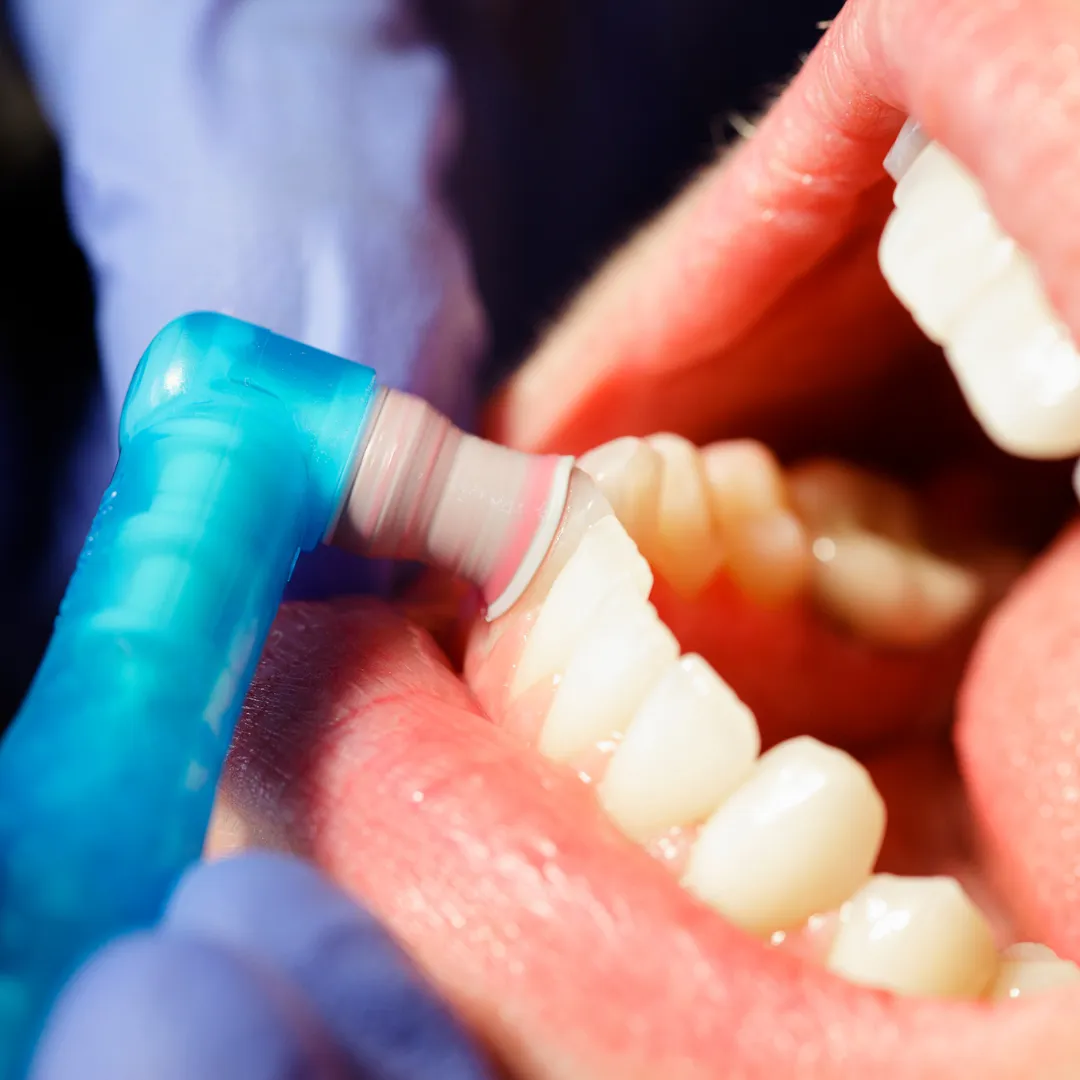
    Dental cleanings remove stains caused by food, drinks, and tobacco, leading to a brighter, more attractive smile. The polishing process in professional cleanings leaves your teeth feeling and looking smoother and shinier.

    Prevention of Bad Breath

    Persistent bad breath, or halitosis, can often be a sign of lingering food particles, bacteria, or gum disease. Regular cleanings help keep your mouth fresh and free from odours that can’t be eliminated by just brushing and flossing.

    Boosting Overall Health

    Your oral health is a window to your general health. There’s a link between chronic oral infections and conditions such as heart disease, stroke, diabetes, and respiratory diseases. Regular dental cleanings may help lower the risk of such conditions by maintaining good oral hygiene.

    Cost Savings in the Long Run

    By preventing oral health issues or detecting them early, regular dental cleanings can save you from expensive dental procedures down the line. Preventative care is always more cost-effective than the treatment of conditions that have been allowed to develop and worsen.

    Tailored Hygiene Advice

    Every visit to the dentist in Preston is an opportunity to learn. Dental professionals provide personalised advice on improving your oral hygiene routine, considering your specific oral health needs.

    Reducing the Risk of Secondary Issues Related to Poor Oral Health

    Poor oral health can exacerbate conditions like diabetes and heart disease. Regular dental cleanings can help manage these conditions by reducing the burden of oral bacteria and inflammation.

    Conclusion

    In essence, regular and affordable dental cleanings are an investment in your overall health. They go beyond just ensuring a sparkling smile; they play a vital role in maintaining your general well-being and preventing a variety of health issues. So, next time you consider skipping your dental appointment, remember the multitude of benefits that a simple cleaning can offer. Your smile, and your body, will thank you for it.

    Regular dental check-ups and cleanings are a critical part of maintaining good oral health. Don’t wait for problems to arise. Be proactive about your dental hygiene and reap the benefits of a healthy, beautiful smile and a healthier you. At Bright Smile Dental Clinic, your Preston dentist provides your non-invasive and affordable dental cleaning.

  • Bad Taste from a Broken Tooth | Dental Clinic Preston

    Bad Taste from a Broken Tooth | Dental Clinic Preston

    Experiencing a bad taste in your mouth after a tooth break can be more than just unpleasant. It’s often a sign that something is wrong with your dental health. As a leading dental clinic Preston, we often encounter patients who are concerned about this issue. Understanding the causes and treatments is crucial for maintaining oral health and overall well-being.

    The Causes Behind the Bad Taste

    When a tooth breaks, several factors can contribute to a bad taste:

    Bacterial Infection

    The most common cause of foul taste is infection. When a tooth breaks, it can expose the inner layers and roots to bacteria. This exposure can lead to infection, which produces an unpleasant taste.

    Decay and Abscess

    A broken tooth is more susceptible to decay. If untreated, this can lead to an abscess, which is a pocket of pus that leads to a bad taste.

    Leakage from Dental Restorations

    In some cases, the bad taste might be due to older fillings or dental restorations that have started to leak.

    Nerve Damage

    A break can sometimes affect the tooth’s nerve, leading to a metallic or sour taste.

    Understanding the Symptoms

    Apart from the bad taste, other symptoms can include:

    • Pain or discomfort in the affected area
    • Sensitivity to hot or cold
    • Swelling or redness in the gums
    • Bad breath

    If you experience any of these symptoms, it’s time to visit your dentist in Preston.

    Seeking Treatment: The Role of Your Preston Dentist

    The first step in treating a bad taste from a broken tooth is to visit a reputable Preston dentist at Bright Smile Dental Clinic Preston. Here’s how they can help:

    Diagnosis

    Your Preston dentist will first diagnose the cause of the bad taste. This might involve a physical examination, X-rays, or other diagnostic tests.

    Treatment of Infection

    If an infection is present, your Preston dentist will likely start you on antibiotics to reduce the bacteria and infection.

    Tooth Repair

    For a broken tooth, various treatment options like fillings, crowns, or veneers can be considered. These restorations will not only fix the tooth but also eliminate the source of the bad taste.

    Root Canal Therapy

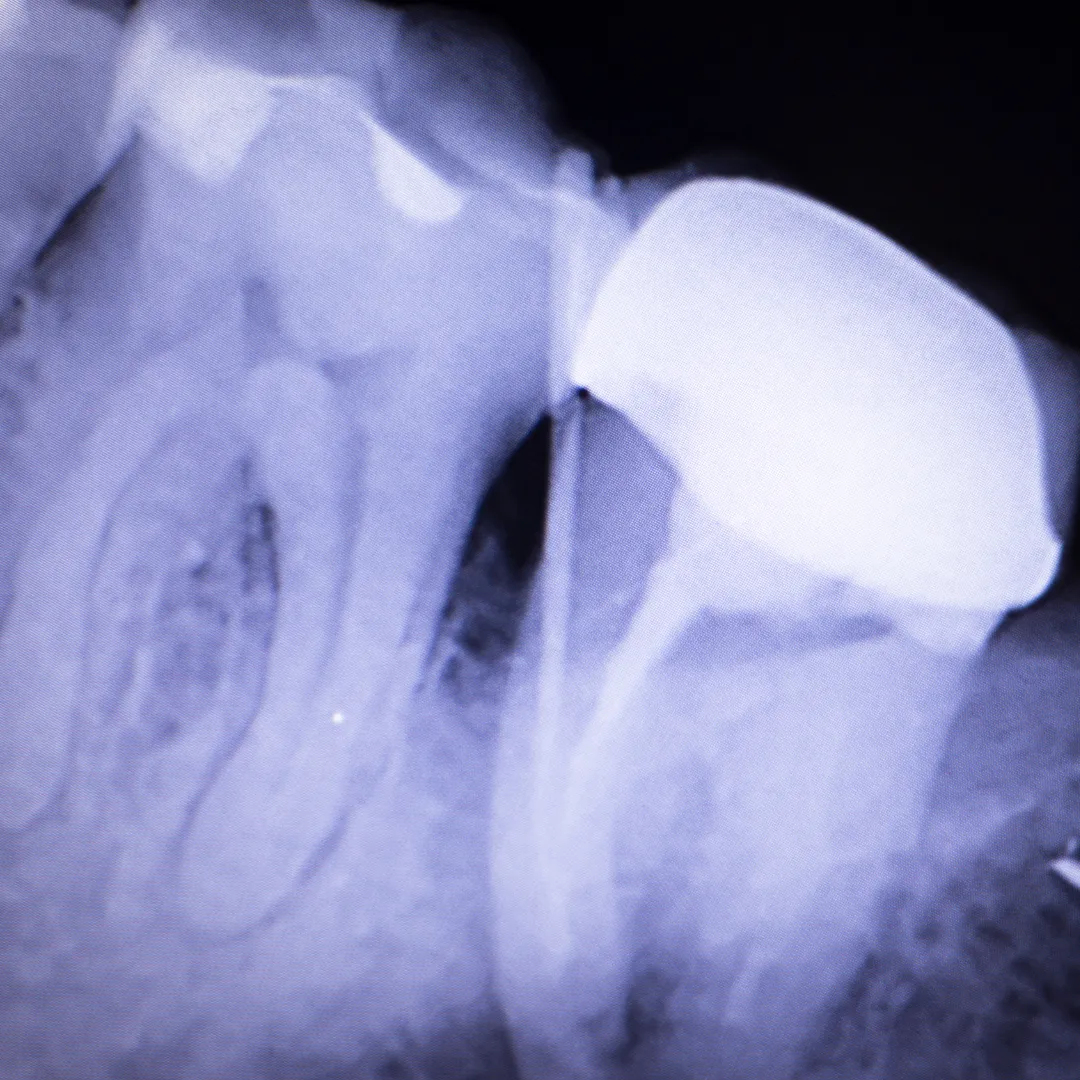
    If the break has reached the tooth’s pulp, root canal therapy might be necessary. This procedure involves removing the infected or damaged pulp, cleaning the inside of the tooth, and sealing it to prevent further issues.

    Extraction

    In severe cases where the tooth cannot be saved, extraction might be the best course of action. This can be followed by tooth replacement options such as dental implants or bridges.

    Preventive Measures and Aftercare

    Prevention is always better than cure. To prevent future incidents:

    • Maintain good oral hygiene
    • Use a mouthguard if you participate in sports
    • Avoid using your teeth to open packages or bite hard objects

    After treatment, follow these aftercare tips:

    • Follow your dentist’s instructions carefully
    • Maintain good oral hygiene to prevent infections
    • Schedule regular check-ups at your dental clinic Preston

    Conclusion

    The bad taste in your mouth following a broken tooth is not something to ignore. It’s a signal from your body that it’s time to seek professional help. At our dental clinic in Preston, we emphasise the importance of timely treatment to prevent complications and maintain oral health. Remember, the sooner you address the issue, the better the outcomes will be.

    In summary, dealing with a bad taste from a broken tooth involves understanding the causes, seeking prompt treatment from your Preston dentist, and taking preventive measures to avoid future dental problems. Your dental health is an integral part of your overall well-being, and at our dental clinic Preston, we are committed to providing you with the best care possible.

  • Invisible Front Teeth Filling | Dental Clinic Preston

    Invisible Front Teeth Filling | Dental Clinic Preston

    A smile can be a person’s most eye-catching feature, and maintaining the aesthetic appeal of front teeth is a priority for many. In the realm of dental care, the challenge of repairing cavities or damage in front teeth without compromising their natural appearance is significant with your dental clinic Preston. Fortunately, advancements in dental technology have led to a variety of filling solutions that are practically invisible, allowing individuals to smile with confidence. 

    Understanding Front Teeth Fillings with your dentist in Preston 

    Fillings are a common dental procedure used to repair minor tooth decay or fractures, especially in front teeth, which are most visible when we smile or talk. The front teeth, primarily the incisors and canines, play a crucial role in our appearance and self-esteem. Therefore, finding a filling solution that blends seamlessly with the natural tooth is essential. 

    Materials Used in Invisible Fillings by dental clinic Preston 

    Composite Resins  

    The most popular material for front teeth fillings, composite resins, offer a colour and texture that can be closely matched to natural teeth. Made from a mixture of plastic and fine glass particles, they bond directly to the tooth, strengthening its structure while remaining inconspicuous. 

    Porcelain Fillings

    Known for their durability and colour-matching ability, porcelain fillings are another excellent option. They are particularly resistant to staining, making them ideal for individuals who consume teeth-staining substances like coffee or tobacco. 

    Glass Ionomer

    This material is often used for fillings below the gum line or for younger patients whose teeth are still changing. Glass ionomers can release fluoride, which helps in preventing further decay, although it’s not as durable or visually appealing as composite resin or porcelain. 

    The Procedure of Invisible Fillings  

    The process of getting an invisible filling typically involves the following steps: 

    Preparation

    Your dentist in Preston will first remove any decay or old filling material from the affected tooth. 

    Choosing the Right Shade

    Preston dentist selects a filling material that closely matches the natural color of your tooth. 

    Application

    The chosen material is then applied in layers to the tooth. A special light is used to harden each layer. 

    Shaping and Polishing

    Once the layers are applied, the dentist shapes the filling to fit the tooth and polishes it to prevent staining and early wear. 

    Benefits of Invisible Fillings 

    Aesthetics

    The primary benefit is the natural appearance, allowing for a seamless blend with the surrounding teeth. 

    Confidence Boost

    With an invisible filling, you can smile, laugh, and speak without feeling self-conscious. 

    Tooth Integrity 

    These fillings bond to the tooth structure, providing additional support. 

    Customisation

    The materials can be customised to match the colour and texture of your natural teeth. Your Preston dentist at Bright Smile Dental Clinic Preston will provide you the best customised dental solution for you. 

    Maintaining Your Fillings Proper oral hygiene is crucial for the longevity of your fillings. Regular brushing, flossing, and dental check-ups can prevent decay and prolong the life of the fillings. Avoiding hard foods and not using your teeth as tools can also protect your fillings from damage. 

    Conclusion  

    Invisible fillings offer an effective and aesthetically pleasing solution for repairing front teeth. With advancements in dental materials and techniques, these fillings can provide a durable, long-lasting, and virtually undetectable repair to your teeth. Always consult with your dentist in Preston to determine the best filling material and procedure for your specific needs. Remember, the right care and treatment can restore both the health and beauty of your smile, ensuring that your front teeth fillings remain invisible and your confidence intact. 

    The evolution of dental technology has been a boon for those seeking front teeth filling solutions that maintain the natural look of their smile. Today, the options available ensure that everyone can find a solution tailored to their needs, be it for health, aesthetic, or confidence reasons. With the right approach, the fear of a noticeable filling is a thing of the past, and a bright, natural smile is well within reach. 

    Invisible fillings for front teeth are not just about maintaining oral health; they’re about preserving the beauty of your smile and the confidence that comes with it. With the advancements in dental materials and techniques, achieving a smile that looks as good as it feels is now more accessible than ever with Bright Smile Dental Clinic Preston.

  • Understanding and Managing a Chipped Tooth | Dental Clinic Preston

    Understanding and Managing a Chipped Tooth | Dental Clinic Preston

    A chipped tooth is not just a blow to your smile aesthetics; it’s a dental emergency that calls for immediate and appropriate action at the dental clinic Preston. Such an injury can happen to anyone, anytime – while playing sports, biting down on something hard, or due to an accidental fall. The impact of a chipped tooth goes beyond physical appearance, potentially leading to pain, discomfort, and even long-term dental issues if not addressed properly. In this comprehensive guide, we’ll explore the essential steps to manage a chipped tooth, available treatment options, and preventive measures to avoid such dental mishaps.

    Immediate Response to a Chipped Tooth

    • Rinse and Clean: Start by gently rinsing your mouth with warm water. This step is crucial for removing any debris and blood, providing a clear view of the damage.
    • Cold Compress for Swelling: Apply a cold pack to the face near the affected area to reduce swelling and alleviate pain.
    • Bleeding Management: If there’s bleeding, gently press a piece of sterile gauze against the tooth until the bleeding stops.
    • Dietary Adjustments: Avoid consuming hard, hot, or cold foods and beverages to prevent aggravating the tooth.
    • Pain Relief: Over-the-counter pain relievers can be used. However, avoid applying aspirin directly to the gums or the injured tooth, as it can cause tissue damage.

    Assessing the Damage

    • Minor Chip: Small chips may not cause pain but can lead to sensitivity or sharp edges that can irritate the tongue and inner cheeks.
    • Large Breaks: Larger breaks can expose nerves, leading to severe pain and increased sensitivity. These cases require urgent dental attention at the dental clinic Preston.
    • Temporary Solutions: For significant chips, temporary dental kits available at pharmacies can be a short-term solution. They provide material to cover sharp tooth edges, offering comfort until professional care is accessible.

    Seeking Professional Dental Care from your Preston dentist

    • Dental Examination: A thorough examination by a Preston dentist is essential, regardless of the chip’s size. They will assess the extent of the damage and recommend an appropriate treatment plan.
    • X-Rays: In some cases, an X-ray may be necessary to determine the extent of the tooth’s damage, especially to check if the root or the inner pulp of the tooth is affected.

    Treatment Options

    • Dental Filling or Bonding: For minor chips, a dentist may simply smooth the chipped area or use bonding agents to restore the tooth’s shape.
    • Dental Crown or Cap: For larger breaks, the damaged tooth might need a crown. This involves grinding away part of the remaining tooth and covering it with a crown, made of porcelain or composite material.
    • Root Canal Therapy: If the chip has exposed the tooth’s pulp, a root canal may be required to remove the damaged pulp and seal the tooth, preventing infection.
    • Veneers: In cases where the front teeth are chipped, veneers can be an excellent option to restore the tooth’s appearance.
    • Tooth Extraction: In extreme cases, where the tooth is beyond repair, extraction might be the only viable solution.

    Follow-Up Care

    • Regular Check-Ups at Dental Clinic Preston: Post-treatment, regular dental check-ups are crucial to ensure the healing process is on track and to prevent future complications.
    • Oral Hygiene: Maintain good oral hygiene practices, including regular brushing and flossing, to keep the repaired tooth and surrounding teeth healthy.
    • Preventive Measures
    • Wearing Mouthguard: Using mouthguard during sports activities can significantly reduce the risk of dental injuries.
    • Avoiding Hard Foods and Objects: Refrain from chewing on hard objects like ice, hard candy, or popcorn kernels, which can cause teeth to chip.
    • Using Tools, Not Teeth: Avoid using your teeth as tools to open packages or bottles.
    • Regular Visits at dental clinic Preston: Routine dental visits can help identify and address any potential weaknesses in your teeth, making them less prone to chipping.

    Conclusion

    Dealing with a chipped tooth requires prompt action and professional intervention. Understanding the steps to manage such a dental emergency, the treatment options available, and the importance of follow-up care are crucial in preserving your dental health. Additionally, adopting preventive measures can significantly reduce the risk of experiencing a chipped tooth in the future. Remember, your teeth are invaluable assets; taking care of them is not just about maintaining your smile, but also about preserving your overall health and well-being. Bright Smile Dental Clinic provides you with the best dental treatments.