Are you struggling with a chipped tooth and unsure of which dental solution is best for you? Look no further! In this comprehensive guide, we will delve into the age-old debate of veneers versus crowns, helping you make an informed decision that suits your specific needs. Both veneers and crowns offer effective solutions for chipped teeth, but understanding the differences and benefits of each is crucial to achieving a natural and confident smile. We will explore the durability, aesthetic appeal, cost, and overall effectiveness of both options, enabling you to weigh the pros and cons and choose the best solution that aligns with your individual circumstances. So, whether you’re looking to restore your smile for cosmetic reasons or to improve your dental health, this article will equip you with the knowledge you need to make an educated decision. Get ready to discover the ideal dental solution that will have you flashing a flawless smile in no time!
Understanding Veneers and Crowns
When it comes to repairing a chipped tooth, veneers and crowns are two popular options offered by dentists. Understanding the key differences between these two treatments is essential to determine which one is the best solution for your specific situation.
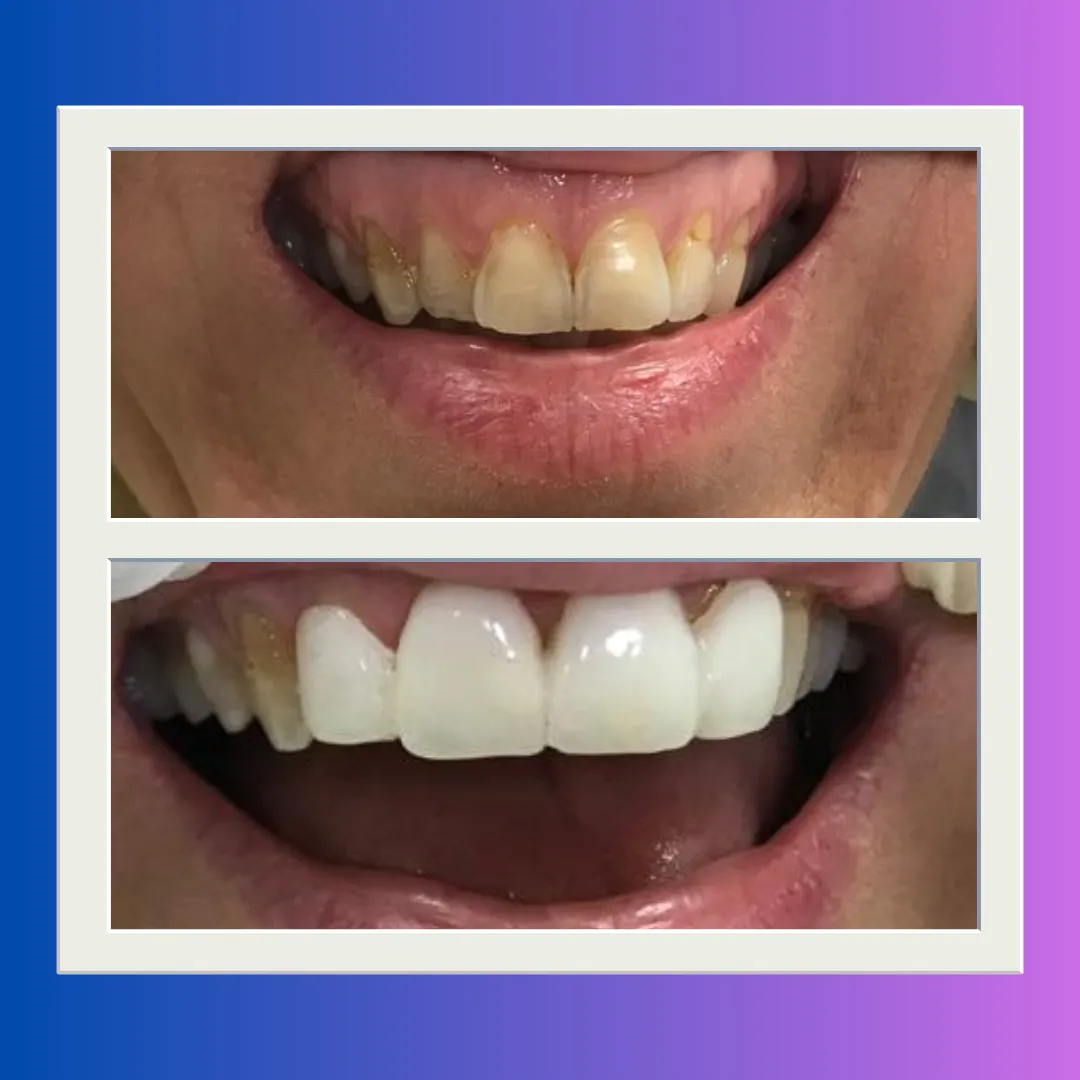
Veneers are thin, custom-made shells that are bonded to the front surface of a tooth. They are typically made from porcelain or composite resin and are designed to match the colour and shape of your natural teeth. Veneers are an excellent choice for individuals with minor chips or cracks, as they provide a natural-looking result while preserving most of the healthy tooth structure.
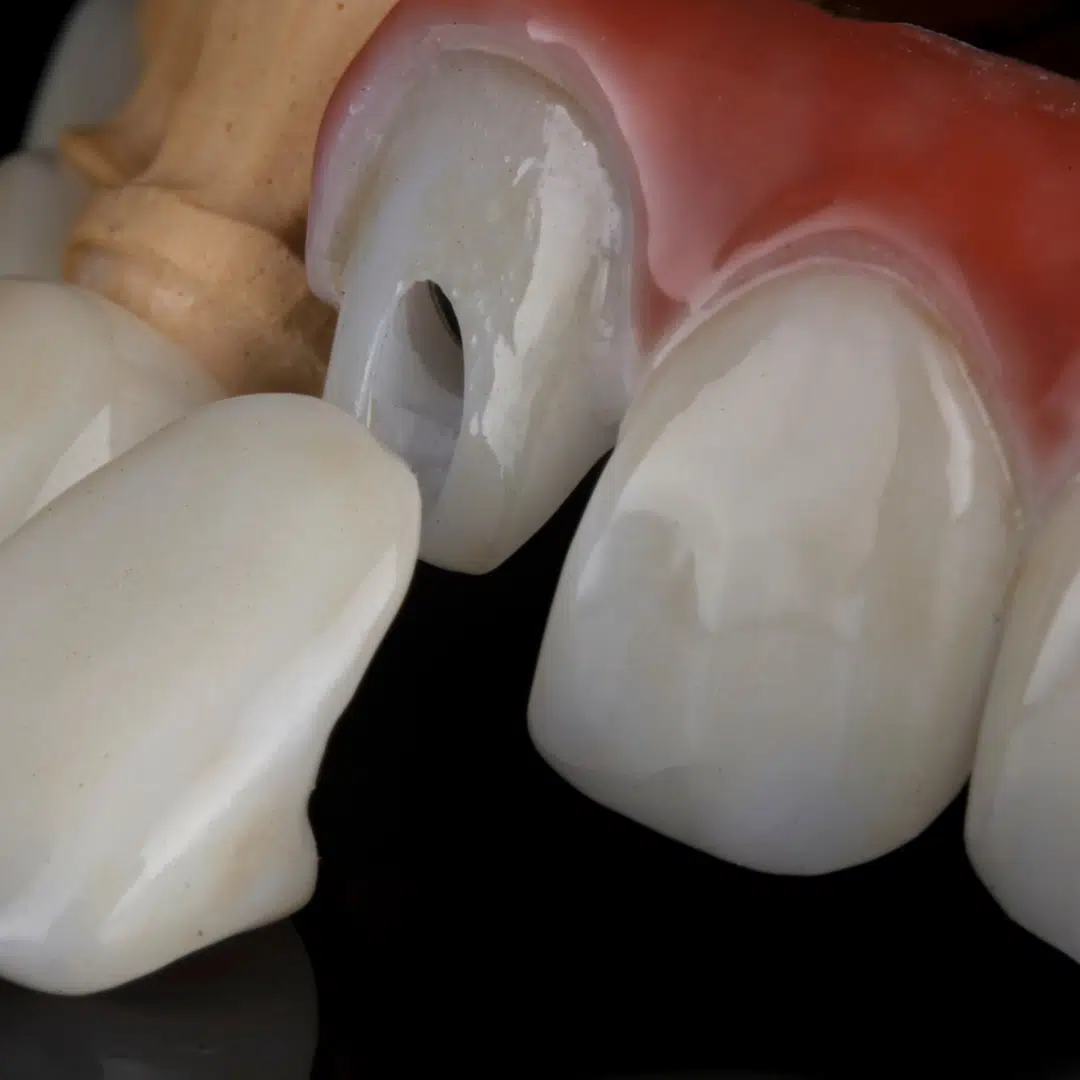
On the other hand, crowns, also known as dental caps, are tooth-shaped coverings that encase the entire visible portion of a damaged tooth. Crowns are usually made from porcelain, metal, or a combination of both. Unlike veneers, crowns are more suitable for severely damaged or decayed teeth, as they provide additional strength and protection.
In summary, veneers are a conservative option that primarily focuses on improving the appearance of chipped teeth, while crowns offer both aesthetic and functional benefits for more extensive damage. Now, let’s dive deeper into the specific factors to consider when deciding between veneers and crowns.
Differences between Veneers and Crowns
Aesthetics:
Both veneers and crowns can enhance the appearance of chipped teeth. However, veneers are renowned for their ability to provide a natural-looking and seamless result. They can effectively mask minor imperfections, such as small chips or gaps between teeth. On the other hand, crowns offer a more comprehensive coverage, making them suitable for teeth with significant damage or discolouration.
Durability:
While both veneers and crowns are designed to be long-lasting, crowns tend to be more durable due to their full coverage and thicker material. Veneers, although strong, may be more prone to chipping or cracking if subjected to excessive force or habits such as teeth grinding. It is important to discuss your lifestyle and dental habits with your Northcote dentist to determine the most suitable option for you.
Tooth Preparation:
Another critical difference between veneers and crowns lies in the amount of tooth preparation required. Veneers are minimally invasive and typically require the removal of a thin layer of enamel, ensuring a proper fit without compromising the overall tooth structure. On the other hand, crowns necessitate more significant tooth reduction to accommodate the thickness of the crown material. This irreversible step makes crowns a more suitable option for teeth with extensive damage or previous dental work.
Factors to Consider when Deciding between Veneers and Crowns
Choosing between veneers and crowns should be based on several key factors that are unique to your dental situation. Consider the following aspects to guide your decision-making process:
Severity of Damage:
Assess the extent of damage to your chipped tooth. If the chip is minor and primarily cosmetic in nature, veneers may provide an excellent solution. However, if the tooth is significantly weakened or compromised, a crown may be necessary to restore strength and functionality.
Desired Results:
Clearly communicate your expectations and desired outcomes with your dentist. If you are primarily concerned with improving the appearance of your chipped tooth, veneers may be the preferred choice. However, if you require both aesthetic and functional improvements, a crown may be more suitable.
Long-Term Maintenance:
Consider the long-term maintenance requirements of each treatment option. Veneers and crowns may require different care practices, such as avoiding certain foods or habits. Discuss these maintenance aspects with your dentist to ensure you can commit to the necessary oral hygiene routine.
Now that we have explored the key differences between veneers and crowns, let’s examine the pros and cons of each approach.
Pros and Cons of Veneers
Pros:
- Enhanced aesthetics: Veneers can provide a natural-looking and aesthetically pleasing smile by correcting minor imperfections.
- Minimal tooth reduction: Compared to crowns, veneers require minimal tooth preparation, preserving most of the healthy tooth structure.
- Stain-resistant: Porcelain veneers are highly resistant to staining, allowing you to maintain a bright smile.
Cons:
- Irreversible procedure: Veneers require the removal of a small amount of enamel, making the process irreversible.
- Susceptible to damage: While veneers are durable, they can still chip or crack if subjected to excessive force or trauma.
- Cost: Veneers are generally more expensive than other dental treatments due to their custom fabrication and aesthetic benefits.
Pros and Cons of Crowns
Pros:
- Enhanced strength and protection: Crowns provide superior strength and protection for severely damaged or weakened teeth.
- Versatility: Crowns can address multiple dental issues, including chipped teeth, large fillings, and root canal-treated teeth.
- Longevity: With proper care, crowns can last for many years, providing a long-lasting solution.
Cons:
- Extensive tooth reduction: More tooth structure needs to be removed to accommodate the crown, which can weaken the tooth.
- Aesthetics: While crowns can improve the appearance of chipped teeth, they may not provide the same natural appearance as veneers.
- Cost: Crowns tend to be more expensive than veneers, primarily due to the additional material required for full coverage.
Case Examples for Veneers and Crowns
To better illustrate the application of veneers and crowns, let’s consider two case examples:
Veneers: Sarah has a small chip on one of her front teeth, which she finds aesthetically displeasing. Her dentist recommends porcelain veneers to restore the appearance of her chipped tooth. After undergoing a minimally invasive procedure, Sarah now boasts a flawless smile, with the veneer seamlessly blending in with her natural teeth.
Crowns: John has a chipped molar resulting from a sports injury. The tooth is significantly weakened, making it prone to further damage. His dentist determines that a crown is the most appropriate solution to restore both the appearance and functionality of the tooth. After the crown is placed, John can confidently chew and speak without worrying about further complications.
Cost Considerations for Veneers and Crowns
The cost of veneers and crowns can vary depending on factors such as the material used, the complexity of the case, and the location of the dental practice. In general, veneers tend to be more expensive than crowns due to their custom fabrication and aesthetic benefits. It is essential to discuss the cost implications with your dentist and consider any dental insurance coverage you may have.
How to Choose the Best Solution for Your Chipped Tooth
Choosing between veneers and crowns ultimately boils down to your specific dental needs and desires. Consider the following steps to guide your decision-making process:
- Consultation: Schedule a consultation with your dentist to discuss your concerns and goals.
- Examination: Your dentist will evaluate the severity of the chip, the overall condition of the tooth, and your oral health.
- Treatment options: Based on the examination, your dentist will recommend the most suitable treatment options, explaining the pros and cons of each.
- Consideration: Take into account factors such as aesthetics, durability, cost, and long-term maintenance.
- Decision: With all the information at hand, make an informed decision that aligns with your dental needs and personal preferences. Your dentist in Northcote at Bright Smile Dental Clinic provides you all the necessary information to choose the best option for your dental health.
Steps Involved in Getting Veneers or Crowns
If you decide to proceed with either veneers or crowns, here are the general steps involved in the treatment process:
- Consultation and Treatment Planning: Your dentist will discuss your goals, examine your teeth, and create a personalised treatment plan.
- Tooth Preparation: For veneers, a small amount of enamel is removed, and impressions of your teeth are taken. For crowns, more extensive tooth reduction is required.
- Temporary Restoration: While your custom veneers or crowns are being fabricated, temporary restorations may be placed to protect your teeth.
- Custom Fabrication: Skilled technicians will create your veneers or crowns in a dental laboratory, ensuring a precise fit and natural appearance.
- Final Placement: Once your custom restorations are ready, your Northcote dentist will remove the temporary restorations and bond the veneers or crowns to your teeth.
- Follow-up and Maintenance: Attend regular check-ups with your dentist and maintain good oral hygiene practices to ensure the longevity of your veneers or crowns.
Conclusion
In the battle between veneers and crowns for chipped teeth, there is no one-size-fits-all solution. Understanding the differences, benefits, and considerations of each treatment option is essential to make an informed decision. Whether you opt for veneers to enhance your smile’s aesthetics or crowns to restore both form and function, consulting with your dentist is crucial to achieving the best possible outcome. Remember, a confident and flawless smile awaits you, regardless of which dental solution you choose. Take the first step towards a renewed smile and schedule a consultation with your Northcote dentist at Bright Smile Dental Clinic in Preston today!