Tag: Coburg dentist

  • Dental Subgingival Calculus: 5 Powerful Ways to Prevent It

    Dental Subgingival Calculus: 5 Powerful Ways to Prevent It

    Dental subgingival calculus is a stubborn build-up that forms beneath the gum line, where toothbrushes and floss often struggle to reach. Left untreated, it can lead to gum disease, bone loss, and even tooth loss. At Bright Smile Dental Clinic in Coburg, our experienced team provides proven methods to help patients prevent, diagnose, and treat subgingival calculus effectively.

    Here are 5 powerful ways you can protect your oral health against this hidden threat.


    1. Understanding Dental Subgingival Calculus

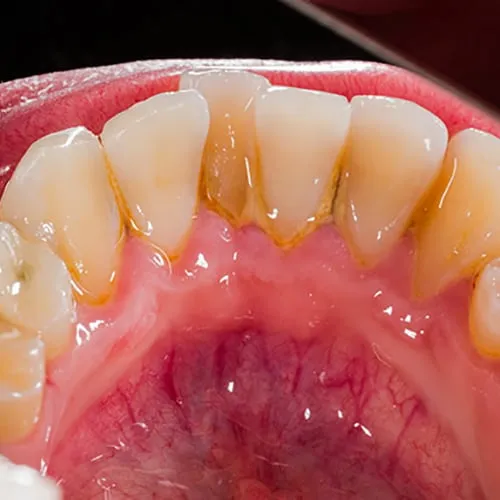
    Dental subgingival calculus develops when dental plaque hardens below the gum line. Unlike regular plaque, which can be brushed away, calculus becomes firmly attached to tooth surfaces. This creates the perfect environment for bacteria to thrive, increasing the risk of periodontal (gum) disease.

    Because it forms beneath the gums, dental subgingival calculus cannot be seen easily — which is why professional dental check-ups are essential.


    2. Recognising the Signs of Subgingival Calculus

    Early detection is vital. Signs may include:

    • Red, inflamed gums
    • Bleeding when brushing or flossing
    • Bad breath (halitosis)
    • Gum recession or sensitivity

    Your dentist in Reservoir or Coburg uses special instruments and digital x-rays to diagnose calculus deposits that are invisible to the naked eye. Detecting problems early allows for less invasive treatment and a quicker recovery.


    3. Prevention of Dental Subgingival Calculus

    As the saying goes, prevention is better than cure. You can significantly reduce your risk of developing calculus by:

    • Brushing twice daily with fluoride toothpaste
    • Flossing to remove plaque between teeth
    • Eating a balanced diet low in sugar
    • Avoiding smoking, which increases gum disease risk

    Regular cleanings at your Coburg dentist will help keep calculus under control. For added protection, patients may also explore treatments like Teeth Whitening to maintain a clean and bright smile.


    4. Professional Treatment for Dental Subgingival Calculus

    Once calculus has formed, it cannot be removed by home care alone. That’s where professional dental care is essential.

    • Scaling and Root Planing: Your Coburg dentist gently removes calculus from tooth roots and smooths surfaces to prevent further build-up.
    • Advanced Therapies: In more severe cases, treatments such as laser therapy, local antibiotics, or minor surgery may be recommended. These approaches reduce bacteria and promote gum healing.

    At Bright Smile Dental Clinic, our priority is to provide safe and comfortable treatments that restore your oral health.


    5. Regular Check-Ups for Subgingival Calculus Prevention

    Routine visits are not just a formality — they’re your strongest defence against dental subgingival calculus. Scheduling a check-up every six months allows your dentist to catch and remove build-up before it escalates into gum disease.

    During these appointments, we also discuss broader oral health solutions, such as Dental Implants for missing teeth or other cosmetic and restorative options to keep your smile healthy for life.


    Why Choose Bright Smile Dental Clinic in Coburg?

    Dental Subgingival Calculus

    • Experienced dentists in Coburg, Reservoir, Preston, and surrounding suburbs
    • Gentle care with a patient-first approach
    • Modern technology for precise diagnosis and treatment
    • Comprehensive services under one roof – from preventive care to implants and cosmetic dentistry

    For trusted, professional care, contact our team today.


    External Authority Resource

    For more details on gum health and calculus, see the Australian Dental Association – Gum Health.


    Conclusion

    Dental subgingival calculus may be silent, but its impact on oral health is significant. The good news? With proper prevention, regular check-ups, and expert treatment from your Coburg dentist, you can keep your smile healthy and calculus-free.

    At Bright Smile Dental Clinic, our mission is to support you every step of the way — from early diagnosis to advanced care. Book your appointment today and take control of your gum health. With the right care, you can enjoy fresher breath, stronger gums, and long-lasting confidence in your smile.

  • Enhance Your Smile with Porcelain Veneers: Your Coburg Dentist’s Guide

    Enhance Your Smile with Porcelain Veneers: Your Coburg Dentist’s Guide

    Your smile is one of your most valuable assets, and it plays a significant role in your confidence and self-esteem. If you’re looking to improve the appearance of your teeth, porcelain veneers may be the answer. In this comprehensive guide, we will explore what porcelain veneers are, who can benefit from them, and the numerous advantages they offer. Let’s dive into the world of porcelain veneers and discover how a Coburg dentist can help you achieve the smile of your dreams.

    What Are Porcelain Veneers?

    Porcelain veneers, often referred to as dental veneers or simply veneers, are thin, custom-made shells made of dental-grade porcelain. These shells are meticulously designed to cover the front surfaces of your teeth, transforming their appearance and providing a natural, aesthetically pleasing look. Porcelain is an ideal material for veneers because it closely resembles the translucency and texture of natural teeth.

    The Process of Getting Porcelain Veneers

    Getting porcelain veneers typically involves the following steps:

    1. Consultation: Your journey begins with a consultation with a knowledgeable Coburg dentist who will assess your dental health, discuss your goals, and determine if porcelain veneers are the right solution for you.
    2. Treatment Planning: Once you and your dentist decide to proceed with veneers, a personalised treatment plan is created. This plan considers factors such as the number of veneers needed and the desired shade and shape of your new smile.
    3. Tooth Preparation: To ensure a proper fit, a small amount of enamel is gently removed from the front of the teeth receiving veneers. This step helps the veneers adhere securely and ensures a natural appearance.
    4. Impression and Customisation: Impressions of your teeth are taken and sent to a dental laboratory where skilled technicians craft your custom porcelain veneers to match your specifications.
    5. Placement: Once your veneers are ready, they are carefully bonded to your teeth using dental adhesive. Your dentist ensures that each veneer is perfectly positioned and adjusted to create a harmonious smile.
    6. Final Adjustments: Any necessary final adjustments are made to ensure that your bite is comfortable, and your smile looks stunningly natural.

    Who Needs Porcelain Veneers?

    Porcelain veneers are a versatile cosmetic dentistry solution suitable for various individuals who desire a radiant and flawless smile. Here are some common reasons why people may consider getting porcelain veneers:

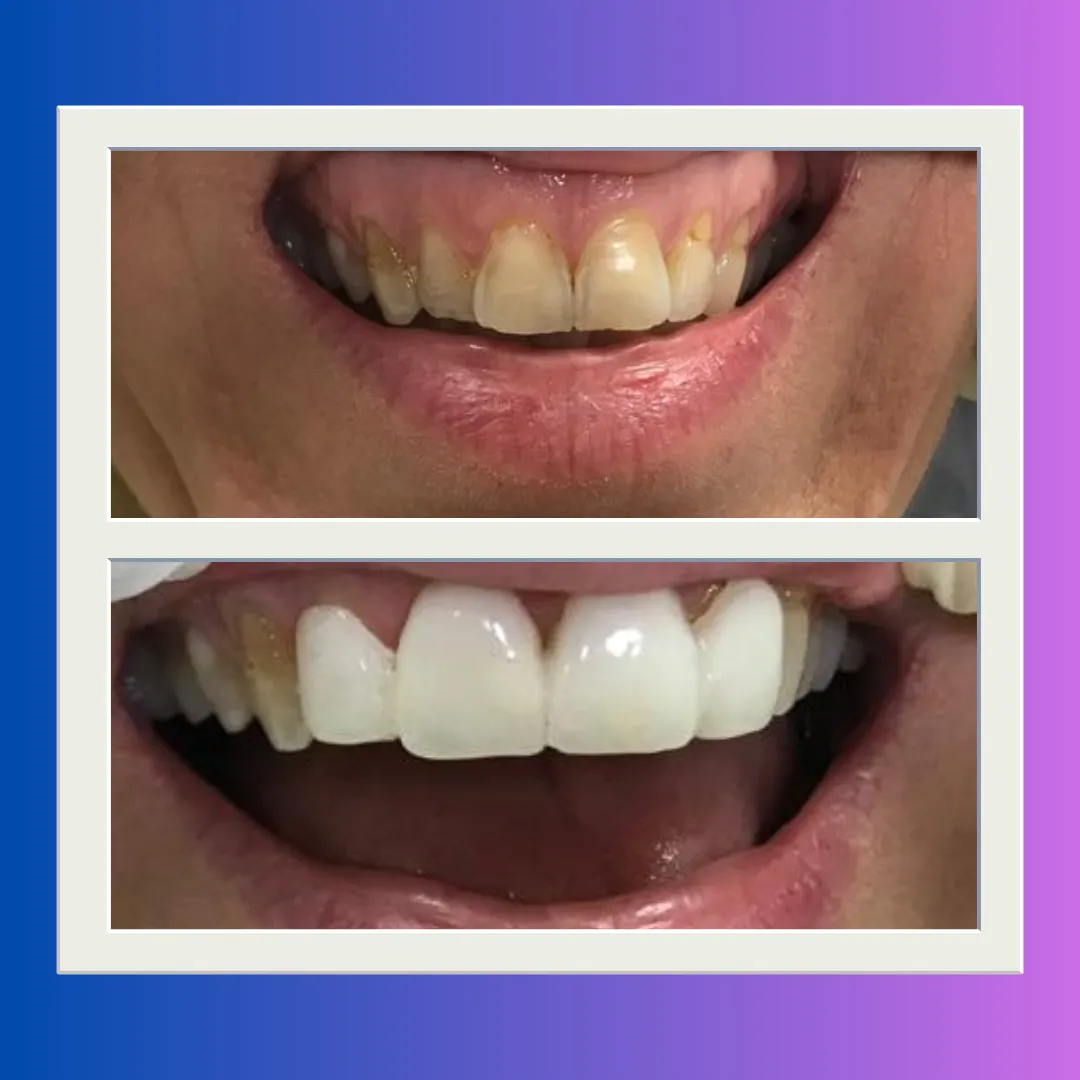
    • Discoloured Teeth: Teeth that are severely stained, discoloured, or resistant to traditional teeth whitening methods can benefit from veneers. Porcelain veneers provide a lasting, whiter appearance.
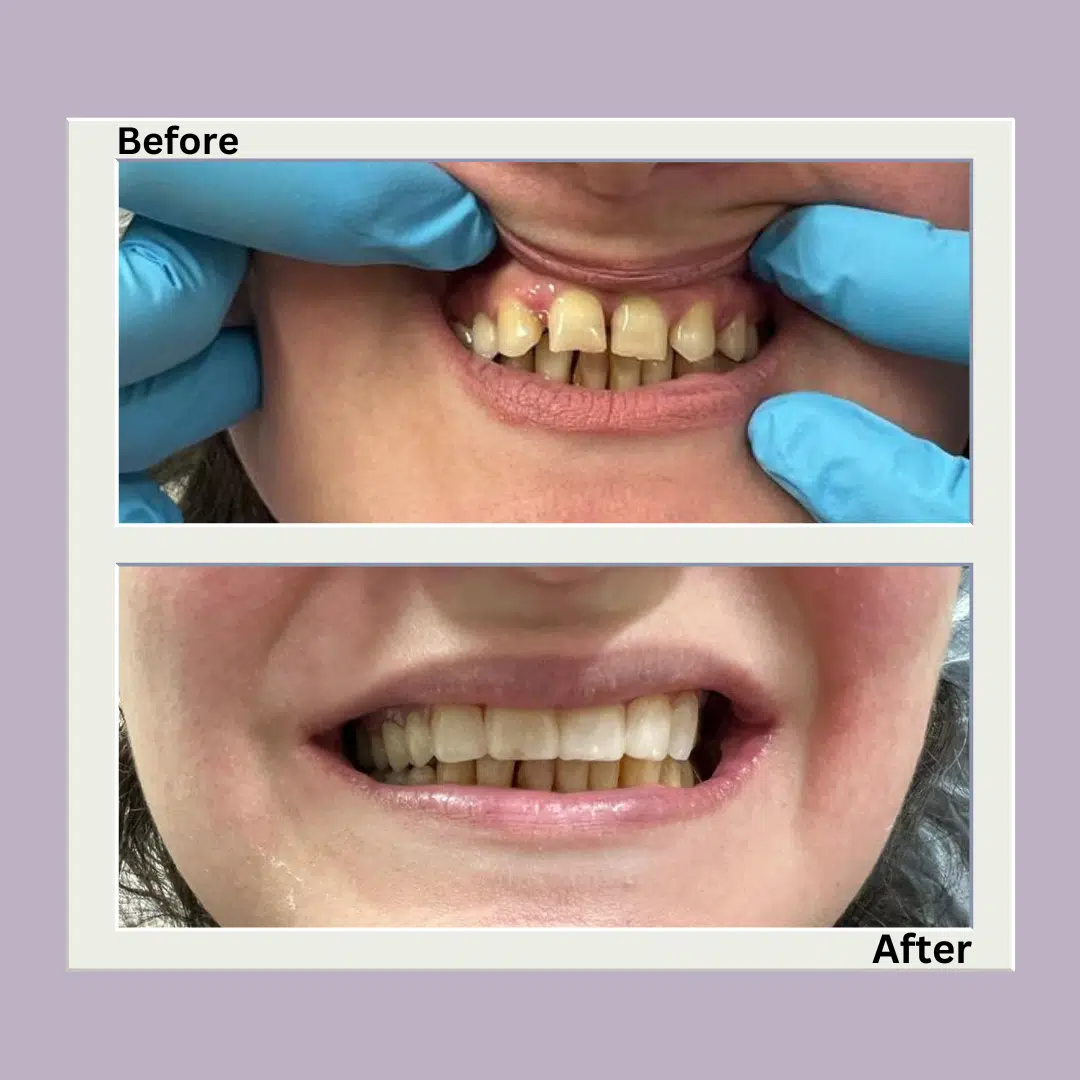
    • Dental Imperfections: Veneers can effectively mask dental imperfections such as chips, cracks, and irregularities in tooth shape and size, providing a symmetrical and attractive smile.
    • Gaps and Spaces: Veneers can be used to close small gaps and spaces between teeth, eliminating the need for orthodontic treatment in some cases.
    • Misalignment: Individuals with mild to moderate misalignment issues who want a straighter appearance without braces can opt for veneers.
    • Wear and Tear: Teeth that have been worn down over time due to grinding or erosion can be restored with veneers, improving both aesthetics and function.

    Benefits of Porcelain Veneers

    Choosing porcelain veneers offers a range of benefits that go beyond just a beautiful smile:

    • Natural Appearance: Porcelain mimics the look and feel of natural teeth, creating a seamless, authentic smile.
    • Stain Resistance: Porcelain veneers are highly resistant to staining, ensuring a long-lasting, white smile.
    • Minimal Tooth Reduction: The minimal enamel removal required for veneer placement helps preserve the majority of your natural tooth structure.
    • Quick Results: Veneers provide a rapid smile transformation in just a few dental visits, saving you time and effort.
    • Durability: With proper care, veneers can last for many years, making them a durable investment in your smile’s future.
    • Boosted Confidence: A stunning smile can significantly boost your self-confidence and enhance your overall quality of life.

    Conclusion

    Porcelain veneers are a remarkable cosmetic dentistry solution that can transform your smile and improve your self-esteem. Whether you’re dealing with teeth discolouration, imperfections, or other dental concerns, porcelain veneers can provide you with the radiant smile you’ve always dreamed of.

    If you’re considering porcelain veneers in Coburg, consult with a skilled Coburg dentist to explore your options and embark on your journey to a brighter, more beautiful smile. Invest in yourself and enjoy the confidence that comes with a stunning set of teeth, courtesy of porcelain veneers.

  • Dentist in Coburg: Direct Composite Veneers to Close Tooth Gaps

    Dentist in Coburg: Direct Composite Veneers to Close Tooth Gaps

    A confident smile is a powerful tool that can open doors and brighten your world. However, for some people, gaps between their teeth can be a source of self-consciousness and discomfort. Thankfully, modern dentistry offers a solution to this common issue: direct composite veneers. In this article, we’ll explore how these veneers can close tooth gaps and transform your smile. your Dentist in Coburg are experts in this field and are ready to help you achieve the smile of your dreams at Bright Smile Dental Clinic.

    Understanding Tooth Gaps

    Tooth gaps, also known as diastema, can occur between any two teeth, but they are most seen between the front teeth. These gaps can be caused by a variety of factors, including genetics, thumb-sucking habits in childhood, gum disease, or simply natural spacing. While some individuals embrace their gaps as unique features, others may feel self-conscious about their appearance.

    Why Choose Direct Composite Veneers?

    Direct composite veneers are a minimally invasive and cost-effective solution for closing tooth gaps and enhancing the aesthetics of your smile. Here’s why they are an excellent choice:

    Non-invasive

    Unlike traditional veneers, direct composite veneers require minimal to no enamel removal, preserving the natural structure of your teeth.

    Quick results

    Direct composite veneers can often be completed in a single visit to the dentist, providing almost instant results.

    Affordable

    These veneers are more budget-friendly compared to other cosmetic dental treatments, making them accessible to a wider range of patients.

    Customisable

    Your Preston dentist can match the colour and shape of the veneers to your natural teeth, ensuring a seamless and natural appearance.

    Meet the Experts: Bright Smile Dental Clinic in Preston

    For residents of Preston, Bright Smile Dental Clinic is your go-to destination for transforming your smile with direct composite veneers. Highly skilled and experienced dentists at Bright Smile Dental Clinic in Coburg have a track record of delivering stunning results.

    At Bright Smile Dental Clinic, your Coburg dentist will begin by conducting a comprehensive assessment of your dental health to ensure that direct composite veneers are the right choice for you. They will discuss your goals and expectations and create a personalised treatment plan to achieve your desired results.

    The Process of Getting Direct Composite Veneers

    Consultation

    During your initial consultation with your dentist in Preston, you’ll discuss your concerns and goals. They will explain the veneer process and answer any questions you may have.

    Tooth Preparation

    Minimal tooth preparation is needed for direct composite veneers, but if necessary, your Coburg dentist will gently roughen the tooth’s surface to ensure a strong bond.

    Bonding

    A tooth-coloured composite will be applied and carefully shaped to close the gap and enhance the appearance of your teeth.

    Sculpting and Shaping

    your dentist in Coburg sculpts and shapes the composite material to achieve the desired look, ensuring it blends seamlessly with your natural teeth.

    Final Polishing

    The veneers will be polished to a natural shine, leaving you with a beautiful, flawless smile.

    Meet the Experts: Dentist in Coburg

    Residents of Coburg can also benefit from the expertise of exceptional dental professionals at Bright Smile Dental Clinic. Your Coburg dentist is known for his commitment to excellence in cosmetic dentistry and their dedication to providing patients with a comfortable and positive experience.

    Preston dentists at Bright Smile Dental Clinic take great pride in helping their patients achieve the smile they’ve always wanted. With direct composite veneers, they can close tooth gaps and transform your smile in a way that feels comfortable and hassle-free.

    The Advantages of Direct Composite Veneers

    Natural Appearance

    Direct composite veneers closely mimic the appearance of natural teeth, providing a beautiful, seamless smile.

    Stain Resistance

    Composite resin used in veneers is resistant to staining, ensuring your smile stays bright and attractive.

    Durability

    With proper care, direct composite veneers can last for several years, making them a long-lasting investment in your smile.

    Minimal Maintenance

    Maintaining your veneers is straightforward, requiring regular oral hygiene practices such as brushing, flossing, and routine dental check-ups.

    Conclusion

    Direct composite veneers are an excellent option for those looking to close tooth gaps and enhance their smiles without invasive procedures. Whether you’re in Preston or Coburg, the expert dentists at Bright Smile Dental Clinic are ready to help you achieve the smile of your dreams. Your Preston dentists are committed to providing you with the best possible care, ensuring your confidence shines through your bright, beautiful smile. Say goodbye to tooth gaps and hello to a brighter, more confident you with direct composite veneers at Bright Smile Dental Clinic.

  • Preventing Cavities in Your Toddler With Your Coburg Dentist

    Preventing Cavities in Your Toddler With Your Coburg Dentist

    As a parent, you want to do everything you can to keep your child healthy and happy. One important aspect of their health is their dental hygiene. Cavities are a common dental issue that affects many children, and it’s essential to take steps to prevent them from occurring. As a parent, you play a significant role in your child’s oral health, which is why we’ve created this essential guide to preventing cavities in your toddler. In this guide, we’ll cover everything you need to know, from understanding the causes of cavities to practical tips you can start implementing today to keep your child’s teeth healthy. So, whether you’re a new parent or have been through the toddler years before, join us as we explore the best ways to prevent cavities and keep your child’s smile shining bright. Your Coburg dentist at Bright Smile Dental Clinic in Preston provides you with the best consultation for your children’s dental health.

    Why Preventing Cavities is Important

    Cavities can cause pain and discomfort, which can impact your child’s eating habits and overall health. Additionally, untreated cavities can lead to more severe dental issues, such as tooth decay or even tooth loss. Preventing cavities in your toddler is essential for their overall health and well-being.

    Signs and Symptoms of Cavities in Toddlers

    It’s essential to recognise the signs and symptoms of cavities in toddlers. Some common symptoms include tooth sensitivity, pain when chewing, and visible holes or pits in the teeth. If you notice any of these symptoms, it’s essential to take your child to the dentist as soon as possible.

    Factors that Contribute to Cavity Development in Toddlers

    Several factors can contribute to cavity development in toddlers. One of the most significant factors is poor oral hygiene. Toddlers may not be able to brush their teeth effectively, which can lead to the buildup of plaque and bacteria. Additionally, a diet high in sugar and carbohydrates can contribute to cavity development.

    Tips for Preventing Cavities in Toddlers

    Preventing cavities in toddlers requires a multi-faceted approach. Here are some tips to help keep your child’s teeth healthy:

    Brushing

    Brushing your child’s teeth twice a day is essential for preventing cavities. Use a soft-bristled toothbrush and fluoride toothpaste. Brush the teeth in a circular motion, making sure to clean all surfaces of the teeth and gums.

    Flossing

    Flossing is an essential part of dental hygiene, even for toddlers. Floss your child’s teeth once a day to remove any food particles or plaque that may be stuck between the teeth.

    Diet

    A diet high in sugar and carbohydrates can contribute to cavity development. Encourage your child to eat a balanced diet that includes fruits, vegetables, and whole grains. Limit sugary snacks and drinks, such as candy and soda.

    Choosing the Right Toothpaste and Toothbrush for Your Toddler

    Choosing the right toothpaste and toothbrush for your toddler is essential for their dental hygiene. Look for a fluoride toothpaste that is specifically designed for toddlers. Additionally, choose a soft-bristled toothbrush that is small enough for your child’s mouth.

    When to Take Your Toddler to the Dentist

    It’s essential to take your toddler to the dentist regularly. The American Dental Association recommends that children see a dentist by their first birthday. After the first visit, your child should see the dentist every six months for regular cleanings and checkups with your Coburg dentist at Bright Smile Dental Clinic in Preston.

    Common Dental Procedures for Toddlers – Fluoride Treatments and Sealants

    Fluoride treatments and sealants are common dental procedures for toddlers. Fluoride treatments help strengthen the teeth and prevent cavities, while sealants are a protective coating that is applied to the teeth to prevent decay.

    Fun Ways to Encourage Good Dental Habits in Toddlers

    Encouraging good dental habits in toddlers can be a challenge, but it’s essential for their dental health. Try incorporating fun activities into your child’s dental routine, such as singing a tooth-brushing song or letting them pick out a fun toothbrush.

    Conclusion – The Importance of Early Dental Care for Lifelong Oral Health

    Preventing cavities in toddlers is essential for their overall health and well-being. By following these tips, you can help keep your child’s teeth healthy and prevent dental issues in the future. Remember, early dental care is essential for lifelong oral health, so start taking care of your child’s teeth today.

    In conclusion, taking care of your child’s teeth is an essential part of their overall health. Preventing cavities in toddlers requires a multi-faceted approach, including good brushing and flossing habits, a healthy diet, and regular dental checkups. By following these tips, you can help keep your child’s smile shining bright for years to come. Your dentist in Preston at Bright Smile Dental Clinic provides your family with dental checkups and follow-ups to make sure you and your children’s dental health is in the best condition. You can also benefit from Child Dental Benefit Schedule (CDBS).

  • The Hidden Dangers of Ignoring Wisdom Teeth: Why Extraction is Essential

    The Hidden Dangers of Ignoring Wisdom Teeth: Why Extraction is Essential

    “Wisdom Teeth” are third molars, which typically emerge between the ages of 17 and 25, can often go unnoticed until they become a source of discomfort and complications. While some individuals may never experience any issues with their wisdom teeth, for many, they can become a hidden danger if ignored. In this article, we will delve into the reasons why extraction of these teeth is essential for maintaining optimal oral health. From overcrowding and misalignment to infections and damage to adjacent teeth, the potential risks associated with leaving wisdom teeth untreated are far from trivial. Join us as we explore the importance of taking proactive measures to address wisdom teeth and discover why extraction is not only essential but a crucial step towards achieving a healthy and pain-free smile. Don’t let the hidden dangers of wisdom teeth catch you by surprise – read on to learn more about the importance of addressing this common dental concern.

    The importance of wisdom teeth extraction

    Wisdom teeth, also known as third molars, are the last set of teeth to develop in the mouth. They typically emerge between the ages of 17 and 25, but not everyone will have them. For those who do, the extraction of wisdom teeth is often recommended by Preston dentist at Bright smile Dental Clinic. Why is this procedure so important?

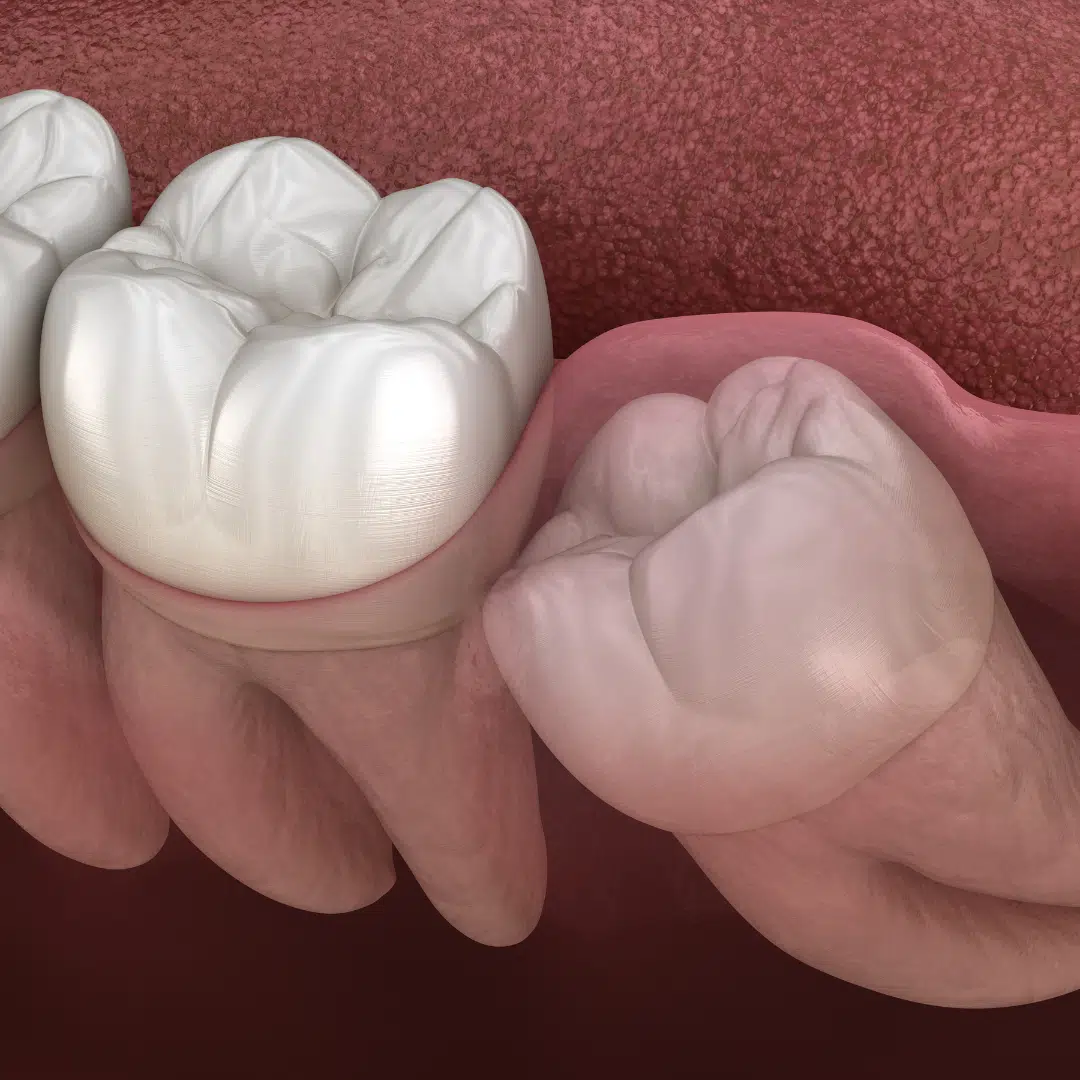
    One major reason is overcrowding. Most mouths are not large enough to accommodate these additional teeth, which can lead to misalignment and shifting of the surrounding teeth. This can cause discomfort, pain, and an increased risk of tooth decay and gum disease. Additionally, wisdom teeth can become impacted, meaning they are unable to fully emerge from the gums. This can create a pocket where bacteria can accumulate, leading to infections and other oral health problems.

    Moreover, leaving wisdom teeth untreated can also cause damage to adjacent teeth. As wisdom teeth emerge, they can push against the neighbouring teeth, causing them to shift or become misaligned. This can have a domino effect on the rest of the teeth, leading to bite problems and difficulty in maintaining oral hygiene.

    Considering these potential complications, it becomes clear that extraction of wisdom teeth is not just a matter of convenience, but a necessity for maintaining optimal oral health. By removing these third molars, individuals can avoid the hidden dangers associated with wisdom teeth and ensure a healthy and pain-free smile.

    Risks and complications of keeping wisdom teeth

    While some individuals may choose to leave their wisdom teeth untouched, it’s important to understand the risks and complications that can arise from neglecting these teeth. One common issue is overcrowding, which occurs when there is not enough space in the mouth for the wisdom teeth to properly emerge. This can lead to misalignment of the surrounding teeth, causing discomfort, pain, and difficulty in chewing and speaking.

    Another potential complication is impaction, which happens when the wisdom teeth do not fully emerge from the gums. This can create a pocket where bacteria can accumulate, leading to infections and inflammation. Left untreated, these infections can spread to other parts of the mouth, causing more severe oral health problems.

    In some cases, wisdom teeth can also develop cysts or tumors, which can cause damage to the surrounding bone and teeth. These growths can be painful and may require more extensive and invasive procedures to address.

    It’s important to note that not everyone will experience these complications, but the risks are significant enough to warrant consideration. By opting for wisdom teeth extraction, individuals can avoid these potential problems and maintain optimal oral health.

    Signs that wisdom teeth need to be extracted

    Determining whether wisdom teeth need to be extracted can be challenging, as not everyone will experience noticeable symptoms. However, there are certain signs that may indicate the need for extraction. These include:

    1. Pain or discomfort: If you experience persistent pain or discomfort in the back of your mouth, it could be a sign that your wisdom teeth are causing problems. This pain may radiate to the jaw, head, or neck.
    2. Swelling or redness: Inflammation and swelling in the gums around the wisdom teeth can indicate an infection or impact. Redness and tenderness in the affected area may also be present.
    3. Difficulty in opening the mouth: If you find it increasingly difficult to open your mouth fully, it could be due to the pressure exerted by the wisdom teeth. This limited mobility can be a sign that extraction is necessary.
    4. Bad breath or an unpleasant taste: Bacteria trapped around partially erupted wisdom teeth can cause an unpleasant odor or taste in the mouth. This can be a sign of infection or decay.
    5. Shifting of surrounding teeth: If you notice that your other teeth are shifting or becoming misaligned, it could be due to the pressure exerted by the wisdom teeth. This can lead to bite problems and difficulty in maintaining oral hygiene.

    If you experience any of these symptoms, it’s important to consult with a dental professional. They can evaluate your situation and recommend the appropriate course of action, which may include wisdom teeth extraction.

    The extraction process: what to expect

    If your Coburg dentist at Bright Smile Dental Clinic in Preston determines that wisdom teeth extraction is necessary, you may be wondering what to expect during the procedure. While each case is unique, the general process typically involves the following steps:

    1. Evaluation and preparation: Before the extraction, your dentist will conduct a thorough evaluation of your mouth and take X-rays to assess the position of the wisdom teeth. They will also discuss the procedure with you and address any concerns or questions you may have. In some cases, a referral to an oral surgeon may be necessary.
    2. Anesthesia: Wisdom teeth extraction is usually performed under local anesthesia, which numbs the area around the teeth. In some cases, general anesthesia may be used, especially if multiple teeth are being extracted or if the procedure is complex. Your dental professional will determine the best option for you based on your specific needs and comfort level.
    3. Extraction: Once you are numb and comfortable, the dental professional will proceed with the extraction. They will carefully remove the wisdom teeth, taking care not to damage the surrounding teeth, gums, or nerves. The length and complexity of the procedure will depend on the position and condition of the teeth.
    4. Closure and aftercare: After the extraction, your dental professional may use dissolvable stitches to close the extraction sites. They will provide you with detailed aftercare instructions, which may include recommendations for pain management, swelling reduction, and proper oral hygiene. It’s crucial to follow these instructions closely to ensure proper healing and minimise the risk of complications.

    Recovery and aftercare tips for wisdom teeth extraction

    After wisdom teeth extraction, proper recovery and aftercare are essential to ensure optimal healing and minimize the risk of complications. Here are some tips to help you through the recovery process:

    1. Follow the aftercare instructions provided by your dental professional. This may include recommendations for pain management, swelling reduction, and oral hygiene practices.
    2. Take any prescribed medications as directed, including pain relievers and antibiotics if necessary. These can help manage pain, reduce the risk of infection, and promote healing.
    3. Apply ice packs to the outside of your face to reduce swelling and discomfort. Use them for 20 minutes at a time, with breaks in between.
    4. Stick to a soft food diet for the first few days after the extraction. Foods like yogurt, mashed potatoes, smoothies, and soups are easier to consume and won’t put strain on the extraction sites.
    5. Avoid using straws, smoking, or spitting forcefully, as these actions can dislodge the blood clot and delay healing.
    6. Maintain good oral hygiene by gently brushing your teeth, being cautious around the extraction sites. Rinse your mouth with warm saltwater after meals to keep the area clean.
    7. Attend any follow-up appointments scheduled by your dental professional. These visits are crucial for monitoring your healing progress and addressing any concerns or complications.

    By following these recovery and aftercare tips, you can promote optimal healing and minimise the risk of complications after wisdom teeth extraction. Remember, if you have any concerns or questions during the recovery process, don’t hesitate to reach out to your Coburg dentist at Bright Smile Dental Clinic in Preston for guidance.

    Common myths and misconceptions about wisdom teeth extraction

    When it comes to wisdom teeth extraction, there are several myths and misconceptions that can cause unnecessary worry or confusion. Let’s debunk some of the most common misconceptions:

    1. Myth: Wisdom teeth extraction is always painful.

    – Fact: With the use of local or general anesthesia, wisdom teeth extraction is typically a painless procedure. You may experience discomfort during the recovery period, but it can be managed with medications and proper aftercare.

    1. Myth: Wisdom teeth extraction is only necessary if they are causing problems.

    – Fact: Even if your wisdom teeth are not currently causing issues, extraction may still be recommended as a preventive measure. This is because these teeth can potentially cause problems in the future, such as overcrowding or misalignment.

    1. Myth: Everyone needs to have their wisdom teeth extracted.

    – Fact: While extraction is commonly recommended, not everyone will require it. It depends on various factors, such as the size of the mouth, position of the teeth, and the presence of any symptoms or complications.

    1. Myth: Wisdom teeth extraction is a lengthy and complicated procedure.

    – Fact: While the complexity of the extraction can vary depending on the individual case, most extractions are straightforward and can be completed in a relatively short amount of time. Your dental professional will assess your situation and provide you with a clear understanding of what to expect.

    1. Myth: Wisdom teeth extraction is only for young adults.

    – Fact: While it’s true that wisdom teeth typically emerge during late adolescence or early adulthood, extraction can be performed at any age if necessary. It’s never too late to address any potential issues and maintain optimal oral health.

    By dispelling these common myths, individuals can approach wisdom teeth extraction with a clearer understanding and make informed decisions about their oral health.

    Alternatives to wisdom teeth extraction

    Although wisdom teeth extraction is often recommended, it’s worth exploring alternative options that may be suitable for certain individuals. In some cases, if the wisdom teeth are healthy, properly positioned, and not causing any issues, they may be monitored closely instead of being extracted.

    Regular dental check-ups and X-rays can help track the development and position of the wisdom teeth. This allows dental professionals to identify any potential problems early on and determine if extraction is necessary. In some instances, orthodontic treatment may be recommended to create additional space in the mouth, enabling the wisdom teeth to erupt properly.

    However, it’s crucial to understand that monitoring alone may not be a viable long-term solution for everyone. The potential risks and complications associated with untreated wisdom teeth should be carefully considered, and the advice of a dental professional should be sought.

    Conclusion: the benefits of wisdom teeth extraction

    In conclusion, wisdom teeth extraction is essential for maintaining optimal oral health and preventing potential complications. These third molars can become a hidden danger if ignored, leading to overcrowding, misalignment, infections, and damage to adjacent teeth. By taking proactive measures and addressing wisdom teeth through extraction, individuals can avoid the hidden dangers and achieve a healthy and pain-free smile.

    If you experience any signs or symptoms indicating the need for wisdom teeth extraction, consult with a dental professional. They can evaluate your situation and recommend the appropriate course of action. Remember, the extraction process is typically straightforward, and proper aftercare can ensure a smooth recovery.

    Don’t let the hidden dangers of wisdom teeth catch you by surprise. Contact your Preston dentist and take control of your oral health by addressing this common dental concern and enjoy the benefits of a healthy and pain-free smile.

  • 10 Common Dental Problems and How to Avoid Them for a Healthy Smile

    10 Common Dental Problems and How to Avoid Them for a Healthy Smile

    Are you tired of dealing with dental issues and longing for a healthy, radiant smile? Look no further! In this article, we will explore the top 10 common dental problems and provide you with effective strategies to avoid them. From cavities and gum disease to tooth sensitivity and bad breath, we’ll delve into each issue, offering practical tips and expert advice to keep your pearly whites in tip-top shape. Discover the secrets to maintaining excellent oral hygiene, understanding the warning signs, and implementing preventative measures that will save you from painful dental procedures down the road. Whether you’re a dental novice or someone seeking to enhance your existing oral care routine, this comprehensive guide is your ultimate companion to achieving a healthy smile that will leave a lasting impression. Your dentist in Preston at Bright Smile Dental Clinic provides you with the best dental treatments.

    Tooth Decay and Cavities

    Tooth decay and cavities are among the most common dental problems faced by people of all ages. They occur when the bacteria in your mouth produce acids that attack the enamel, causing it to weaken and eventually form cavities. Poor oral hygiene, sugary diets, and frequent snacking can increase the risk of tooth decay.

    To avoid tooth decay and cavities, it’s important to follow a proper oral care routine. Brush your teeth at least twice a day with fluoride toothpaste and replace your toothbrush every three to four months. Flossing daily helps remove plaque and debris from between your teeth. Additionally, limit your intake of sugary foods and drinks, and opt for a balanced diet rich in fruits, vegetables, and calcium. Regular dental check-ups and professional cleanings with your dentist in Preston are also crucial for early detection and prevention of tooth decay. Remember, prevention is always better than cure!

    Gum Disease

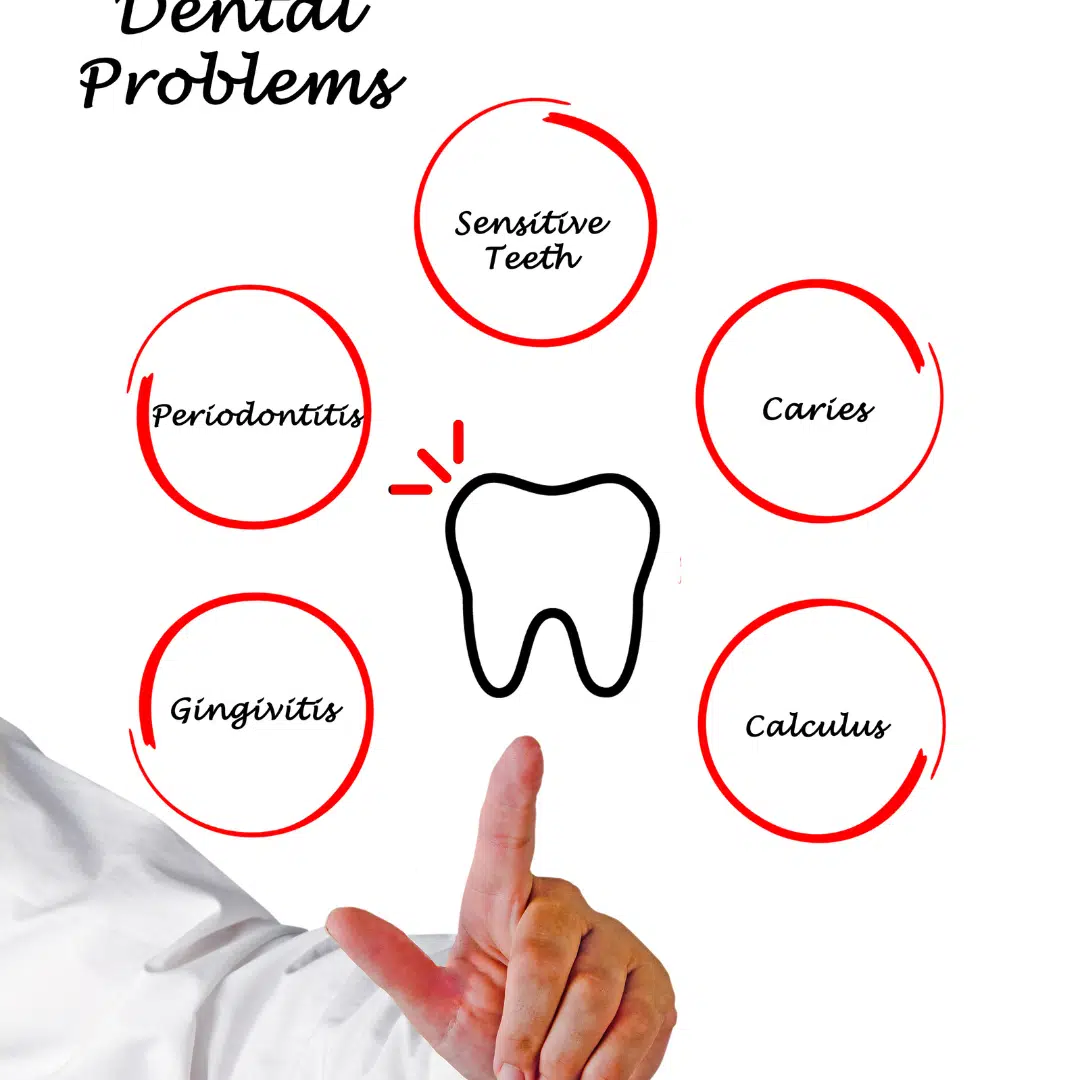
    Gum disease, also known as periodontal disease, affects the tissues surrounding the teeth and can lead to tooth loss if left untreated. It is caused by plaque buildup along the gumline, which causes inflammation and infection. The early stage of gum disease, called gingivitis, is characterised by red, swollen gums that may bleed during brushing or flossing. If not addressed, it can progress to periodontitis, where the gums pull away from the teeth, forming pockets that harbor bacteria and damage the supporting bone structure.

    Preventing gum disease starts with good oral hygiene. Brush your teeth at least twice a day, making sure to clean along the gumline. Floss daily to remove plaque and debris from between your teeth and gums. Using an antimicrobial mouthwash can also help kill bacteria and freshen your breath. Quitting smoking and limiting alcohol consumption are additional steps you can take to reduce the risk of gum disease. Regular dental check-ups are crucial for detecting early signs of gum disease and receiving appropriate treatment from your Coburg dentist at Bright Smile Dental Clinic in Preston.

    Bad Breath

    Bad breath, also known as halitosis, can be embarrassing and impact your self-confidence. It is often caused by poor oral hygiene, but it can also be a sign of an underlying dental or medical condition. Food particles trapped between your teeth, gum disease, dry mouth, and smoking are common culprits of bad breath. Certain foods and beverages, such as onions, garlic, and coffee, can also contribute to unpleasant breath odor.

    To combat bad breath, it’s important to maintain a consistent oral care routine. Brush your teeth at least twice a day, paying special attention to your tongue and the back of your mouth. Use a tongue scraper to remove bacteria and debris that can cause odor. Floss daily to remove food particles from between your teeth and consider using an antimicrobial mouthwash. Staying hydrated and chewing sugar-free gum can help stimulate saliva production and prevent dry mouth. If bad breath persists despite good oral hygiene, consult your dentist to rule out any underlying dental issues.

    Tooth Sensitivity

    Tooth sensitivity is a common dental problem characterised by discomfort or pain when consuming hot, cold, sweet, or acidic foods and drinks. It occurs when the protective layer of enamel on your teeth becomes thin or your gums recede, exposing the underlying dentin and nerve endings. Tooth sensitivity can be caused by tooth decay, gum disease, tooth grinding, and aggressive brushing.

    To alleviate tooth sensitivity, switch to a toothpaste specifically designed for sensitive teeth. These toothpaste formulations contain ingredients that help block the nerve endings and reduce sensitivity. Use a soft-bristled toothbrush and brush gently in circular motions to avoid further enamel erosion. Avoid consuming extremely hot or cold foods and drinks and limit your intake of acidic foods and beverages. If tooth sensitivity persists or worsens, consult your Preston dentist for a proper diagnosis and treatment options.

    Teeth Grinding

    Teeth grinding, also known as bruxism, is a common dental problem that involves clenching or grinding your teeth, often unconsciously. It can occur during the day or at night during sleep. Chronic teeth grinding can lead to tooth wear, cracks, jaw pain, and headaches. Stress, anxiety, misaligned teeth, and sleep disorders are common causes of teeth grinding.

    To prevent teeth grinding, managing stress is key. Engage in stress-reducing activities such as exercise, meditation, or deep breathing exercises. Avoid chewing on non-food items like pens or pencils, as this can exacerbate teeth grinding. Wearing a mouthguard or splint at night can help protect your teeth and alleviate grinding-related symptoms. If teeth grinding is caused by misaligned teeth, your Coburg dentist may recommend orthodontic treatment to correct the alignment and reduce grinding.

    Oral Infections

    Oral infections, such as dental abscesses or oral thrush, can cause pain, discomfort, and impact your overall oral health. Dental abscesses are often caused by untreated tooth decay or trauma, leading to a bacterial infection in the tooth root or surrounding tissues. Oral thrush is a fungal infection that occurs when the natural balance of bacteria and yeast in your mouth is disrupted.

    To prevent oral infections, it’s crucial to maintain good oral hygiene and address any dental issues promptly. Brush your teeth twice a day, floss daily, and use an antimicrobial mouthwash. Regular dental check-ups are essential for early detection and treatment of any potential infections. If you notice any signs of an oral infection, such as persistent pain, swelling, or white patches in your mouth, seek immediate dental attention with your Preston dentist at Bright Smile Dental Clinic.

    Crooked or Misaligned Teeth

    Crooked or misaligned teeth not only affect the appearance of your smile but can also impact your oral health. They can make it difficult to clean your teeth properly, leading to an increased risk of tooth decay, gum disease, and other dental problems. Crooked teeth can also cause bite issues and put excessive stress on certain teeth, leading to premature wear and tear.

    Preventing crooked or misaligned teeth often starts in childhood. Encouraging proper oral habits from an early age, such as regular brushing, flossing, and avoiding thumb sucking, can help prevent alignment issues. If your child’s teeth appear misaligned, consult an orthodontist for an evaluation and potential early intervention. For adults, orthodontic treatment options like braces or clear aligners can help correct misaligned teeth and improve both aesthetics and oral health.

    Oral Cancer

    Oral cancer refers to cancers that develop in the mouth or throat, including the lips, tongue, cheeks, floor of the mouth, and hard and soft palate. It can be life-threatening if not detected and treated early. Tobacco use, excessive alcohol consumption, sun exposure, and the human papillomavirus (HPV) are common risk factors for oral cancer.

    To reduce the risk of oral cancer, it’s important to avoid tobacco in all forms, including cigarettes, cigars, and smokeless tobacco. Limit alcohol consumption and practice safe sun exposure by wearing lip balm with SPF and a wide-brimmed hat. Regular dental check-ups are crucial for early detection of any suspicious lesions or changes in your oral tissues. If you notice any persistent sores, lumps, or white or red patches in your mouth, consult your Preston dentist for a thorough examination.

    Tips for Maintaining a Healthy Smile

    Maintaining a healthy smile goes beyond addressing specific dental problems. It involves adopting a holistic approach to oral care and implementing healthy habits into your daily routine. Here are some tips to help you achieve and maintain a healthy smile:

    1. Brush your teeth at least twice a day with fluoride toothpaste. Spend at least two minutes brushing and pay attention to all surfaces of your teeth.
    2. Floss daily to remove plaque and food particles from between your teeth and along the gumline.
    3. Use an antimicrobial mouthwash to help kill bacteria and freshen your breath.
    4. Limit your intake of sugary foods and drinks, as they can contribute to tooth decay.
    5. Eat a balanced diet rich in fruits, vegetables, and calcium to support healthy teeth and gums.
    6. Stay hydrated by drinking plenty of water throughout the day. This helps wash away food particles and keeps your mouth moist.
    7. Avoid smoking and limit alcohol consumption, as they can increase the risk of oral health problems.
    8. Protect your teeth during sports or other physical activities by wearing a mouthguard.
    9. Manage stress through activities like exercise, meditation, or hobbies to reduce the risk of teeth grinding and other oral health issues.
    10. Schedule regular dental check-ups and professional cleanings to detect and address any dental problems early on.

    By following these tips and maintaining a consistent oral care routine, you can enjoy a healthy smile that lasts a lifetime.

    Conclusion

    Achieving and maintaining a healthy smile is within your reach. By understanding the common dental problems discussed in this article and implementing the preventative strategies provided, you can avoid painful dental issues and enjoy optimal oral health. From tooth decay and gum disease to bad breath and tooth sensitivity, each problem can be addressed with the right knowledge and habits. Remember to practice good oral hygiene, seek professional dental care regularly, and make healthy choices for your overall well-being. With commitment and diligence, you can proudly show off a healthy, radiant smile that leaves a lasting impression. Say goodbye to dental woes and hello to a confident, beaming grin with experienced dentists at Bright Smile Dental Clinic in Preston.
  • Do You Need a Root Canal? 7 Important Signs to Watch For your dental health

    Do You Need a Root Canal? 7 Important Signs to Watch For your dental health

    Maintaining our dental health is a crucial part of overall well-being. Unfortunately, when it comes to root canals, many of us only realise we need one when we are in the dentist’s chair. However, our bodies often send us warning signs that something might be amiss. Your Preston dentist at Bright Smile Dental Clinic provides you with the best guide to maintain your dental health. Here are seven telltale symptoms that might indicate you need a root canal:

    Persistent Pain

    Persistent tooth pain is a clear sign something could be wrong. If you experience ongoing pain that doesn’t go away or pain that flares up when eating or drinking, it’s time to visit your dentist.

    Sensitivity to Heat and Cold

    While occasional sensitivity to hot or cold foods isn’t uncommon, if the sensitivity lasts for an extended period or occurs even when your mouth isn’t exposed to temperature extremes, it might be a symptom of deep decay or nerve damage, requiring a root canal. Visit your dentist in Preston dental clinic for a full dental checkup.

    Swollen, Tender Gums

    Swollen or tender gums around a particular tooth could indicate an infection that needs a root canal treatment. In some cases, you may also notice a bump on your gums, often called a dental abscess or gum boil, which might release pus when pressed.

    Darkened or Discoloured Tooth

    If one of your teeth has become darkened or discoloured, it could be a sign of damage to the tooth’s nerves and blood vessels, indicating a potential need for a root canal. Preston dentist at Bright Smile Dental Clinic is here for you to have a full dental checkup.

    Prolonged Toothache or Discomfort While Chewing

    If you experience pain or discomfort when applying pressure to a tooth while eating, it could be a symptom of an infection or tooth decay reaching into the pulp of the tooth.

    Cracked or Chipped Tooth

    A cracked or chipped tooth can allow bacteria to enter the pulp, leading to an infection which could necessitate a root canal.

    Prolonged Bad Breath or Bad Taste in the Mouth

    While this can be a symptom of various dental issues, persistent bad breath or a bad taste in the mouth can be a sign of an oral infection.

    It’s important to remember that these symptoms can also be indicative of other dental issues. If you experience any of these symptoms, it’s crucial to make an appointment with your Preston dentist right away. Your Coburg dentist at Preston dental clinic can conduct a thorough examination and diagnose whether a root canal or another form of treatment is necessary. Early intervention is key to preserving your oral health and potentially preventing a root canal procedure. your Coburg dentist at Bright Smile Dental Clinic will provide you with the best root canal treatment that lasts a long life.

  • Does a Root Canal Hurt? Unpacking a Complex Question

    Does a Root Canal Hurt? Unpacking a Complex Question

    A question that has long echoed within the walls of dental clinics across the globe is, “Does a root canal hurt?” This simple query, however, holds a more complex answer. In this blog post, we’ll unravel the intricacies surrounding the perception of pain in root canal procedures, shedding light on what you can realistically expect.

    What is a Root Canal?

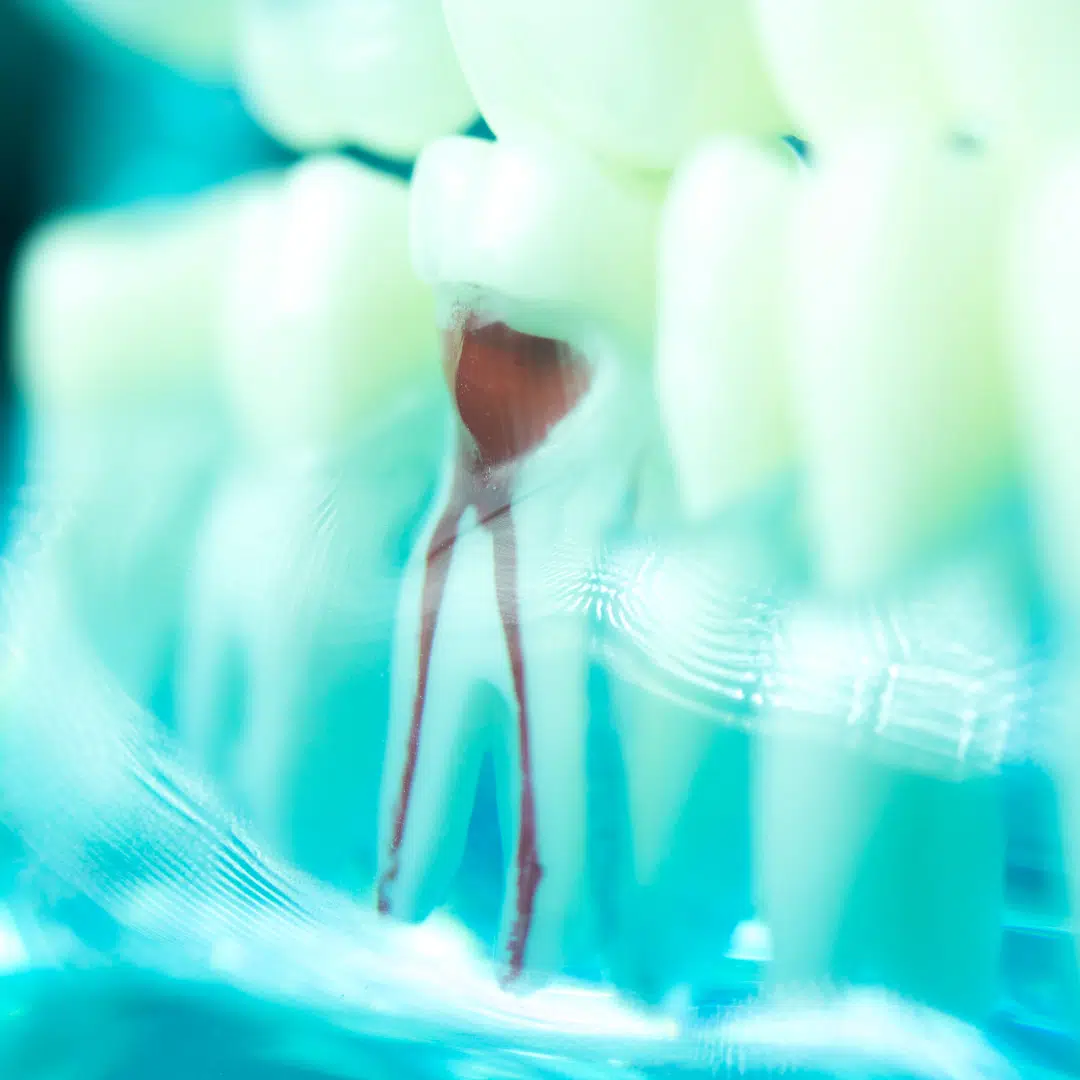
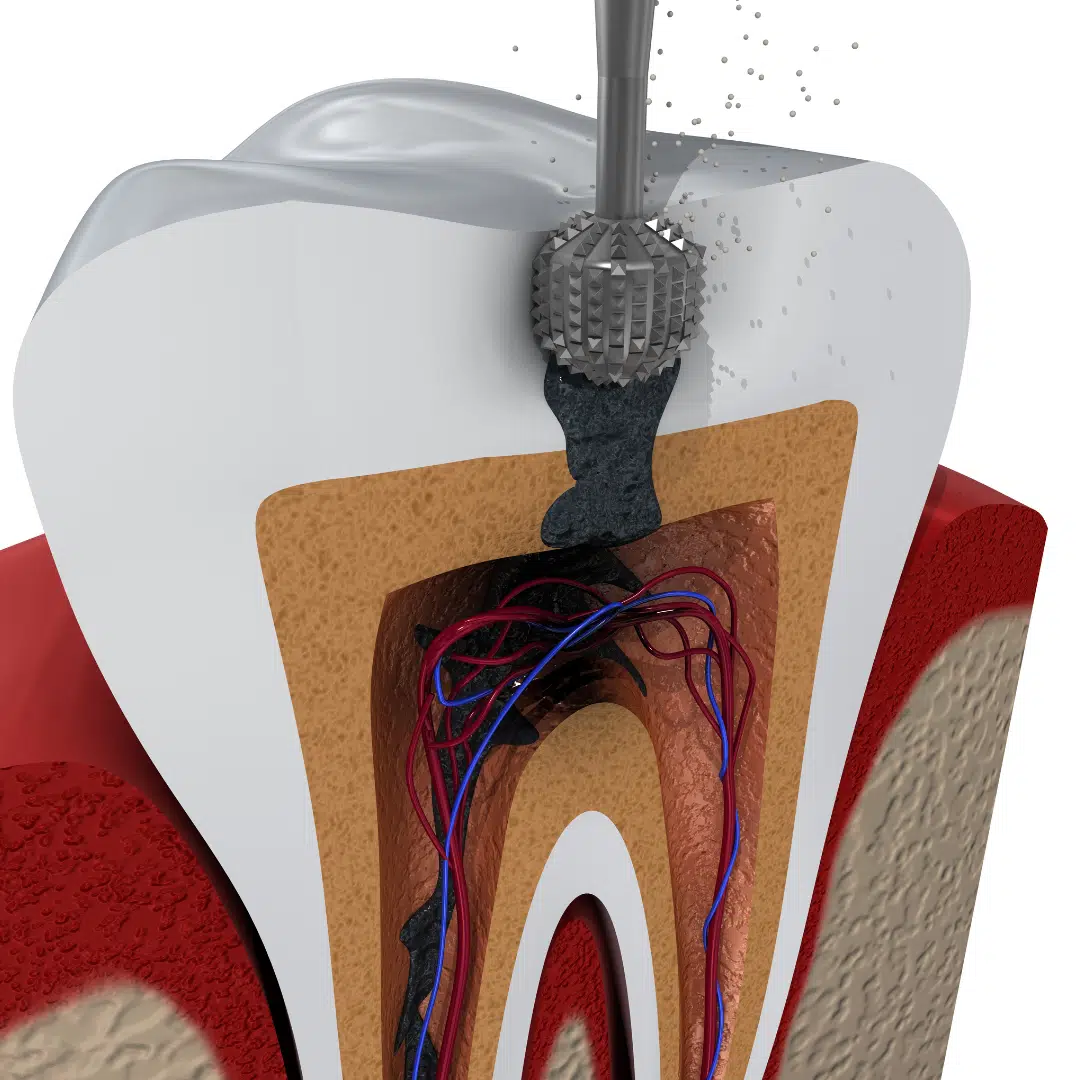
    To understand the root canal procedure, it’s important first to understand the basic anatomy of a tooth. Deep inside each tooth, beneath the white enamel and a hard layer called dentin, lies a soft tissue known as pulp. This pulp contains blood vessels, nerves, and connective tissue that helped grow the root of your tooth during its development. A root canal treatment is needed when this pulp becomes infected or inflamed.

    During a root canal procedure your general dentist in Coburg dental clinic at Bright Smile Dental Clinic in Preston removes the infected pulp, cleans and shapes the inside of the root canal, then fills and seals the space. The procedure concludes with the placement of a crown or other restoration on the tooth to protect it and restore its full function.

    Does It Hurt?

    The root of the question (pun intended) lies in understanding pain associated with a root canal procedure.

    Historically, root canals have been branded as the harbingers of discomfort due to outdated dental techniques used decades ago. However, advancements in dental technology and anaesthesia have come a long way since then. The pain often associated with root canals is usually due to the infection itself, not the procedure. In fact, the root canal procedure alleviates this pain.

    According to the American Association of Endodontists, a survey found that patients who’ve experienced root canal treatment are six times more likely to describe it as “painless” compared to individuals who haven’t had a root canal.

    Managing Pain Post-Procedure

    After the procedure, it’s normal to experience some tenderness or discomfort in the area for a few days, primarily due to the natural tissue inflammation, especially if there was pain or infection before the procedure. Over-the-counter pain medications are usually sufficient to manage this post-procedure discomfort. However, your Preston dentist might prescribe stronger pain relievers if needed.

    If the pain persists for an extended period, it’s crucial to contact your Coburg dentist at Bright Smile Dental Clinic promptly as this could indicate an issue that needs to be addressed.

    Conclusion: Prevention is Better Than Cure

    While a root canal treatment is a highly effective method to save a damaged tooth, the best strategy is to maintain a good oral hygiene regimen to prevent any dental infections in the first place. Regular brushing, flossing, and routine dental check-ups are essential to ensure the health of your teeth and gums.

    In conclusion, the answer to “Does a root canal hurt?” is a complex one, wrapped up in historical anecdotes and individual pain thresholds. However, with modern dental practices, anaesthesia, and pain management techniques, the procedure itself should not cause significant pain, instead providing relief from the discomfort caused by the infection. As always, any concerns about pain or discomfort should be discussed with your dentist in Preston who can provide you with comprehensive and personalised information. Call Bright Smile Dental Clinic today if you feel discomfort in your mouth.

  • Digital Dental Implants: 7 Powerful Benefits

    Digital Dental Implants: 7 Powerful Benefits

    In modern dentistry, digital dental implants represent a breakthrough that combines precision technology with patient comfort. At Bright Smile Dental Clinic in Preston and Coburg, our dentists use advanced digital tools to plan, create, and place implants with exceptional accuracy.

    Here are 7 powerful benefits of digital dental implants and why they are transforming smiles across Melbourne’s northern suburbs.


    1. What Are Digital Dental Implants?

    Digital dental implants are part of digital dentistry, which uses computer-based technology to improve procedures. This includes digital imaging, virtual planning, and computer-guided surgery to ensure implants are placed with unmatched precision.


    2. Accurate Planning with 3D Imaging

    The process begins with Cone Beam Computed Tomography (CBCT) scans. These 3D images give your Preston dentist a detailed view of bone density, nerve locations, and surrounding teeth. This ensures your implant is placed in the best possible position.


    3. Comfortable Digital Impressions

    Gone are the days of messy impression material. With intraoral scanners, our Coburg dentists create digital impressions quickly and comfortably. These scans also enhance accuracy compared to traditional moulds.


    4. Digital Implant Planning Software

    Specialised planning software helps dentists map out the exact angle, depth, and position of your implant before surgery begins. This level of detail reduces risks and makes surgery safer and more predictable.


    5. Guided Implant Surgery for Precision

    Using surgical guides, your Preston dentist follows the digital plan step by step. This guided approach means the procedure is less invasive, resulting in reduced discomfort, less swelling, and quicker recovery time for patients.


    6. Customised Implants with CAD/CAM Technology

    Computer-Aided Design and Manufacturing (CAD/CAM) allows us to design customised implants that fit seamlessly into your mouth. These implants are tailored for both function and aesthetics, matching the colour and shape of your natural teeth.


    7. Long-Term Benefits of Digital Dental Implants

    • Higher success rates due to precise planning
    • Shorter treatment times with streamlined workflows
    • Improved patient confidence through visualising results before surgery
    • Better long-term oral health with stable and durable implants

    Digital dental implants also integrate smoothly with other cosmetic treatments like Teeth Whitening, helping patients achieve a brighter, natural-looking smile.


    Challenges and Considerations

    Digital Dental Implants

    Like any new technology, digital dental implants require advanced equipment and training. However, the benefits for both dentists and patients outweigh these challenges, and adoption continues to grow worldwide.


    The Future of Digital Dental Implants

    Looking ahead, digital implant technology is expected to become even more advanced. Artificial intelligence will likely play a role in treatment planning, while 3D printing may create implants faster and more cost-effectively. Patients in Preston, Coburg, and Reservoir can look forward to even greater accuracy, shorter healing times, and more affordable treatment options as these innovations become mainstream.


    Why Choose Bright Smile Dental Clinic?

    At our dental clinics in Preston, Coburg, Reservoir, Heidelberg, and Northcote, we pride ourselves on delivering:

    • Cutting-edge digital dentistry
    • Gentle, patient-centred care
    • Precise diagnosis and treatment planning
    • Comprehensive dental services including Dental Implants, whitening, and family dentistry

    For more details or to book your consultation, contact us today.


    External Authority Resource

    To learn more about dental implant care, visit the Australian Dental Association – Implants Information.


    Conclusion

    Digital dental implants are not just a passing trend — they are the future of dentistry. With greater precision, less discomfort, and long-lasting results, they offer patients in Preston and Coburg the chance to restore their smiles with confidence.

    At Bright Smile Dental Clinic, we are proud to bring this innovative technology to our community and provide expert care every step of the way. The future is digital, and that means healthier, brighter smiles for you and your family.


  • The Ultimate Guide to Dental Implants with Your Preston Dentist

    The Ultimate Guide to Dental Implants with Your Preston Dentist

    If you’re missing one or more teeth, a dental implant may be a great option for restoring your smile. This guide will provide you with all the information you need to know about dental implants, including the benefits, risks, and aftercare involved in this popular procedure.

    What are dental implants and how do they work?

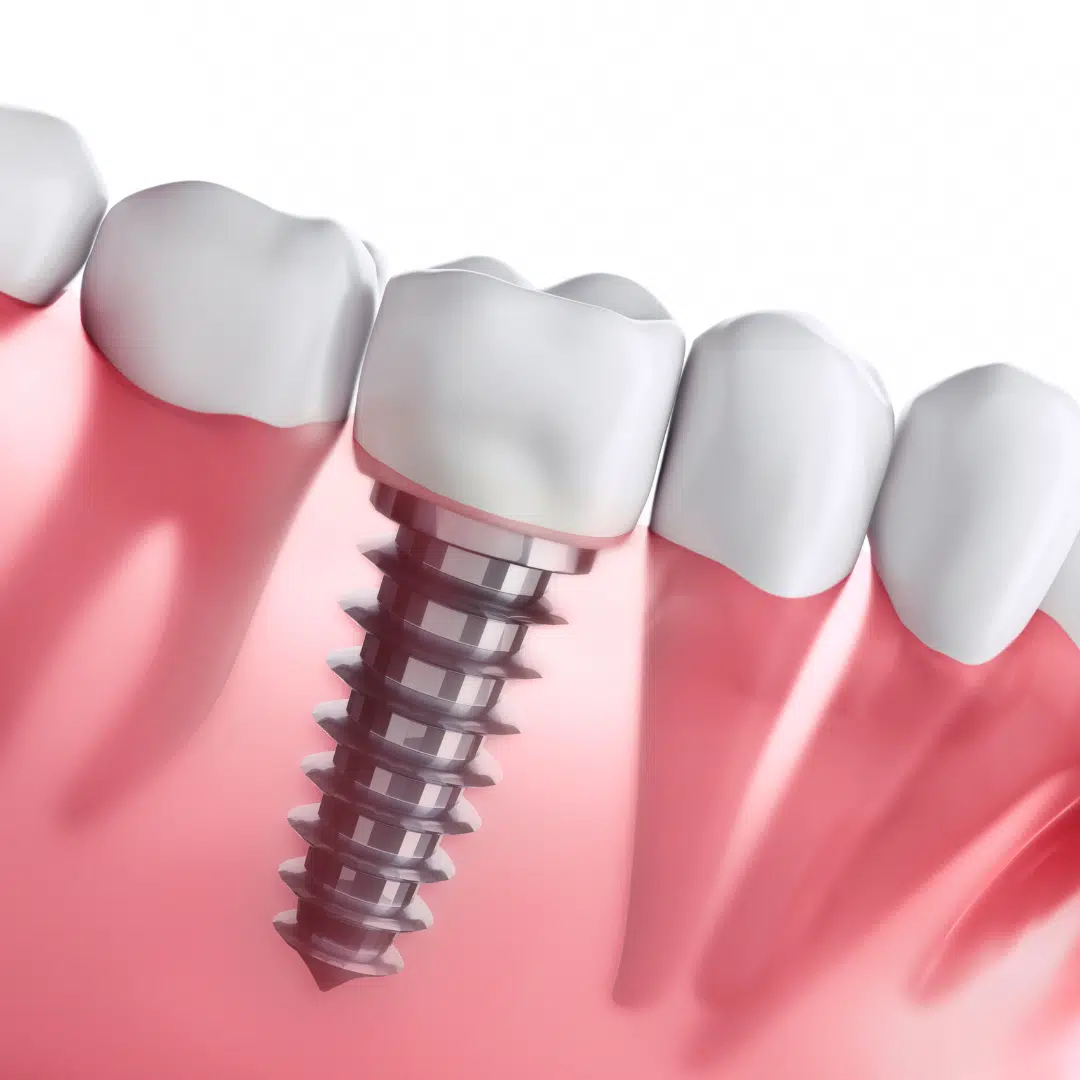
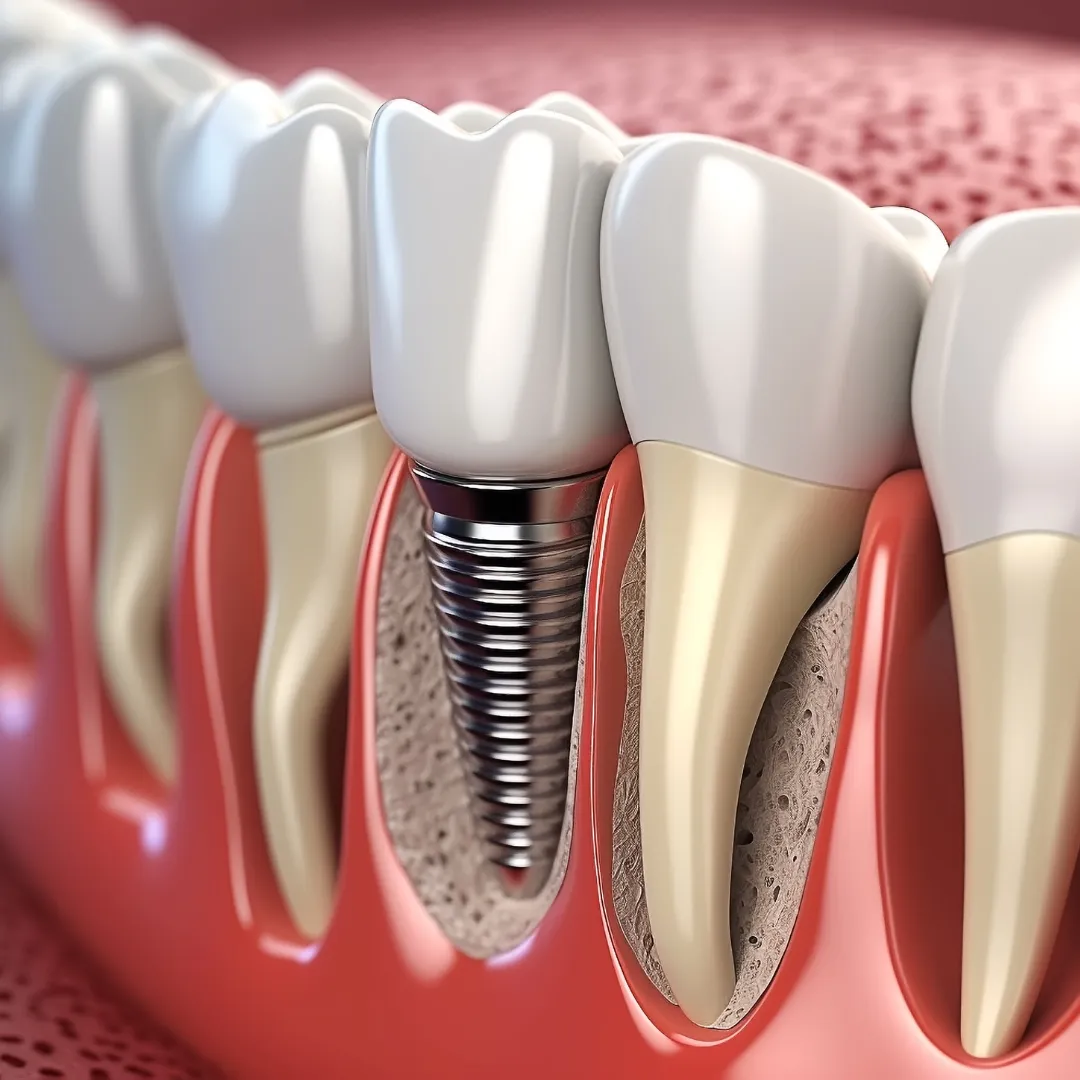
    Dental implants are artificial tooth roots that are placed into the jawbone to support a replacement tooth or bridge. They are typically made of titanium, which is a biocompatible material that fuses with the jawbone over time. This process is called osseointegration and it allows the implant to become a permanent part of the jawbone. Once the implant is securely in place, a replacement tooth or bridge can be attached to it, providing a natural-looking and functional solution for missing teeth.

    Titanium is a safe material that allows bone to grow around it. Implants generally have high success rates, but they require an additional level of training and expertise. So, your dentist at Bright Smile Dental Clinic in Preston will provide you with the best implant treatment that will last a lifetime.

    Benefits of dental implants compared to other tooth replacement options

    Dental implants offer several benefits compared to other tooth replacement options such as dentures or bridges. Firstly, they are a permanent solution that can last a lifetime with proper care. Secondly, they look and feel like natural teeth, providing a more natural and comfortable experience. Thirdly, they help to preserve the jawbone and prevent bone loss, which can occur with other tooth replacement options. Finally, they do not require any special maintenance or cleaning routines, making them a convenient and hassle-free option.

    There are several types of dental implants, depending on the number and location of missing teeth, the quality and quantity of the jawbone, and the preference and budget of the patient. The most common types are:

    – Endosteal implants: These are inserted directly into the jawbone and can support one or more artificial teeth. They are usually shaped like screws, cylinders, or plates.

    – Subperiosteal implants: These are placed under the gum tissue but on top of the jawbone. They are used when the jawbone is not enough to support endosteal implants. They consist of a metal frame with posts that protrude through the gums to hold the artificial teeth.

    – Zygomatic implants: These are inserted into the cheekbone instead of the jawbone. They are used when there is not enough bone in the upper jaw to support other types of implants. They are the most complex and invasive type of dental implant.

    The Process of dental implants

    The process of getting dental implants involves several steps and may take several months to complete. The steps include:

    – Consultation and evaluation: Your Preston dentist will examine your mouth, take x-rays and impressions, and discuss your medical history and treatment options with you. You will also learn about the costs and benefits of dental implants and how to prepare for the surgery. Our Preston dentists in Bright Smile Dental Clinic will provide comfortable and hassle-free dental implants experience.

    – Surgery: Coburg dentist will perform the surgery under local anesthesia. The surgery involves making incisions in the gums, drilling holes in the bone, and inserting the implants. You may need to wait for several weeks or months for the implants to fuse with the bone before attaching the artificial teeth.

    – Restoration: Heidelberg dentists at bright Smile Dental Clinic in Preston will attach the artificial teeth to the implants using abutments or connectors. Artificial teeth can be removable or fixed, depending on your choice and needs. You will also receive instructions on how to care for your new smile and maintain good oral hygiene.

    Dental implants advantages over other tooth replacements

    Dental implants have many advantages over other tooth replacement options, such as dentures and bridges. Some of these advantages are:

    – They look and feel natural, as they mimic the shape and colour of your natural teeth.

    – They are durable and stable, as they are anchored to your jawbone and do not slip or move.

    – They improve your chewing and speaking abilities, as they restore your bite force and prevent your teeth from shifting.

    – They protect your jawbone and facial structure, as they stimulate bone growth and prevent bone resorption.

    – They enhance your self-confidence and quality of life, as they improve your appearance and comfort.

    Digital Implants:

    The digital dental implant is a newer method that uses advanced technology to simplify and improve the implant process. It involves these steps:

    – You will have a consultation with your Coburg dentist at Bright Smile Dental Clinic, who will use a 3D scanner to capture a digital image of your mouth and jaw. This image will be used to plan the optimal position and angle of your implant.

    – You will have surgery, where your Preston dentist will use a 3D-printed guide to place the implant precisely into your jawbone. You will not need an incision or stitches, as the guide will create a small hole in your gum. You may also receive a temporary restoration on the same day.

    – You will have a healing period, where your bone will fuse with the implant. This can be shorter than with the traditional method, as digital planning reduces the risk of complications and infections.

    – You will have a final restoration, where your dentist will use a digital scanner to create a virtual model of your abutment and crown. This model will be sent to a computerised milling machine that will produce an accurate and durable crown that fits perfectly on your implant.

    The digital dental implant has several advantages over the traditional procedure, such as:

    – It is faster and more comfortable, as it requires less surgery time and fewer visits to the dentist.

    – It is more precise and predictable, as it uses 3D imaging and computer-guided technology to ensure optimal implant placement and restoration.

    – It is more aesthetic and functional, as it uses high-quality materials and techniques to create natural-looking and long-lasting crowns.

    Are dental implants suitable for everyone?

    Dental implants are a safe and effective solution for missing teeth, but they are not suitable for everyone. Some factors that may affect your eligibility for dental implants are:

    – Your overall health condition: You should be in good general health and free of any chronic diseases or infections that may affect your healing or immune system.

    – Your oral health condition: You should have healthy gums and enough bone density to support the implants. You may need additional procedures, such as bone grafting or sinus lifting, to improve your bone quality or quantity.

    – Your lifestyle habits: You should avoid smoking, drinking alcohol excessively, or taking certain medications that may interfere with your healing or implant success.

    – Your commitment to oral hygiene: You should brush and floss your teeth daily, visit your Preston dentist regularly, and follow their instructions on how to care for your implants.

    If you are interested in getting dental implants, you should consult with a qualified and experienced dentist at Preston dental clinic who can assess your situation and recommend the best treatment plan for you. Dental implants can be a life-changing investment that can restore your smile and oral health for a lifetime.