Tag: tooth cavity

  • Preventing Cavities in Your Toddler With Your Coburg Dentist

    Preventing Cavities in Your Toddler With Your Coburg Dentist

    As a parent, you want to do everything you can to keep your child healthy and happy. One important aspect of their health is their dental hygiene. Cavities are a common dental issue that affects many children, and it’s essential to take steps to prevent them from occurring. As a parent, you play a significant role in your child’s oral health, which is why we’ve created this essential guide to preventing cavities in your toddler. In this guide, we’ll cover everything you need to know, from understanding the causes of cavities to practical tips you can start implementing today to keep your child’s teeth healthy. So, whether you’re a new parent or have been through the toddler years before, join us as we explore the best ways to prevent cavities and keep your child’s smile shining bright. Your Coburg dentist at Bright Smile Dental Clinic in Preston provides you with the best consultation for your children’s dental health.

    Why Preventing Cavities is Important

    Cavities can cause pain and discomfort, which can impact your child’s eating habits and overall health. Additionally, untreated cavities can lead to more severe dental issues, such as tooth decay or even tooth loss. Preventing cavities in your toddler is essential for their overall health and well-being.

    Signs and Symptoms of Cavities in Toddlers

    It’s essential to recognise the signs and symptoms of cavities in toddlers. Some common symptoms include tooth sensitivity, pain when chewing, and visible holes or pits in the teeth. If you notice any of these symptoms, it’s essential to take your child to the dentist as soon as possible.

    Factors that Contribute to Cavity Development in Toddlers

    Several factors can contribute to cavity development in toddlers. One of the most significant factors is poor oral hygiene. Toddlers may not be able to brush their teeth effectively, which can lead to the buildup of plaque and bacteria. Additionally, a diet high in sugar and carbohydrates can contribute to cavity development.

    Tips for Preventing Cavities in Toddlers

    Preventing cavities in toddlers requires a multi-faceted approach. Here are some tips to help keep your child’s teeth healthy:

    Brushing

    Brushing your child’s teeth twice a day is essential for preventing cavities. Use a soft-bristled toothbrush and fluoride toothpaste. Brush the teeth in a circular motion, making sure to clean all surfaces of the teeth and gums.

    Flossing

    Flossing is an essential part of dental hygiene, even for toddlers. Floss your child’s teeth once a day to remove any food particles or plaque that may be stuck between the teeth.

    Diet

    A diet high in sugar and carbohydrates can contribute to cavity development. Encourage your child to eat a balanced diet that includes fruits, vegetables, and whole grains. Limit sugary snacks and drinks, such as candy and soda.

    Choosing the Right Toothpaste and Toothbrush for Your Toddler

    Choosing the right toothpaste and toothbrush for your toddler is essential for their dental hygiene. Look for a fluoride toothpaste that is specifically designed for toddlers. Additionally, choose a soft-bristled toothbrush that is small enough for your child’s mouth.

    When to Take Your Toddler to the Dentist

    It’s essential to take your toddler to the dentist regularly. The American Dental Association recommends that children see a dentist by their first birthday. After the first visit, your child should see the dentist every six months for regular cleanings and checkups with your Coburg dentist at Bright Smile Dental Clinic in Preston.

    Common Dental Procedures for Toddlers – Fluoride Treatments and Sealants

    Fluoride treatments and sealants are common dental procedures for toddlers. Fluoride treatments help strengthen the teeth and prevent cavities, while sealants are a protective coating that is applied to the teeth to prevent decay.

    Fun Ways to Encourage Good Dental Habits in Toddlers

    Encouraging good dental habits in toddlers can be a challenge, but it’s essential for their dental health. Try incorporating fun activities into your child’s dental routine, such as singing a tooth-brushing song or letting them pick out a fun toothbrush.

    Conclusion – The Importance of Early Dental Care for Lifelong Oral Health

    Preventing cavities in toddlers is essential for their overall health and well-being. By following these tips, you can help keep your child’s teeth healthy and prevent dental issues in the future. Remember, early dental care is essential for lifelong oral health, so start taking care of your child’s teeth today.

    In conclusion, taking care of your child’s teeth is an essential part of their overall health. Preventing cavities in toddlers requires a multi-faceted approach, including good brushing and flossing habits, a healthy diet, and regular dental checkups. By following these tips, you can help keep your child’s smile shining bright for years to come. Your dentist in Preston at Bright Smile Dental Clinic provides your family with dental checkups and follow-ups to make sure you and your children’s dental health is in the best condition. You can also benefit from Child Dental Benefit Schedule (CDBS).

  • 10 Common Dental Problems and How to Avoid Them for a Healthy Smile

    10 Common Dental Problems and How to Avoid Them for a Healthy Smile

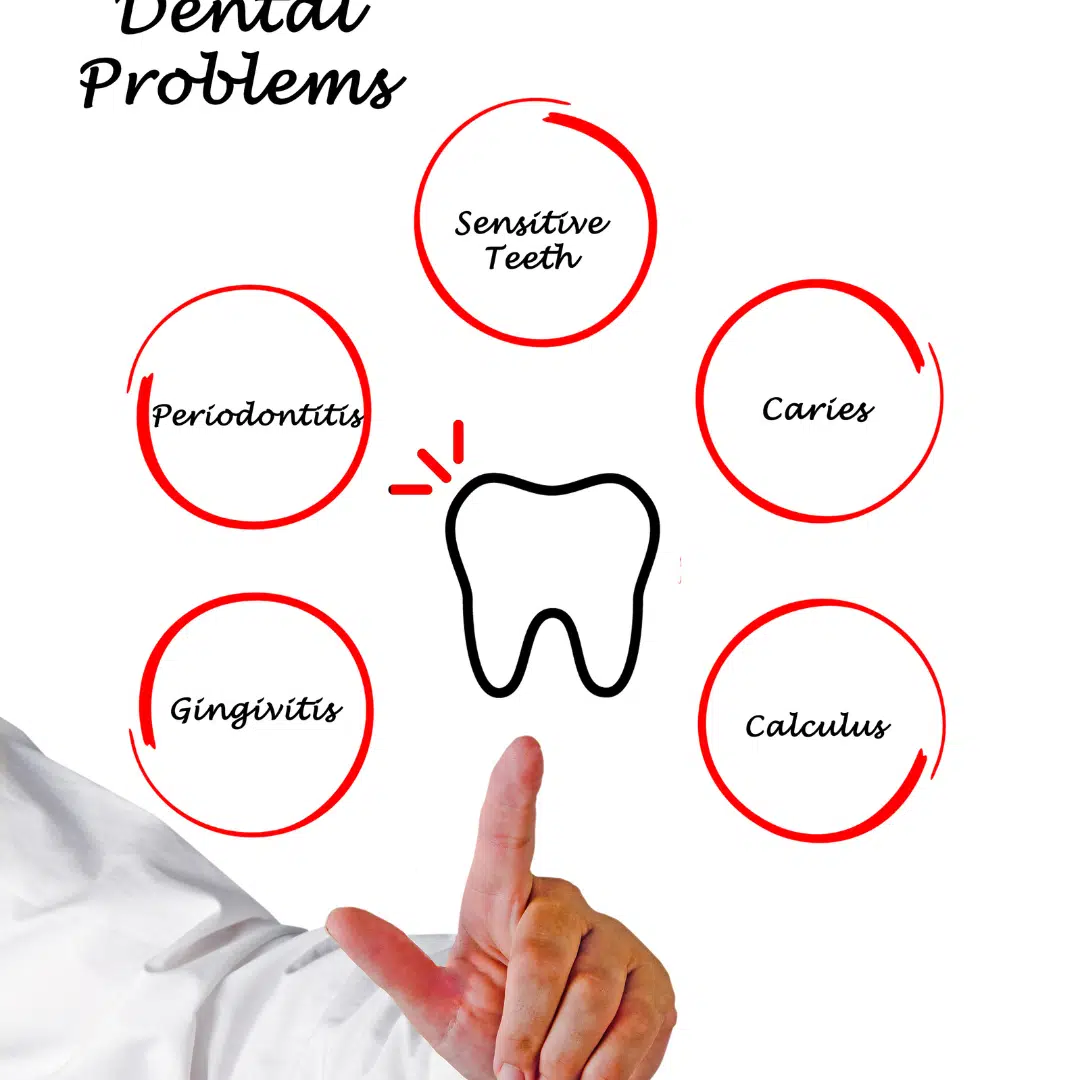
    Are you tired of dealing with dental issues and longing for a healthy, radiant smile? Look no further! In this article, we will explore the top 10 common dental problems and provide you with effective strategies to avoid them. From cavities and gum disease to tooth sensitivity and bad breath, we’ll delve into each issue, offering practical tips and expert advice to keep your pearly whites in tip-top shape. Discover the secrets to maintaining excellent oral hygiene, understanding the warning signs, and implementing preventative measures that will save you from painful dental procedures down the road. Whether you’re a dental novice or someone seeking to enhance your existing oral care routine, this comprehensive guide is your ultimate companion to achieving a healthy smile that will leave a lasting impression. Your dentist in Preston at Bright Smile Dental Clinic provides you with the best dental treatments.

    Tooth Decay and Cavities

    Tooth decay and cavities are among the most common dental problems faced by people of all ages. They occur when the bacteria in your mouth produce acids that attack the enamel, causing it to weaken and eventually form cavities. Poor oral hygiene, sugary diets, and frequent snacking can increase the risk of tooth decay.

    To avoid tooth decay and cavities, it’s important to follow a proper oral care routine. Brush your teeth at least twice a day with fluoride toothpaste and replace your toothbrush every three to four months. Flossing daily helps remove plaque and debris from between your teeth. Additionally, limit your intake of sugary foods and drinks, and opt for a balanced diet rich in fruits, vegetables, and calcium. Regular dental check-ups and professional cleanings with your dentist in Preston are also crucial for early detection and prevention of tooth decay. Remember, prevention is always better than cure!

    Gum Disease

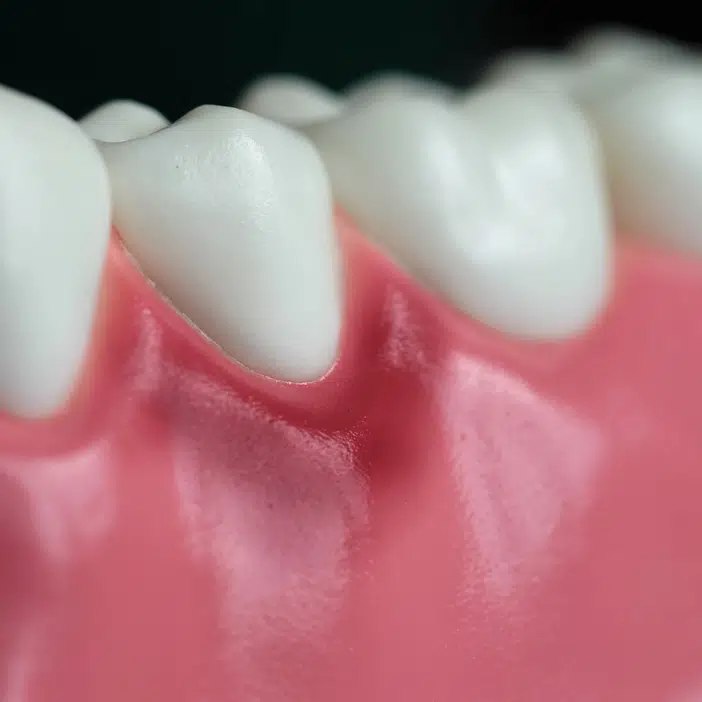
    Gum disease, also known as periodontal disease, affects the tissues surrounding the teeth and can lead to tooth loss if left untreated. It is caused by plaque buildup along the gumline, which causes inflammation and infection. The early stage of gum disease, called gingivitis, is characterised by red, swollen gums that may bleed during brushing or flossing. If not addressed, it can progress to periodontitis, where the gums pull away from the teeth, forming pockets that harbor bacteria and damage the supporting bone structure.

    Preventing gum disease starts with good oral hygiene. Brush your teeth at least twice a day, making sure to clean along the gumline. Floss daily to remove plaque and debris from between your teeth and gums. Using an antimicrobial mouthwash can also help kill bacteria and freshen your breath. Quitting smoking and limiting alcohol consumption are additional steps you can take to reduce the risk of gum disease. Regular dental check-ups are crucial for detecting early signs of gum disease and receiving appropriate treatment from your Coburg dentist at Bright Smile Dental Clinic in Preston.

    Bad Breath

    Bad breath, also known as halitosis, can be embarrassing and impact your self-confidence. It is often caused by poor oral hygiene, but it can also be a sign of an underlying dental or medical condition. Food particles trapped between your teeth, gum disease, dry mouth, and smoking are common culprits of bad breath. Certain foods and beverages, such as onions, garlic, and coffee, can also contribute to unpleasant breath odor.

    To combat bad breath, it’s important to maintain a consistent oral care routine. Brush your teeth at least twice a day, paying special attention to your tongue and the back of your mouth. Use a tongue scraper to remove bacteria and debris that can cause odor. Floss daily to remove food particles from between your teeth and consider using an antimicrobial mouthwash. Staying hydrated and chewing sugar-free gum can help stimulate saliva production and prevent dry mouth. If bad breath persists despite good oral hygiene, consult your dentist to rule out any underlying dental issues.

    Tooth Sensitivity

    Tooth sensitivity is a common dental problem characterised by discomfort or pain when consuming hot, cold, sweet, or acidic foods and drinks. It occurs when the protective layer of enamel on your teeth becomes thin or your gums recede, exposing the underlying dentin and nerve endings. Tooth sensitivity can be caused by tooth decay, gum disease, tooth grinding, and aggressive brushing.

    To alleviate tooth sensitivity, switch to a toothpaste specifically designed for sensitive teeth. These toothpaste formulations contain ingredients that help block the nerve endings and reduce sensitivity. Use a soft-bristled toothbrush and brush gently in circular motions to avoid further enamel erosion. Avoid consuming extremely hot or cold foods and drinks and limit your intake of acidic foods and beverages. If tooth sensitivity persists or worsens, consult your Preston dentist for a proper diagnosis and treatment options.

    Teeth Grinding

    Teeth grinding, also known as bruxism, is a common dental problem that involves clenching or grinding your teeth, often unconsciously. It can occur during the day or at night during sleep. Chronic teeth grinding can lead to tooth wear, cracks, jaw pain, and headaches. Stress, anxiety, misaligned teeth, and sleep disorders are common causes of teeth grinding.

    To prevent teeth grinding, managing stress is key. Engage in stress-reducing activities such as exercise, meditation, or deep breathing exercises. Avoid chewing on non-food items like pens or pencils, as this can exacerbate teeth grinding. Wearing a mouthguard or splint at night can help protect your teeth and alleviate grinding-related symptoms. If teeth grinding is caused by misaligned teeth, your Coburg dentist may recommend orthodontic treatment to correct the alignment and reduce grinding.

    Oral Infections

    Oral infections, such as dental abscesses or oral thrush, can cause pain, discomfort, and impact your overall oral health. Dental abscesses are often caused by untreated tooth decay or trauma, leading to a bacterial infection in the tooth root or surrounding tissues. Oral thrush is a fungal infection that occurs when the natural balance of bacteria and yeast in your mouth is disrupted.

    To prevent oral infections, it’s crucial to maintain good oral hygiene and address any dental issues promptly. Brush your teeth twice a day, floss daily, and use an antimicrobial mouthwash. Regular dental check-ups are essential for early detection and treatment of any potential infections. If you notice any signs of an oral infection, such as persistent pain, swelling, or white patches in your mouth, seek immediate dental attention with your Preston dentist at Bright Smile Dental Clinic.

    Crooked or Misaligned Teeth

    Crooked or misaligned teeth not only affect the appearance of your smile but can also impact your oral health. They can make it difficult to clean your teeth properly, leading to an increased risk of tooth decay, gum disease, and other dental problems. Crooked teeth can also cause bite issues and put excessive stress on certain teeth, leading to premature wear and tear.

    Preventing crooked or misaligned teeth often starts in childhood. Encouraging proper oral habits from an early age, such as regular brushing, flossing, and avoiding thumb sucking, can help prevent alignment issues. If your child’s teeth appear misaligned, consult an orthodontist for an evaluation and potential early intervention. For adults, orthodontic treatment options like braces or clear aligners can help correct misaligned teeth and improve both aesthetics and oral health.

    Oral Cancer

    Oral cancer refers to cancers that develop in the mouth or throat, including the lips, tongue, cheeks, floor of the mouth, and hard and soft palate. It can be life-threatening if not detected and treated early. Tobacco use, excessive alcohol consumption, sun exposure, and the human papillomavirus (HPV) are common risk factors for oral cancer.

    To reduce the risk of oral cancer, it’s important to avoid tobacco in all forms, including cigarettes, cigars, and smokeless tobacco. Limit alcohol consumption and practice safe sun exposure by wearing lip balm with SPF and a wide-brimmed hat. Regular dental check-ups are crucial for early detection of any suspicious lesions or changes in your oral tissues. If you notice any persistent sores, lumps, or white or red patches in your mouth, consult your Preston dentist for a thorough examination.

    Tips for Maintaining a Healthy Smile

    Maintaining a healthy smile goes beyond addressing specific dental problems. It involves adopting a holistic approach to oral care and implementing healthy habits into your daily routine. Here are some tips to help you achieve and maintain a healthy smile:

    1. Brush your teeth at least twice a day with fluoride toothpaste. Spend at least two minutes brushing and pay attention to all surfaces of your teeth.
    2. Floss daily to remove plaque and food particles from between your teeth and along the gumline.
    3. Use an antimicrobial mouthwash to help kill bacteria and freshen your breath.
    4. Limit your intake of sugary foods and drinks, as they can contribute to tooth decay.
    5. Eat a balanced diet rich in fruits, vegetables, and calcium to support healthy teeth and gums.
    6. Stay hydrated by drinking plenty of water throughout the day. This helps wash away food particles and keeps your mouth moist.
    7. Avoid smoking and limit alcohol consumption, as they can increase the risk of oral health problems.
    8. Protect your teeth during sports or other physical activities by wearing a mouthguard.
    9. Manage stress through activities like exercise, meditation, or hobbies to reduce the risk of teeth grinding and other oral health issues.
    10. Schedule regular dental check-ups and professional cleanings to detect and address any dental problems early on.

    By following these tips and maintaining a consistent oral care routine, you can enjoy a healthy smile that lasts a lifetime.

    Conclusion

    Achieving and maintaining a healthy smile is within your reach. By understanding the common dental problems discussed in this article and implementing the preventative strategies provided, you can avoid painful dental issues and enjoy optimal oral health. From tooth decay and gum disease to bad breath and tooth sensitivity, each problem can be addressed with the right knowledge and habits. Remember to practice good oral hygiene, seek professional dental care regularly, and make healthy choices for your overall well-being. With commitment and diligence, you can proudly show off a healthy, radiant smile that leaves a lasting impression. Say goodbye to dental woes and hello to a confident, beaming grin with experienced dentists at Bright Smile Dental Clinic in Preston.

  • Does a Root Canal Hurt? Unpacking a Complex Question

    Does a Root Canal Hurt? Unpacking a Complex Question

    A question that has long echoed within the walls of dental clinics across the globe is, “Does a root canal hurt?” This simple query, however, holds a more complex answer. In this blog post, we’ll unravel the intricacies surrounding the perception of pain in root canal procedures, shedding light on what you can realistically expect.

    What is a Root Canal?

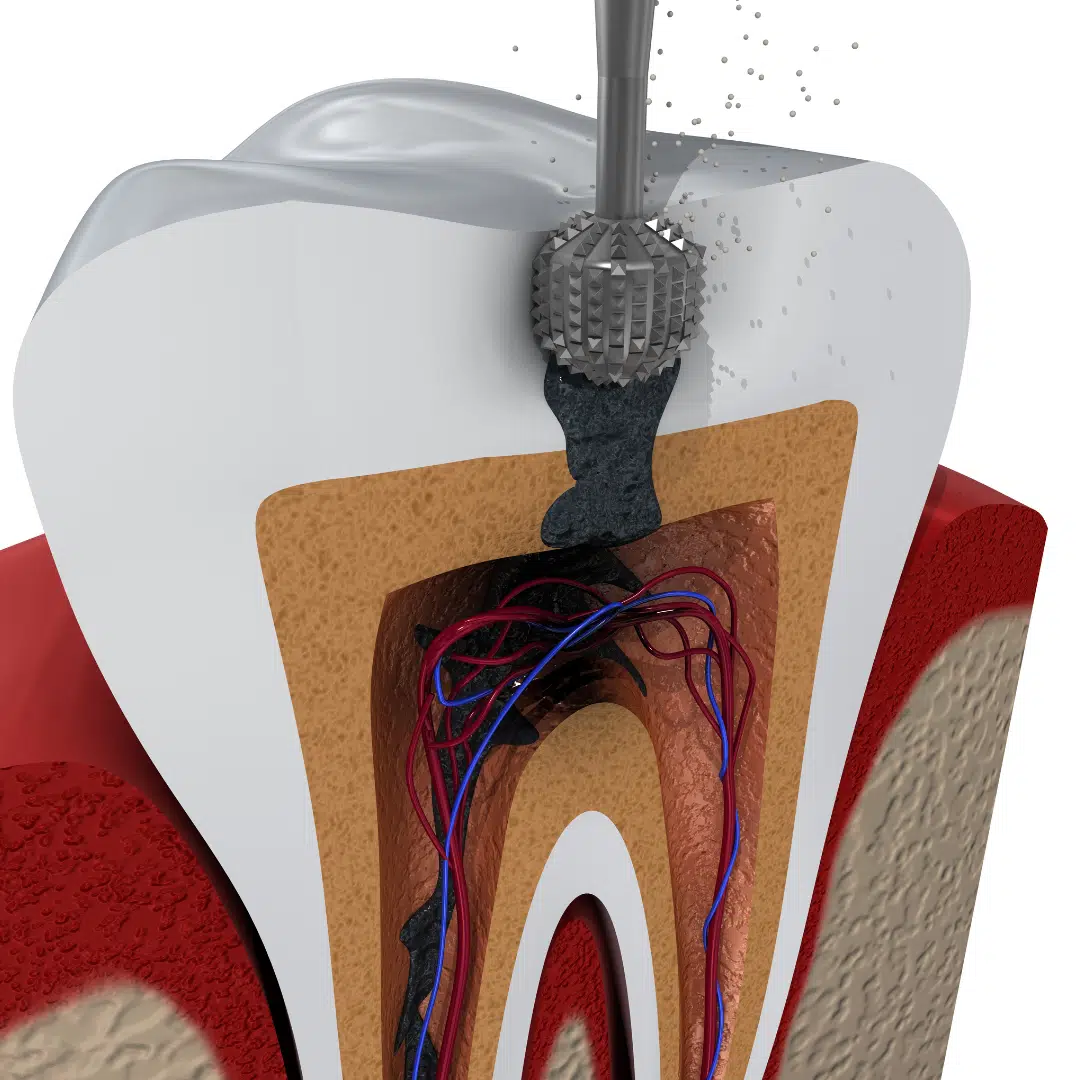
    To understand the root canal procedure, it’s important first to understand the basic anatomy of a tooth. Deep inside each tooth, beneath the white enamel and a hard layer called dentin, lies a soft tissue known as pulp. This pulp contains blood vessels, nerves, and connective tissue that helped grow the root of your tooth during its development. A root canal treatment is needed when this pulp becomes infected or inflamed.

    During a root canal procedure your general dentist in Coburg dental clinic at Bright Smile Dental Clinic in Preston removes the infected pulp, cleans and shapes the inside of the root canal, then fills and seals the space. The procedure concludes with the placement of a crown or other restoration on the tooth to protect it and restore its full function.

    Does It Hurt?

    The root of the question (pun intended) lies in understanding pain associated with a root canal procedure.

    Historically, root canals have been branded as the harbingers of discomfort due to outdated dental techniques used decades ago. However, advancements in dental technology and anaesthesia have come a long way since then. The pain often associated with root canals is usually due to the infection itself, not the procedure. In fact, the root canal procedure alleviates this pain.

    According to the American Association of Endodontists, a survey found that patients who’ve experienced root canal treatment are six times more likely to describe it as “painless” compared to individuals who haven’t had a root canal.

    Managing Pain Post-Procedure

    After the procedure, it’s normal to experience some tenderness or discomfort in the area for a few days, primarily due to the natural tissue inflammation, especially if there was pain or infection before the procedure. Over-the-counter pain medications are usually sufficient to manage this post-procedure discomfort. However, your Preston dentist might prescribe stronger pain relievers if needed.

    If the pain persists for an extended period, it’s crucial to contact your Coburg dentist at Bright Smile Dental Clinic promptly as this could indicate an issue that needs to be addressed.

    Conclusion: Prevention is Better Than Cure

    While a root canal treatment is a highly effective method to save a damaged tooth, the best strategy is to maintain a good oral hygiene regimen to prevent any dental infections in the first place. Regular brushing, flossing, and routine dental check-ups are essential to ensure the health of your teeth and gums.

    In conclusion, the answer to “Does a root canal hurt?” is a complex one, wrapped up in historical anecdotes and individual pain thresholds. However, with modern dental practices, anaesthesia, and pain management techniques, the procedure itself should not cause significant pain, instead providing relief from the discomfort caused by the infection. As always, any concerns about pain or discomfort should be discussed with your dentist in Preston who can provide you with comprehensive and personalised information. Call Bright Smile Dental Clinic today if you feel discomfort in your mouth.

  • The Causes of Toothache and How to Prevent Them

    The Causes of Toothache and How to Prevent Them

    Toothache can be a painful and uncomfortable experience, and it’s often a sign of a more serious dental issue. In this guide, we’ll explore the common causes of toothache, as well as tips for preventing and treating it. Whether you’re dealing with a mild ache or a more severe toothache, this guide has everything you need to know.

    Tooth decay and cavities

    One of the most common causes of toothache is tooth decay and cavities. This occurs when bacteria in the mouth produce acids that erode the tooth enamel, leading to the formation of small holes or cavities in the teeth. These cavities can expose the sensitive inner layers of the tooth, causing pain and discomfort. To prevent tooth decay and cavities, it’s important to practice good oral hygiene, including brushing and flossing regularly, and visiting the dentist for regular check-ups and cleanings. Additionally, reducing your intake of sugary and acidic foods and drinks can also help prevent tooth decay.

    According to the World Health Organisation, tooth decay affects 60-90% of children and nearly 100% of adults worldwide. Tooth decay occurs when bacteria in the mouth produce acids that erode the tooth enamel, leading to the formation of small holes or cavities in the teeth. These cavities can expose the sensitive inner layers of the tooth, causing pain and discomfort.

    The good news is that tooth decay and cavities can be prevented with proper oral hygiene practices. The first step is to brush your teeth twice a day with fluoride toothpaste. Fluoride helps to strengthen the enamel, making it more resistant to acid erosion. Use a soft-bristled toothbrush and brush for at least two minutes, making sure to reach all surfaces of your teeth and gums.

    Flossing is also an important part of oral hygiene. It helps to remove food particles and plaque from between your teeth and under your gum line, where your toothbrush can’t reach. Floss at least once a day, using a clean section of floss for each tooth.

    Regular dental check-ups and cleanings are also essential for preventing tooth decay and cavities. Your Coburg dentist at Bright Smile Dental Clinic can identify and treat any dental issues before they become more serious. They can also remove plaque and tartar buildup, which can contribute to tooth decay and gum disease.

    In addition to good oral hygiene practices, reducing your intake of sugary and acidic foods and drinks can also help prevent tooth decay. Sugary and acidic foods and drinks can contribute to the growth of bacteria in your mouth, leading to acid erosion and tooth decay. Instead, choose water, milk, or unsweetened tea as your beverage of choice, and limit your consumption of sugary and acidic foods.

    If you do experience toothache or pain, don’t ignore it. It’s important to see your Northcote dentist at Bright smile dental clinic in Preston as soon as possible. As tooth decay and cavities can worsen over time if left untreated. Your dentist can recommend treatment options, such as fillings or root canals, to address the issue and relieve your pain. You can benefit from using your HCF Private health Insurance with your Coburg dentist in Preston dental clinic. They offer you affordable treatments of the highest quality with Private Health Insurances like Bupa, AHM,HCF and Medibank.

    In summary, tooth decay and cavities are common but preventable dental issues. By practicing good oral hygiene, visiting regularly your Heidelberg dentist at Bright Smile Dental Clinic in Preston, and reducing your intake of sugary and acidic foods and drinks, you can help prevent tooth decay and cavities and maintain a healthy, pain-free smile.

    Gum disease and inflammation

    Another common cause of toothache is gum disease and inflammation. This occurs when plaque and bacteria build up along the gum line, causing the gums to become inflamed and pull away from the teeth. This can lead to tooth sensitivity, pain, and even tooth loss if left untreated. To prevent gum disease and inflammation, it’s important to brush and floss regularly, use an antiseptic mouthwash, and visit Coburg dentist at Bright Smile Dental Clinic in Preston for regular cleanings and check-ups. Additionally, avoiding tobacco products and maintaining a healthy diet can also help prevent gum disease.

    To prevent gum disease and inflammation, it’s important to maintain good oral hygiene practices. Brush your teeth twice a day for at least two minutes using a fluoride toothpaste. Be sure to brush all surfaces of your teeth and gums, including the gum line. Floss at least once a day to remove any food particles and plaque from between your teeth and under your gumline.

    Regular dental cleanings and check-ups are also essential for preventing gum disease. Your Heidelberg dentist in dental clinic in Preston can remove any plaque or tartar buildup that may be contributing to the development of gum disease. They can also identify any signs of gum disease and recommend appropriate treatment options.

    In addition to good oral hygiene practices, avoiding tobacco products and maintaining a healthy diet can also help prevent gum disease. Smoking and chewing tobacco can contribute to gum disease by reducing blood flow to the gums and increasing the amount of bacteria in your mouth. Eating a balanced diet that is low in sugar and high in vitamins and minerals can also help keep your gums healthy.

    If you do experience gum disease or inflammation, don’t ignore it. Symptoms can include red, swollen, or bleeding gums, bad breath, and tooth sensitivity. Your Northcote dentist can recommend treatment options, such as a deep cleaning or scaling and root planning, to address the issue and prevent further damage to your teeth and gums.

    In summary, gum disease and inflammation are serious dental issues that can lead to tooth loss if left untreated. By maintaining good oral hygiene practices, visiting your Preston dentist regularly, avoiding tobacco products, and maintaining a healthy diet, you can help prevent gum disease and keep your teeth and gums healthy.

    Tooth fractures and cracks

    Tooth fractures and cracks can also cause toothache. This can happen due to trauma to the tooth, biting down on hard objects, or even grinding your teeth at night. Depending on the severity of the fracture or crack, treatment may involve a filling, crown, or even a root canal. To prevent tooth fractures and cracks, it’s important to avoid biting down on hard objects, wear a mouthguard if you grind your teeth, and visit your Coburg dentist regularly for check-ups.

    A tooth fracture is a break or chip in the tooth that may or may not involve the nerve inside the tooth. On the other hand, a tooth crack is a small line that runs through the tooth and can extend from the surface of the tooth to the root. Tooth fractures and cracks can cause toothache, sensitivity to temperature, and pain when chewing or biting.

    To prevent tooth fractures and cracks, it’s important to avoid biting down on hard objects like ice, hard candy, or pens. If you grind your teeth at night, wearing a mouthguard can help prevent tooth fractures and other dental issues. Additionally, regular dental check-ups can help detect and treat any issues before they become more serious.

    If you do experience a tooth fracture or crack, it’s important to see your Coburg dentist at Preston dental clinic as soon as possible. Depending on the severity of the fracture or crack, treatment may involve a filling, crown, or even a root canal. In more severe cases, the tooth may need to be extracted and replaced with a dental implant.

    Tooth fractures and cracks can be prevented with proper oral care and regular dental check-ups. Make sure to brush your teeth twice a day with fluoride toothpaste and floss daily. Additionally, avoid using your teeth as tools to open packages or bottles, as this can increase the risk of tooth fractures.

    In conclusion, tooth fractures and cracks can cause toothache and other dental problems. To prevent tooth fractures and cracks, it’s important to avoid biting down on hard objects, wear a mouthguard if you grind your teeth, and visit your Heidelberg dentist regularly for check-ups. If you do experience a tooth fracture or crack, seek dental care at Bright Smile Dental clinic in Preston immediately to prevent further damage to your teeth and gums.

    Sensitivity to hot or cold temperatures

    One of the most common causes of toothache is sensitivity to hot or cold temperatures. This can be caused by a variety of factors, including tooth decay, gum recession, or even brushing too hard. To prevent this type of toothache, it’s important to practice good oral hygiene, including brushing twice a day and flossing daily. You may also want to use a toothpaste designed for sensitive teeth and avoid consuming extremely hot or cold foods and drinks. If the sensitivity persists, it’s important to see Coburg dentist in Preston to rule out any underlying dental issues.

    tooth sensitivity causes discomfort or pain when the teeth come into contact with hot or cold temperatures. This can make eating and drinking an uncomfortable experience.

    Tooth decay occurs when bacteria in the mouth produce acids that erode the tooth enamel, leading to the formation of cavities in the teeth. These cavities can expose the sensitive inner layers of the tooth, causing pain and discomfort when expose to hot or cold temperatures. Gum recession occurs when the gums pull back from the teeth, exposing the sensitive root surface. Brushing too hard or using a hard-bristled toothbrush can also cause sensitivity by wearing away the tooth enamel.

    To prevent tooth sensitivity, it’s important to practice good oral hygiene. Brushing twice a day and flossing daily can help remove plaque and bacteria that can lead to tooth decay and gum recession. Additionally, using a toothpaste designed for sensitive teeth can help alleviate sensitivity by blocking the pain signals to the nerves in the teeth. You should also avoid consuming extremely hot or cold foods and drinks, which can trigger sensitivity.

    If the sensitivity persists, it’s important to see your Coburg dentist to rule out any underlying dental issues. Your Preston dentist can help identify the cause of your tooth sensitivity and recommend appropriate treatment options. Treatment options may include fillings or sealants for tooth decay, gum grafting for gum recession, or a desensitising agent to reduce sensitivity.

    Preventative measures, such as regular dental check-ups and proper oral hygiene

    Regular dental check-ups and proper oral hygiene are key preventative measures to avoid toothache. It’s recommended to visit Coburg dentist every six months for a check-up and cleaning. During these visits, your Coburg dentist can identify any potential dental issues and provide treatment before they become more serious. In addition, practicing good oral hygiene at home, such as brushing twice a day and flossing daily, can help prevent tooth decay and gum disease. It’s also important to avoid sugary and acidic foods and drinks, as they can contribute to tooth decay. By taking these preventative measures, you can reduce your risk of experiencing toothache and maintain good dental health.

    By taking these preventative measures, you can reduce your risk of experiencing toothache and maintain good dental health. If you do experience toothache or any other dental issue, it’s important to see your Coburg dentist as soon as possible to receive appropriate treatment. With regular dental check-ups and proper oral hygiene, you can enjoy a healthy, pain-free smile for years to come.

    When to see a dentist

    When it comes to our oral health, it’s important to know when it’s time to see a dentist. While regular dental check-ups are crucial for maintaining good dental health, there are certain symptoms that require immediate attention from a dental professional. If you experience any of the following symptoms, it’s important to see Coburg dentist at Bright Smile Dental clinic in Preston as soon as possible.

    If you have a fever with a temperature over 38⁰C, it may be a sign of an infection or another underlying issue. A fever can be a sign that your body is trying to fight off an infection, which can be especially dangerous if left untreated. If you experience a fever along with any other symptoms, such as tooth pain or swelling, it’s important to see Coburg dentist at Preston dental clinic as soon as possible.

    Trouble breathing or swallowing can also be a sign of a dental issue that requires immediate attention. This can be caused by a variety of issues, including infections, abscesses, or even a lodged foreign object. If you experience any difficulty breathing or swallowing, seek medical attention immediately.

    An infection in your mouth can cause redness, swelling, pain, and even a bad-tasting discharge. If you notice any of these symptoms, it’s important to see your Coburg dentist as soon as possible. An infection can quickly spread and cause more serious issues if left untreated, such as tooth loss or even damage to surrounding bone and tissue.

    In addition to these symptoms, it’s important to see Coburg dentist if you experience any persistent tooth pain or sensitivity, bleeding gums, or any changes in the appearance of your teeth or gums. These could be signs of underlying dental issues that require treatment.

    Overall, it’s important to listen to your body and seek medical attention when needed. If you experience any of the above symptoms or any other concerning symptoms related to your dental health, don’t hesitate to see your Coburg dentist at Bright Smile Dental Clinic in Preston. With prompt attention and appropriate treatment, you can maintain good oral health and prevent more serious dental issues down the line.