Tag: Preston dentist

  • Does a Root Canal Hurt? Unpacking a Complex Question

    Does a Root Canal Hurt? Unpacking a Complex Question

    A question that has long echoed within the walls of dental clinics across the globe is, “Does a root canal hurt?” This simple query, however, holds a more complex answer. In this blog post, we’ll unravel the intricacies surrounding the perception of pain in root canal procedures, shedding light on what you can realistically expect.

    What is a Root Canal?

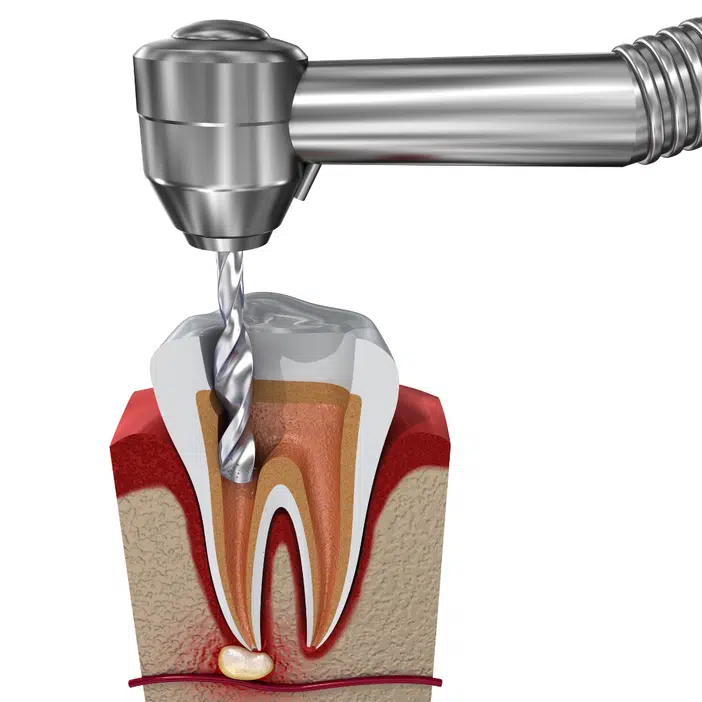
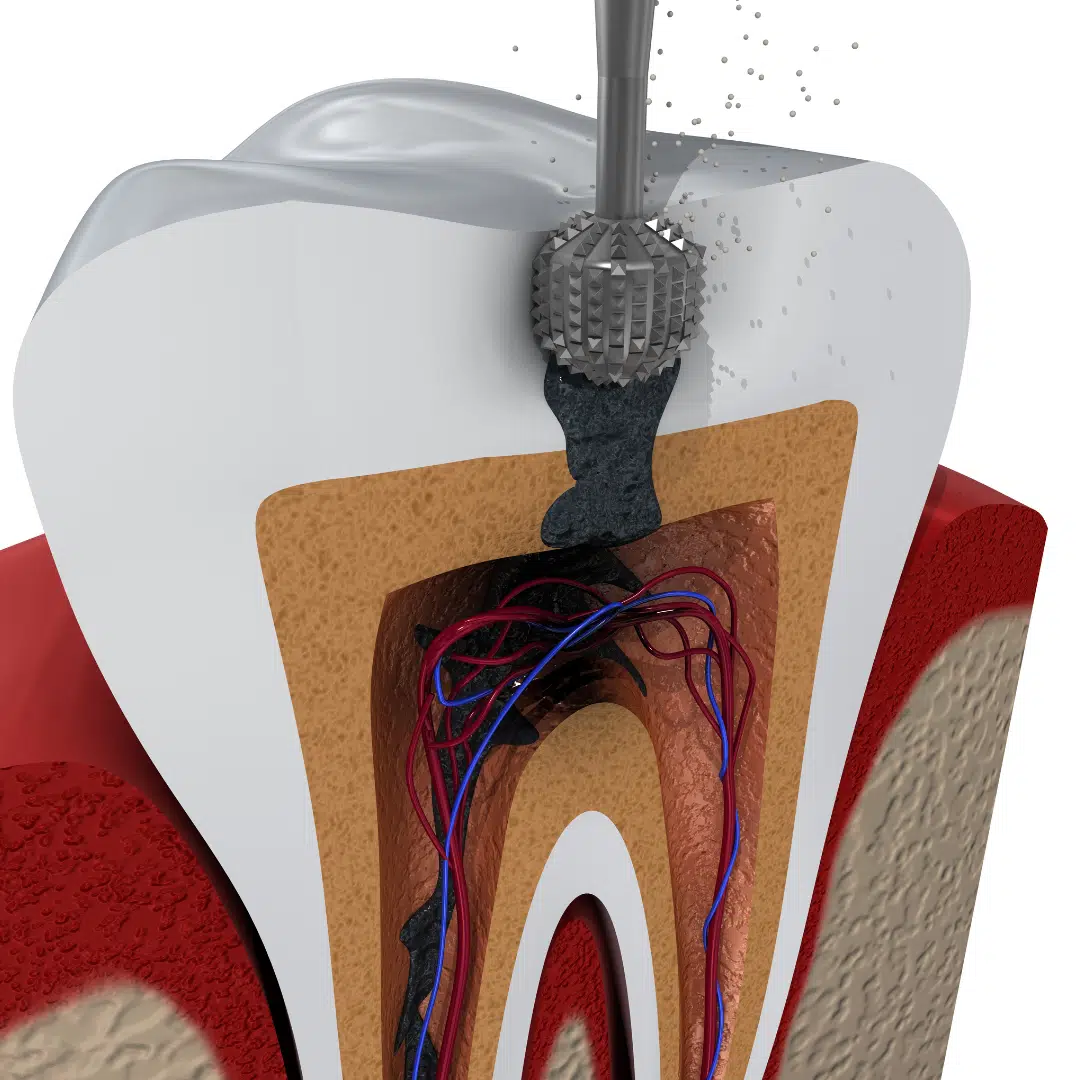
    To understand the root canal procedure, it’s important first to understand the basic anatomy of a tooth. Deep inside each tooth, beneath the white enamel and a hard layer called dentin, lies a soft tissue known as pulp. This pulp contains blood vessels, nerves, and connective tissue that helped grow the root of your tooth during its development. A root canal treatment is needed when this pulp becomes infected or inflamed.

    During a root canal procedure your general dentist in Coburg dental clinic at Bright Smile Dental Clinic in Preston removes the infected pulp, cleans and shapes the inside of the root canal, then fills and seals the space. The procedure concludes with the placement of a crown or other restoration on the tooth to protect it and restore its full function.

    Does It Hurt?

    The root of the question (pun intended) lies in understanding pain associated with a root canal procedure.

    Historically, root canals have been branded as the harbingers of discomfort due to outdated dental techniques used decades ago. However, advancements in dental technology and anaesthesia have come a long way since then. The pain often associated with root canals is usually due to the infection itself, not the procedure. In fact, the root canal procedure alleviates this pain.

    According to the American Association of Endodontists, a survey found that patients who’ve experienced root canal treatment are six times more likely to describe it as “painless” compared to individuals who haven’t had a root canal.

    Managing Pain Post-Procedure

    After the procedure, it’s normal to experience some tenderness or discomfort in the area for a few days, primarily due to the natural tissue inflammation, especially if there was pain or infection before the procedure. Over-the-counter pain medications are usually sufficient to manage this post-procedure discomfort. However, your Preston dentist might prescribe stronger pain relievers if needed.

    If the pain persists for an extended period, it’s crucial to contact your Coburg dentist at Bright Smile Dental Clinic promptly as this could indicate an issue that needs to be addressed.

    Conclusion: Prevention is Better Than Cure

    While a root canal treatment is a highly effective method to save a damaged tooth, the best strategy is to maintain a good oral hygiene regimen to prevent any dental infections in the first place. Regular brushing, flossing, and routine dental check-ups are essential to ensure the health of your teeth and gums.

    In conclusion, the answer to “Does a root canal hurt?” is a complex one, wrapped up in historical anecdotes and individual pain thresholds. However, with modern dental practices, anaesthesia, and pain management techniques, the procedure itself should not cause significant pain, instead providing relief from the discomfort caused by the infection. As always, any concerns about pain or discomfort should be discussed with your dentist in Preston who can provide you with comprehensive and personalised information. Call Bright Smile Dental Clinic today if you feel discomfort in your mouth.

  • Digital Dental Implants: 7 Powerful Benefits

    Digital Dental Implants: 7 Powerful Benefits

    In modern dentistry, digital dental implants represent a breakthrough that combines precision technology with patient comfort. At Bright Smile Dental Clinic in Preston and Coburg, our dentists use advanced digital tools to plan, create, and place implants with exceptional accuracy.

    Here are 7 powerful benefits of digital dental implants and why they are transforming smiles across Melbourne’s northern suburbs.


    1. What Are Digital Dental Implants?

    Digital dental implants are part of digital dentistry, which uses computer-based technology to improve procedures. This includes digital imaging, virtual planning, and computer-guided surgery to ensure implants are placed with unmatched precision.


    2. Accurate Planning with 3D Imaging

    The process begins with Cone Beam Computed Tomography (CBCT) scans. These 3D images give your Preston dentist a detailed view of bone density, nerve locations, and surrounding teeth. This ensures your implant is placed in the best possible position.


    3. Comfortable Digital Impressions

    Gone are the days of messy impression material. With intraoral scanners, our Coburg dentists create digital impressions quickly and comfortably. These scans also enhance accuracy compared to traditional moulds.


    4. Digital Implant Planning Software

    Specialised planning software helps dentists map out the exact angle, depth, and position of your implant before surgery begins. This level of detail reduces risks and makes surgery safer and more predictable.


    5. Guided Implant Surgery for Precision

    Using surgical guides, your Preston dentist follows the digital plan step by step. This guided approach means the procedure is less invasive, resulting in reduced discomfort, less swelling, and quicker recovery time for patients.


    6. Customised Implants with CAD/CAM Technology

    Computer-Aided Design and Manufacturing (CAD/CAM) allows us to design customised implants that fit seamlessly into your mouth. These implants are tailored for both function and aesthetics, matching the colour and shape of your natural teeth.


    7. Long-Term Benefits of Digital Dental Implants

    • Higher success rates due to precise planning
    • Shorter treatment times with streamlined workflows
    • Improved patient confidence through visualising results before surgery
    • Better long-term oral health with stable and durable implants

    Digital dental implants also integrate smoothly with other cosmetic treatments like Teeth Whitening, helping patients achieve a brighter, natural-looking smile.


    Challenges and Considerations

    Digital Dental Implants

    Like any new technology, digital dental implants require advanced equipment and training. However, the benefits for both dentists and patients outweigh these challenges, and adoption continues to grow worldwide.


    The Future of Digital Dental Implants

    Looking ahead, digital implant technology is expected to become even more advanced. Artificial intelligence will likely play a role in treatment planning, while 3D printing may create implants faster and more cost-effectively. Patients in Preston, Coburg, and Reservoir can look forward to even greater accuracy, shorter healing times, and more affordable treatment options as these innovations become mainstream.


    Why Choose Bright Smile Dental Clinic?

    At our dental clinics in Preston, Coburg, Reservoir, Heidelberg, and Northcote, we pride ourselves on delivering:

    • Cutting-edge digital dentistry
    • Gentle, patient-centred care
    • Precise diagnosis and treatment planning
    • Comprehensive dental services including Dental Implants, whitening, and family dentistry

    For more details or to book your consultation, contact us today.


    External Authority Resource

    To learn more about dental implant care, visit the Australian Dental Association – Implants Information.


    Conclusion

    Digital dental implants are not just a passing trend — they are the future of dentistry. With greater precision, less discomfort, and long-lasting results, they offer patients in Preston and Coburg the chance to restore their smiles with confidence.

    At Bright Smile Dental Clinic, we are proud to bring this innovative technology to our community and provide expert care every step of the way. The future is digital, and that means healthier, brighter smiles for you and your family.


  • What is tooth extraction

    What is tooth extraction

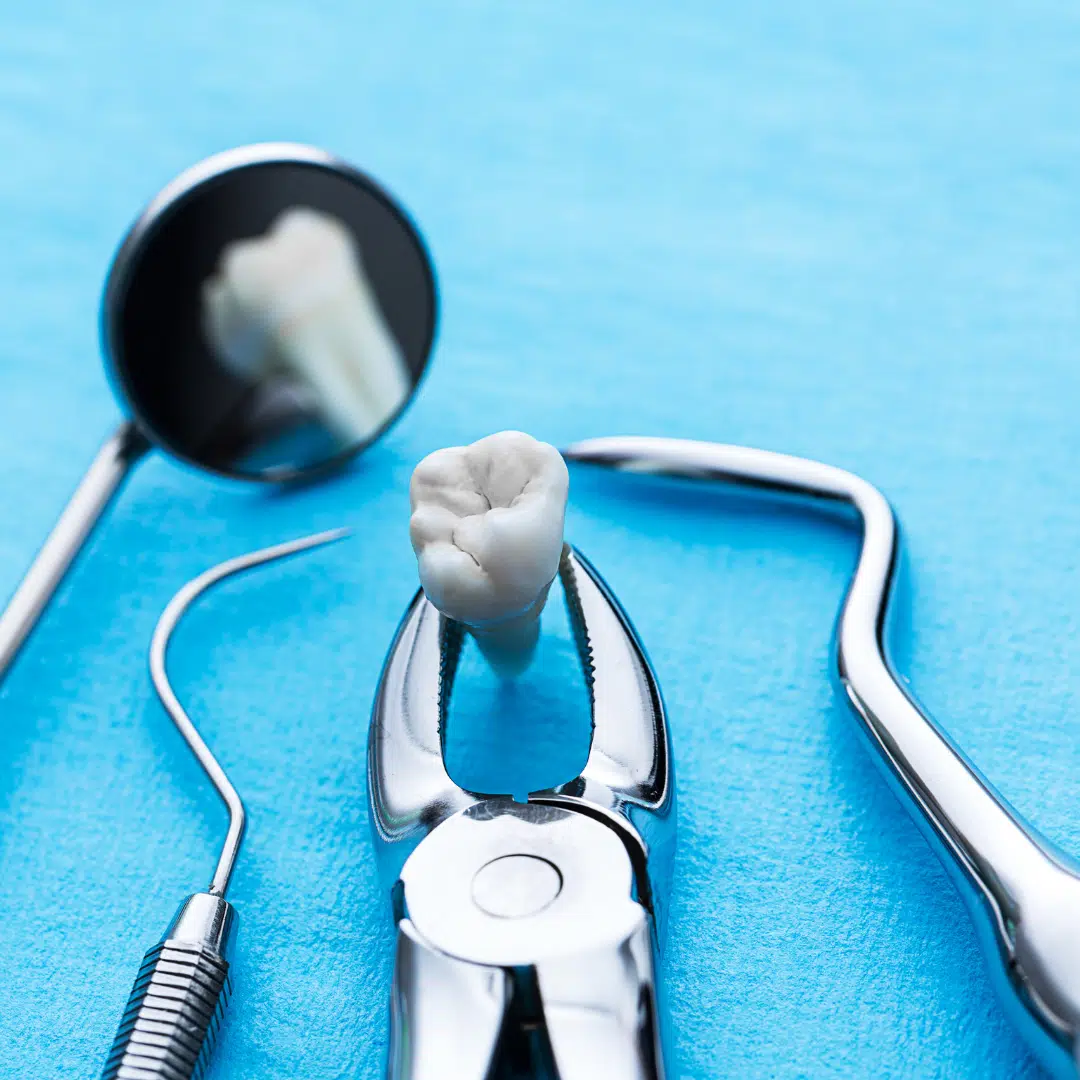
    Tooth extraction is a dental procedure that involves removing a tooth from its socket. This may be necessary for a variety of reasons, including severe decay, infection, or overcrowding. If you’re scheduled for a tooth extraction, it is important to understand what to expect during the procedure and how to care for your mouth afterward as your Preston dentist instruct you.

    Reasons for tooth extraction

    There are various reasons why a person would get a tooth extraction. According to web search results, some of the common reasons are:

    Severe tooth decay, infection, or damage that cannot be repaired.

    Gum disease that affects the tissues and bones that support the tooth.

    Crowding of teeth prevents proper alignment or interferes with orthodontic treatment.

    Impacted wisdom teeth that do not have enough space to grow or cause problems for other teeth.

    Medical conditions that require removal of compromised teeth, such as chemotherapy or organ transplant.

    If you have any of these conditions, you should consult your Preston dentist at Bright Smile Dental Clinic for advice on whether you need a tooth extraction.

    The tooth extraction process

    The tooth extraction process depends on whether your tooth is visible or impacted and the process is as follows:

    For a visible tooth, your Coburg dentist will give you a local anesthetic to numb the area around your tooth. They will then use an instrument called an elevator to loosen the tooth and forceps to remove it.

    For an impacted tooth, your Coburg dentist or oral surgeon will make a small cut in your gum and remove any bone that covers the tooth. They may also need to cut the tooth into pieces before removing it.

    After the tooth extraction, your dentist in Preston will clean the socket and apply gauze to stop the bleeding. You may also need stitches to close the wound. You will be given painkillers and instructions on how to care for your mouth during recovery.

     Possible complications and risks

    Tooth extraction is a surgical procedure that carries a small risk of complications. Some of the possible complications and risks are:

    Bleeding:

    It is normal to have some bleeding after the extraction, but excessive or prolonged bleeding may indicate a problem with blood clotting or wound healing.

    Infection:

    There is a risk of infection in the socket or surrounding tissues, especially if you have a weakened immune system or pre-existing dental conditions. Signs of infection include fever, pus, swelling, and foul smell.

    Dry socket:

    This is a painful condition that occurs when the blood clot in the socket is dislodged or dissolved, exposing the bone and nerves. Dry sockets can delay healing and increase the risk of infection.

    Nerve injury:

    This is a rare but serious complication that can cause numbness, tingling, or pain in the lower lip, chin, tongue, or teeth. Nerve injury can be temporary or permanent, depending on the severity and location of the damage.

    Perforation of maxillary sinus:

    This is another rare but serious complication that can occur when an upper molar tooth is extracted, and the sinus membrane is torn. This can cause sinus infection, bleeding, or communication between the mouth and the sinus.

    Delayed healing:

    Some factors can slow down the healing process, such as smoking, poor oral hygiene, diabetes, or other medical conditions. Delayed healing can increase the risk of other complications and prolong discomfort.

    Generally, tooth extraction is a safe and routine procedure, there are some potential complications and risks to be aware of. These can include bleeding, infection, nerve damage, and damage to surrounding teeth or structures. Your Preston dentist will discuss these risks with you before the procedure and take steps to minimise them.

    It’s important to follow all post-operative instructions and contact your Coburg dentist at Bright Smile Dental Clinic if you experience any unusual symptoms or complications.

  • The Ultimate Guide to Dental Implants with Your Preston Dentist

    The Ultimate Guide to Dental Implants with Your Preston Dentist

    If you’re missing one or more teeth, a dental implant may be a great option for restoring your smile. This guide will provide you with all the information you need to know about dental implants, including the benefits, risks, and aftercare involved in this popular procedure.

    What are dental implants and how do they work?

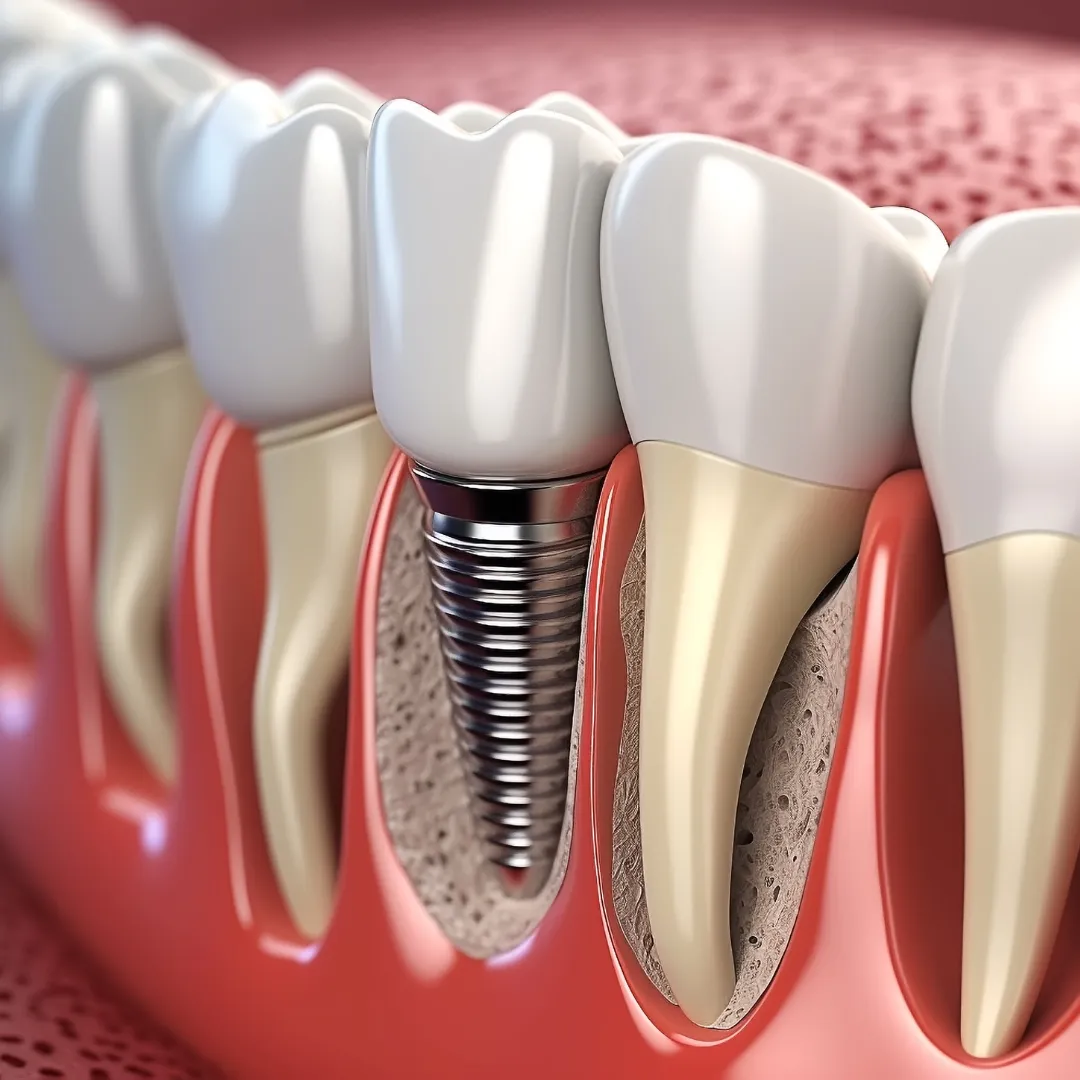
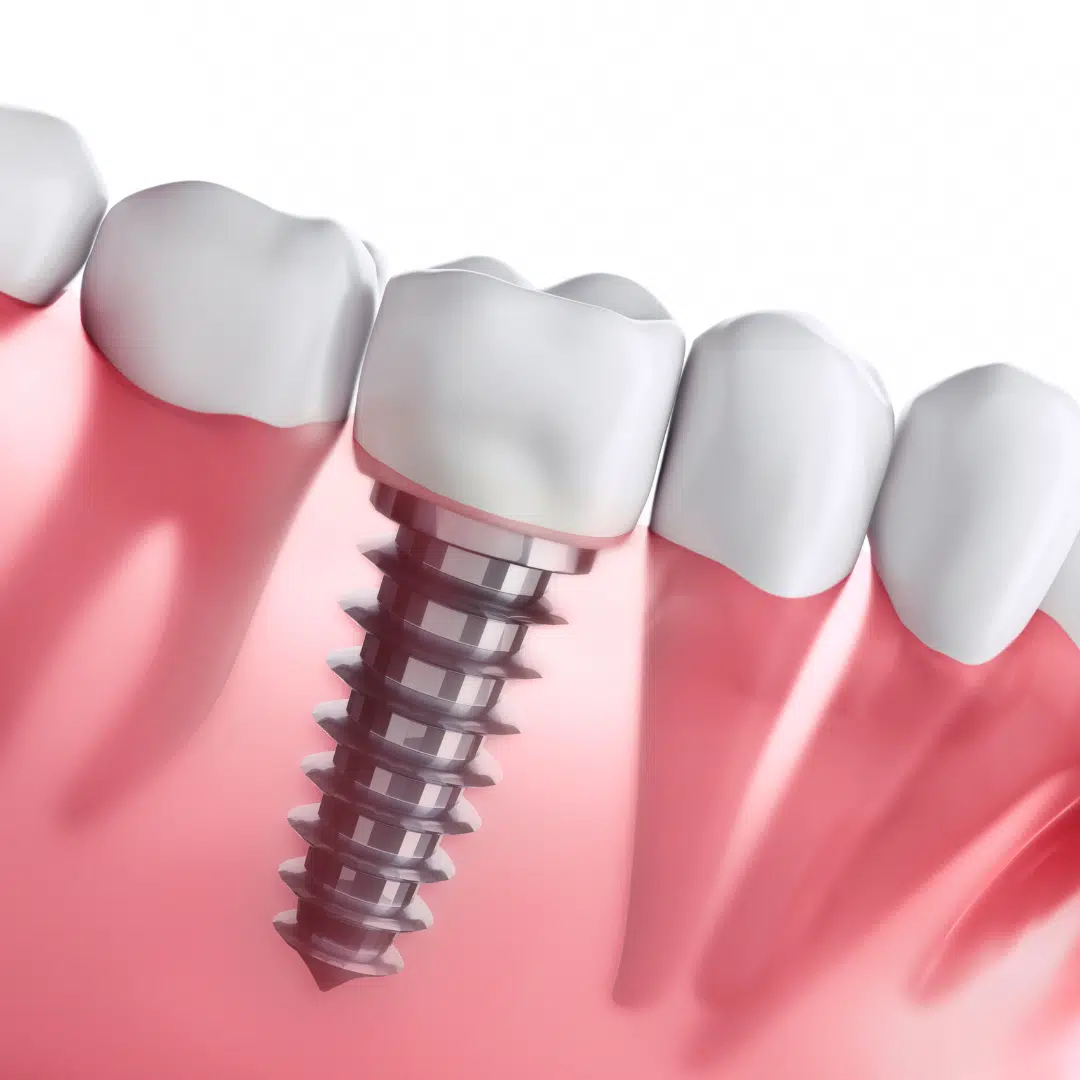
    Dental implants are artificial tooth roots that are placed into the jawbone to support a replacement tooth or bridge. They are typically made of titanium, which is a biocompatible material that fuses with the jawbone over time. This process is called osseointegration and it allows the implant to become a permanent part of the jawbone. Once the implant is securely in place, a replacement tooth or bridge can be attached to it, providing a natural-looking and functional solution for missing teeth.

    Titanium is a safe material that allows bone to grow around it. Implants generally have high success rates, but they require an additional level of training and expertise. So, your dentist at Bright Smile Dental Clinic in Preston will provide you with the best implant treatment that will last a lifetime.

    Benefits of dental implants compared to other tooth replacement options

    Dental implants offer several benefits compared to other tooth replacement options such as dentures or bridges. Firstly, they are a permanent solution that can last a lifetime with proper care. Secondly, they look and feel like natural teeth, providing a more natural and comfortable experience. Thirdly, they help to preserve the jawbone and prevent bone loss, which can occur with other tooth replacement options. Finally, they do not require any special maintenance or cleaning routines, making them a convenient and hassle-free option.

    There are several types of dental implants, depending on the number and location of missing teeth, the quality and quantity of the jawbone, and the preference and budget of the patient. The most common types are:

    – Endosteal implants: These are inserted directly into the jawbone and can support one or more artificial teeth. They are usually shaped like screws, cylinders, or plates.

    – Subperiosteal implants: These are placed under the gum tissue but on top of the jawbone. They are used when the jawbone is not enough to support endosteal implants. They consist of a metal frame with posts that protrude through the gums to hold the artificial teeth.

    – Zygomatic implants: These are inserted into the cheekbone instead of the jawbone. They are used when there is not enough bone in the upper jaw to support other types of implants. They are the most complex and invasive type of dental implant.

    The Process of dental implants

    The process of getting dental implants involves several steps and may take several months to complete. The steps include:

    – Consultation and evaluation: Your Preston dentist will examine your mouth, take x-rays and impressions, and discuss your medical history and treatment options with you. You will also learn about the costs and benefits of dental implants and how to prepare for the surgery. Our Preston dentists in Bright Smile Dental Clinic will provide comfortable and hassle-free dental implants experience.

    – Surgery: Coburg dentist will perform the surgery under local anesthesia. The surgery involves making incisions in the gums, drilling holes in the bone, and inserting the implants. You may need to wait for several weeks or months for the implants to fuse with the bone before attaching the artificial teeth.

    – Restoration: Heidelberg dentists at bright Smile Dental Clinic in Preston will attach the artificial teeth to the implants using abutments or connectors. Artificial teeth can be removable or fixed, depending on your choice and needs. You will also receive instructions on how to care for your new smile and maintain good oral hygiene.

    Dental implants advantages over other tooth replacements

    Dental implants have many advantages over other tooth replacement options, such as dentures and bridges. Some of these advantages are:

    – They look and feel natural, as they mimic the shape and colour of your natural teeth.

    – They are durable and stable, as they are anchored to your jawbone and do not slip or move.

    – They improve your chewing and speaking abilities, as they restore your bite force and prevent your teeth from shifting.

    – They protect your jawbone and facial structure, as they stimulate bone growth and prevent bone resorption.

    – They enhance your self-confidence and quality of life, as they improve your appearance and comfort.

    Digital Implants:

    The digital dental implant is a newer method that uses advanced technology to simplify and improve the implant process. It involves these steps:

    – You will have a consultation with your Coburg dentist at Bright Smile Dental Clinic, who will use a 3D scanner to capture a digital image of your mouth and jaw. This image will be used to plan the optimal position and angle of your implant.

    – You will have surgery, where your Preston dentist will use a 3D-printed guide to place the implant precisely into your jawbone. You will not need an incision or stitches, as the guide will create a small hole in your gum. You may also receive a temporary restoration on the same day.

    – You will have a healing period, where your bone will fuse with the implant. This can be shorter than with the traditional method, as digital planning reduces the risk of complications and infections.

    – You will have a final restoration, where your dentist will use a digital scanner to create a virtual model of your abutment and crown. This model will be sent to a computerised milling machine that will produce an accurate and durable crown that fits perfectly on your implant.

    The digital dental implant has several advantages over the traditional procedure, such as:

    – It is faster and more comfortable, as it requires less surgery time and fewer visits to the dentist.

    – It is more precise and predictable, as it uses 3D imaging and computer-guided technology to ensure optimal implant placement and restoration.

    – It is more aesthetic and functional, as it uses high-quality materials and techniques to create natural-looking and long-lasting crowns.

    Are dental implants suitable for everyone?

    Dental implants are a safe and effective solution for missing teeth, but they are not suitable for everyone. Some factors that may affect your eligibility for dental implants are:

    – Your overall health condition: You should be in good general health and free of any chronic diseases or infections that may affect your healing or immune system.

    – Your oral health condition: You should have healthy gums and enough bone density to support the implants. You may need additional procedures, such as bone grafting or sinus lifting, to improve your bone quality or quantity.

    – Your lifestyle habits: You should avoid smoking, drinking alcohol excessively, or taking certain medications that may interfere with your healing or implant success.

    – Your commitment to oral hygiene: You should brush and floss your teeth daily, visit your Preston dentist regularly, and follow their instructions on how to care for your implants.

    If you are interested in getting dental implants, you should consult with a qualified and experienced dentist at Preston dental clinic who can assess your situation and recommend the best treatment plan for you. Dental implants can be a life-changing investment that can restore your smile and oral health for a lifetime.
  • What to Expect During and After a Root Canal Procedure | Best Preston Dentist

    What to Expect During and After a Root Canal Procedure | Best Preston Dentist

    If your Preston dentist has recommended a root canal, you may be feeling anxious about the procedure. However, root canals are a routine dental treatment that can save a damaged or infected tooth. In this guide, we’ll explain what a root canal involves, what to expect during the procedure, and how to care for your tooth afterward.

    Root canals are a common dental procedure used to treat infected or damaged teeth. The procedure involves removing the infected or damaged tooth pulp from the root canal, cleaning and sealing the canal, and placing a filling or crown on the tooth. This procedure helps to preserve the natural tooth and prevent further damage or infection.

    Root canals can be a very effective way to save a damaged or infected tooth. The procedure can be performed on one or two visits, depending on the complexity of the case. During the procedure, your dentist in Preston dental clinic will remove the infected or damaged tooth pulp, clean and shape the root canal, and fill the canal with a special material. The tooth is then sealed, and a filling or crown is placed on the tooth.

    Understanding the Purpose of a Root Canal

    A root canal is a dental procedure that is used to remove the infected or damaged pulp from inside a tooth and replace it with a filling material. The pulp is the soft tissue inside the tooth that contains nerves and blood vessels. When the pulp becomes infected or damaged, it can cause severe pain and lead to an abscess if left untreated. A root canal can save the tooth and prevent the need for tooth extraction. Your friendly Reservoir dentist at Bright Smile dental clinic in Preston will provide you with the best root canal treatment.

    The procedure involves removing the pulp from the tooth and cleaning out any infection that may be present. Once the pulp has been removed, the tooth is filled with a material that will help to keep it strong and healthy. This material is usually made of a rubber-like substance called gutta-percha.

    Root canals are typically performed by experienced dentists at BrightSmile dental clinic in Preston and Coburg. They are often recommended when a tooth has become severely infected or damaged and cannot be saved by other means. While root canals may seem intimidating, they are quite common and can be performed quickly and easily with minimal discomfort.

    Preparing for the Procedure

    Before your root canal procedure, your Preston dentist will likely take X-rays to get a better look at the affected tooth and surrounding area. They may also prescribe antibiotics if there is an active infection. On the day of the procedure, you will receive local anesthesia to numb the area around the tooth. Your dentist at Preston dental clinic will then create a small hole in the top of the tooth to access the pulp and remove it using specialised tools. The tooth will then be filled with a temporary filling material and a permanent filling or crown will be placed at a later appointment.


    What to Expect After the Procedure

    After your root canal procedure, you may experience some soreness and sensitivity in the treated area for a few days. This is normal and can be managed with over-the-counter pain relievers and ice packs. You should avoid chewing on the affected side until the permanent restoration is placed. You should also maintain good oral hygiene by brushing and flossing regularly and visiting your dentist at Preston dental clinic for check-ups and cleanings. With proper care, your root canal-treated tooth can last for many years or even a lifetime.

    The Steps of a Root Canal

    A root canal procedure typically involves several steps. First, your Northcote dentist at Bright Smile Dental Clinic in Preston will numb the area around the affected tooth with local anesthesia. Then, they will create a small hole in the top of the tooth to access the pulp. Using specialised tools, they will remove the infected or damaged pulp and clean out the inside of the tooth. The tooth will then be filled with a temporary filling material and a permanent filling or crown will be placed at a later appointment at Preston dental clinic. The entire process can take several hours, but most patients experience little to no pain during the procedure with an experienced dentist in Preston dental clinic.

    After the Procedure: Recovery and Follow-Up Care

    After a root canal procedure, it’s important to take care of the affected tooth and follow your Preston dentist’s instructions for recovery. You may experience some discomfort or sensitivity for a few days after the procedure, but this can usually be managed with over-the-counter pain medication. Avoid chewing on the affected tooth until the permanent filling or crown is placed. Your dentist may schedule a follow-up appointment to check on the healing process and ensure that the tooth is properly restored. With proper care, a root canal can save a damaged or infected tooth and prevent the need for tooth extraction.

    Tips for Maintaining Oral Health After a Root Canal

    After a root canal procedure, it’s important to maintain good oral hygiene to prevent further dental issues. Brush your teeth twice a day with fluoride toothpaste and floss daily to remove any food particles or plaque buildup. Avoid chewing on hard or sticky foods that could damage the affected tooth. Schedule routine dental check-ups and cleanings to ensure that your teeth and gums remain healthy. If you experience any pain or discomfort after the procedure, contact your Preston dentist for further advice.

  • Tooth Extraction Aftercare: Tips for a Speedy Recovery | Best Dentist in Coburg

    Tooth Extraction Aftercare: Tips for a Speedy Recovery | Best Dentist in Coburg

    Tooth extraction is a common dental procedure that involves removing a tooth from its socket in the jawbone and it can be necessary for a variety of reasons, including decay, injury, or overcrowding. While the thought of having a tooth pulled can be daunting, the recovery process can be made more comfortable by following some simple aftercare tips. Here’s what you need to know to help speed up the healing process after a tooth extraction at our dental clinic in Coburg with your dentist in Preston.

    Follow Your Dentist’s Instructions

    The most important thing you can do for a speedy recovery after a tooth extraction is to follow your Preston dentist‘s instructions. They will provide you with specific aftercare instructions based on your individual situation, including how to care for the extraction site, what foods to avoid, and when to take any prescribed medications. It’s important to follow these instructions closely to ensure proper healing and avoid any complications. If you have any questions or concerns, don’t hesitate to contact your Preston dentist for guidance.

    Manage Pain and Swelling

    Pain and swelling are common after a tooth extraction, but there are steps you can take to manage them. Your dentist may prescribe pain medication or recommend over-the-counter pain relievers like ibuprofen. Applying an ice pack to the affected area for 10-20 minutes at a time can also help reduce swelling. It’s important to avoid smoking, drinking through a straw, and spitting, as these actions can dislodge the blood clot and delay healing. Stick to soft foods and avoid hot or spicy foods for the first few days after the extraction.

    Avoid Certain Foods and Drinks

    After a tooth extraction, it’s important to avoid certain foods and drinks that can irritate the extraction site or delay healing. Avoid hot or spicy foods, as well as crunchy or hard foods that can get stuck in the extraction site. Stick to soft foods like mashed potatoes, yogurt, and soup for the first few days. It’s also important to avoid alcohol and carbonated drinks, as they can cause dry socket, a painful condition that occurs when the blood clot is dislodged from the extraction site. Stick to water and other non-alcoholic, non-carbonated beverages for the first few days after the extraction.

    Keep the Extraction Site Clean

    Keeping the extraction site clean is crucial for a speedy recovery after a tooth extraction. Gently rinse your mouth with warm salt water several times a day, starting the day after the extraction. This will help to reduce swelling and prevent infection. Avoid using mouthwash or brushing the extraction site for the first 24 hours after the extraction, but after that, you can gently brush the area with a soft-bristled toothbrush. Be careful not to brush too hard or disturb the blood clot that forms in the extraction site.

    Rest and Take It Easy

    After a tooth extraction, it’s important to rest and take it easy for the first few days. Avoid any strenuous activity or exercise that could increase blood pressure and cause bleeding at the extraction site. You should also avoid smoking and drinking alcohol, as these can slow down the healing process. Instead, focus on getting plenty of rest and staying hydrated by drinking lots of water and other fluids. If you experience any severe pain or swelling, contact your Reservoir dentist or oral surgeon for further advice.

    If you’re in the northern suburbs of Melbourne, including Preston, Reservoir, or Coburg, and need a tooth extraction, your Coburg dentist at Bright Smile Dental Clinic in Preston will provide you with the best dental treatments. It’s important to choose a reputable and experienced dentist who can provide you with the care and guidance you need for a successful recovery. With the right aftercare, you can speed up the healing process and get back to your normal activities in no time.

  • Brighten Up Your Smile with Teeth Whitening in Melbourne!

    Brighten Up Your Smile with Teeth Whitening in Melbourne!

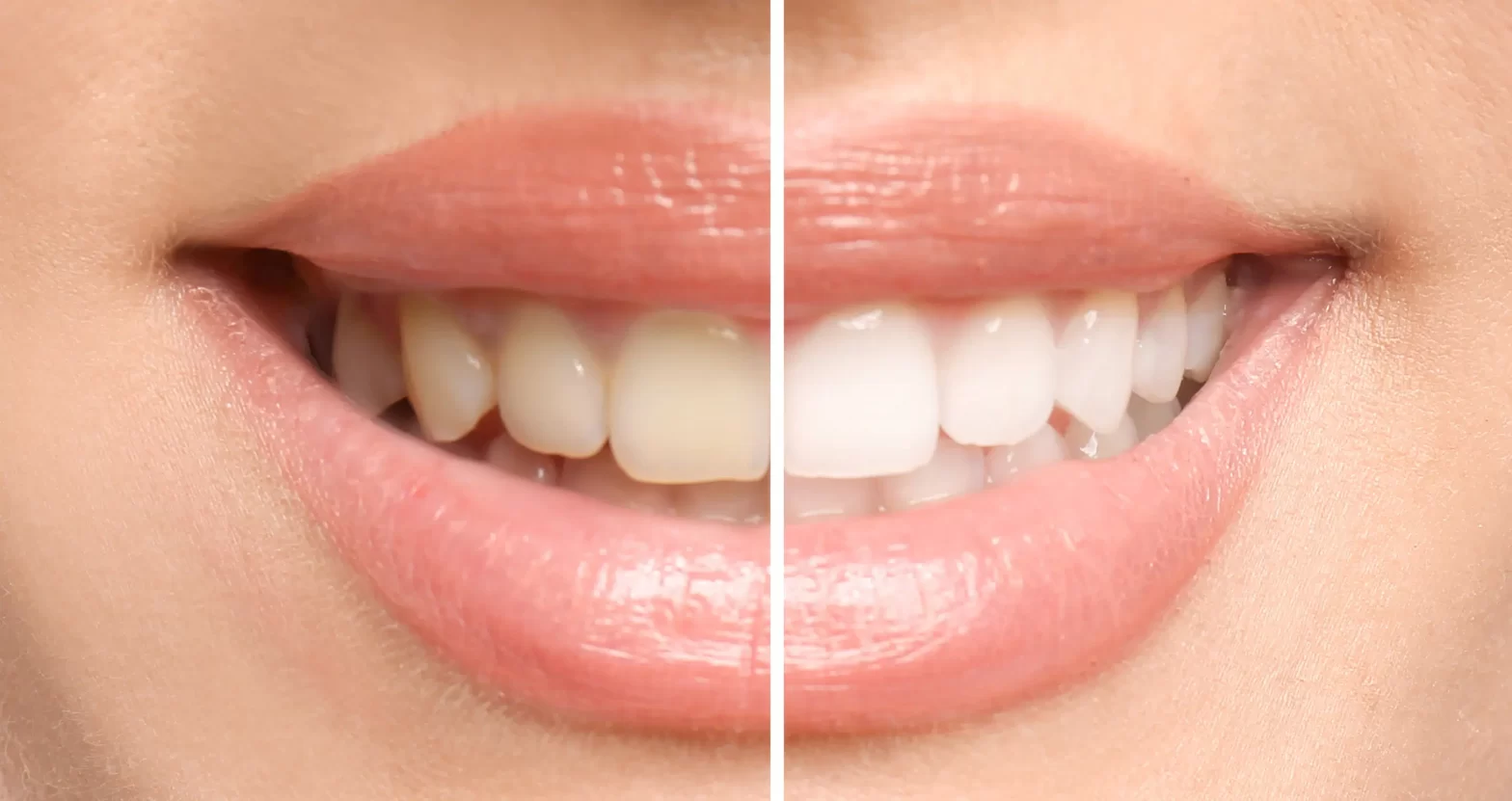
    If you are looking for professional teeth whitening in Preston, you have plenty of choices. From in-office treatments to at-home kits, your dentist in Preston dental clinic offers a range of options to help you get the brightest and whitest smile possible.

    Understand the Benefits of Teeth Whitening In Preston

    Teeth whitening can provide many benefits, including a brighter and whiter smile. With professional whitening treatments, you can dramatically improve discolouration of your teeth due to ageing, certain medications, smoking or staining foods and drinks. In addition to eliminating stains, tooth whitening also enhances your overall confidence.

    A bright and white smile can make an enormous difference in your overall appearance and confidence. Unfortunately, many things can cause teeth to become discoloured or stained, such as aging, certain medications, smoking, and staining foods and drinks. Fortunately, teeth whitening can provide many benefits, including a brighter and whiter smile, improved confidence, and a more youthful appearance.

    Professional teeth whitening treatments are one of the most effective ways to dramatically improve the discolouration of your teeth. These treatments use a specially formulated whitening gel that is applied directly to the teeth. The gel contains a bleaching agent that penetrates the tooth enamel to remove surface stains and deep-set discolouration. Professional whitening treatments with your Coburg dentist can be completed in just one or two appointments with our dentist Preston and can provide dramatic results.

    One of the primary benefits of teeth whitening Preston is a brighter and whiter smile. Discoloured or stained teeth can make you look older, unhealthy, or unattractive. By whitening your teeth, you can improve your appearance and boost your confidence. A bright white smile can help you feel more confident in social situations, at work, or in any situation where you want to look your best.

    Another benefit of teeth whitening is that it can improve your overall confidence. If you are unhappy with your smile, you may feel self-conscious or embarrassed. This can make it difficult to feel confident in your appearance or in social situations. By whitening your teeth, you can improve your self-esteem and feel more confident and comfortable in your own skin.

    Additionally, teeth whitening can provide a more youthful appearance. As we age, our teeth naturally become darker or yellowish in colour. By whitening your teeth, you can help reverse this natural aging process and achieve a more youthful appearance. A bright and white smile can help you look and feel more vibrant, healthy, and attractive.

    It is important to note that teeth whitening may not be appropriate for everyone. If you have certain dental conditions or oral health problems, your dentist may recommend whitening your teeth. Additionally, if you have sensitive teeth or gums, you may experience discomfort or sensitivity during or after the whitening process. It is important to discuss your options with your dentist and determine if teeth whitening is right for you.

    In conclusion, teeth whitening can provide many benefits, including a brighter and whiter smile, improved confidence, and a more youthful appearance. With professional whitening treatments, you can dramatically improve discolouration of your teeth due to aging, certain medications, smoking, or staining foods and drinks. If you are unhappy with the appearance of your teeth, talk to your Preston dentist about your options for teeth whitening. With proper care and maintenance, you can enjoy a bright white smile for years to come.

    Prepare for Your Teeth Whitening Treatment

    It is important to prepare for your teeth whitening treatment, both before and after. Before the appointment, be sure to brush and floss your teeth, and check for any cavities or other dental issues that may need to be addressed prior to whitening. After the appointment, you should avoid certain products like tobacco and acidic drinks for a few days so that your teeth do not become discoloured again. With proper preparation, you will achieve the best results from your teeth whitening treatment in Preston and Coburg.

    If you are planning to get your teeth whitened, it is important to prepare for your treatment both before and after your appointment. Proper preparation can help ensure that you achieve the best results from your teeth whitening treatment in Melbourne. Here is what you need to know:

    Before Your Appointment

    Before your teeth whitening treatment, there are a few steps you should take to prepare:

    1. Brush and Floss: Make sure to brush and floss your teeth before your appointment to remove any surface stains and debris. This will help ensure that the whitening solution can penetrate your teeth more effectively.
    2. Check for Cavities: If you have any cavities or other dental issues, it is important to address them before your whitening treatment. Whitening can exacerbate existing dental problems, so it is important to ensure that your teeth are in good health before starting the treatment.
    3. Talk to Your Dentist: Be sure to discuss any concerns or questions you may have with your dentist. They can provide guidance on what to expect during the treatment and how to maintain your newly whitened smile.


    After Your Appointment

    After your teeth whitening treatment, it is important to take care of your teeth to ensure that the results last as long as possible. Here are some tips:

    1. Avoid Certain Products: For the first few days after your treatment, it is best to avoid products that can cause staining or discolouration, such as tobacco, coffee, tea, and acidic drinks like soda or citrus juices.
    2. Practice Good Oral Hygiene: Continue to brush and floss regularly to maintain good oral hygiene and prevent future staining.
    3. Touch Up Treatments: Depending on the type of whitening treatment you receive; your dentist may recommend touch-up treatments to maintain the results. These treatments can help ensure that your teeth remain bright and white for longer.


    By following these steps before and after your teeth whitening treatment, you can achieve the best possible results and maintain your bright, white smile for as long as possible.

    In conclusion, preparing for your teeth whitening treatment is a crucial step in achieving the best results. Before your appointment, make sure to brush and floss, check for any dental issues, and talk to your dentist about any concerns you may have. After your treatment, avoid certain products and practice good oral hygiene to maintain your results. With proper preparation and care, you can enjoy a brighter, whiter smile for years to come. So why not schedule your teeth whitening treatment in Preston, Coburg, Reservoir and Heidelberg today and start preparing for your new, confident smile?

  • Dental Checkups and Cleaning

    Dental Checkups and Cleaning

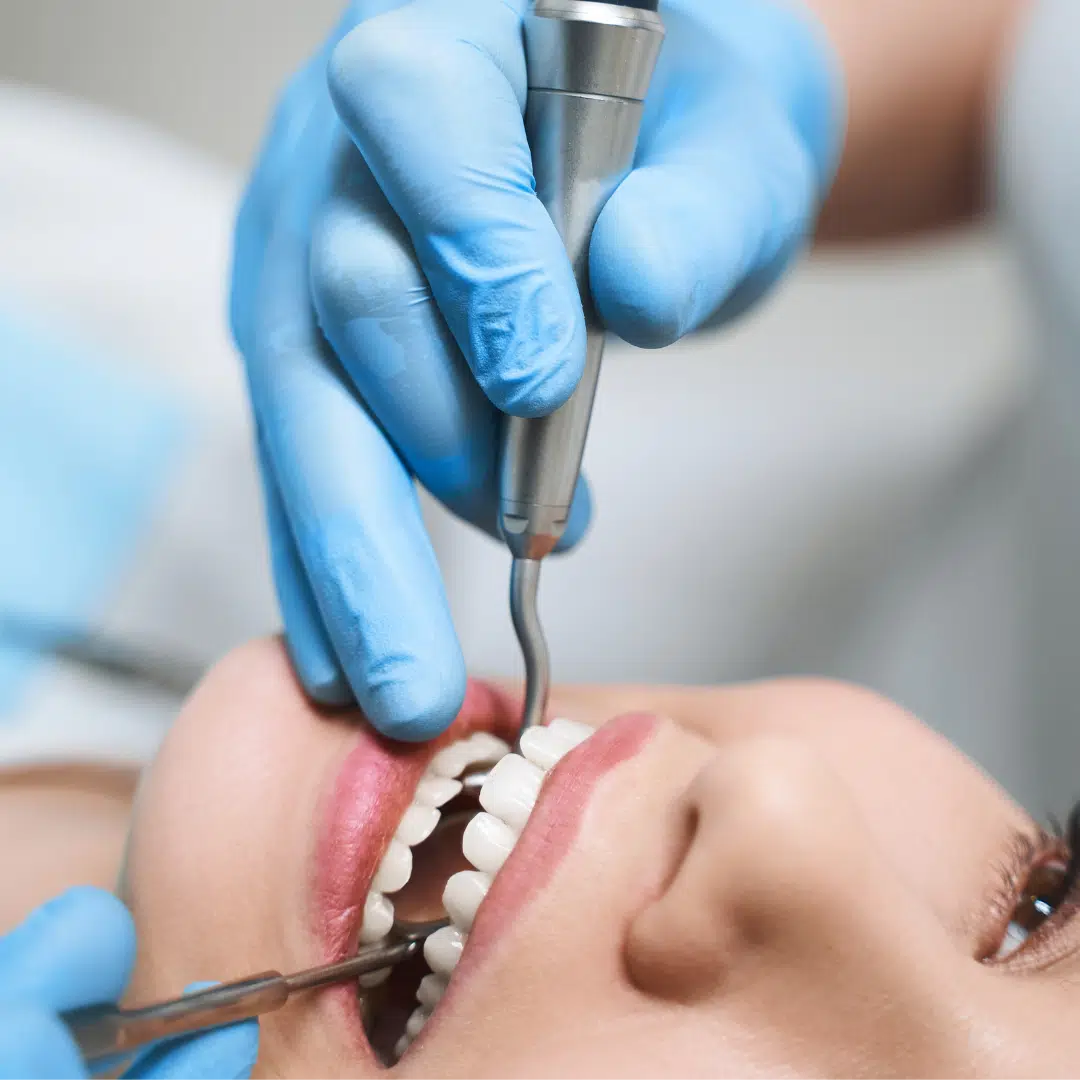
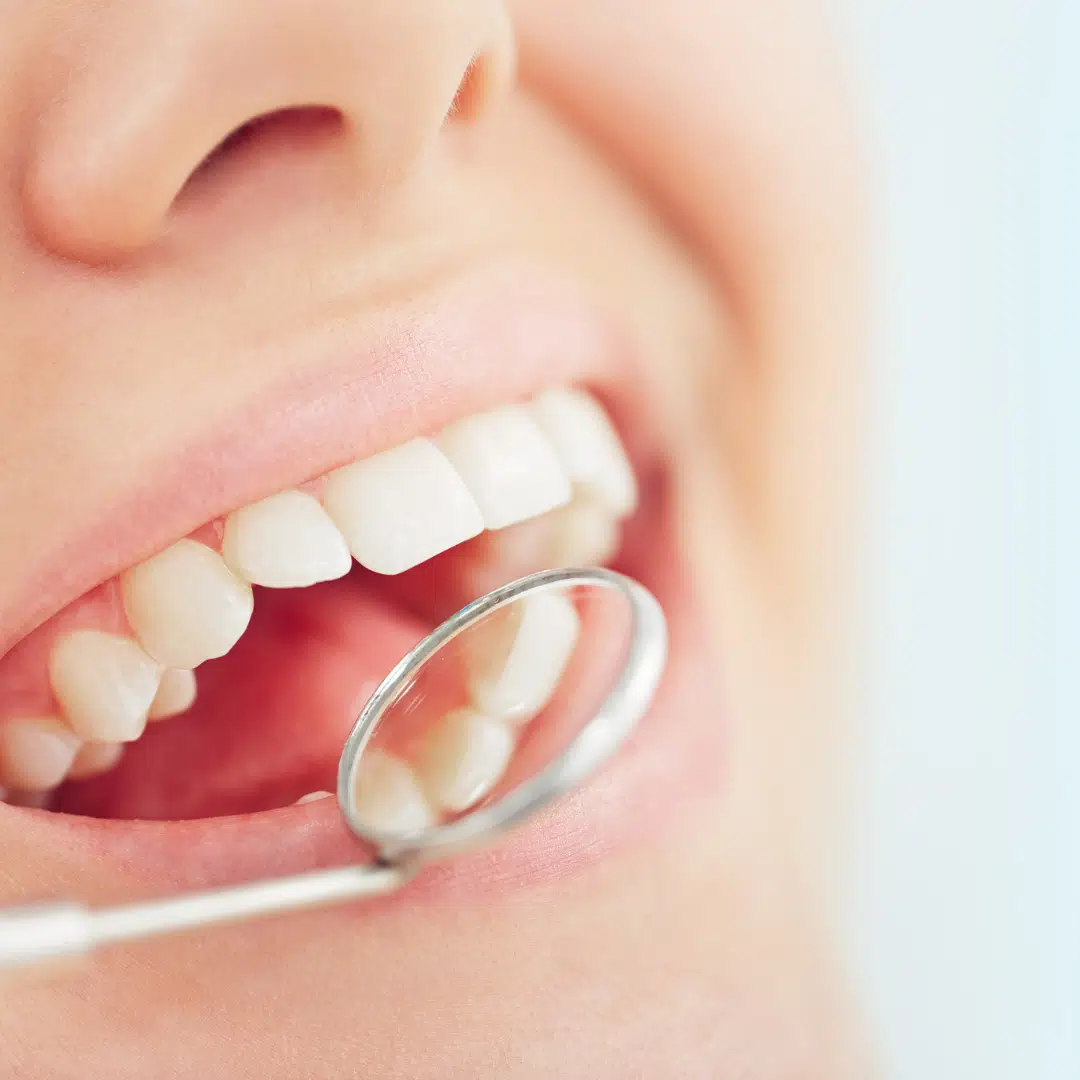
    A regular dental checkup and cleaning may seem like just another item on your to-do list, but it can provide a variety of benefits for your overall oral health. From preventing tooth decay and gum disease to identifying underlying issues with your teeth, a dental checkup and cleaning can help keep your mouth healthy. Read on to learn the top five benefits of regular dental checkups and cleanings. Regular dental checkups and cleanings are essential for maintaining good oral health. Your dentist at Preston dental clinic provides you with the best regular checkups and dental cleaning to maintain your dental and oral health.

    5 benefits of regular dental checkups and cleaning

    Here are five benefits of going to the dentist for regular checkups and cleanings:

    1. Preventing Dental Problems: Regular dental checkups and cleanings can help prevent dental problems such as cavities, gum disease, and tooth decay. During a dental checkup, your dentist can identify any dental issues and treat them before they become more serious.
    2. Early Detection of Oral Cancer: Oral cancer is a serious and potentially deadly disease. However, when it is detected early, it is highly treatable. During a regular dental checkup, your dentist will examine your mouth for signs of oral cancer and other diseases.
    3. Keeping Your Teeth and Gums Healthy: Regular cleanings help remove plaque and tartar buildup, which can lead to gum disease and tooth decay. By keeping your teeth and gums healthy, you can avoid more serious dental problems down the road.
    4. Saving Money: Preventative dental care can save you money in the long term by avoiding more serious dental problems that can require costly treatments. It is much less expensive to have regular checkups and cleanings than it is to have extensive dental work done.
    5. Maintaining Overall Health: Your oral health is connected to your overall health. Gum disease, for example, has been linked to an increased risk of heart disease, stroke, and other health problems. Regular dental checkups and cleanings can help keep your mouth healthy and reduce the risk of these health problems.

    Conclusion

    In summary, regular dental checkups and cleanings are important for maintaining good oral health, preventing dental problems, detecting oral cancer early, keeping your teeth and gums healthy, saving money, and maintaining overall health. So, make sure to schedule your next dental checkup and cleaning today with your Preston dentist at Bright Smile Dental Clinic!