Tag: dentist in Preston

  • Preventing Cavities in Your Toddler With Your Coburg Dentist

    Preventing Cavities in Your Toddler With Your Coburg Dentist

    As a parent, you want to do everything you can to keep your child healthy and happy. One important aspect of their health is their dental hygiene. Cavities are a common dental issue that affects many children, and it’s essential to take steps to prevent them from occurring. As a parent, you play a significant role in your child’s oral health, which is why we’ve created this essential guide to preventing cavities in your toddler. In this guide, we’ll cover everything you need to know, from understanding the causes of cavities to practical tips you can start implementing today to keep your child’s teeth healthy. So, whether you’re a new parent or have been through the toddler years before, join us as we explore the best ways to prevent cavities and keep your child’s smile shining bright. Your Coburg dentist at Bright Smile Dental Clinic in Preston provides you with the best consultation for your children’s dental health.

    Why Preventing Cavities is Important

    Cavities can cause pain and discomfort, which can impact your child’s eating habits and overall health. Additionally, untreated cavities can lead to more severe dental issues, such as tooth decay or even tooth loss. Preventing cavities in your toddler is essential for their overall health and well-being.

    Signs and Symptoms of Cavities in Toddlers

    It’s essential to recognise the signs and symptoms of cavities in toddlers. Some common symptoms include tooth sensitivity, pain when chewing, and visible holes or pits in the teeth. If you notice any of these symptoms, it’s essential to take your child to the dentist as soon as possible.

    Factors that Contribute to Cavity Development in Toddlers

    Several factors can contribute to cavity development in toddlers. One of the most significant factors is poor oral hygiene. Toddlers may not be able to brush their teeth effectively, which can lead to the buildup of plaque and bacteria. Additionally, a diet high in sugar and carbohydrates can contribute to cavity development.

    Tips for Preventing Cavities in Toddlers

    Preventing cavities in toddlers requires a multi-faceted approach. Here are some tips to help keep your child’s teeth healthy:

    Brushing

    Brushing your child’s teeth twice a day is essential for preventing cavities. Use a soft-bristled toothbrush and fluoride toothpaste. Brush the teeth in a circular motion, making sure to clean all surfaces of the teeth and gums.

    Flossing

    Flossing is an essential part of dental hygiene, even for toddlers. Floss your child’s teeth once a day to remove any food particles or plaque that may be stuck between the teeth.

    Diet

    A diet high in sugar and carbohydrates can contribute to cavity development. Encourage your child to eat a balanced diet that includes fruits, vegetables, and whole grains. Limit sugary snacks and drinks, such as candy and soda.

    Choosing the Right Toothpaste and Toothbrush for Your Toddler

    Choosing the right toothpaste and toothbrush for your toddler is essential for their dental hygiene. Look for a fluoride toothpaste that is specifically designed for toddlers. Additionally, choose a soft-bristled toothbrush that is small enough for your child’s mouth.

    When to Take Your Toddler to the Dentist

    It’s essential to take your toddler to the dentist regularly. The American Dental Association recommends that children see a dentist by their first birthday. After the first visit, your child should see the dentist every six months for regular cleanings and checkups with your Coburg dentist at Bright Smile Dental Clinic in Preston.

    Common Dental Procedures for Toddlers – Fluoride Treatments and Sealants

    Fluoride treatments and sealants are common dental procedures for toddlers. Fluoride treatments help strengthen the teeth and prevent cavities, while sealants are a protective coating that is applied to the teeth to prevent decay.

    Fun Ways to Encourage Good Dental Habits in Toddlers

    Encouraging good dental habits in toddlers can be a challenge, but it’s essential for their dental health. Try incorporating fun activities into your child’s dental routine, such as singing a tooth-brushing song or letting them pick out a fun toothbrush.

    Conclusion – The Importance of Early Dental Care for Lifelong Oral Health

    Preventing cavities in toddlers is essential for their overall health and well-being. By following these tips, you can help keep your child’s teeth healthy and prevent dental issues in the future. Remember, early dental care is essential for lifelong oral health, so start taking care of your child’s teeth today.

    In conclusion, taking care of your child’s teeth is an essential part of their overall health. Preventing cavities in toddlers requires a multi-faceted approach, including good brushing and flossing habits, a healthy diet, and regular dental checkups. By following these tips, you can help keep your child’s smile shining bright for years to come. Your dentist in Preston at Bright Smile Dental Clinic provides your family with dental checkups and follow-ups to make sure you and your children’s dental health is in the best condition. You can also benefit from Child Dental Benefit Schedule (CDBS).

  • The Hidden Dangers of Ignoring Wisdom Teeth: Why Extraction is Essential

    The Hidden Dangers of Ignoring Wisdom Teeth: Why Extraction is Essential

    “Wisdom Teeth” are third molars, which typically emerge between the ages of 17 and 25, can often go unnoticed until they become a source of discomfort and complications. While some individuals may never experience any issues with their wisdom teeth, for many, they can become a hidden danger if ignored. In this article, we will delve into the reasons why extraction of these teeth is essential for maintaining optimal oral health. From overcrowding and misalignment to infections and damage to adjacent teeth, the potential risks associated with leaving wisdom teeth untreated are far from trivial. Join us as we explore the importance of taking proactive measures to address wisdom teeth and discover why extraction is not only essential but a crucial step towards achieving a healthy and pain-free smile. Don’t let the hidden dangers of wisdom teeth catch you by surprise – read on to learn more about the importance of addressing this common dental concern.

    The importance of wisdom teeth extraction

    Wisdom teeth, also known as third molars, are the last set of teeth to develop in the mouth. They typically emerge between the ages of 17 and 25, but not everyone will have them. For those who do, the extraction of wisdom teeth is often recommended by Preston dentist at Bright smile Dental Clinic. Why is this procedure so important?

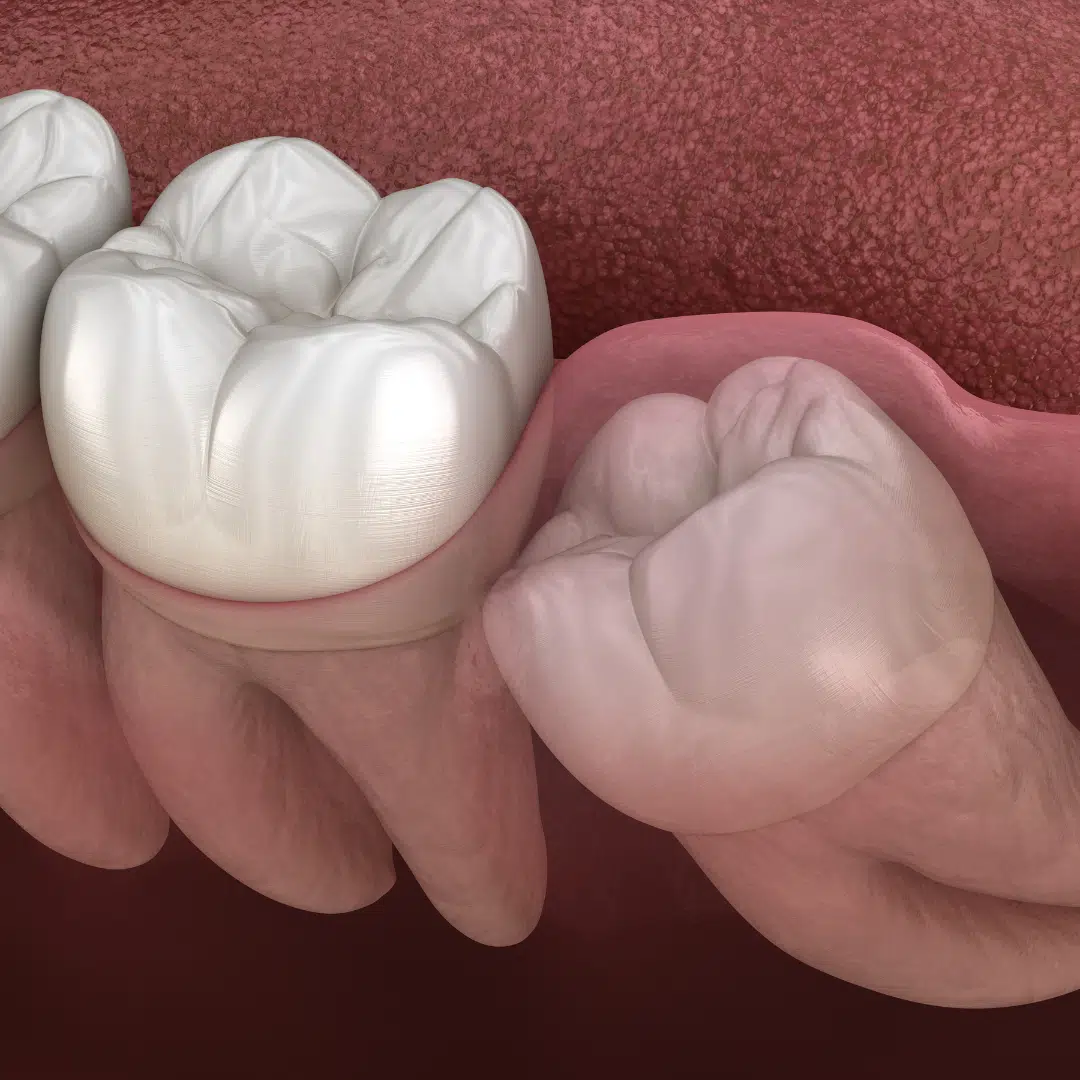
    One major reason is overcrowding. Most mouths are not large enough to accommodate these additional teeth, which can lead to misalignment and shifting of the surrounding teeth. This can cause discomfort, pain, and an increased risk of tooth decay and gum disease. Additionally, wisdom teeth can become impacted, meaning they are unable to fully emerge from the gums. This can create a pocket where bacteria can accumulate, leading to infections and other oral health problems.

    Moreover, leaving wisdom teeth untreated can also cause damage to adjacent teeth. As wisdom teeth emerge, they can push against the neighbouring teeth, causing them to shift or become misaligned. This can have a domino effect on the rest of the teeth, leading to bite problems and difficulty in maintaining oral hygiene.

    Considering these potential complications, it becomes clear that extraction of wisdom teeth is not just a matter of convenience, but a necessity for maintaining optimal oral health. By removing these third molars, individuals can avoid the hidden dangers associated with wisdom teeth and ensure a healthy and pain-free smile.

    Risks and complications of keeping wisdom teeth

    While some individuals may choose to leave their wisdom teeth untouched, it’s important to understand the risks and complications that can arise from neglecting these teeth. One common issue is overcrowding, which occurs when there is not enough space in the mouth for the wisdom teeth to properly emerge. This can lead to misalignment of the surrounding teeth, causing discomfort, pain, and difficulty in chewing and speaking.

    Another potential complication is impaction, which happens when the wisdom teeth do not fully emerge from the gums. This can create a pocket where bacteria can accumulate, leading to infections and inflammation. Left untreated, these infections can spread to other parts of the mouth, causing more severe oral health problems.

    In some cases, wisdom teeth can also develop cysts or tumors, which can cause damage to the surrounding bone and teeth. These growths can be painful and may require more extensive and invasive procedures to address.

    It’s important to note that not everyone will experience these complications, but the risks are significant enough to warrant consideration. By opting for wisdom teeth extraction, individuals can avoid these potential problems and maintain optimal oral health.

    Signs that wisdom teeth need to be extracted

    Determining whether wisdom teeth need to be extracted can be challenging, as not everyone will experience noticeable symptoms. However, there are certain signs that may indicate the need for extraction. These include:

    1. Pain or discomfort: If you experience persistent pain or discomfort in the back of your mouth, it could be a sign that your wisdom teeth are causing problems. This pain may radiate to the jaw, head, or neck.
    2. Swelling or redness: Inflammation and swelling in the gums around the wisdom teeth can indicate an infection or impact. Redness and tenderness in the affected area may also be present.
    3. Difficulty in opening the mouth: If you find it increasingly difficult to open your mouth fully, it could be due to the pressure exerted by the wisdom teeth. This limited mobility can be a sign that extraction is necessary.
    4. Bad breath or an unpleasant taste: Bacteria trapped around partially erupted wisdom teeth can cause an unpleasant odor or taste in the mouth. This can be a sign of infection or decay.
    5. Shifting of surrounding teeth: If you notice that your other teeth are shifting or becoming misaligned, it could be due to the pressure exerted by the wisdom teeth. This can lead to bite problems and difficulty in maintaining oral hygiene.

    If you experience any of these symptoms, it’s important to consult with a dental professional. They can evaluate your situation and recommend the appropriate course of action, which may include wisdom teeth extraction.

    The extraction process: what to expect

    If your Coburg dentist at Bright Smile Dental Clinic in Preston determines that wisdom teeth extraction is necessary, you may be wondering what to expect during the procedure. While each case is unique, the general process typically involves the following steps:

    1. Evaluation and preparation: Before the extraction, your dentist will conduct a thorough evaluation of your mouth and take X-rays to assess the position of the wisdom teeth. They will also discuss the procedure with you and address any concerns or questions you may have. In some cases, a referral to an oral surgeon may be necessary.
    2. Anesthesia: Wisdom teeth extraction is usually performed under local anesthesia, which numbs the area around the teeth. In some cases, general anesthesia may be used, especially if multiple teeth are being extracted or if the procedure is complex. Your dental professional will determine the best option for you based on your specific needs and comfort level.
    3. Extraction: Once you are numb and comfortable, the dental professional will proceed with the extraction. They will carefully remove the wisdom teeth, taking care not to damage the surrounding teeth, gums, or nerves. The length and complexity of the procedure will depend on the position and condition of the teeth.
    4. Closure and aftercare: After the extraction, your dental professional may use dissolvable stitches to close the extraction sites. They will provide you with detailed aftercare instructions, which may include recommendations for pain management, swelling reduction, and proper oral hygiene. It’s crucial to follow these instructions closely to ensure proper healing and minimise the risk of complications.

    Recovery and aftercare tips for wisdom teeth extraction

    After wisdom teeth extraction, proper recovery and aftercare are essential to ensure optimal healing and minimize the risk of complications. Here are some tips to help you through the recovery process:

    1. Follow the aftercare instructions provided by your dental professional. This may include recommendations for pain management, swelling reduction, and oral hygiene practices.
    2. Take any prescribed medications as directed, including pain relievers and antibiotics if necessary. These can help manage pain, reduce the risk of infection, and promote healing.
    3. Apply ice packs to the outside of your face to reduce swelling and discomfort. Use them for 20 minutes at a time, with breaks in between.
    4. Stick to a soft food diet for the first few days after the extraction. Foods like yogurt, mashed potatoes, smoothies, and soups are easier to consume and won’t put strain on the extraction sites.
    5. Avoid using straws, smoking, or spitting forcefully, as these actions can dislodge the blood clot and delay healing.
    6. Maintain good oral hygiene by gently brushing your teeth, being cautious around the extraction sites. Rinse your mouth with warm saltwater after meals to keep the area clean.
    7. Attend any follow-up appointments scheduled by your dental professional. These visits are crucial for monitoring your healing progress and addressing any concerns or complications.

    By following these recovery and aftercare tips, you can promote optimal healing and minimise the risk of complications after wisdom teeth extraction. Remember, if you have any concerns or questions during the recovery process, don’t hesitate to reach out to your Coburg dentist at Bright Smile Dental Clinic in Preston for guidance.

    Common myths and misconceptions about wisdom teeth extraction

    When it comes to wisdom teeth extraction, there are several myths and misconceptions that can cause unnecessary worry or confusion. Let’s debunk some of the most common misconceptions:

    1. Myth: Wisdom teeth extraction is always painful.

    – Fact: With the use of local or general anesthesia, wisdom teeth extraction is typically a painless procedure. You may experience discomfort during the recovery period, but it can be managed with medications and proper aftercare.

    1. Myth: Wisdom teeth extraction is only necessary if they are causing problems.

    – Fact: Even if your wisdom teeth are not currently causing issues, extraction may still be recommended as a preventive measure. This is because these teeth can potentially cause problems in the future, such as overcrowding or misalignment.

    1. Myth: Everyone needs to have their wisdom teeth extracted.

    – Fact: While extraction is commonly recommended, not everyone will require it. It depends on various factors, such as the size of the mouth, position of the teeth, and the presence of any symptoms or complications.

    1. Myth: Wisdom teeth extraction is a lengthy and complicated procedure.

    – Fact: While the complexity of the extraction can vary depending on the individual case, most extractions are straightforward and can be completed in a relatively short amount of time. Your dental professional will assess your situation and provide you with a clear understanding of what to expect.

    1. Myth: Wisdom teeth extraction is only for young adults.

    – Fact: While it’s true that wisdom teeth typically emerge during late adolescence or early adulthood, extraction can be performed at any age if necessary. It’s never too late to address any potential issues and maintain optimal oral health.

    By dispelling these common myths, individuals can approach wisdom teeth extraction with a clearer understanding and make informed decisions about their oral health.

    Alternatives to wisdom teeth extraction

    Although wisdom teeth extraction is often recommended, it’s worth exploring alternative options that may be suitable for certain individuals. In some cases, if the wisdom teeth are healthy, properly positioned, and not causing any issues, they may be monitored closely instead of being extracted.

    Regular dental check-ups and X-rays can help track the development and position of the wisdom teeth. This allows dental professionals to identify any potential problems early on and determine if extraction is necessary. In some instances, orthodontic treatment may be recommended to create additional space in the mouth, enabling the wisdom teeth to erupt properly.

    However, it’s crucial to understand that monitoring alone may not be a viable long-term solution for everyone. The potential risks and complications associated with untreated wisdom teeth should be carefully considered, and the advice of a dental professional should be sought.

    Conclusion: the benefits of wisdom teeth extraction

    In conclusion, wisdom teeth extraction is essential for maintaining optimal oral health and preventing potential complications. These third molars can become a hidden danger if ignored, leading to overcrowding, misalignment, infections, and damage to adjacent teeth. By taking proactive measures and addressing wisdom teeth through extraction, individuals can avoid the hidden dangers and achieve a healthy and pain-free smile.

    If you experience any signs or symptoms indicating the need for wisdom teeth extraction, consult with a dental professional. They can evaluate your situation and recommend the appropriate course of action. Remember, the extraction process is typically straightforward, and proper aftercare can ensure a smooth recovery.

    Don’t let the hidden dangers of wisdom teeth catch you by surprise. Contact your Preston dentist and take control of your oral health by addressing this common dental concern and enjoy the benefits of a healthy and pain-free smile.

  • 10 Common Dental Problems and How to Avoid Them for a Healthy Smile

    10 Common Dental Problems and How to Avoid Them for a Healthy Smile

    Are you tired of dealing with dental issues and longing for a healthy, radiant smile? Look no further! In this article, we will explore the top 10 common dental problems and provide you with effective strategies to avoid them. From cavities and gum disease to tooth sensitivity and bad breath, we’ll delve into each issue, offering practical tips and expert advice to keep your pearly whites in tip-top shape. Discover the secrets to maintaining excellent oral hygiene, understanding the warning signs, and implementing preventative measures that will save you from painful dental procedures down the road. Whether you’re a dental novice or someone seeking to enhance your existing oral care routine, this comprehensive guide is your ultimate companion to achieving a healthy smile that will leave a lasting impression. Your dentist in Preston at Bright Smile Dental Clinic provides you with the best dental treatments.

    Tooth Decay and Cavities

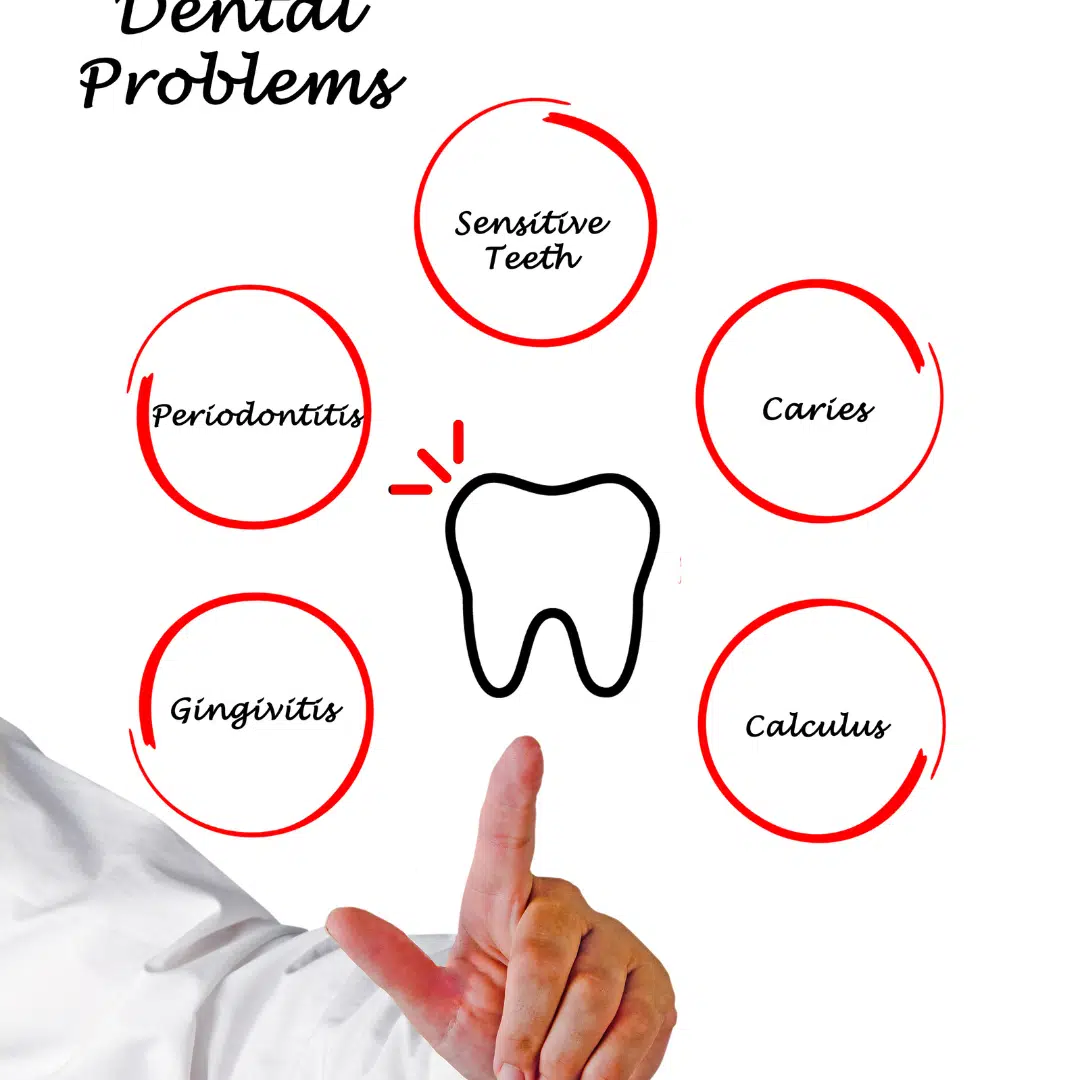
    Tooth decay and cavities are among the most common dental problems faced by people of all ages. They occur when the bacteria in your mouth produce acids that attack the enamel, causing it to weaken and eventually form cavities. Poor oral hygiene, sugary diets, and frequent snacking can increase the risk of tooth decay.

    To avoid tooth decay and cavities, it’s important to follow a proper oral care routine. Brush your teeth at least twice a day with fluoride toothpaste and replace your toothbrush every three to four months. Flossing daily helps remove plaque and debris from between your teeth. Additionally, limit your intake of sugary foods and drinks, and opt for a balanced diet rich in fruits, vegetables, and calcium. Regular dental check-ups and professional cleanings with your dentist in Preston are also crucial for early detection and prevention of tooth decay. Remember, prevention is always better than cure!

    Gum Disease

    Gum disease, also known as periodontal disease, affects the tissues surrounding the teeth and can lead to tooth loss if left untreated. It is caused by plaque buildup along the gumline, which causes inflammation and infection. The early stage of gum disease, called gingivitis, is characterised by red, swollen gums that may bleed during brushing or flossing. If not addressed, it can progress to periodontitis, where the gums pull away from the teeth, forming pockets that harbor bacteria and damage the supporting bone structure.

    Preventing gum disease starts with good oral hygiene. Brush your teeth at least twice a day, making sure to clean along the gumline. Floss daily to remove plaque and debris from between your teeth and gums. Using an antimicrobial mouthwash can also help kill bacteria and freshen your breath. Quitting smoking and limiting alcohol consumption are additional steps you can take to reduce the risk of gum disease. Regular dental check-ups are crucial for detecting early signs of gum disease and receiving appropriate treatment from your Coburg dentist at Bright Smile Dental Clinic in Preston.

    Bad Breath

    Bad breath, also known as halitosis, can be embarrassing and impact your self-confidence. It is often caused by poor oral hygiene, but it can also be a sign of an underlying dental or medical condition. Food particles trapped between your teeth, gum disease, dry mouth, and smoking are common culprits of bad breath. Certain foods and beverages, such as onions, garlic, and coffee, can also contribute to unpleasant breath odor.

    To combat bad breath, it’s important to maintain a consistent oral care routine. Brush your teeth at least twice a day, paying special attention to your tongue and the back of your mouth. Use a tongue scraper to remove bacteria and debris that can cause odor. Floss daily to remove food particles from between your teeth and consider using an antimicrobial mouthwash. Staying hydrated and chewing sugar-free gum can help stimulate saliva production and prevent dry mouth. If bad breath persists despite good oral hygiene, consult your dentist to rule out any underlying dental issues.

    Tooth Sensitivity

    Tooth sensitivity is a common dental problem characterised by discomfort or pain when consuming hot, cold, sweet, or acidic foods and drinks. It occurs when the protective layer of enamel on your teeth becomes thin or your gums recede, exposing the underlying dentin and nerve endings. Tooth sensitivity can be caused by tooth decay, gum disease, tooth grinding, and aggressive brushing.

    To alleviate tooth sensitivity, switch to a toothpaste specifically designed for sensitive teeth. These toothpaste formulations contain ingredients that help block the nerve endings and reduce sensitivity. Use a soft-bristled toothbrush and brush gently in circular motions to avoid further enamel erosion. Avoid consuming extremely hot or cold foods and drinks and limit your intake of acidic foods and beverages. If tooth sensitivity persists or worsens, consult your Preston dentist for a proper diagnosis and treatment options.

    Teeth Grinding

    Teeth grinding, also known as bruxism, is a common dental problem that involves clenching or grinding your teeth, often unconsciously. It can occur during the day or at night during sleep. Chronic teeth grinding can lead to tooth wear, cracks, jaw pain, and headaches. Stress, anxiety, misaligned teeth, and sleep disorders are common causes of teeth grinding.

    To prevent teeth grinding, managing stress is key. Engage in stress-reducing activities such as exercise, meditation, or deep breathing exercises. Avoid chewing on non-food items like pens or pencils, as this can exacerbate teeth grinding. Wearing a mouthguard or splint at night can help protect your teeth and alleviate grinding-related symptoms. If teeth grinding is caused by misaligned teeth, your Coburg dentist may recommend orthodontic treatment to correct the alignment and reduce grinding.

    Oral Infections

    Oral infections, such as dental abscesses or oral thrush, can cause pain, discomfort, and impact your overall oral health. Dental abscesses are often caused by untreated tooth decay or trauma, leading to a bacterial infection in the tooth root or surrounding tissues. Oral thrush is a fungal infection that occurs when the natural balance of bacteria and yeast in your mouth is disrupted.

    To prevent oral infections, it’s crucial to maintain good oral hygiene and address any dental issues promptly. Brush your teeth twice a day, floss daily, and use an antimicrobial mouthwash. Regular dental check-ups are essential for early detection and treatment of any potential infections. If you notice any signs of an oral infection, such as persistent pain, swelling, or white patches in your mouth, seek immediate dental attention with your Preston dentist at Bright Smile Dental Clinic.

    Crooked or Misaligned Teeth

    Crooked or misaligned teeth not only affect the appearance of your smile but can also impact your oral health. They can make it difficult to clean your teeth properly, leading to an increased risk of tooth decay, gum disease, and other dental problems. Crooked teeth can also cause bite issues and put excessive stress on certain teeth, leading to premature wear and tear.

    Preventing crooked or misaligned teeth often starts in childhood. Encouraging proper oral habits from an early age, such as regular brushing, flossing, and avoiding thumb sucking, can help prevent alignment issues. If your child’s teeth appear misaligned, consult an orthodontist for an evaluation and potential early intervention. For adults, orthodontic treatment options like braces or clear aligners can help correct misaligned teeth and improve both aesthetics and oral health.

    Oral Cancer

    Oral cancer refers to cancers that develop in the mouth or throat, including the lips, tongue, cheeks, floor of the mouth, and hard and soft palate. It can be life-threatening if not detected and treated early. Tobacco use, excessive alcohol consumption, sun exposure, and the human papillomavirus (HPV) are common risk factors for oral cancer.

    To reduce the risk of oral cancer, it’s important to avoid tobacco in all forms, including cigarettes, cigars, and smokeless tobacco. Limit alcohol consumption and practice safe sun exposure by wearing lip balm with SPF and a wide-brimmed hat. Regular dental check-ups are crucial for early detection of any suspicious lesions or changes in your oral tissues. If you notice any persistent sores, lumps, or white or red patches in your mouth, consult your Preston dentist for a thorough examination.

    Tips for Maintaining a Healthy Smile

    Maintaining a healthy smile goes beyond addressing specific dental problems. It involves adopting a holistic approach to oral care and implementing healthy habits into your daily routine. Here are some tips to help you achieve and maintain a healthy smile:

    1. Brush your teeth at least twice a day with fluoride toothpaste. Spend at least two minutes brushing and pay attention to all surfaces of your teeth.
    2. Floss daily to remove plaque and food particles from between your teeth and along the gumline.
    3. Use an antimicrobial mouthwash to help kill bacteria and freshen your breath.
    4. Limit your intake of sugary foods and drinks, as they can contribute to tooth decay.
    5. Eat a balanced diet rich in fruits, vegetables, and calcium to support healthy teeth and gums.
    6. Stay hydrated by drinking plenty of water throughout the day. This helps wash away food particles and keeps your mouth moist.
    7. Avoid smoking and limit alcohol consumption, as they can increase the risk of oral health problems.
    8. Protect your teeth during sports or other physical activities by wearing a mouthguard.
    9. Manage stress through activities like exercise, meditation, or hobbies to reduce the risk of teeth grinding and other oral health issues.
    10. Schedule regular dental check-ups and professional cleanings to detect and address any dental problems early on.

    By following these tips and maintaining a consistent oral care routine, you can enjoy a healthy smile that lasts a lifetime.

    Conclusion

    Achieving and maintaining a healthy smile is within your reach. By understanding the common dental problems discussed in this article and implementing the preventative strategies provided, you can avoid painful dental issues and enjoy optimal oral health. From tooth decay and gum disease to bad breath and tooth sensitivity, each problem can be addressed with the right knowledge and habits. Remember to practice good oral hygiene, seek professional dental care regularly, and make healthy choices for your overall well-being. With commitment and diligence, you can proudly show off a healthy, radiant smile that leaves a lasting impression. Say goodbye to dental woes and hello to a confident, beaming grin with experienced dentists at Bright Smile Dental Clinic in Preston.

  • Do You Need a Root Canal? 7 Important Signs to Watch For your dental health

    Do You Need a Root Canal? 7 Important Signs to Watch For your dental health

    Maintaining our dental health is a crucial part of overall well-being. Unfortunately, when it comes to root canals, many of us only realise we need one when we are in the dentist’s chair. However, our bodies often send us warning signs that something might be amiss. Your Preston dentist at Bright Smile Dental Clinic provides you with the best guide to maintain your dental health. Here are seven telltale symptoms that might indicate you need a root canal:

    Persistent Pain

    Persistent tooth pain is a clear sign something could be wrong. If you experience ongoing pain that doesn’t go away or pain that flares up when eating or drinking, it’s time to visit your dentist.

    Sensitivity to Heat and Cold

    While occasional sensitivity to hot or cold foods isn’t uncommon, if the sensitivity lasts for an extended period or occurs even when your mouth isn’t exposed to temperature extremes, it might be a symptom of deep decay or nerve damage, requiring a root canal. Visit your dentist in Preston dental clinic for a full dental checkup.

    Swollen, Tender Gums

    Swollen or tender gums around a particular tooth could indicate an infection that needs a root canal treatment. In some cases, you may also notice a bump on your gums, often called a dental abscess or gum boil, which might release pus when pressed.

    Darkened or Discoloured Tooth

    If one of your teeth has become darkened or discoloured, it could be a sign of damage to the tooth’s nerves and blood vessels, indicating a potential need for a root canal. Preston dentist at Bright Smile Dental Clinic is here for you to have a full dental checkup.

    Prolonged Toothache or Discomfort While Chewing

    If you experience pain or discomfort when applying pressure to a tooth while eating, it could be a symptom of an infection or tooth decay reaching into the pulp of the tooth.

    Cracked or Chipped Tooth

    A cracked or chipped tooth can allow bacteria to enter the pulp, leading to an infection which could necessitate a root canal.

    Prolonged Bad Breath or Bad Taste in the Mouth

    While this can be a symptom of various dental issues, persistent bad breath or a bad taste in the mouth can be a sign of an oral infection.

    It’s important to remember that these symptoms can also be indicative of other dental issues. If you experience any of these symptoms, it’s crucial to make an appointment with your Preston dentist right away. Your Coburg dentist at Preston dental clinic can conduct a thorough examination and diagnose whether a root canal or another form of treatment is necessary. Early intervention is key to preserving your oral health and potentially preventing a root canal procedure. your Coburg dentist at Bright Smile Dental Clinic will provide you with the best root canal treatment that lasts a long life.

  • Does a Root Canal Hurt? Unpacking a Complex Question

    Does a Root Canal Hurt? Unpacking a Complex Question

    A question that has long echoed within the walls of dental clinics across the globe is, “Does a root canal hurt?” This simple query, however, holds a more complex answer. In this blog post, we’ll unravel the intricacies surrounding the perception of pain in root canal procedures, shedding light on what you can realistically expect.

    What is a Root Canal?

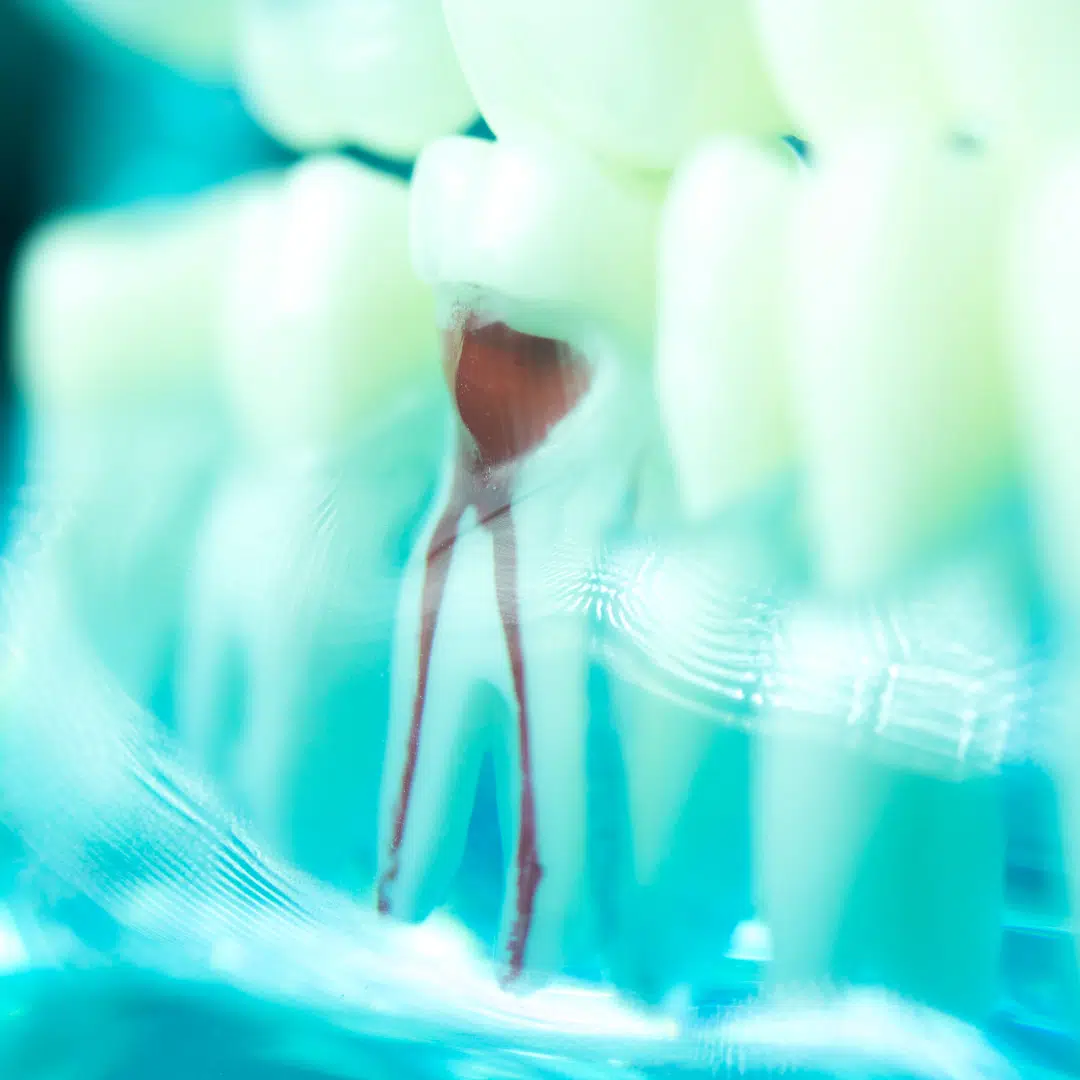
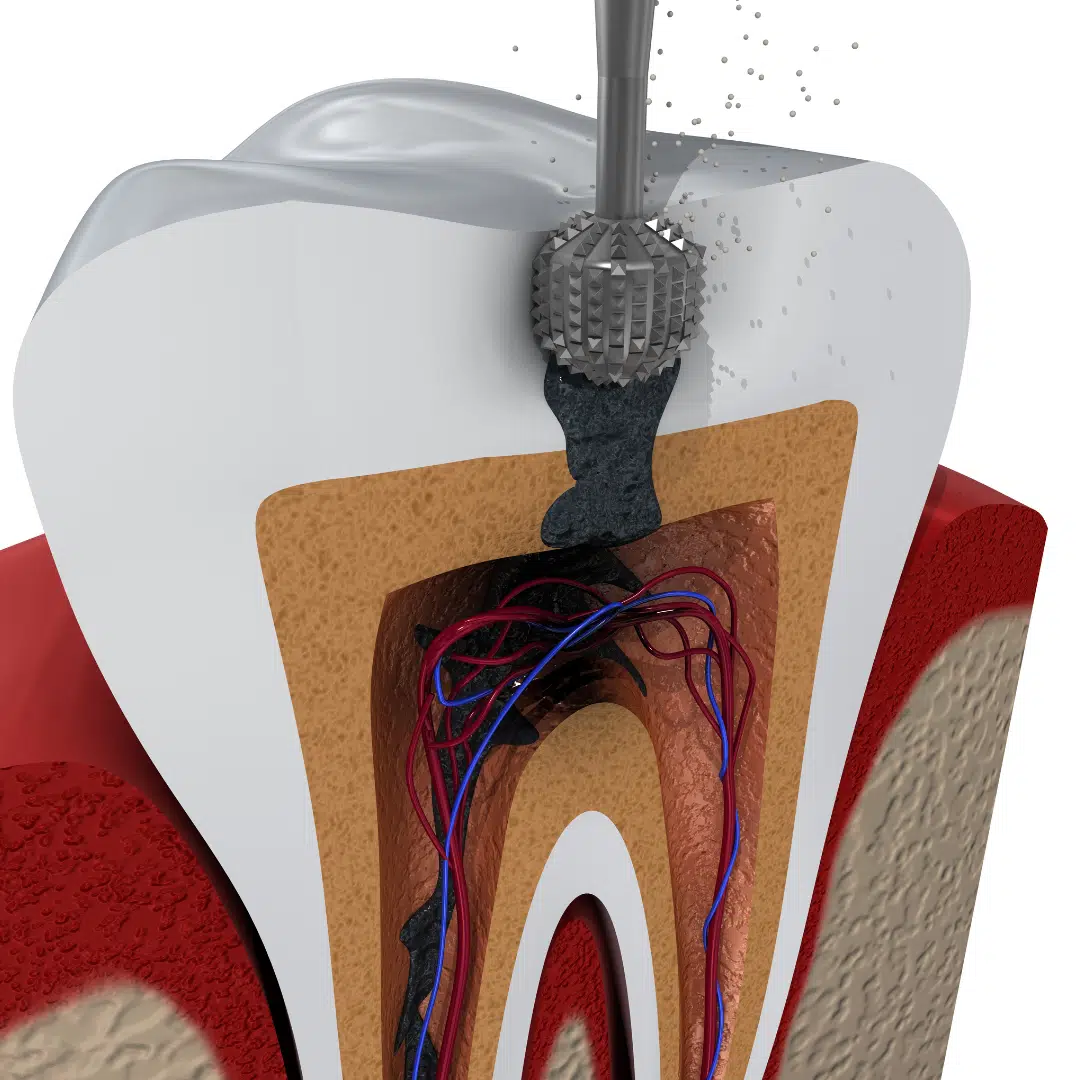
    To understand the root canal procedure, it’s important first to understand the basic anatomy of a tooth. Deep inside each tooth, beneath the white enamel and a hard layer called dentin, lies a soft tissue known as pulp. This pulp contains blood vessels, nerves, and connective tissue that helped grow the root of your tooth during its development. A root canal treatment is needed when this pulp becomes infected or inflamed.

    During a root canal procedure your general dentist in Coburg dental clinic at Bright Smile Dental Clinic in Preston removes the infected pulp, cleans and shapes the inside of the root canal, then fills and seals the space. The procedure concludes with the placement of a crown or other restoration on the tooth to protect it and restore its full function.

    Does It Hurt?

    The root of the question (pun intended) lies in understanding pain associated with a root canal procedure.

    Historically, root canals have been branded as the harbingers of discomfort due to outdated dental techniques used decades ago. However, advancements in dental technology and anaesthesia have come a long way since then. The pain often associated with root canals is usually due to the infection itself, not the procedure. In fact, the root canal procedure alleviates this pain.

    According to the American Association of Endodontists, a survey found that patients who’ve experienced root canal treatment are six times more likely to describe it as “painless” compared to individuals who haven’t had a root canal.

    Managing Pain Post-Procedure

    After the procedure, it’s normal to experience some tenderness or discomfort in the area for a few days, primarily due to the natural tissue inflammation, especially if there was pain or infection before the procedure. Over-the-counter pain medications are usually sufficient to manage this post-procedure discomfort. However, your Preston dentist might prescribe stronger pain relievers if needed.

    If the pain persists for an extended period, it’s crucial to contact your Coburg dentist at Bright Smile Dental Clinic promptly as this could indicate an issue that needs to be addressed.

    Conclusion: Prevention is Better Than Cure

    While a root canal treatment is a highly effective method to save a damaged tooth, the best strategy is to maintain a good oral hygiene regimen to prevent any dental infections in the first place. Regular brushing, flossing, and routine dental check-ups are essential to ensure the health of your teeth and gums.

    In conclusion, the answer to “Does a root canal hurt?” is a complex one, wrapped up in historical anecdotes and individual pain thresholds. However, with modern dental practices, anaesthesia, and pain management techniques, the procedure itself should not cause significant pain, instead providing relief from the discomfort caused by the infection. As always, any concerns about pain or discomfort should be discussed with your dentist in Preston who can provide you with comprehensive and personalised information. Call Bright Smile Dental Clinic today if you feel discomfort in your mouth.

  • Digital Dental Implants: 7 Powerful Benefits

    Digital Dental Implants: 7 Powerful Benefits

    In modern dentistry, digital dental implants represent a breakthrough that combines precision technology with patient comfort. At Bright Smile Dental Clinic in Preston and Coburg, our dentists use advanced digital tools to plan, create, and place implants with exceptional accuracy.

    Here are 7 powerful benefits of digital dental implants and why they are transforming smiles across Melbourne’s northern suburbs.


    1. What Are Digital Dental Implants?

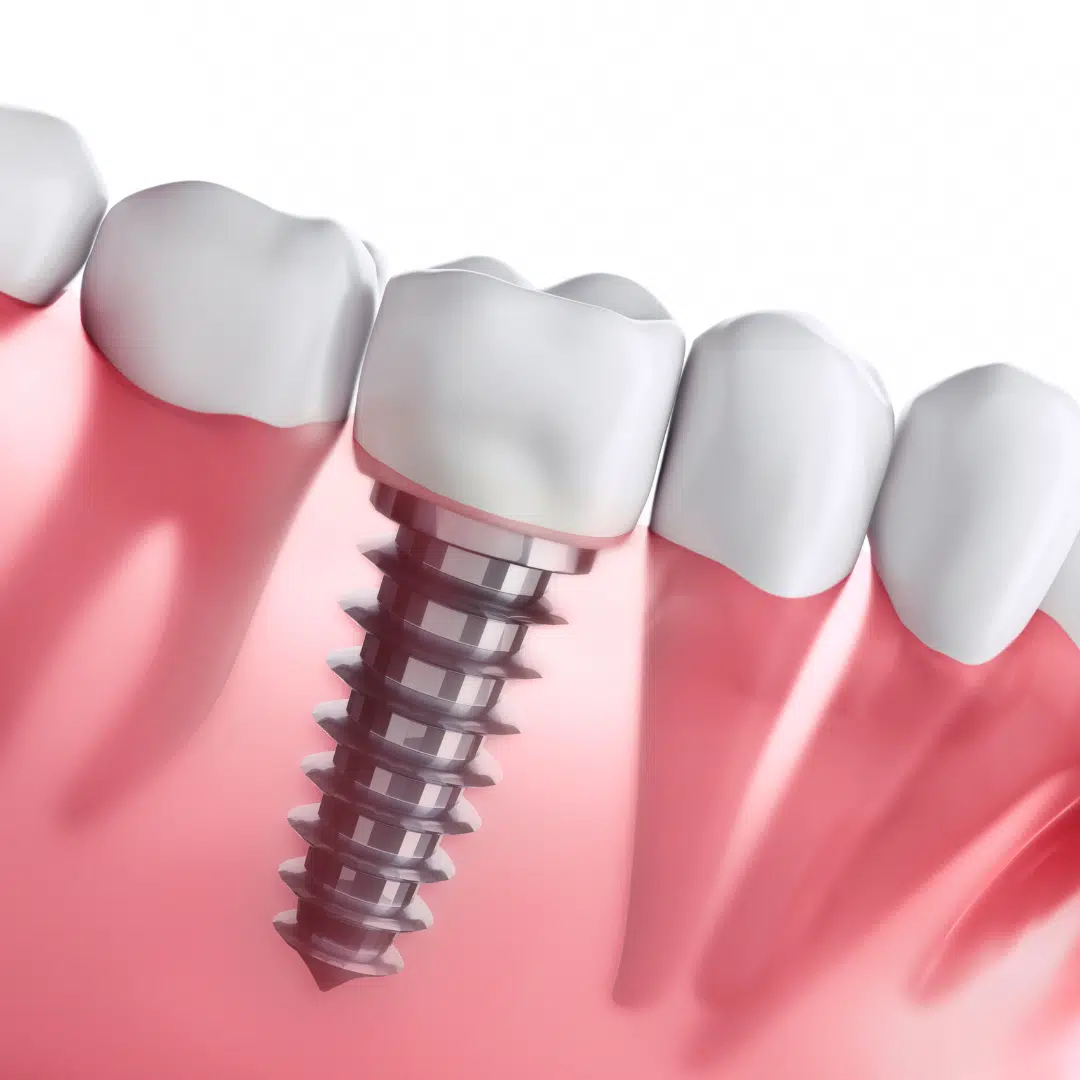
    Digital dental implants are part of digital dentistry, which uses computer-based technology to improve procedures. This includes digital imaging, virtual planning, and computer-guided surgery to ensure implants are placed with unmatched precision.


    2. Accurate Planning with 3D Imaging

    The process begins with Cone Beam Computed Tomography (CBCT) scans. These 3D images give your Preston dentist a detailed view of bone density, nerve locations, and surrounding teeth. This ensures your implant is placed in the best possible position.


    3. Comfortable Digital Impressions

    Gone are the days of messy impression material. With intraoral scanners, our Coburg dentists create digital impressions quickly and comfortably. These scans also enhance accuracy compared to traditional moulds.


    4. Digital Implant Planning Software

    Specialised planning software helps dentists map out the exact angle, depth, and position of your implant before surgery begins. This level of detail reduces risks and makes surgery safer and more predictable.


    5. Guided Implant Surgery for Precision

    Using surgical guides, your Preston dentist follows the digital plan step by step. This guided approach means the procedure is less invasive, resulting in reduced discomfort, less swelling, and quicker recovery time for patients.


    6. Customised Implants with CAD/CAM Technology

    Computer-Aided Design and Manufacturing (CAD/CAM) allows us to design customised implants that fit seamlessly into your mouth. These implants are tailored for both function and aesthetics, matching the colour and shape of your natural teeth.


    7. Long-Term Benefits of Digital Dental Implants

    • Higher success rates due to precise planning
    • Shorter treatment times with streamlined workflows
    • Improved patient confidence through visualising results before surgery
    • Better long-term oral health with stable and durable implants

    Digital dental implants also integrate smoothly with other cosmetic treatments like Teeth Whitening, helping patients achieve a brighter, natural-looking smile.


    Challenges and Considerations

    Digital Dental Implants

    Like any new technology, digital dental implants require advanced equipment and training. However, the benefits for both dentists and patients outweigh these challenges, and adoption continues to grow worldwide.


    The Future of Digital Dental Implants

    Looking ahead, digital implant technology is expected to become even more advanced. Artificial intelligence will likely play a role in treatment planning, while 3D printing may create implants faster and more cost-effectively. Patients in Preston, Coburg, and Reservoir can look forward to even greater accuracy, shorter healing times, and more affordable treatment options as these innovations become mainstream.


    Why Choose Bright Smile Dental Clinic?

    At our dental clinics in Preston, Coburg, Reservoir, Heidelberg, and Northcote, we pride ourselves on delivering:

    • Cutting-edge digital dentistry
    • Gentle, patient-centred care
    • Precise diagnosis and treatment planning
    • Comprehensive dental services including Dental Implants, whitening, and family dentistry

    For more details or to book your consultation, contact us today.


    External Authority Resource

    To learn more about dental implant care, visit the Australian Dental Association – Implants Information.


    Conclusion

    Digital dental implants are not just a passing trend — they are the future of dentistry. With greater precision, less discomfort, and long-lasting results, they offer patients in Preston and Coburg the chance to restore their smiles with confidence.

    At Bright Smile Dental Clinic, we are proud to bring this innovative technology to our community and provide expert care every step of the way. The future is digital, and that means healthier, brighter smiles for you and your family.


  • What is tooth extraction

    What is tooth extraction

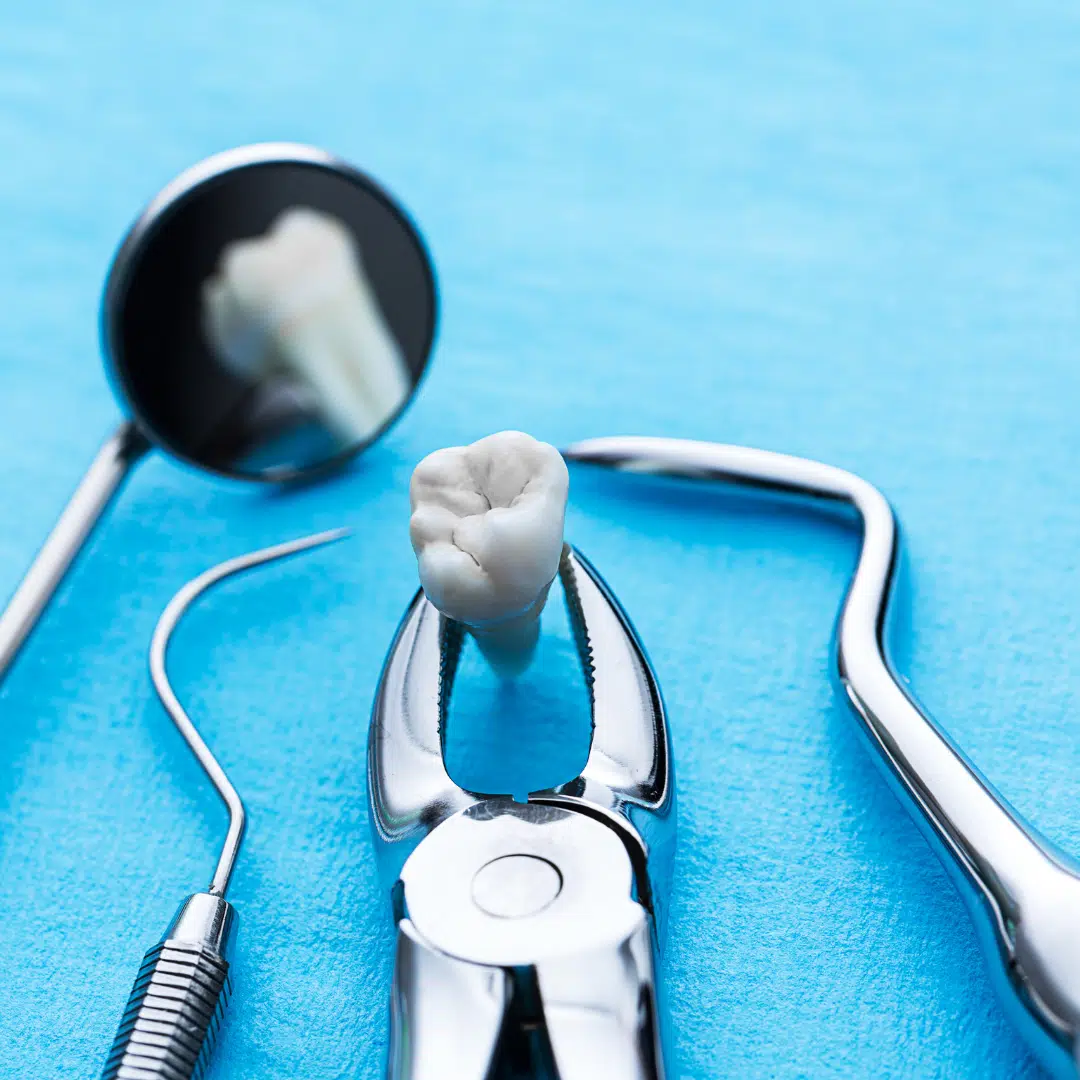
    Tooth extraction is a dental procedure that involves removing a tooth from its socket. This may be necessary for a variety of reasons, including severe decay, infection, or overcrowding. If you’re scheduled for a tooth extraction, it is important to understand what to expect during the procedure and how to care for your mouth afterward as your Preston dentist instruct you.

    Reasons for tooth extraction

    There are various reasons why a person would get a tooth extraction. According to web search results, some of the common reasons are:

    Severe tooth decay, infection, or damage that cannot be repaired.

    Gum disease that affects the tissues and bones that support the tooth.

    Crowding of teeth prevents proper alignment or interferes with orthodontic treatment.

    Impacted wisdom teeth that do not have enough space to grow or cause problems for other teeth.

    Medical conditions that require removal of compromised teeth, such as chemotherapy or organ transplant.

    If you have any of these conditions, you should consult your Preston dentist at Bright Smile Dental Clinic for advice on whether you need a tooth extraction.

    The tooth extraction process

    The tooth extraction process depends on whether your tooth is visible or impacted and the process is as follows:

    For a visible tooth, your Coburg dentist will give you a local anesthetic to numb the area around your tooth. They will then use an instrument called an elevator to loosen the tooth and forceps to remove it.

    For an impacted tooth, your Coburg dentist or oral surgeon will make a small cut in your gum and remove any bone that covers the tooth. They may also need to cut the tooth into pieces before removing it.

    After the tooth extraction, your dentist in Preston will clean the socket and apply gauze to stop the bleeding. You may also need stitches to close the wound. You will be given painkillers and instructions on how to care for your mouth during recovery.

     Possible complications and risks

    Tooth extraction is a surgical procedure that carries a small risk of complications. Some of the possible complications and risks are:

    Bleeding:

    It is normal to have some bleeding after the extraction, but excessive or prolonged bleeding may indicate a problem with blood clotting or wound healing.

    Infection:

    There is a risk of infection in the socket or surrounding tissues, especially if you have a weakened immune system or pre-existing dental conditions. Signs of infection include fever, pus, swelling, and foul smell.

    Dry socket:

    This is a painful condition that occurs when the blood clot in the socket is dislodged or dissolved, exposing the bone and nerves. Dry sockets can delay healing and increase the risk of infection.

    Nerve injury:

    This is a rare but serious complication that can cause numbness, tingling, or pain in the lower lip, chin, tongue, or teeth. Nerve injury can be temporary or permanent, depending on the severity and location of the damage.

    Perforation of maxillary sinus:

    This is another rare but serious complication that can occur when an upper molar tooth is extracted, and the sinus membrane is torn. This can cause sinus infection, bleeding, or communication between the mouth and the sinus.

    Delayed healing:

    Some factors can slow down the healing process, such as smoking, poor oral hygiene, diabetes, or other medical conditions. Delayed healing can increase the risk of other complications and prolong discomfort.

    Generally, tooth extraction is a safe and routine procedure, there are some potential complications and risks to be aware of. These can include bleeding, infection, nerve damage, and damage to surrounding teeth or structures. Your Preston dentist will discuss these risks with you before the procedure and take steps to minimise them.

    It’s important to follow all post-operative instructions and contact your Coburg dentist at Bright Smile Dental Clinic if you experience any unusual symptoms or complications.

  • Tooth Extraction Aftercare: Tips for a Speedy Recovery | Best Dentist in Coburg

    Tooth Extraction Aftercare: Tips for a Speedy Recovery | Best Dentist in Coburg

    Tooth extraction is a common dental procedure that involves removing a tooth from its socket in the jawbone and it can be necessary for a variety of reasons, including decay, injury, or overcrowding. While the thought of having a tooth pulled can be daunting, the recovery process can be made more comfortable by following some simple aftercare tips. Here’s what you need to know to help speed up the healing process after a tooth extraction at our dental clinic in Coburg with your dentist in Preston.

    Follow Your Dentist’s Instructions

    The most important thing you can do for a speedy recovery after a tooth extraction is to follow your Preston dentist‘s instructions. They will provide you with specific aftercare instructions based on your individual situation, including how to care for the extraction site, what foods to avoid, and when to take any prescribed medications. It’s important to follow these instructions closely to ensure proper healing and avoid any complications. If you have any questions or concerns, don’t hesitate to contact your Preston dentist for guidance.

    Manage Pain and Swelling

    Pain and swelling are common after a tooth extraction, but there are steps you can take to manage them. Your dentist may prescribe pain medication or recommend over-the-counter pain relievers like ibuprofen. Applying an ice pack to the affected area for 10-20 minutes at a time can also help reduce swelling. It’s important to avoid smoking, drinking through a straw, and spitting, as these actions can dislodge the blood clot and delay healing. Stick to soft foods and avoid hot or spicy foods for the first few days after the extraction.

    Avoid Certain Foods and Drinks

    After a tooth extraction, it’s important to avoid certain foods and drinks that can irritate the extraction site or delay healing. Avoid hot or spicy foods, as well as crunchy or hard foods that can get stuck in the extraction site. Stick to soft foods like mashed potatoes, yogurt, and soup for the first few days. It’s also important to avoid alcohol and carbonated drinks, as they can cause dry socket, a painful condition that occurs when the blood clot is dislodged from the extraction site. Stick to water and other non-alcoholic, non-carbonated beverages for the first few days after the extraction.

    Keep the Extraction Site Clean

    Keeping the extraction site clean is crucial for a speedy recovery after a tooth extraction. Gently rinse your mouth with warm salt water several times a day, starting the day after the extraction. This will help to reduce swelling and prevent infection. Avoid using mouthwash or brushing the extraction site for the first 24 hours after the extraction, but after that, you can gently brush the area with a soft-bristled toothbrush. Be careful not to brush too hard or disturb the blood clot that forms in the extraction site.

    Rest and Take It Easy

    After a tooth extraction, it’s important to rest and take it easy for the first few days. Avoid any strenuous activity or exercise that could increase blood pressure and cause bleeding at the extraction site. You should also avoid smoking and drinking alcohol, as these can slow down the healing process. Instead, focus on getting plenty of rest and staying hydrated by drinking lots of water and other fluids. If you experience any severe pain or swelling, contact your Reservoir dentist or oral surgeon for further advice.

    If you’re in the northern suburbs of Melbourne, including Preston, Reservoir, or Coburg, and need a tooth extraction, your Coburg dentist at Bright Smile Dental Clinic in Preston will provide you with the best dental treatments. It’s important to choose a reputable and experienced dentist who can provide you with the care and guidance you need for a successful recovery. With the right aftercare, you can speed up the healing process and get back to your normal activities in no time.

  • Dental Filling With Dentist in Preston

    Dental Filling With Dentist in Preston

    Everything You Need to Know About Tooth Fillings

    If you have a cavity or tooth decay, your dentist in Preston may recommend  dental filling to restore the tooth’s structure and prevent further damage. There are several types of fillings available, each with their own advantages and disadvantages.

    What are tooth fillings and why are they necessary?

    Tooth fillings are materials used to restore a tooth’s structure that has been damaged by decay or cavities. They are necessary to prevent further damage to the tooth and to restore its function. Without a filling, the decay can spread and cause more serious problems, such as infection or tooth loss. Fillings can also be used to repair teeth that have been chipped or broken due to injury or wear and tear.

    The filling material used in the restoration process can be made of various materials such as amalgam, composite resin, gold, porcelain, or a combination of materials. The choice of filling material depends on factors such as the size and location of the cavity, cost, and the patient’s preferences.

    During the filling process, the decayed or damaged part of the tooth is removed, and the remaining tooth structure is cleaned and prepared for the filling material. The filling material is then placed in layers and hardened using a special light or chemical reaction, and finally, the surface is polished to match the natural tooth surface.

    Routine dental checkups and good oral hygiene practices such as brushing and flossing can help prevent the need for fillings. However, if you experience toothache, sensitivity to hot or cold, or notice a hole or crack in your tooth, it’s essential to see Your dentist in Preston as soon as possible to avoid further damage and potential tooth loss.

     Types of tooth fillings

    There are several types of tooth fillings available: amalgam, composite, ceramic, and gold. Each with their own advantages and disadvantages. Amalgam fillings are made of a mixture of metals and are durable but can be noticeable in the mouth.

    Composite fillings

    They are made of a tooth-coloured resin and blend in with the natural tooth but may not be as durable as amalgam. Composite fillings, also called white fillings, are made of a tooth-coloured resin that is bonded to the tooth. They blend in with the natural tooth, making them an aesthetically pleasing option. They are also versatile and can be used to repair teeth with a variety of sizes and shapes. However, they may not be as durable as amalgam fillings and can wear down over time.

    Amalgam fillings

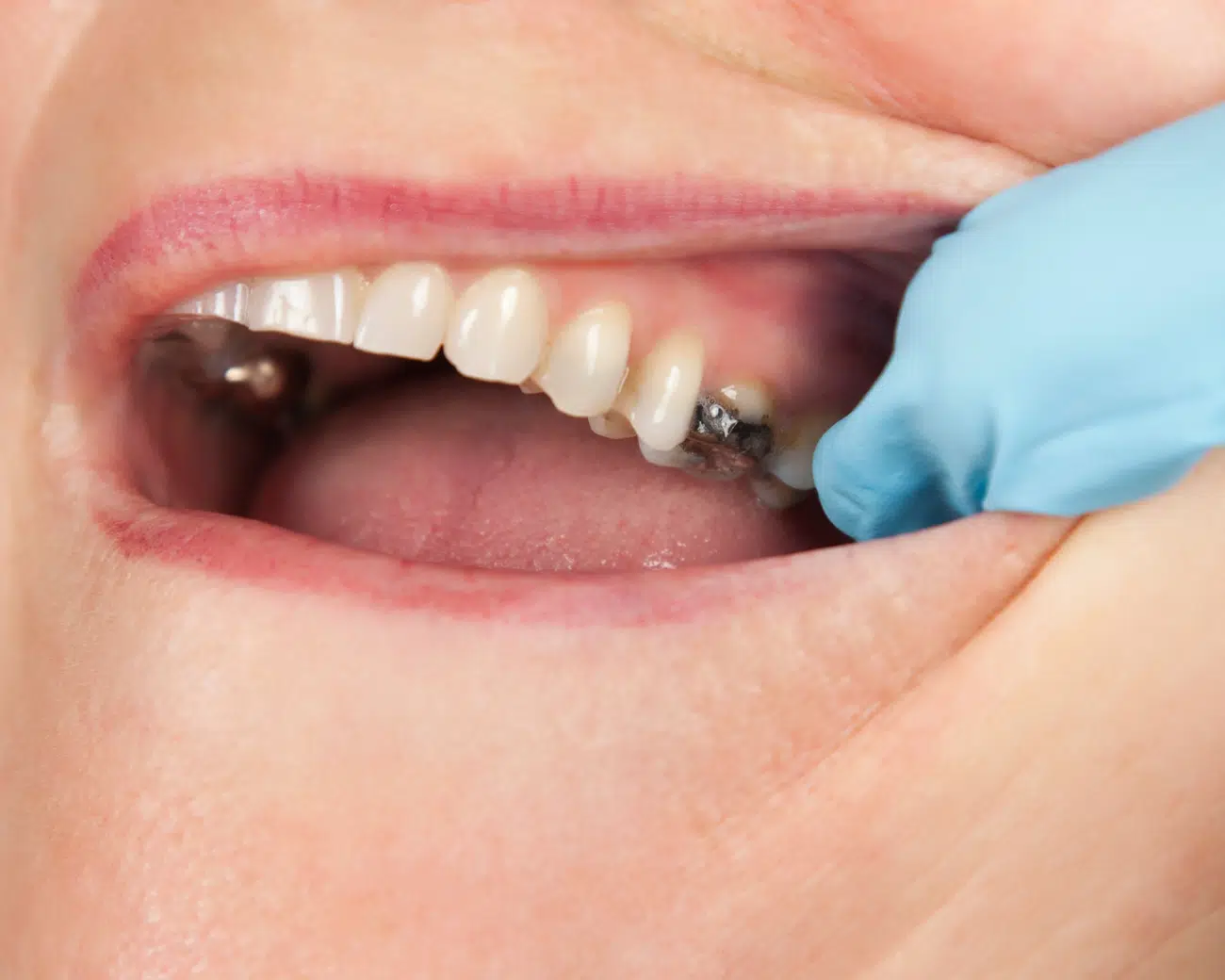
    They are also known as silver fillings, are made of a mixture of metals, including silver, tin, copper, and mercury. They have been used for over a century and are known for their durability and strength. They are also less expensive than other types of fillings, making them a popular choice. However, they can be noticeable in the mouth due to their dark colour and may contain mercury, which has raised concerns about safety.

    Ceramic fillings

    They are also tooth-coloured and are more durable than composite but can be more expensive. Ceramic fillings, also known as porcelain fillings, are tooth-coloured and made of a durable, ceramic material. They are strong and long-lasting and can be custom-made to match the exact colour of the tooth. However, they can be more expensive than other types of fillings, and the process of making them may take longer.

    Gold fillings

    are the most durable and long-lasting but are also the most expensive and noticeable. Gold fillings are the most durable and long-lasting type of filling. They can last up to 20 years or more and are less likely to wear down or break than other types of fillings. They are also biocompatible, meaning they are less likely to cause an allergic reaction. However, they are the most expensive and noticeable type of filling and may not be suitable for front teeth. Your dentist in Coburg can help you decide which type of filling is best for your specific needs.

    Choosing the right type of filling depends on several factors, including the size and location of the cavity, the cost, and the patient’s preferences. Your dentist in Coburg can help you decide which type of filling is best for your specific needs. It’s also important to maintain good oral hygiene practices, including brushing and flossing regularly, to prevent the need for fillings in the first place.

    Tooth fillings are an essential component of dental care that are used to repair damaged or decayed teeth. Your Preston dentist in the Northern suburbs of Melbourne like Northcote, Brunswick, Reservoir & Coburg, provides you with the best dental consult to reach best tooth filling results in an affordable cost. Don’t hesitate to call your dentist in Preston today or simply book an online appointment.

  • Emergency Dentist in Reservoir, Preston, and Northern suburbs of Melbourne: How to Find the Best One

    Emergency Dentist in Reservoir, Preston, and Northern suburbs of Melbourne: How to Find the Best One

    Dental emergencies can happen at any time, and when they do, it’s important to have a trusted emergency dentist in Reservoir to turn to. Whether you’re dealing with a severe toothache, a broken tooth, or another dental emergency, finding the right dentist can make all the difference. Here’s what you need to know to find a reliable and experienced emergency dentist in Reservoir.


    Check Online Reviews and Ratings

    One of the best ways to find a reliable emergency dentist in Reservoir and Preston is to check online reviews and ratings. Look for dentists with high ratings and positive reviews from previous patients.   You can also check websites like Yelp, Google Reviews, and Healthgrades to see what other patients have to say about their experiences with different dentists. Bright Smile Dental Clinic has the best review and rating in Google Reviews of 4.7/5. This can give you a good idea of which dentists are trustworthy and provide quality care during dental emergencies. Bright Smile dentists in Preston are well known for their reliability and quality dental services.


    Look for a Dentist with Emergency Services

    When searching for an emergency dentist in Reservoir or Preston, it is important to look for a dentist that offers emergency services. This means that they can see patients with no hesitation and can handle urgent dental issues. Make sure to check their website or call their office to confirm that they offer emergency services and what their availability is like. It is also a clever idea to ask about their experience with emergency dental procedures to ensure that they are equipped to handle your specific situation.


    Consider the Location and Availability of the Dentist

    Another important factor to consider when looking for an emergency dentist in Reservoir or Preston, VIC, is their location and availability. You don’t want to have to travel far when you’re in the middle of a dental emergency, so it’s a clever idea to find a dentist that is located close to your home or workplace. You should also check their availability to make sure that they can see you when you need them. Many emergency dentists offer extended hours or weekend appointments to accommodate their patients.


    Verify the Dentist’s Experience and Qualification

    When searching for an emergency dentist in the Northern Suburbs of Melbourne, it’s important to look for someone with experience and qualifications. Check their credentials and make sure they are licensed to practice dentistry in your state. You may also want to look for a dentist who specialises in emergency dental care or has experience handling the specific issue you are facing. Don’t be afraid to ask about their experience and qualifications before scheduling an appointment.


    Ask for Referrals from Family and Friends

    If you’re unsure where to start your search for an emergency dentist Reservoir and the Northern suburbs in Melbourne, ask your family and friends for referrals. They may have had a positive experience with an emergency dentist and can recommend someone they trust. This can help you narrow down your search and find a dentist that has a track record of providing quality care during dental emergencies.


    Conclusion

    When it comes to dental emergencies, time is of the essence. That’s why it is important to have a trusted Reservoir dentist and emergency dentist in Preston of the Northern Suburbs of Melbourne that you can turn to when you need them. By checking online reviews and ratings, looking for a dentist with emergency services, verifying their experience and qualification, considering their location and availability, and asking for referrals, you can find a reliable and experienced emergency dentist in Reservoir. Don’t wait until a dental emergency happens to start your search – start looking for an emergency dentist today so that you are prepared when you need them most.