Tag: dentist in Preston

  • The Ultimate Guide to Dental Veneer Care and Treatment at Your Dental Clinic Preston

    The Ultimate Guide to Dental Veneer Care and Treatment at Your Dental Clinic Preston

    As a trusted solution for enhancing dental aesthetics, veneers have become a go-to option for many seeking that perfect smile. But what goes into the care and maintenance of these delicate fixtures? This comprehensive guide delves into the world of dental veneers, offering insights into their daily care and the general process of veneer treatment at your local dental clinic Preston.

    Understanding Dental Veneers

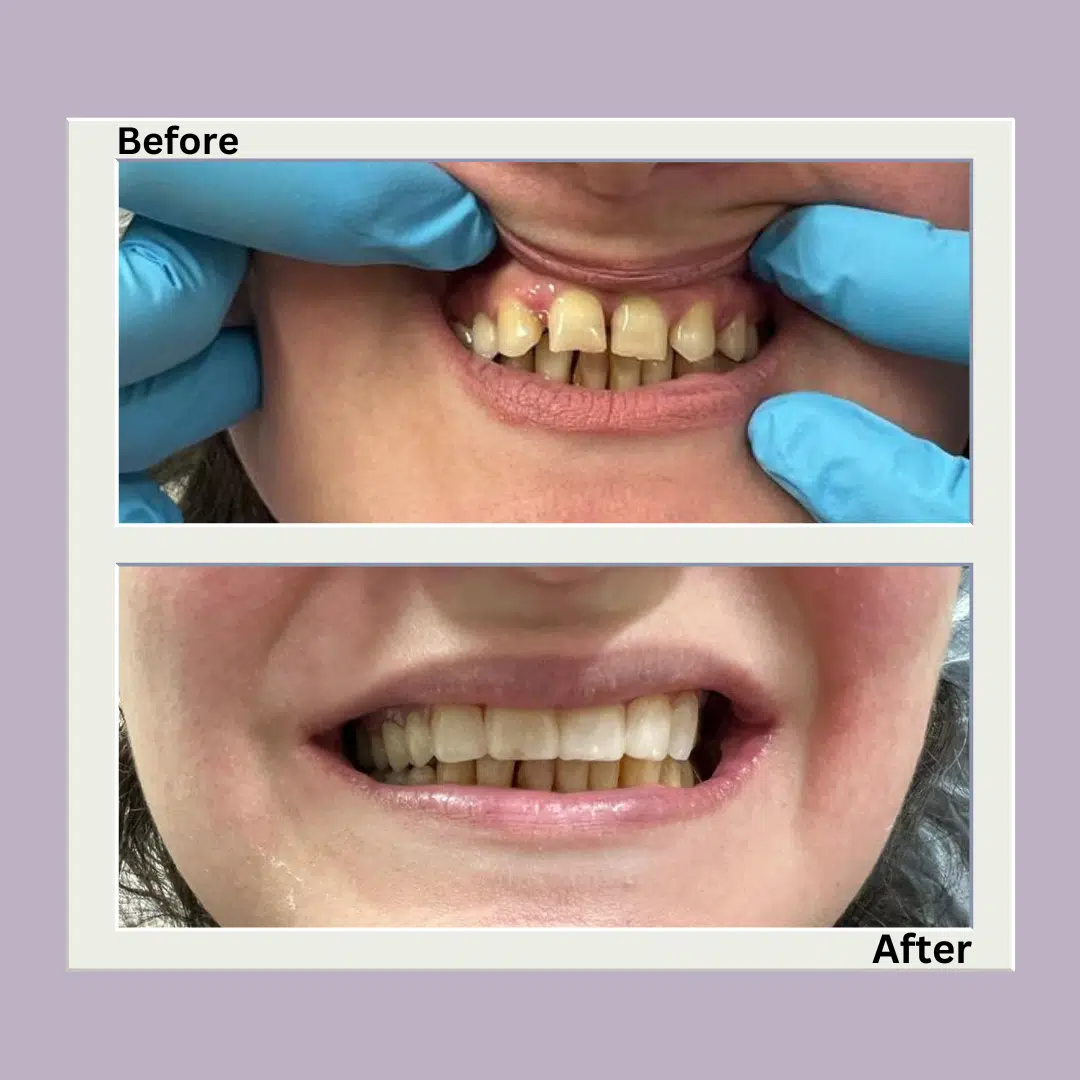
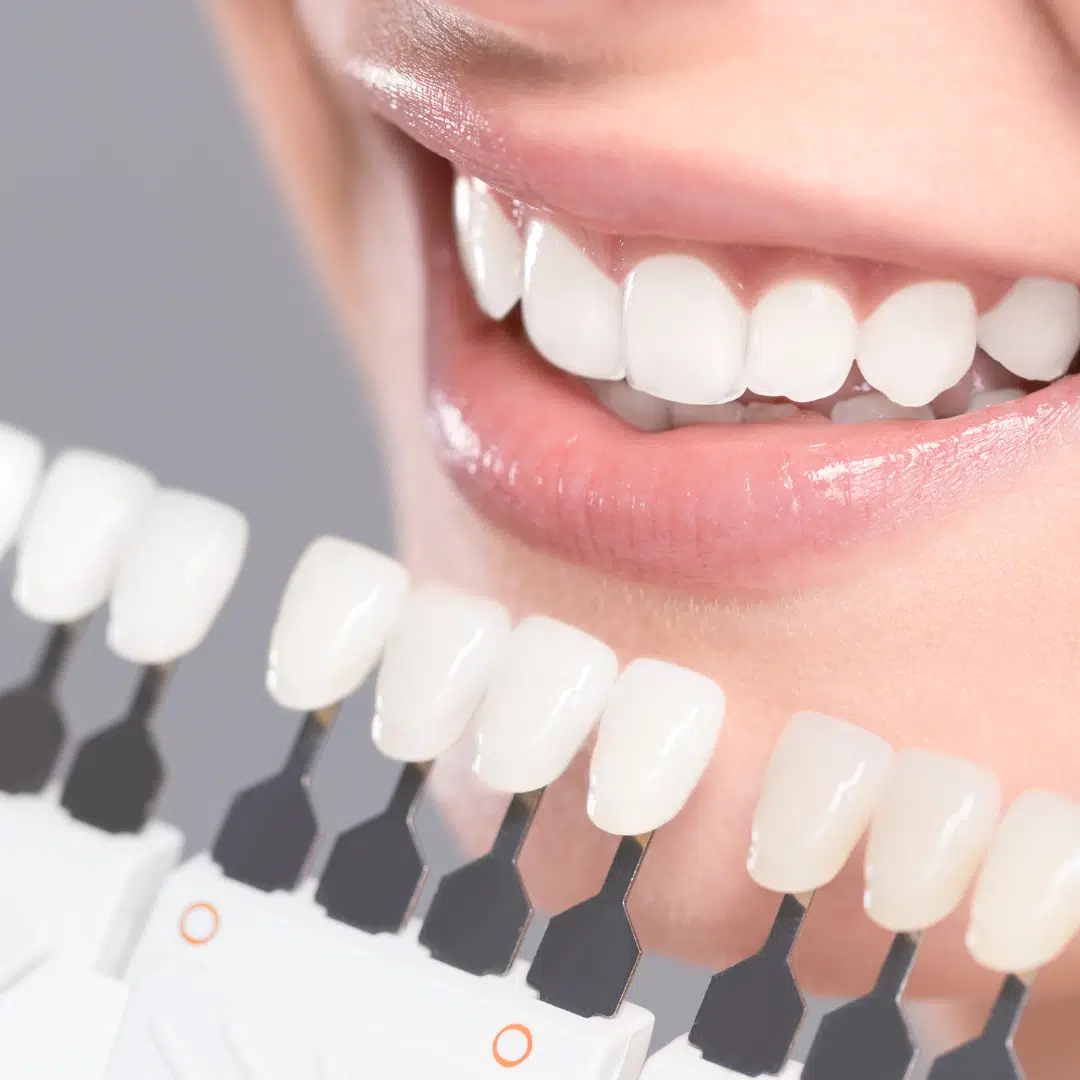
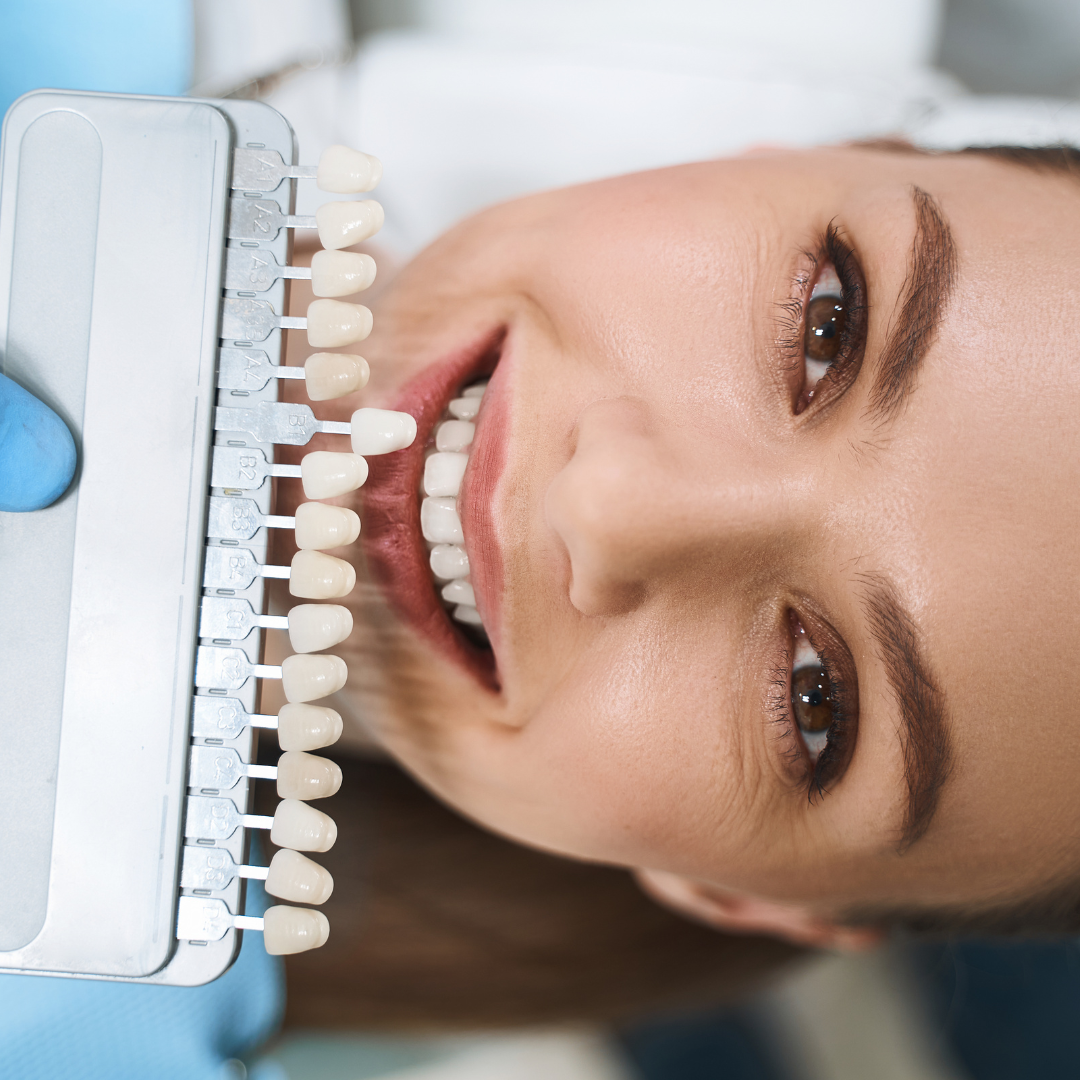
    Dental veneers are thin, custom-made shells designed to cover the front surface of teeth. They are typically made from porcelain or resin composite materials and are permanently bonded to your teeth. Veneers are an excellent option for correcting dental issues such as discolouration, chips, misalignment, or gaps between teeth.

    The Veneer Treatment Process

    Consultation at a Preston Dental Clinic:

    The journey to getting veneers starts with a consultation with a skilled dentist in Preston. During this session, your Preston dentist will evaluate your oral health, discuss your aesthetic goals, and determine if veneers are suitable for you.

    Preparing Your Teeth:

    Once you’re deemed a good candidate, the next step involves preparing your teeth for veneers. This process typically involves removing a small amount of enamel from the tooth surface to make room for the veneer.

    Impression and Customisation:

    Your dentist in Preston will then take an impression of your teeth, which is sent to a dental lab. Here, your veneers are custom crafted to fit your teeth perfectly and match your natural tooth colour.

    Final Fitting and Bonding:

    Once your veneers are ready, you’ll return to your dental clinic Preston for the final fitting. Your dentist will ensure a perfect fit before permanently bonding them to your teeth, instantly transforming your smile.

    Daily Care and Maintenance

    Caring for your veneers is crucial for their longevity and appearance. Here are some essential tips:

    Regular Brushing and Flossing:

    Treat your veneers like your natural teeth. Brush at least twice a day and floss daily to prevent plaque buildup and maintain gum health.

    Avoiding Hard Foods:

    While veneers are durable, they aren’t indestructible. Avoid chewing on hard objects like ice or pens, which can chip or damage them.

    Limiting Stain-Inducing Substances:

    Porcelain veneers are resistant to staining, but it’s still wise to limit exposure to substances like coffee, tea, and red wine.

    Wearing a Mouthguard:

    If you grind your teeth at night, consider wearing a mouthguard to protect your veneers from excessive wear and tear.

    Regular Dental Check-Ups:

    Visit your dentist in Preston routinely for check-ups and professional cleanings to ensure your veneers and overall dental health are in top condition.

    The Benefits of Choosing a Preston Dental Clinic for Your Veneers

    Choosing a local Preston dental clinic for your veneer treatment offers several benefits:

    • Expertise and Experience: Bright Smile Dental Clinic is home to some of the best dentists in Preston skilled in cosmetic dentistry, ensuring you receive top-quality care.
    • Convenience and Comfort: With local clinics like your dental clinic Preston, follow-up appointments and routine check-ups are convenient, reducing the stress of long-distance travel.
    • Personalised Care: Dentists in Preston are known for their personalised approach, ensuring that each patient’s treatment plan is tailored to their specific needs.

    Conclusion

    Dental veneers are a fantastic way to enhance your smile and boost your confidence. With the right care and maintenance, they can be a long-lasting solution. By choosing a reputable dentist in Preston for your veneer treatment, you’re not only investing in your smile but also in the quality and convenience of local expertise. Remember, a beautiful smile begins with good oral health, and veneers are one of the many ways to achieve that. So, take the first step towards your dream smile today at Bright Smile Dental Clinic in Preston!

  • The Advantages of Affordable Digital Dental Implants at Your Preston Dental Clinic

    The Advantages of Affordable Digital Dental Implants at Your Preston Dental Clinic

    Digital dental implants represent a revolutionary advancement in dental care, particularly in the realms of affordability, precision, and patient experience. In this exploration, we’ll delve into the benefits that this technology offers, especially when accessed through a reputable provider such your dentist in Preston dental clinic.

    Embracing Technology for Enhanced Oral Health

    The integration of digital technology into dental implantology has transformed the way dental care is delivered. Digital dental implants employ computer-aided design and manufacturing (CAD/CAM), digital imaging, and 3D printing, which collectively result in a highly accurate and less invasive procedure.

    Precision and Customisation

    Digital dental implants are known for their precision. With digital imaging, your dentist at Preston dental clinic in Bright Smile can create a detailed 3D model of a patient’s mouth. This allows for implants that are tailored to fit perfectly, which is not always the case with traditional methods. The exact specifications of each patient’s oral anatomy can be matched, ensuring that the implant will align correctly with the existing teeth and bite pattern.

    Reduced Recovery Time

    The precision of digital implants often leads to reduced trauma to the surrounding tissues, which in turn minimises pain and swelling post-surgery. Patients often report a quicker recovery time, which is a significant advantage over traditional implant methods.

    Affordability

    While the word ‘digital’ might conjure images of high costs, digital dental implants can actually be more affordable in the long term. The efficiency of the procedure often reduces chair time and the need for multiple appointments, which can lower the overall cost. Moreover, clinics like Bright Smile in Preston dental clinic often strive to provide these advanced services at competitive prices, making them more accessible to a wider range of patients.

    Longevity and Durability

    Digital dental implants are designed to last. Because they fit so precisely, they often bear a lower risk of complications such as misalignment or improper fusion with the jawbone. This can reduce the need for future adjustments or replacements, ensuring that the investment in a digital dental implant is one that pays off for many years.

    Aesthetic Outcomes

    The digital process allows for implants that are not only functionally superior but also aesthetically pleasing. The ability to design the implant digitally means that the final product can be crafted to closely resemble natural teeth in colour, shape, and size, providing a seamless addition to one’s smile.

    The Role Of Clinics Like Bright Smile/Preston Dental Clinic

    The benefits of digital dental implants are maximised when the procedure is carried out by experienced professionals. Bright Smile Dental Clinic, a dental clinic in Preston known for embracing modern technologies, provides patients with access to these cutting-edge dental solutions. Their expertise ensures that patients receive the full range of benefits that digital dental implants can offer.

    Conclusion

    In the era of digital dentistry, dental implants have become more accessible, precise, and beneficial for patients. With dental clinics like Bright Smile Dental Clinic. In Preston leading the way, more individuals can enjoy the long-term benefits of a healthier, more beautiful smile through affordable digital dental implants. Contact your dentist in Preston at Bright Smile Dental clinic for your digital dental implant consult.

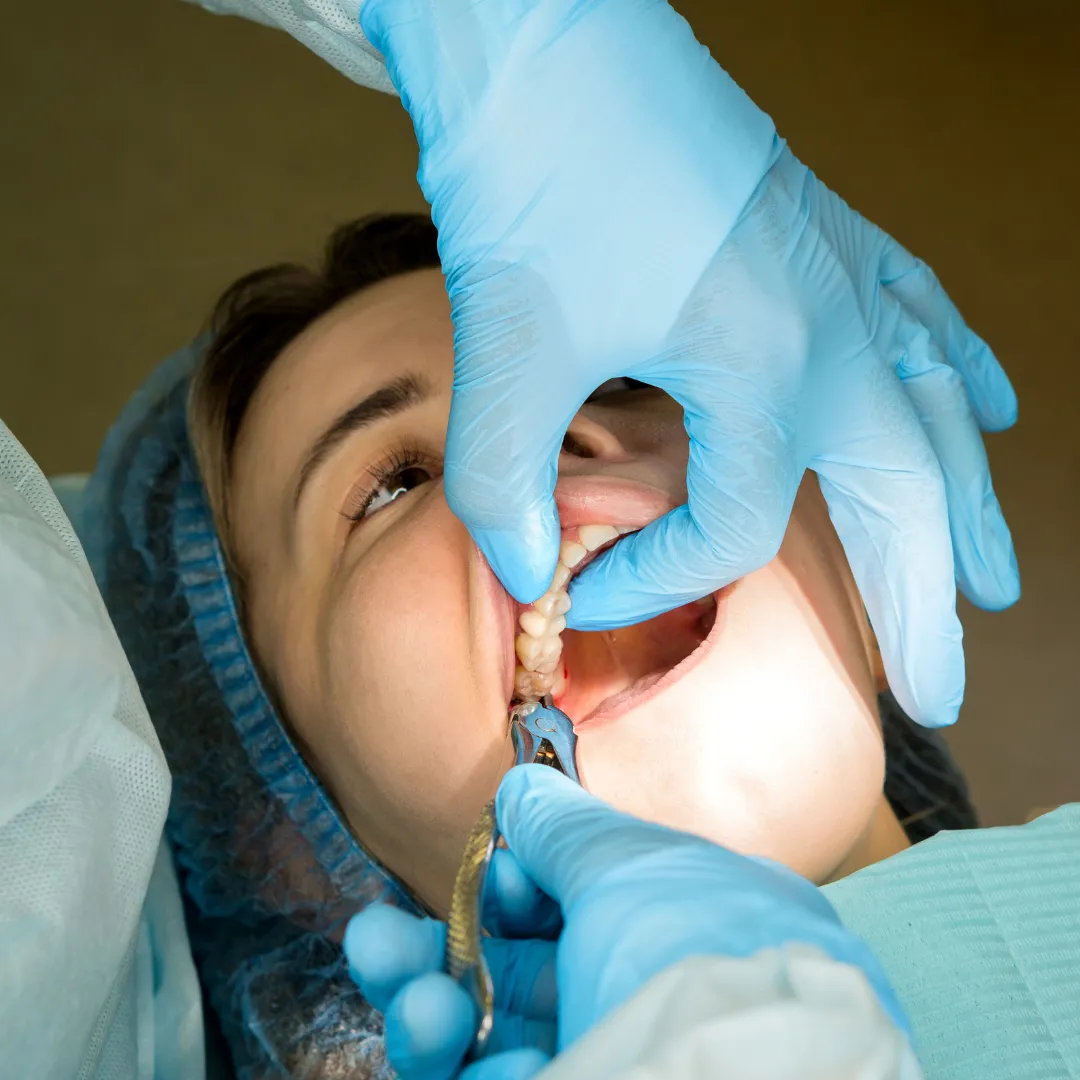
  • After Molar Extraction Care: Swift Recovery with your dentist in Preston

    After Molar Extraction Care: Swift Recovery with your dentist in Preston

    A Gentle Approach to Dental Care with your dentist in Preston

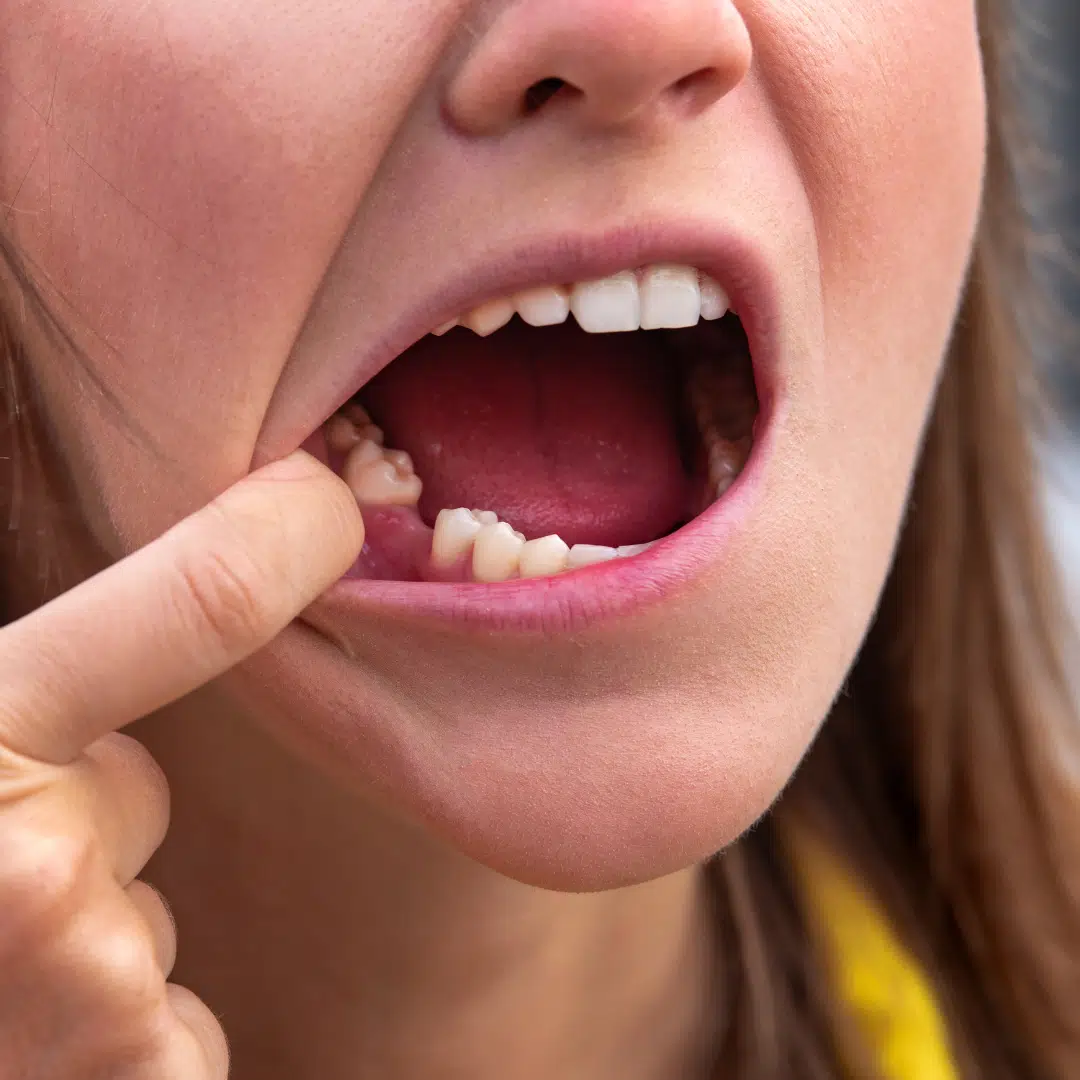
    If you’ve just had a molar extraction at your dental clinic in Preston or perhaps visited your dentist in Coburg, you’re likely focused on one thing: a speedy and smooth recovery. Molar extractions, while common, require meticulous aftercare to ensure healing proceeds without a hitch. So, let’s dive into the best practices for post-extraction care.

    The Immediate Aftermath: First Steps Post-Extraction

    The first 24 hours after your procedure are crucial. Your dentist in Preston will have provided you with a set of do’s and don’ts—follow these religiously. Use the gauze pad placed over the wound to control bleeding, and rest sufficiently with your head propped up to reduce swelling. If prescribed, take your medications to manage pain and inflammation, and consider applying ice packs to the cheek in intervals of 10 minutes.

    Remember:

    • Do Not Smoke: Smoking can significantly impede the healing process.
    • Skip the Straw: Drinking from a straw can dislodge the blood clot forming in the socket, leading to a painful condition known as dry socket.
    • Avoid Rinsing or Spitting: Any vigorous mouth movement can disturb the extraction site and should be avoided entirely in the initial healing phase.

    Nourishment and Oral Hygiene: The Path to Recovery

    After the first day, you can gently rinse your mouth with a saline solution—half a teaspoon of salt in 8 ounces of warm water will do. This can help with keeping the area clean and reducing the chances of infection. Nutrition-wise, stick to soft foods like soups, puddings, yogurts, and applesauce. They are gentle on the mouth and still provide the necessary nutrients for recovery.

    As for oral hygiene, while you should avoid the area near the extraction site initially, continue brushing and flossing your other teeth. Good oral hygiene is key to preventing infection.

    Follow-Up Care: Ensuring a Smooth Recovery

    Typically, the wound left by a molar extraction will take about two weeks to heal, with the bone healing over the course of the next few months. During this time, it’s essential to monitor the site for any signs of complications, such as persistent pain, swelling, or fever, which could indicate infection.

    It’s also important to continue with regular dental check-ups at your dental clinic in Preston or with your dentist in Coburg. These professionals are not just there for emergencies; they are your partners in maintaining your overall oral health.

    A closing note from your dental clinic in Preston

    At Bright Smile Dental Clinic, the best dental clinic in Preston, your dentist Coburg is dedicated to ensuring that your dental care doesn’t end when you leave the chair. Our team of experienced dentists in Preston is always on hand to provide advice and support during your recovery. Remember, a successful recovery is a team effort between you and your dental care providers. We are here to help you every step of the way.

    Should you have any concerns or questions about your recovery, don’t hesitate to contact us at Bright Smile Dental Clinic. We’re here to ensure your smile stays bright and healthy long after your visit to your dentist in Preston.

  • Understanding Bad Taste After Root Canal treatment with your dentist in Preston

    Understanding Bad Taste After Root Canal treatment with your dentist in Preston

    Experiencing a bad taste in your mouth after a root canal can be disconcerting and uncomfortable. Patients often report this as a side effect of the procedure, but what exactly causes it? Is it a sign of an underlying issue, or merely a temporary inconvenience? Let’s dig into the reasons behind this unpleasant aftertaste and explore how your dentist in Preston approaches this common complaint.

    Root Canal Aftertaste: An Indication of Infection?

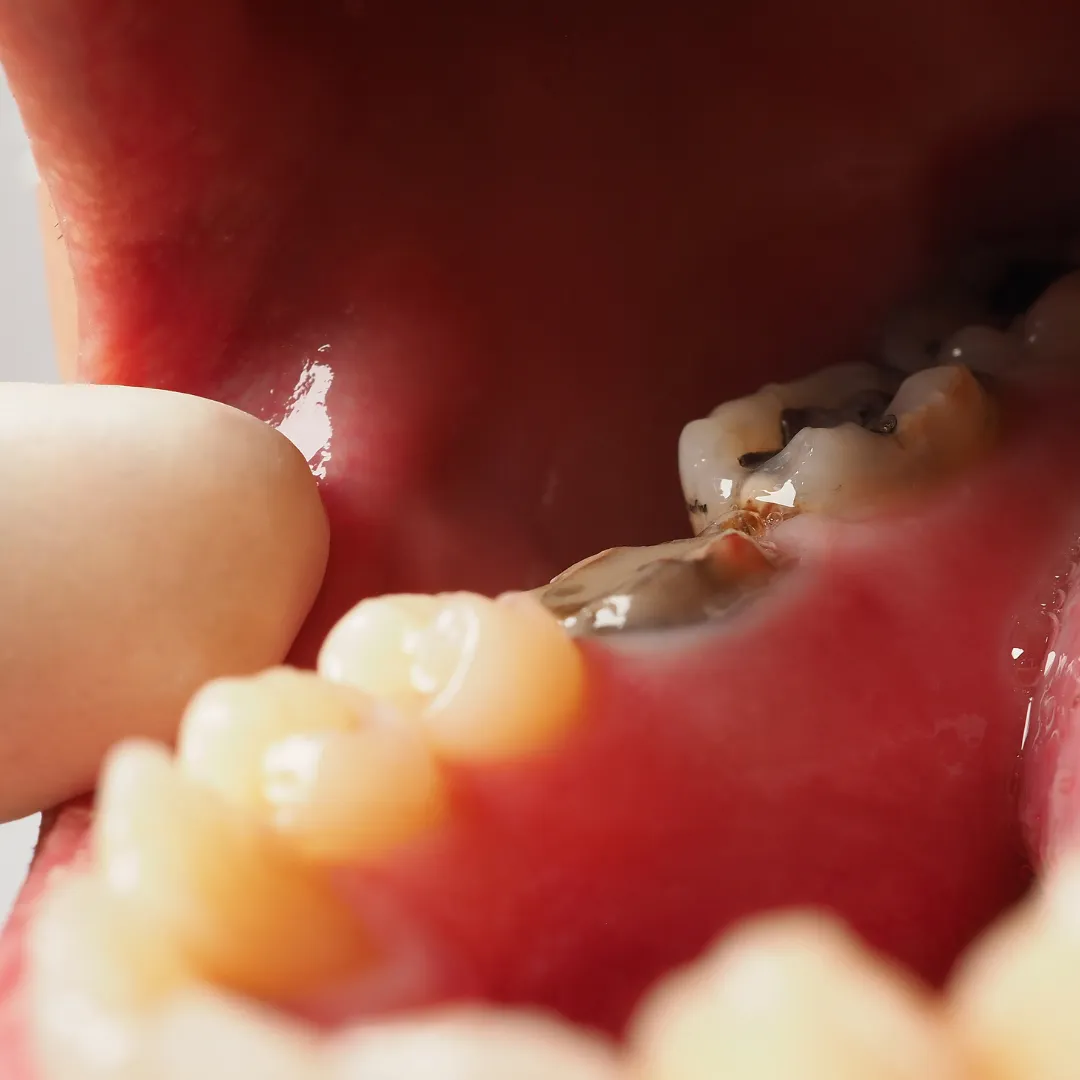
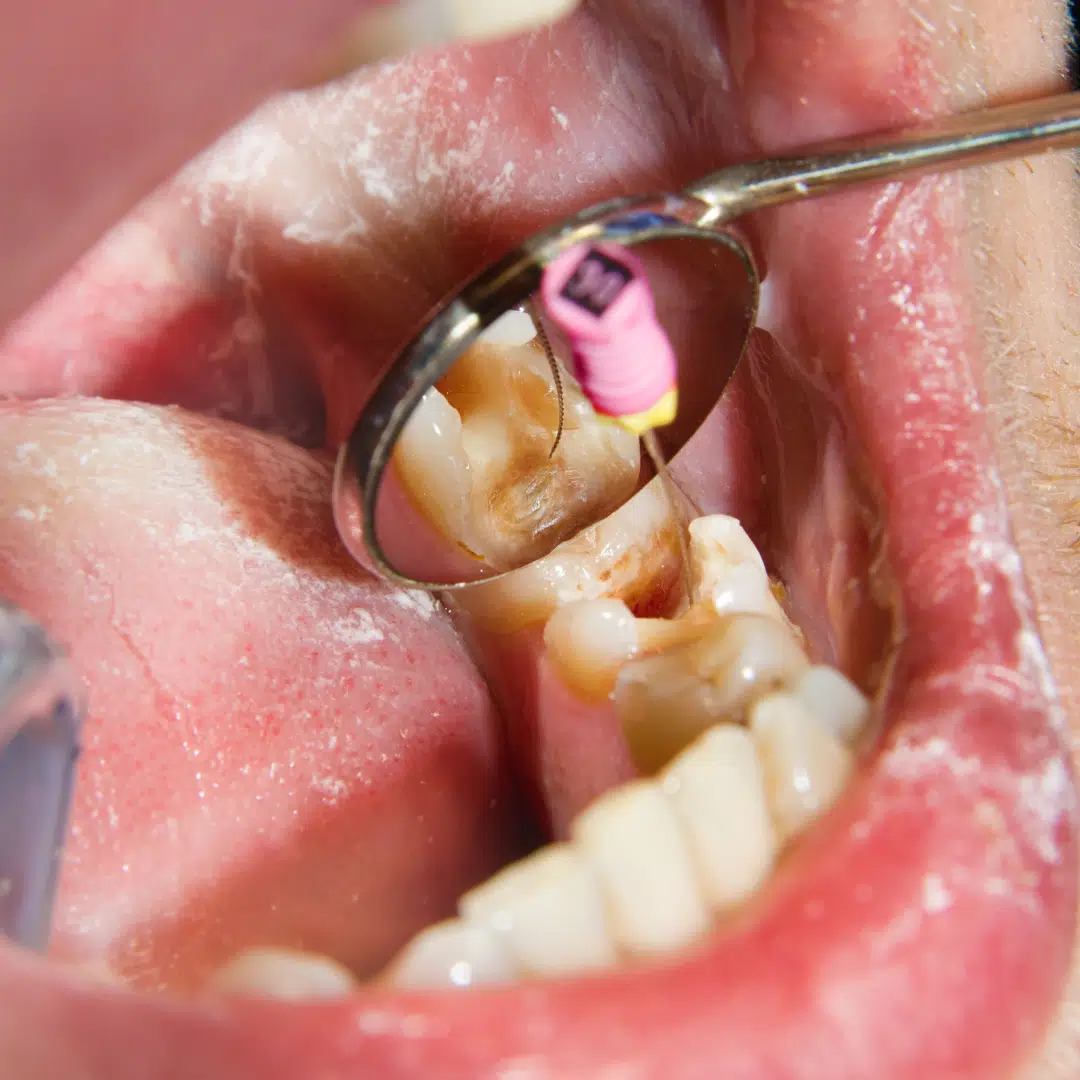
    The primary purpose of a root canal is to clear an infection from the tooth’s pulp. However, the presence of a foul odour or bad taste post-treatment could signal that the infection wasn’t entirely eradicated. This residual infection might release substances that have a decay-like smell, comparable to rotten eggs or worse, which in turn could cause a bad taste in your mouth.

    The Role of Medications and Procedures

    Not all bad tastes are indicative of infection. Sometimes, the taste comes from the chemicals used during the procedure, such as the irrigation solution or the medicated dressing placed inside the tooth. These substances are essential for the treatment but can leave a distinct flavour in your mouth temporarily.

    Why Does This Happen? Insights from Coburg Dentist

    Your Coburg dentist at Bright Smile Dental Clinic might explain that an infection could remain if the cleaning wasn’t thorough or if the bacteria were particularly resistant. Your dentist in Preston might add that a bad taste could also stem from a dry mouth or the use of certain medications unrelated to the dental procedure itself.

    When to Seek Further Help

    If the bad taste persists, especially accompanied by pain or swelling at the root canal site, it’s crucial to consult your Coburg dentist. Persistent symptoms could suggest that the infection is still active or that a reinfection has occurred, which may require additional treatment or even endodontic surgery.

    Preventive Measures and Aftercare

    To avoid such complications, it’s important to follow the aftercare instructions provided by your dentist in Preston. This includes maintaining good oral hygiene, avoiding certain foods during the healing process, and possibly using medicated rinses as prescribed.

    Conclusion: The Importance of Expert Care

    In conclusion, while a bad taste in your mouth following a root canal can be quite normal due to the materials used, it should not be dismissed, especially if it lingers.  Your dentist in Preston or Coburg dentist at Bright Smile dental Clinic, are equipped to handle these complications and ensure your comfort and health post-procedure.

    Remember, a root canal is a step towards better dental health, and understanding the journey, including the odd aftertaste, can make the process smoother and less daunting.

  • Brighten Your Smile with Internal Bleaching: Preston Dentist Explains Who Needs It

    Brighten Your Smile with Internal Bleaching: Preston Dentist Explains Who Needs It

    A dazzling smile can boost your confidence and make a lasting impression. However, various factors can cause teeth discolouration over time, leaving you feeling self-conscious about your smile. If you’re looking to regain that bright, white smile, internal bleaching might be the solution you need. In this blog post, we’ll delve into what internal bleaching is and who might benefit from this dental procedure, with a focus on the services offered by your Preston dentist at Bright Smile Dental Clinic.

    Understanding Internal Bleaching

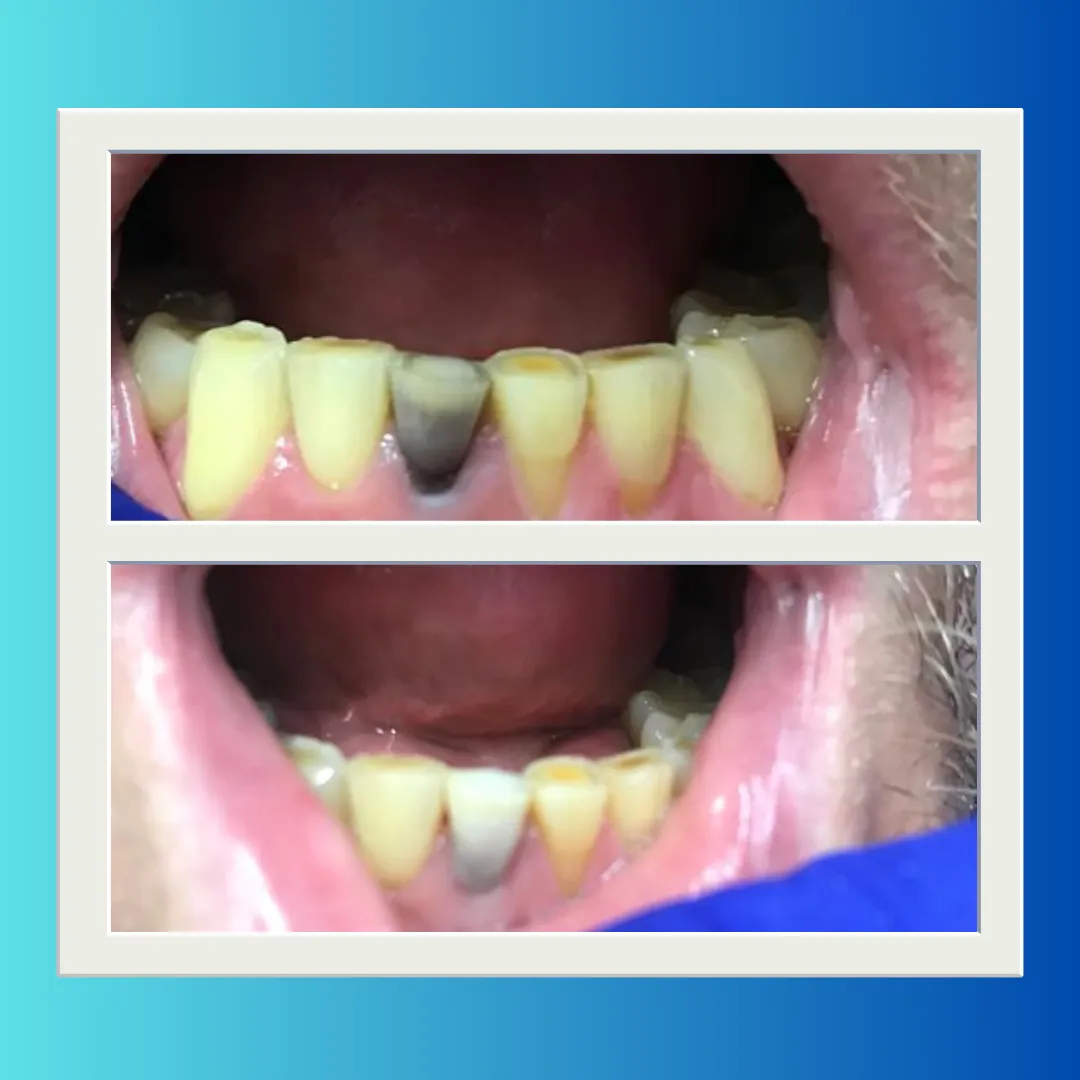
    Internal bleaching, also known as tooth whitening, is a cosmetic dental procedure designed to lighten the colour of a single discoloured tooth or a group of teeth. Unlike traditional teeth whitening methods that address surface stains, internal bleaching targets intrinsic stains that originate from within the tooth.

    The procedure involves the following steps:

    Diagnosis

    First, a thorough examination is conducted by your dentist in Preston to determine the cause and extent of tooth discolouration. This assessment helps in deciding whether internal bleaching is the right choice for the patient.

    Isolation

    The dentist isolates the affected tooth or teeth from the rest of the mouth to prevent the bleaching agent from coming into contact with healthy teeth and gum.

    Application of Bleaching Agent

    A special bleaching agent, often hydrogen peroxide, is placed inside the discolored tooth. This agent works to break down and remove the internal stains.

    Monitoring

    The progress of the bleaching process is closely monitored by the dentist to ensure that the desired shade is achieved without compromising the tooth’s structural integrity.

    Completion

    Once the tooth reaches the desired shade, the bleaching agent is removed, and the tooth is sealed with a permanent filling or dental bonding material to prevent future staining.

    Who Needs Internal Bleaching?

    Internal bleaching is typically recommended for individuals who have a single discoloured tooth or a small group of discoloured teeth due to various factors, including:

    • Trauma: Teeth can become discoloured after an injury or trauma that disrupts the tooth’s blood supply. This can lead to a grayish or darkened appearance.
    • Root Canal Treatment: Teeth that have undergone root canal therapy may lose their vitality and develop internal stains over time, requiring internal bleaching to restore their appearance.
    • Tetracycline Stains: Long-term use of tetracycline antibiotics, especially during tooth development, can cause deep intrinsic staining. Internal bleaching can be a suitable solution for such cases.
    • Aging: As we age, our teeth naturally undergo colour changes and may become discolored. Internal bleaching can help reverse the effects of aging on tooth color.
    • Genetics: Some individuals may have genetic factors that lead to internal tooth discoloration, making them suitable candidates for this procedure.
    • It’s important to note that not all teeth discolourations can be treated with internal bleaching. Patients should consult with a dentist in Preston to determine the best course of action based on their specific case.

    Choosing a Preston Dentist for Internal Bleaching

    When considering internal bleaching, it’s crucial to choose a qualified and experienced dentist in Preston to ensure the best results. Here are some tips for finding the right dentist:

    • Research and Reviews: Look for dentists in Preston who specialise in cosmetic dentistry and have positive patient reviews regarding their internal bleaching procedures.
    • Consultation: Schedule a consultation to discuss your concerns and expectations with the dentist. This will allow you to gauge their expertise and the treatment plan they propose.
    • Accreditation: Ensure that the dentist is experienced as your Preston dentist at Bright Smile Dental Clinic.
    • Cost and Payment Options: Discuss the cost of internal bleaching and inquire about available payment options and financing plans with your Preston dentist.

    Conclusion

    Internal bleaching is a fantastic option for individuals looking to restore the natural brightness of discoloured teeth. Whether it’s due to trauma, aging, or other factors, this procedure, performed by a skilled dentist in Preston, can help you regain your confidence and enjoy a radiant smile once again. If you’re considering internal bleaching, don’t hesitate to consult with a Preston dentist to determine the best approach to enhance your smile and overall oral health.

  • Dentist in Coburg: Direct Composite Veneers to Close Tooth Gaps

    Dentist in Coburg: Direct Composite Veneers to Close Tooth Gaps

    A confident smile is a powerful tool that can open doors and brighten your world. However, for some people, gaps between their teeth can be a source of self-consciousness and discomfort. Thankfully, modern dentistry offers a solution to this common issue: direct composite veneers. In this article, we’ll explore how these veneers can close tooth gaps and transform your smile. your Dentist in Coburg are experts in this field and are ready to help you achieve the smile of your dreams at Bright Smile Dental Clinic.

    Understanding Tooth Gaps

    Tooth gaps, also known as diastema, can occur between any two teeth, but they are most seen between the front teeth. These gaps can be caused by a variety of factors, including genetics, thumb-sucking habits in childhood, gum disease, or simply natural spacing. While some individuals embrace their gaps as unique features, others may feel self-conscious about their appearance.

    Why Choose Direct Composite Veneers?

    Direct composite veneers are a minimally invasive and cost-effective solution for closing tooth gaps and enhancing the aesthetics of your smile. Here’s why they are an excellent choice:

    Non-invasive

    Unlike traditional veneers, direct composite veneers require minimal to no enamel removal, preserving the natural structure of your teeth.

    Quick results

    Direct composite veneers can often be completed in a single visit to the dentist, providing almost instant results.

    Affordable

    These veneers are more budget-friendly compared to other cosmetic dental treatments, making them accessible to a wider range of patients.

    Customisable

    Your Preston dentist can match the colour and shape of the veneers to your natural teeth, ensuring a seamless and natural appearance.

    Meet the Experts: Bright Smile Dental Clinic in Preston

    For residents of Preston, Bright Smile Dental Clinic is your go-to destination for transforming your smile with direct composite veneers. Highly skilled and experienced dentists at Bright Smile Dental Clinic in Coburg have a track record of delivering stunning results.

    At Bright Smile Dental Clinic, your Coburg dentist will begin by conducting a comprehensive assessment of your dental health to ensure that direct composite veneers are the right choice for you. They will discuss your goals and expectations and create a personalised treatment plan to achieve your desired results.

    The Process of Getting Direct Composite Veneers

    Consultation

    During your initial consultation with your dentist in Preston, you’ll discuss your concerns and goals. They will explain the veneer process and answer any questions you may have.

    Tooth Preparation

    Minimal tooth preparation is needed for direct composite veneers, but if necessary, your Coburg dentist will gently roughen the tooth’s surface to ensure a strong bond.

    Bonding

    A tooth-coloured composite will be applied and carefully shaped to close the gap and enhance the appearance of your teeth.

    Sculpting and Shaping

    your dentist in Coburg sculpts and shapes the composite material to achieve the desired look, ensuring it blends seamlessly with your natural teeth.

    Final Polishing

    The veneers will be polished to a natural shine, leaving you with a beautiful, flawless smile.

    Meet the Experts: Dentist in Coburg

    Residents of Coburg can also benefit from the expertise of exceptional dental professionals at Bright Smile Dental Clinic. Your Coburg dentist is known for his commitment to excellence in cosmetic dentistry and their dedication to providing patients with a comfortable and positive experience.

    Preston dentists at Bright Smile Dental Clinic take great pride in helping their patients achieve the smile they’ve always wanted. With direct composite veneers, they can close tooth gaps and transform your smile in a way that feels comfortable and hassle-free.

    The Advantages of Direct Composite Veneers

    Natural Appearance

    Direct composite veneers closely mimic the appearance of natural teeth, providing a beautiful, seamless smile.

    Stain Resistance

    Composite resin used in veneers is resistant to staining, ensuring your smile stays bright and attractive.

    Durability

    With proper care, direct composite veneers can last for several years, making them a long-lasting investment in your smile.

    Minimal Maintenance

    Maintaining your veneers is straightforward, requiring regular oral hygiene practices such as brushing, flossing, and routine dental check-ups.

    Conclusion

    Direct composite veneers are an excellent option for those looking to close tooth gaps and enhance their smiles without invasive procedures. Whether you’re in Preston or Coburg, the expert dentists at Bright Smile Dental Clinic are ready to help you achieve the smile of your dreams. Your Preston dentists are committed to providing you with the best possible care, ensuring your confidence shines through your bright, beautiful smile. Say goodbye to tooth gaps and hello to a brighter, more confident you with direct composite veneers at Bright Smile Dental Clinic.

  • The Scourge of Root Canal Infections and How Dentist in Preston Triumphs Over It

    The Scourge of Root Canal Infections and How Dentist in Preston Triumphs Over It

    In the realm of dental procedures, few treatments carry the dread associated with the phrase ‘root canal’. Despite the essentiality of this procedure, the mere mention often elicits cringes and apprehension from patients. One of the primary concerns behind this fear? The potential for root canal infections. But at Bright Smile Dental Clinic, your dentist in Preston don’t just ensure a pain-free and seamless root canal procedure; we’re pioneers in preventing and expertly managing post-procedural infections.

    Understanding Root Canal Infections

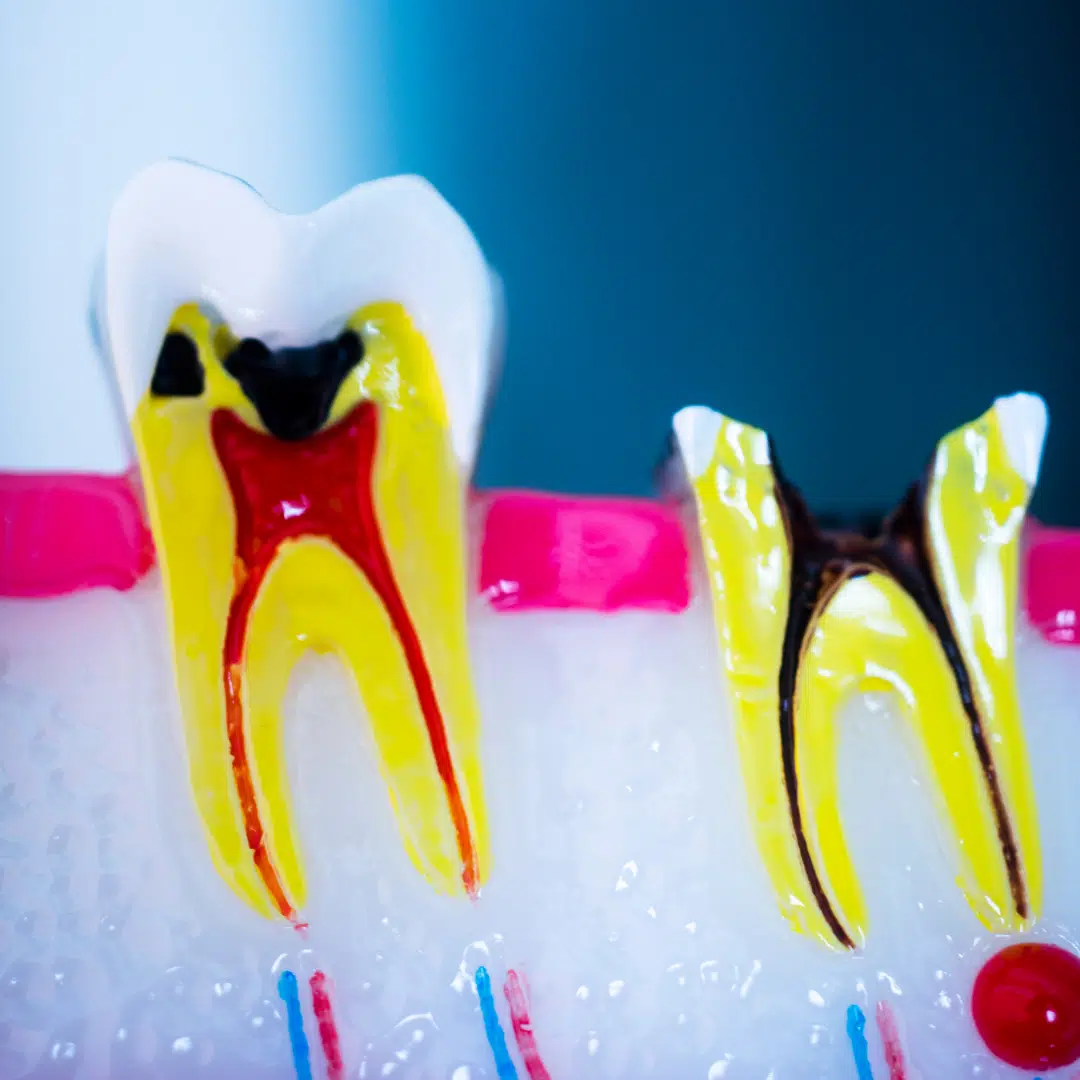
    A root canal is necessary when the pulp, the innermost part of the tooth, becomes infected or inflamed. Left untreated, this can lead to pain, swelling, and the eventual loss of the tooth.

    Infections can sometimes occur after a root canal treatment due to:

    1. The persistence of bacteria after the treatment. 
    2. An undetected crack in the tooth. 
    3. A breakdown of the sealing material over time. 
    4. A new cavity that exposes the inner tooth to bacteria. 
    5. Dentist in Preston Superior Approach 

    At Bright Smile Dental Clinic, our approach to dental procedures, particularly root canals, is an intricate blend of advanced technology, seasoned expertise, and compassionate care. Here’s how your dentist in Preston stands out in preventing and managing root canal infections:

    1. Cutting-edge Equipment: using state-of-the-art equipment allows your dentist in Preston to spot even the tiniest of cracks or remaining bacteria, ensuring that the root canal procedure is thorough.
    2. Expert Dentists: Our team of Preston dentists consists of seasoned professionals who stay up-to-updated with the latest in dental research and techniques. Their expertise is pivotal in ensuring root canals are executed flawlessly, reducing the chance of post-procedure infections.
    3. Sterilisation Protocols: Our sterilisation methods are stringent. Every instrument undergoes a rigorous cleaning process to eliminate any potential contaminants.
    4. Sealing Mastery: One of the main culprits behind root canal infections is a breakdown of the sealing material. At our dental clinic in Preston, we use top-grade materials and techniques to seal the treated area, ensuring durability and protection against bacteria.
    5. Patient Education: We believe in empowering our patients. Post-procedure, our Preston dentists provide detailed guidance on oral care, ensuring that the treated area remains clean and free from potential infection.

    Dedicated Post-Treatment Follow-ups

    What truly sets our Preston dental clinic apart is our unwavering commitment to our patients even after they leave our premises. Our post-treatment follow-ups are testament to this dedication.

    1. Scheduled Check-ins: After a dental procedure, especially something as intricate as a root canal, our dentist in Preston schedules periodic check-ins with patients. This allows our Preston dentist to monitor the treated area, ensuring everything is healing as it should.
    2. Immediate Addressal: Should there be even a hint of potential infection or discomfort, our team at a dental clinic in Preston is prompt in addressing the issue, ensuring that minor concerns don’t escalate into major problems.
    3. Patient Feedback: We actively seek feedback from our patients during follow-ups. This not only helps us gauge their comfort but also constantly refines our post-treatment care protocols.

    Conclusion

    Dental procedures, especially root canals, don’t have to be dreaded experiences marred with post-treatment complications. At Bright Smile Dental Clinic, we’re redefining this narrative. Our meticulous approach to prevention and post-procedure management of root canal infections ensures that our patients not only leave with a brighter smile but also with the peace of mind that their dental health is in expert hands.

    So, if you’re seeking dental care that prioritises excellence in treatment and post-treatment care, look no further than Bright Smile Dental Clinic as your dentist in Preston. Your smile, and its health, deserve nothing but the best. Book your appointment with dentist in Preston today!

  • Root Canal vs. Tooth Extraction: Making the Right Choice with dentist in Preston

    Root Canal vs. Tooth Extraction: Making the Right Choice with dentist in Preston

    In the realm of dental health, there are certain decisions that may seem daunting at first. One such decision revolves around whether to opt for a root canal or a tooth extraction. Both procedures are common and are often recommended by dentists to address specific dental concerns. However, making the right choice depends on various factors, including the condition of the tooth, patient’s overall health, and long-term dental goals. If you’re considering either of these procedures at a dental clinic in Preston, this guide is here to help. By understanding the benefits and drawbacks of both root canals and tooth extractions, you can make an informed decision best suited for your dental health. 

    Root Canal: The Basics 

    A root canal is a dental procedure that aims to save a damaged or infected tooth. Instead of removing the tooth, the dentist cleans out the decayed or infected pulp from the tooth’s centre, disinfects the area, and then seals it. 

    Benefits of a Root Canal

    Tooth Preservation

    The primary advantage of a root canal is that it allows you to keep your natural tooth. For many, this is preferable both aesthetically and functionally. 

    Less Discomfort in the Long Run

    Contrary to popular belief, modern root canals are relatively painless. Plus, preserving your natural tooth structure can mean fewer dental complications down the road. 

    Cost-Effective

    While the upfront cost might be higher than extraction, considering potential costs of tooth replacement, a root canal might prove more economical. 

    Drawbacks

    Potential for Re-infection

    Although rare, there’s a slight chance that the tooth could get re-infected if not sealed properly. 

    Weakened Tooth

    Over time, a tooth that has undergone a root canal may become brittle and more prone to fractures. 

    Tooth Extraction: An Overview 

    Tooth extraction is the complete removal of a tooth from its socket in the bone. It’s a direct solution to a tooth that’s beyond repair. 

    Benefits of Tooth Extraction

    Direct Solution

    For teeth that are severely damaged, extraction can quickly resolve pain and prevent the spread of infection. 

    Cost

    Initially, tooth extractions are often less expensive than root canals. 

    Low Maintenance

    Once a tooth is removed, there’s no chance of that specific tooth causing any more trouble. 

    Drawbacks

    Gap in the Dental Line

    An extracted tooth leaves a gap which might cause teeth to shift, affecting your bite. 

    Replacement Costs

    If you choose to replace the extracted tooth with a dental implant or bridge, the costs can mount. 

    Longer Healing Time

    Recovery from an extraction, especially if surgical, can be longer than that from a root canal. 

    Making the Right Decision

    If you’re debating between a root canal and tooth extraction, consider the following: 

    Consultation

    Always start by consulting with your trusted dentist in Preston, at Bright Smile Dental Clinic. They can provide an in-depth analysis of your dental health and offer recommendations. 

    Consider Long-term Impact

    Think about the long-term implications of each procedure. While extractions might be cheaper initially, the cumulative cost and impact of a missing tooth might lean in favour of a root canal. 

    General Health

    Your overall health can be a determinant. For instance, certain conditions might make one vulnerable to infections, which could affect the decision. 

    Conclusion

    Whether it’s a root canal or tooth extraction, the main goal is to ensure the health and well-being of the patient. Both procedures have their merits, and the choice largely depends on individual circumstances. If faced with this decision, the key is to be informed and to consult with professionals. Remember, dental clinics in Preston, such as Bright Smile dental Clinic, prioritise patient care and can offer expert advice tailored to your needs.

    By understanding your options and collaborating with a skilled dentist in Preston, you can confidently make the right choice for your oral health. 

  • Benefits of Tooth Crowns: A Preston Dentist’s Guide

    Benefits of Tooth Crowns: A Preston Dentist’s Guide

    Are you tired of living with damaged or decayed teeth that affect your confidence and overall oral health? Look no further! Welcome to our comprehensive guide on the benefits of tooth crowns, brought to you by a trusted Preston dentist. Whether you’re dealing with a chipped tooth, severe tooth decay, or simply want to enhance your smile, tooth crowns are an excellent solution that can transform your dental health and appearance. In this guide, we’ll delve into the different types of crowns available, their durable and long-lasting nature, and how they can effectively restore your teeth to their former glory. We’ll also explore the procedure itself, highlighting its minimal discomfort and the remarkable results you can expect. Join us on this journey as we unlock the secrets behind tooth crowns and discover why they are a game-changer for countless patients seeking a radiant and healthy smile.

    What are tooth crowns?

    Tooth crowns, also known as dental crowns, are custom-made caps that are placed over damaged or decayed teeth. They are designed to restore the shape, size, strength, and appearance of the tooth, while also protecting it from further damage. Made from a variety of materials such as porcelain, metal alloys, or a combination of both, tooth crowns are highly durable and blend seamlessly with your natural teeth. They are essentially a “crown” that fits over the existing tooth, covering it entirely from the gum line upwards. This not only improves the tooth’s aesthetics but also provides structural support, allowing you to bite and chew with ease.

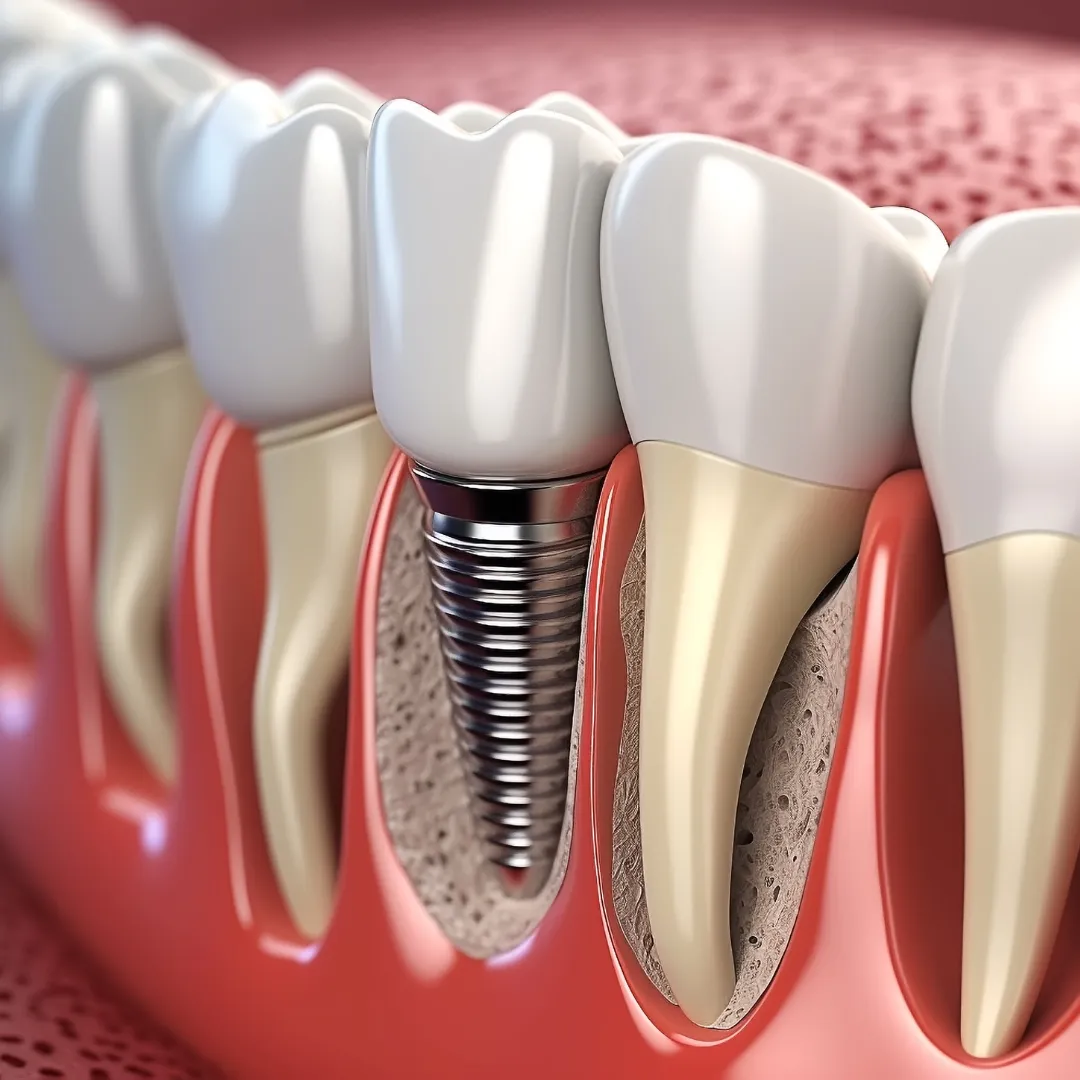
    Tooth crowns are incredibly versatile and can be used to address a wide range of dental issues. Whether you have a cracked tooth, a severely decayed tooth, or a tooth that has undergone root canal treatment, crowns can be an ideal solution. They can also be used to cover dental implants or anchor dental bridges, providing stability and functionality to your smile. With their natural appearance and ability to mimic the translucency of real teeth, tooth crowns are virtually indistinguishable from the rest of your teeth, ensuring a seamless and beautiful smile. Your dentist in Preston at Bright Smile Dental Clinic will be with you with a passionate consultation to give you the best possible options for your oral health.

    Benefits of tooth crowns

    The benefits of tooth crowns extend far beyond just improving the appearance of your teeth. Here are some key advantages that make them an excellent choice for dental restoration:

    Strength and durability

    Tooth crowns are designed to be incredibly strong and durable, capable of withstanding the forces of biting and chewing. With proper care, they can last for many years, providing a long-term solution for damaged or decayed teeth.

    Improved appearance

    If you’re self-conscious about the appearance of your teeth, tooth crowns can be a game-changer. They are custom-made to match the shape, size, and colour of your natural teeth, ensuring a seamless and natural-looking smile. Whether you have discoloured, misshapen, or damaged teeth, crowns can effectively restore your teeth’s aesthetics and boost your confidence.

    Enhanced functionality

    Damaged or decayed teeth can significantly impact your ability to bite and chew properly. Tooth crowns restore the functionality of your teeth, allowing you to enjoy your favourite foods without any discomfort or limitations. They provide a protective barrier over the damaged tooth, preventing further deterioration and ensuring optimal oral health.

    Protection for weakened teeth

    Teeth that have undergone extensive dental work, such as root canal treatment, can become weak and prone to fractures. Tooth crowns provide an extra layer of protection, strengthening the tooth and reducing the risk of further damage. They act as a shield, preventing bacteria from entering the tooth and causing infection.

    Long-lasting results

    Compared to other dental restorations, tooth crowns offer long-lasting results. With proper care and regular dental check-ups, they can withstand the test of time and maintain their functionality and appearance for many years. This makes them a cost-effective investment in your dental health.

    Types of tooth crowns

    When it comes to choosing the right type of tooth crown, there are several options available, each with its own set of advantages. Here are some of the most common types of tooth crowns:

    Porcelain crowns

    Porcelain crowns are popular due to their natural appearance and ability to closely mimic the translucency of real teeth. They are an excellent choice for front teeth or highly visible areas of the mouth. Porcelain crowns are stain-resistant and highly durable, making them a long-lasting solution.

    Metal crowns

    Metal crowns, often made from gold or other metal alloys, are known for their exceptional strength and durability. They are less prone to chipping or breaking and require minimal tooth structure removal during the preparation process. While metal crowns are not as aesthetically pleasing as porcelain crowns, they are an ideal choice for molars or teeth that are less visible.

    Porcelain-fused-to-metal (PFM) crowns

    PFM crowns combine the strength of metal with the natural appearance of porcelain. They have a metal substructure for strength and a porcelain outer layer for aesthetics. PFM crowns offer a good balance between durability and aesthetics, making them a popular choice for both front and back teeth.

    Zirconia crowns

    Zirconia crowns are made from a strong and durable ceramic material. They are highly resistant to chipping and cracking, making them an excellent option for restoring damaged or decayed teeth. Zirconia crowns are known for their superior strength and aesthetics, as they can be customised to match the colour and shape of your natural teeth. When deciding on the type of crown that is best suited for your needs, it’s essential to consult with your dentist. They will consider factors such as the location of the tooth, your oral health, and your personal preferences to determine the most appropriate choice for you.

     When are tooth crowns recommended?

    Tooth crowns are recommended in a variety of situations, depending on the extent of tooth damage and the desired outcome. Here are some common scenarios where tooth crowns may be the ideal solution:

    Severe tooth decay

    When a tooth is severely decayed or damaged, a dental filling may not be sufficient to restore its structure and functionality. In such cases, a tooth crown can effectively cover the damaged tooth, preventing further decay and restoring its strength.

    Cracked or fractured teeth

    Teeth that have experienced cracks or fractures can be vulnerable to further damage. Tooth crowns provide the necessary support and protection, preventing the crack from spreading and preserving the tooth’s integrity.

    Root canal treatment

    After undergoing root canal treatment, a tooth can become weak and brittle. A tooth crown is often recommended to strengthen the treated tooth and protect it from fractures or reinfection.

    Misshapen or discoloured teeth

    If you have misshapen or severely discoloured teeth that cannot be effectively addressed with teeth whitening or other cosmetic procedures, tooth crowns can provide a natural-looking solution. They can be customised to match the colour and shape of your natural teeth, ensuring a harmonious and beautiful smile.

    Dental implants or dental bridges

    Tooth crowns are commonly used in conjunction with dental implants or bridges. They serve as the visible, functional part of the restoration, providing stability and aesthetics. It’s important to note that tooth crowns are not suitable for everyone. Your dentist will assess your specific dental needs and recommend the most appropriate treatment plan for you.

     The tooth crown procedure

    The tooth crown procedure typically involves several steps, starting with a comprehensive dental examination and consultation with your dentist. Here’s a breakdown of the procedure:

    Examination and preparation

    During your initial visit, your dentist will examine your teeth and gums, assessing the extent of the damage and determining if a tooth crown is the best course of action. If so, the tooth will be prepared by removing a small amount of enamel to accommodate the crown.

    Impression

    Once the tooth is prepared, your dentist will take an impression of the tooth and the surrounding teeth. This impression will serve as a blueprint for the fabrication of your custom-made crown.

    Temporary crown

    While your permanent crown is being created in a dental laboratory, a temporary crown will be placed over your prepared tooth to protect it and maintain its functionality.

    Crown placement

    Once your permanent crown is ready, you will return to the dentist’s office for the final placement. Your dentist will remove the temporary crown and ensure the fit and appearance of the permanent crown before permanently cementing it in place. The entire tooth crown procedure is typically completed over the course of two visits, with the timeframe varying depending on the complexity of the case and the type of crown being used. Your dentist will provide you with specific post-procedure instructions to ensure proper healing and long-term success.

    Aftercare for tooth crowns

    Proper aftercare is crucial to ensure the longevity and success of your tooth crown. Here are some important tips to keep in mind:

    Maintain good oral hygiene

    Brushing your teeth twice a day and flossing regularly will help keep your tooth crown clean and prevent plaque buildup. Use a soft-bristle toothbrush and non-abrasive toothpaste to avoid damaging the crown’s surface.

    Avoid chewing hard or sticky foods

    While tooth crowns are designed to be strong and durable, they may be susceptible to damage from excessive force. Avoid chewing on hard objects, such as ice or pen caps, and be cautious with sticky foods that can dislodge or damage the crown.

    Schedule regular dental check-ups

    Regular dental check-ups are essential to monitor the condition of your tooth crown and ensure optimal oral health. Your dentist will examine the crown, clean it, and address any concerns or issues that may arise.

    Wear a night guard if you grind your teeth

    If you have a habit of grinding or clenching your teeth, known as bruxism, wearing a night guard can help protect your tooth crown from excessive wear and damage. Consult with your dentist to determine if a night guard is recommended for you. By following these aftercare tips and maintaining good oral hygiene practices, you can enjoy the benefits of your tooth crown for many years to come.

     Common myths about tooth crowns debunked

    As with any dental procedure, there are several misconceptions surrounding tooth crowns. Let’s debunk some common myths and set the record straight:

    • Myth 1: Tooth crowns are painful: The tooth crown procedure is typically performed under local anaesthesia, ensuring minimal discomfort during the preparation and placement process. You may experience some sensitivity or mild discomfort after the anaesthesia wears off, but this is usually temporary and can be managed with over-the-counter pain medication.
    • Myth 2: Tooth crowns require a lot of maintenance: While tooth crowns do require regular oral hygiene practices and dental check-ups, they do not require any additional maintenance beyond that of your natural teeth. Simply brush and floss regularly and visit your dentist for routine cleanings and examinations.
    • Myth 3: Tooth crowns are only for cosmetic purposes: While tooth crowns do provide significant cosmetic benefits, they are primarily a restorative dental procedure. They are used to strengthen and protect damaged teeth, improve functionality, and prevent further deterioration.
    • Myth 4: Tooth crowns are noticeable and unnatural looking: Modern tooth crowns are designed to blend seamlessly with your natural teeth, both in terms of appearance and functionality. With advancements in dental materials and technology, it is nearly impossible to distinguish a tooth crown from a natural tooth.

    By dispelling these myths, you can make an informed decision about whether tooth crowns are the right solution for your dental needs.

    Choosing the right dentist for tooth crowns

    Selecting the right dentist for your tooth crown procedure is crucial to ensure optimal results and a positive experience. Here are some factors to consider when choosing a dentist:

    • Experience and expertise: Look for a dentist who has extensive experience in performing tooth crown procedures. They should have a track record of successful cases and be knowledgeable about the latest advancements in dental technology.
    • Patient testimonials and reviews: Reading patient testimonials and reviews can provide valuable insights into the quality of care and satisfaction levels of previous patients. Look for positive feedback and testimonials that align with your dentist in Preston.
    • Technology and facilities: A reputable dentist should have access to advanced dental technology and state-of-the-art facilities. This ensures that you receive the highest standard of care and benefit from the latest advancements in dental techniques.
    • Personalised treatment plan: A dentist who takes the time to understand your unique dental concerns and goals is more likely to provide a personalized treatment plan tailored to your needs. They should be transparent about the procedure, answer any questions you may have, and provide clear explanations of the treatment process.
    • Cost and insurance coverage: Consider the cost of the tooth crown procedure and whether it aligns with your budget. Additionally, check if your Preston dentist accepts your dental insurance coverage, as this can help alleviate some of the financial burden.

    By carefully considering these factors and conducting thorough research, you can find a dentist who will guide you through the tooth crown procedure with expertise and care.

     Alternative options to tooth crowns

    While tooth crowns are an excellent solution for many dental issues, there are alternative options available depending on your specific needs. Here are a few alternatives to consider:

    Dental veneers

    Dental veneers are thin, custom-made shells that are bonded to the front surface of your teeth. They are primarily used to address cosmetic concerns such as stained, misaligned, or chipped teeth. Veneers provide a natural-looking, durable solution that can enhance the aesthetics of your smile.

    Dental bonding

    Dental bonding involves the application of a tooth-coloured resin material to repair chipped, cracked, or discoloured teeth. It is a cost-effective and minimally invasive procedure that can improve the appearance and functionality of your teeth.

    Inlays and onlays

    Inlays and onlays are indirect restorations that are used to repair moderately damaged or decayed teeth. They are made from tooth-coloured materials and are custom-made to fit into the prepared tooth. Inlays and onlays offer a conservative and aesthetically pleasing alternative to tooth crowns.

    It’s important to consult with your dentist in Preston clinic at Bright Smile Dental Clinic to determine the most appropriate treatment option for your specific dental needs. They will evaluate your oral health, discuss your goals, and recommend the best course of action.
  • Don’t Ignore These 4 Red Flags of a Root Canal Infection

    Don’t Ignore These 4 Red Flags of a Root Canal Infection

    Are you experiencing persistent pain or swelling after a root canal treatment? Don’t ignore these warning signs! A root canal infection can be a serious issue that requires immediate attention. In this article, we’ll explore four red flags that should not be overlooked. First, if you notice a foul odor or taste in your mouth, it could be a sign of an infection. Second, heightened sensitivity to hot or cold temperatures could indicate an underlying problem. Third, swelling or tenderness in the gums around the treated tooth may be an indication of infection. And finally, persistent pain or discomfort that lasts beyond the initial healing period is a clear red flag. By recognising these warning signs, you can take the necessary steps to address the infection and prevent further complications. Don’t ignore these red flags that your oral health depends on it! Call your Preston dentist at Bright Smile Dental Clinic.

    Understanding root canal infections

    A root canal infection occurs when bacteria infiltrate the pulp, the innermost part of the tooth that contains nerves and blood vessels. This can happen as a result of deep decay, trauma to the tooth, or a cracked tooth. During a root canal treatment, the infected pulp is removed, and the tooth is cleaned and sealed to prevent further infection. However, in some cases, the infection may persist or reoccur after the treatment. It is important to understand the signs and symptoms of a root canal infection to ensure timely intervention and prevent complications.

    Root canal infections are typically caused by bacteria that thrive in the mouth. These bacteria can enter the tooth through a cavity or a crack, leading to an infection. If left untreated, the infection can spread to the surrounding tissues and even to other parts of the body, causing serious health problems. That’s why it is crucial to recognise the red flags of a root canal infection and seek prompt treatment.

    Common symptoms of a root canal infection

    Recognising the symptoms of a root canal infection is essential for early detection and treatment. While some symptoms may be mild initially, they can worsen over time if left unattended. Here are some common signs that indicate a root canal infection:

    1. Foul odour or taste: A persistent bad taste or odour in the mouth can be a sign of an infection. This can occur due to the presence of bacteria or pus in the tooth or gums. If you notice an unpleasant taste or smell that doesn’t go away, it is important to consult your dentist.
    2. Sensitivity to hot or cold: Heightened sensitivity to hot or cold temperatures, especially in the treated tooth, can be an indication of an underlying infection. If you experience sharp, shooting pain or discomfort when consuming hot or cold foods and beverages, it is advisable to seek professional help.
    3. Swelling or tenderness in the gums: Swelling or tenderness in the gums around the treated tooth may be a sign of infection. Inflammation and redness are common indicators of an underlying problem. If you notice any changes in the appearance or texture of your gums, it is important to have it evaluated by a dental professional.
    4. Persistent pain or discomfort: While some pain and discomfort are normal after a root canal treatment, it should subside within a few days or weeks. If you experience persistent pain or discomfort that lasts beyond the initial healing period, it may be a red flag of an ongoing infection. Ignoring this symptom can lead to further complications, so it is crucial to address it promptly.

    Red flags to watch out for during a root canal treatment

    During a root canal treatment, there are certain red flags that should not be ignored. These warning signs indicate that the infection may not have been fully resolved or that complications have arisen. If you notice any of the following symptoms during or after your root canal treatment, it is important to seek immediate professional help:

    1. Severe pain: While some discomfort is expected during a root canal treatment, severe pain that is not alleviated by over-the-counter pain medications is a cause for concern. This could indicate that the infection is still present or that the treatment was not successful. Your dentist will be able to determine the cause of the pain and recommend appropriate treatment.
    2. Swelling or abscess: Swelling or the formation of a pus-filled abscess can indicate an ongoing infection. If you notice any swelling or a pimple-like bump on your gums near the treated tooth, it is important to inform your dentist immediately. This could be a sign that the infection has not been fully eradicated and needs further attention.
    3. Persistent sensitivity: While some sensitivity is common after a root canal treatment, it should gradually improve over time. If you find that your tooth remains highly sensitive to hot or cold temperatures even after the initial healing period, it could indicate that the infection is still present. Your dentist will be able to assess the situation and recommend appropriate treatment options.
    4. Recurring symptoms: If you experience a recurrence of the initial symptoms, such as pain, swelling, or sensitivity, it may suggest that the root canal treatment was not successful or that a new infection has developed. It is important to address these symptoms promptly to prevent further complications and ensure the success of the treatment.

    Ignoring these red flags can have serious consequences for your oral health. An untreated root canal infection can lead to the spread of bacteria, further damage to the tooth, and even systemic health issues. By seeking professional help at the first sign of trouble, you can prevent these complications and ensure the best possible outcome for your oral health.

    Complications of ignoring a root canal infection

    Ignoring a root canal infection can have serious implications for your oral health. If left untreated, the infection can spread to the surrounding tissues, including the jawbone, leading to more extensive damage. Here are some potential complications that can arise from ignoring a root canal infection:

    1. Abscess formation: An untreated root canal infection can lead to the formation of an abscess, which is a pocket of pus that forms at the root of the tooth. Abscesses can cause severe pain, swelling, and a high risk of further infection. In some cases, the abscess may need to be drained surgically.
    2. Tooth loss: If the infection spreads and causes significant damage to the tooth and surrounding structures, it may be necessary to extract the affected tooth. Tooth loss can have a negative impact on your oral health and overall well-being, affecting your ability to chew, speak, and smile confidently.
    3. Spread of infection: Ignoring a root canal infection can allow the bacteria to spread to other parts of the body through the bloodstream. This can lead to serious systemic health issues, including heart disease, stroke, and respiratory infections. It is crucial to address the infection promptly to prevent these complications.
    4. Chronic pain and discomfort: An untreated root canal infection can cause chronic pain and discomfort, affecting your quality of life. Persistent pain can make it difficult to eat, sleep, and carry out daily activities. By seeking treatment early on, you can alleviate pain and prevent long-term discomfort.

    Ignoring a root canal infection is not worth the risk. By recognising the red flags and taking appropriate action, you can prevent complications and ensure the best possible outcome for your oral health.

    How to prevent root canal infections

    Preventing root canal infections starts with maintaining good oral hygiene practices. Here are some tips to help you keep your teeth and gums healthy:

    1. Brush and floss regularly: Proper brushing and flossing are essential for removing plaque and bacteria from your teeth and gums. Brush at least twice a day using a soft-bristled toothbrush and fluoride toothpaste. Floss daily to clean between your teeth and along the gumline.
    2. Limit sugary foods and drinks: Bacteria in the mouth feed on sugar, producing acids that can erode tooth enamel and lead to cavities. Limit your consumption of sugary foods and drinks, and opt for healthier alternatives like fresh fruits and vegetables.
    3. Visit your Preston dentist regularly: Regular dental check-ups are crucial for maintaining good oral health. Your Coburg dentist at Preston clinic can detect early signs of decay or infection and provide appropriate treatment. Aim to visit your Preston dentist at least twice a year for cleanings and comprehensive examinations.
    4. Wear a mouthguard: If you play contact sports or grind your teeth at night, consider wearing a mouthguard to protect your teeth from injury. Mouthguards can help prevent fractures and trauma that can lead to root canal infections.
    5. Avoid tobacco and excessive alcohol consumption: Tobacco use and excessive alcohol consumption can have detrimental effects on your oral health. These habits increase the risk of gum disease and other dental problems. Quit smoking and limit your alcohol intake to maintain a healthy mouth.

    By following these preventive measures, you can reduce the risk of developing a root canal infection and maintain optimal oral health.

    When to seek professional help for a root canal infection

    If you suspect you have a root canal infection, it is crucial to seek professional help from your dentist in Preston as soon as possible. Your dentist will be able to assess your symptoms, perform a thorough examination, and recommend appropriate treatment. Here are some signs that indicate it’s time to seek professional help:

    1. Persistent pain or discomfort: If you experience persistent pain or discomfort that lasts beyond the initial healing period, it may be indicative of an ongoing infection. Your dentist will be able to determine the cause of the pain and recommend the appropriate course of action.
    2. Swelling or tenderness: Swelling or tenderness in the gums around the treated tooth can be a sign of an infection. If you notice any changes in the appearance or texture of your gums, it is important to have it evaluated by a dental professional.
    3. Foul odour or taste: A persistent bad taste or odour in the mouth can be a sign of an infection. If you notice an unpleasant taste or smell that doesn’t go away, it is important to consult your dentist.
    4. Recurring symptoms: If you experience a recurrence of the initial symptoms, such as pain, swelling, or sensitivity, it may suggest that the root canal treatment was not successful or that a new infection has developed. It is important to address these symptoms promptly to prevent further complications and ensure the success of the treatment.

    Your dentist in Preston will be able to diagnose the root canal infection and recommend the most appropriate treatment option, which may include root canal retreatment or even tooth extraction in severe cases. Early intervention is key to preventing complications and preserving your oral health.

    Red flags in post-treatment care of a root canal

    Proper post-treatment care is essential for the success of a root canal treatment. While most patients experience a smooth recovery, there are certain red flags that should not be ignored. Here are some warning signs to watch out for during the post-treatment period:

    1. Severe pain: While some discomfort is expected after a root canal treatment, severe or worsening pain could indicate an issue. If you experience intense or persistent pain that is not relieved by over-the-counter pain medications, it is important to contact your dentist for further evaluation.
    2. Swelling or prolonged inflammation: Swelling or prolonged inflammation in the treated area can indicate an unresolved infection or other complications. If you notice significant swelling or if the area remains red and tender for an extended period, it is important to seek professional advice.
    3. Persistent sensitivity: Sensitivity to hot or cold temperatures is common after a root canal treatment. However, if the sensitivity persists or worsens over time, it may suggest an ongoing infection or other underlying issues. Consult your dentist if you experience persistent sensitivity.
    4. Changes in bite or tooth position: If you notice any changes in your bite or the position of the treated tooth, it may indicate a problem with the root canal treatment. Changes in the alignment or feeling of the tooth should be evaluated by your dentist.

    If you experience any of these red flags during your post-treatment care, it is important to contact your dentist promptly. Early intervention can prevent complications and ensure the success of the root canal treatment.

    Tips for maintaining oral health after a root canal treatment

    After undergoing a root canal treatment, it is important to take proper care of your oral health to ensure the long-term success of the procedure. Here are some tips to help you maintain a healthy mouth after a root canal:

    1. Practice good oral hygiene: Continue to brush and floss your teeth regularly to keep them clean and free from plaque. Use a soft-bristled toothbrush and fluoride toothpaste, and be gentle around the treated tooth to avoid any discomfort.
    2. Avoid hard or sticky foods: For the first few days after the root canal treatment, it is advisable to avoid hard or sticky foods that can put excessive pressure on the treated tooth. Opt for softer foods and chew on the opposite side of your mouth to prevent any damage.
    3. Rinse with warm saltwater: Rinse your mouth with warm saltwater a few times a day to help reduce inflammation and keep the area clean. Mix half a teaspoon of salt with eight ounces of warm water and swish it around your mouth for 30 seconds before spitting it out.
    4. Follow your dentist’s instructions: Your dentist in Preston clinic will provide you with specific instructions for post-treatment care. Follow these instructions diligently, including any prescribed medications or additional appointments.
    5. Maintain regular dental check-ups: Regular dental check-ups are essential for monitoring the success of the root canal treatment and maintaining overall oral health. Schedule routine visits with your dentist, who will assess the treated tooth and address any concerns.

    By following these tips, you can promote healing, prevent further complications, and maintain a healthy mouth after a root canal treatment.

    Importance of regular dental check-ups

    Regular dental check-ups are crucial for maintaining good oral health and preventing dental problems, including root canal infections. Here are some reasons why regular dental visits are important:

    1. Early detection of issues: Regular dental check-ups allow your dentist to detect early signs of decay, gum disease, or other dental problems. Early intervention can prevent the need for more invasive treatments, such as root canal therapy.
    2. Professional cleaning: Dental cleanings performed by a dental hygienist help remove plaque and tartar buildup that cannot be removed by regular brushing and flossing alone. This helps prevent gum disease and cavities, reducing the risk of root canal infections.
    3. Oral cancer screening: During a dental check-up, your dentist will also perform an oral cancer screening. Early detection is key to successful treatment, and regular screenings can help identify potential issues before they become more serious.
    4. Customised advice and treatment: Your dentist can provide personalised advice and treatment based on your specific oral health needs. They can address any concerns you may have and recommend preventive measures to keep your teeth and gums healthy.
    5. Overall health assessment: Oral health is closely linked to overall health. Have a regular overall health checkup with your GP.